

Vehicle Defect Claims
Crashworthiness Lawyer in Florida
If a vehicle defect made your injuries worse in a crash, you may have a claim against the manufacturer—even if you weren't at fault for the accident.
By CHG Lawyers · Published August 25, 2026
Florida Crashworthiness Lawyer for Catastrophic Vehicle-Defect Injuries
A vehicle manufacturer can be held legally responsible when a defect in design or manufacturing makes your injuries worse than they should have been in a crash. This is called a crashworthiness claim, and it’s separate from an ordinary accident lawsuit. If you suffered a catastrophic, life-altering injury—spinal cord damage, paralysis, traumatic brain injury, amputation, severe burns, or wrongful death—caused or worsened by a vehicle defect, a crashworthiness lawyer in Florida may be able to help you pursue a claim. CHG Personal Injury Lawyers focuses exclusively on catastrophic-injury cases and has the engineering expertise, legal resources, and trial experience to hold manufacturers accountable.

If your case requires expertise or trial preparation in another state, we have the network to deliver it. Talk it through with our team — the first consultation is free, confidential, and carries no obligation.
The Crashworthiness Doctrine: What It Means in Plain Language
The crashworthiness doctrine is a legal principle. It says a vehicle manufacturer must design and build vehicles that protect occupants in foreseeable crashes. If the manufacturer fails through poor design, inadequate testing, or cost-cutting, and that failure makes your injuries worse, you have a claim against the manufacturer.
Here’s the critical distinction: Fault for the crash and liability for the vehicle defect are two separate things.
- Fault for the crash: Who caused the accident? This is what a typical car-accident claim addresses.
- Liability for the vehicle defect: Did the manufacturer design or build your vehicle in a way that failed to protect you? This is what a crashworthiness claim addresses.
You can have a valid crashworthiness claim even if you were partly or entirely at fault for the crash. What matters is whether the vehicle itself was unsafe.
Real-world examples:
- A roof that collapses inward during a rollover, causing spinal cord injury or paralysis—even if the driver lost control due to speeding
- An airbag that deploys with excessive force, striking your head and causing traumatic brain injury—even if another vehicle hit you
- A seatbelt that fails to lock during impact, allowing you to strike the dashboard—even if you were rear-ended
- A fuel tank positioned too close to the impact zone, rupturing and igniting, causing severe burns—regardless of how the crash occurred
- A door latch that fails, allowing the door to open during the crash and ejecting you—even if the crash was your fault
Who This Is For
You or a family member suffered a catastrophic, life-altering injury in a vehicle crash. This means:
- Spinal cord injury or paralysis (paraplegia or quadriplegia)
- Traumatic brain injury with permanent cognitive, physical, or behavioral impairment
- Amputation or limb loss
- Severe burns requiring extensive treatment and leaving permanent scarring or disability
- Wrongful death of a loved one
The injury was caused or significantly worsened by a vehicle defect—not just the force of the crash itself. You believe the manufacturer or component supplier should have designed or built the vehicle differently to prevent or reduce that harm. And you are ready to pursue accountability and compensation for medical care, lost income, pain and suffering, disability, and other damages.
Types of Vehicle Defects We Investigate
Our attorneys and expert engineers examine vehicles for defects across all major safety systems:
Roof crush and rollover failures. Roofs that collapse inward, crushing occupants and causing spinal cord injuries, paralysis, or death—especially in sport-utility vehicles and trucks prone to rollover. We investigate whether manufacturers met those standards and whether they could have done better.
Airbag defects. Airbags that fail to deploy when they should, deploy with excessive force, deploy at the wrong angle, or deploy when they shouldn’t—causing traumatic brain injury, facial fractures, chest trauma, or other catastrophic harm. NHTSA regulates airbag performance. We examine whether manufacturers complied and whether they knew of defects.
Seatbelt failures. Seatbelts that don’t lock during impact, retract unexpectedly, fail to restrain occupants, or tear, allowing occupants to strike the interior or be ejected. Federal Motor Vehicle Safety Standard (FMVSS) 209 governs seatbelt performance. We investigate whether the system met those standards and whether design flaws existed.
Fuel-system defects. Fuel tanks positioned too close to impact zones, fuel lines that rupture easily, inadequate fire-suppression design, or faulty fuel-pump shut-off switches—resulting in post-crash fires and severe burns. FMVSS 301 addresses fuel-system integrity. We examine whether the manufacturer’s design met or exceeded these standards.
Door-latch failures. Doors that open during a crash, ejecting occupants or allowing intrusion from other vehicles. FMVSS 206 sets door-latch requirements. We investigate whether the latch was defectively designed or manufactured.
Structural defects. Frames, pillars, or roof supports that fail to absorb impact energy, allowing crushing injuries to occupants. We compare the vehicle’s structure to competitor models and industry best practices.
Seat and headrest defects. Seats that collapse, headrests that fail to prevent head trauma, or seat backs that fold forward in rear-impact crashes. We examine whether the manufacturer complied and whether better designs existed.
Visibility and lighting defects. Blind-spot design flaws or inadequate lighting that contribute to multi-vehicle collisions. We investigate whether the manufacturer’s design choices created foreseeable hazards.
How Crashworthiness Cases Work
Our investigation and litigation process is thorough, transparent, and designed to build the strongest possible case:
Step 1 – Free case evaluation. You contact us and describe the crash, your injuries, and your vehicle. We listen carefully and ask detailed questions. We tell you whether we believe you have a viable claim. There is no cost or obligation.
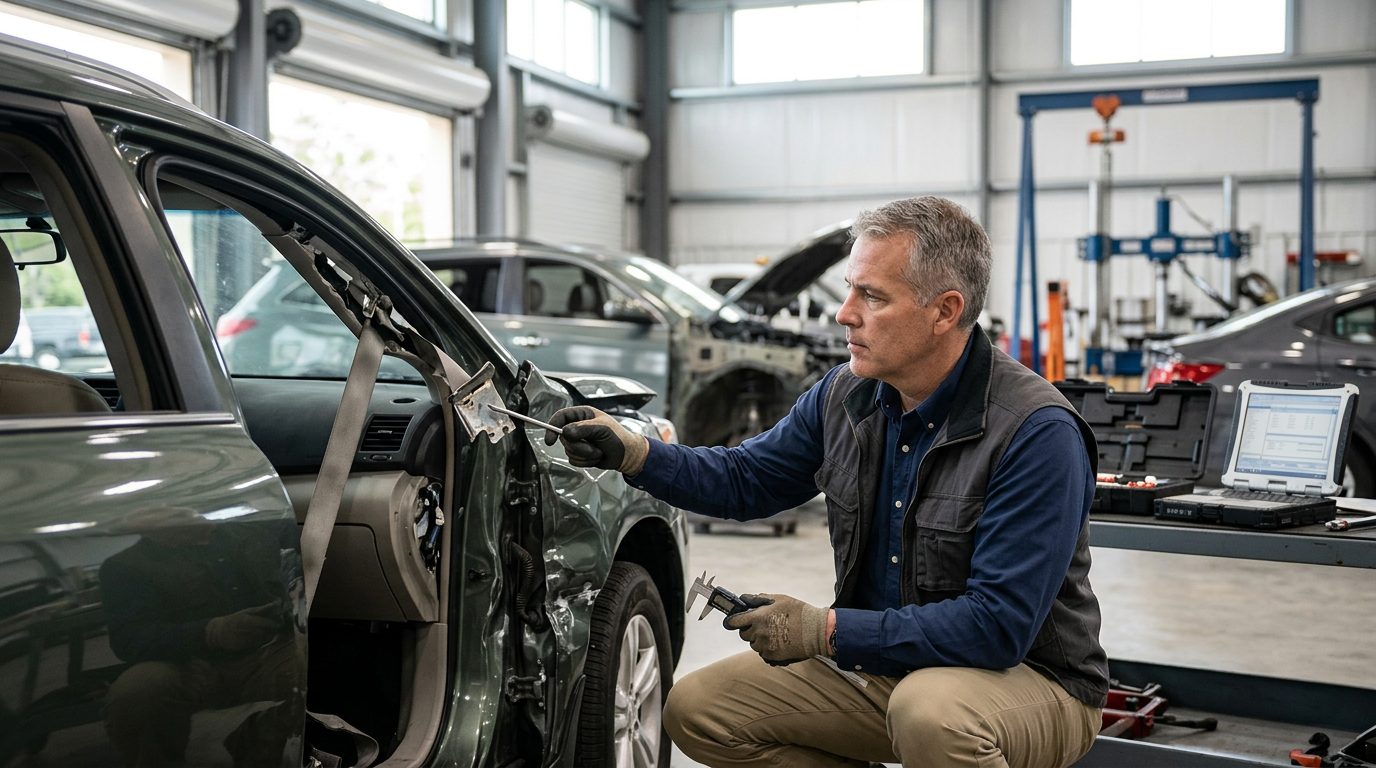
Step 2 – Vehicle inspection and engineering investigation. We retain independent automotive engineers and crash-reconstruction experts to inspect your vehicle, analyze its design and manufacturing, and compare it to industry standards. This inspection must happen quickly. Do not have the vehicle repaired or scrapped.
Step 3 – Defect analysis. Our experts determine whether a defect existed, whether it was foreseeable, and whether it made your injuries worse. We examine the manufacturer’s design specifications, testing data, and internal communications.
Step 4 – Manufacturer records and discovery. We obtain the manufacturer’s internal documents through legal discovery: design specifications, testing data, prior complaints, recalls, engineering memos, cost-benefit analyses, and communications about the defect. These records often reveal what the manufacturer knew and when.
Step 5 – Liability and damages assessment. We build a case showing the manufacturer knew or should have known about the defect, failed to warn or fix it, and that this failure caused or worsened your catastrophic injury. We calculate your full damages: medical care (past and future), lost wages, loss of earning capacity, pain and suffering, disability, and in wrongful-death cases, funeral expenses and loss of companionship.
Step 6 – Settlement negotiation or trial. We pursue compensation through negotiation with the manufacturer’s insurance and legal team. If settlement is not possible or fair, we prepare your case for trial. We are trial-ready and will not accept an inadequate offer.
Not sure what your next step is?
Talk it through with our team — the first consultation is free, confidential, and carries no obligation.
Why These Cases Are Complex—and Why Experience Matters
Engineering expertise is non-negotiable. Crashworthiness cases require deep knowledge of automotive design, manufacturing, physics, and safety standards. We work with board-certified crash engineers, biomechanical specialists, and accident reconstructionists. These experts cost money—but they are essential to proving your case.
Manufacturers have enormous resources and will fight hard. Vehicle manufacturers employ large legal teams and can afford to hire the best experts money can buy. They will challenge every aspect of your claim and argue their design met all applicable standards. You need a firm with the resources, experience, and trial readiness to match them. Experience and preparation are how you level the playing field.
Causation is critical and complex. We must prove not only that a defect existed, but that it caused or significantly worsened your specific injury. This requires expert testimony, crash testing, detailed biomechanical analysis, and comparison to how the vehicle should have performed. A biomechanical expert will testify about the forces your body experienced and how a safer design would have reduced those forces.
Regulatory and legal landscape is intricate. We stay current with all of it and know how to navigate both state and federal courts.
Time and cost are substantial. These cases require months or years of investigation, expert fees (often $50,000 to $200,000 or more), litigation costs, and preparation. We have the infrastructure and commitment to see them through without asking you to pay anything upfront.
What CHG Personal Injury Lawyers Brings to Your Case
Exclusive focus on catastrophic injury. We represent only people with life-altering injuries—spinal cord injury, paralysis, traumatic brain injury, amputation, severe burns, and wrongful death. We understand the full scope of your damages and your long-term needs. We do not handle minor injuries or routine cases.
National reach, Florida roots. We are based in Florida and know Florida law inside and out. We also handle crashworthiness cases nationwide and have relationships with top crash engineers, biomechanical experts, and trial counsel across the country. If your case requires expertise or trial preparation in another state, we have the network to deliver it.
Manufacturer accountability. We understand their internal processes, their testing protocols, and their decision-making.
Transparent process. We explain every step, keep you informed, and answer your questions. You will know what to expect and why we are pursuing the strategy we choose. We will not surprise you or make decisions without your input.
Contingency fee—no upfront cost. We work on contingency. You pay nothing unless we recover compensation for you. This removes the financial barrier to pursuing your claim and aligns our interests with yours.
Frequently Asked Questions
Q: Do I have to prove the other driver was at fault?
No. In a crashworthiness claim, fault for the crash itself is separate from liability for the vehicle defect. We focus on whether the manufacturer’s design or manufacturing failure made your injuries worse. Even if you were entirely at fault for the crash, the manufacturer can still be liable for a defect that worsened your injury.
Q: What if I was partly at fault for the crash?
Florida follows a comparative-fault rule under Statute § 768.81. Even if you were partly at fault for the crash, the manufacturer can still be liable for a defect that worsened your injury. Your recovery may be reduced by your percentage of fault, but the manufacturer’s liability for the defect remains.
Q: How long do these cases take?
Crashworthiness cases typically take 2–4 years from investigation through settlement or trial, depending on complexity, the number of expert reports required, and whether the case goes to trial. Cases involving multiple injuries or deaths may take longer.
Q: What kind of compensation can I recover?
You may recover damages for: – Medical care (past and future), including surgery, rehabilitation, adaptive equipment, and ongoing treatment – Lost wages and loss of earning capacity – Pain and suffering – Disability and loss of enjoyment of life – In wrongful-death cases: funeral expenses, loss of companionship, and loss of financial support
Q: Will my case go to trial?
Many crashworthiness cases settle before trial, but some do go to trial. We prepare every case as if it will be tried, and we are ready to present your case to a jury if necessary. We will not pressure you to accept an inadequate settlement just to avoid trial.
Q: Can I sue if the vehicle was recalled after my crash?
Yes. A recall can actually strengthen your case by showing the manufacturer knew about the defect. We will investigate whether a recall was issued, when it was issued, and what it reveals about the manufacturer’s knowledge and responsibility. A post-crash recall is powerful evidence that the defect was foreseeable.
Q: What is the statute of limitations?
In Florida, you generally have 2 years from the date of the crash to file a negligence or product-liability claim under Statute § 95.11(3)(a). In wrongful-death cases, the 2-year deadline runs from the date of death. This deadline is critical. Do not wait. Contact us immediately to preserve your rights.
Q: What if the vehicle was used or had high mileage?
The age or mileage of the vehicle does not eliminate a crashworthiness claim. A defect in design or manufacturing is a defect regardless of how old the vehicle is. We will investigate whether the defect existed when the vehicle was manufactured and whether it contributed to your injury.
What to Do Now
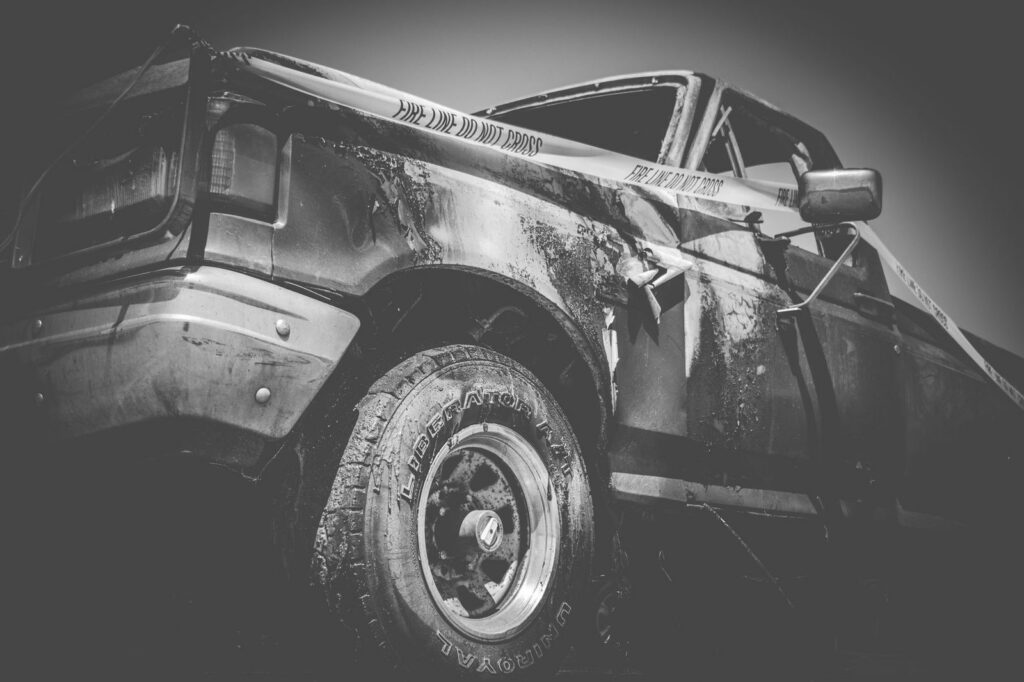
Preserve evidence immediately. If you still have the vehicle, do not have it repaired or scrapped. We will need to inspect it for evidence of the defect and how it performed in the crash. The vehicle itself is crucial evidence. Take photos of the damage, the interior, and your injuries. Do not discard any parts or debris.
Gather documents. Collect: – Your medical records and hospital bills – Insurance documents and the police report – Photos or video from the crash scene – The vehicle’s maintenance records – Your purchase documents and warranty information – Any recall notices you received
Write down what you remember. While details are fresh, write a brief account of: – How the crash happened – How the vehicle performed (did the airbag deploy? Did the seatbelt lock? Did the roof collapse? Did the door open?) – What injuries you sustained immediately after the crash – Your medical treatment and current condition
This will help us when we meet and will preserve your recollection for expert analysis.
Contact us for a free case evaluation. Call or fill out our contact form. We will listen to your story, answer your questions, and tell you whether we believe you have a crashworthiness case worth pursuing. People who have suffered catastrophic injuries from vehicle defects can reach out to us. There is no cost or obligation—and no pressure. We will be honest about whether your case is viable and what we can do for you.
Have questions about what happened?
Ask our team directly. The first conversation is free, confidential, and there is no obligation to continue.
Why Crashworthiness Claims Matter
Fault for the Crash Is Separate
You don't have to prove the other driver caused the accident. Crashworthiness focuses on whether the manufacturer's design or manufacturing failure made your injuries worse.
Defects That Amplify Injuries
Common defects include inadequate seat belt systems, airbag failures, structural collapse, fuel tank ruptures, and poor crash protection design—all of which can turn a survivable accident into a catastrophic one.
Evidence Comes from Multiple Sources
We investigate crash data, vehicle inspection reports, manufacturer testing records, engineering standards, and expert analysis to prove the defect and its role in your injury.
Focused on Your Recovery
Catastrophic injuries from defective vehicles demand accountability. We pursue claims to help cover medical care, ongoing treatment, and the permanent changes to your life.
How Crashworthiness Claims Work
We Investigate the Defect
Our team examines the vehicle's design, manufacturing records, and how it performed in the crash. We identify whether a manufacturer failure—not driver error—made your injuries worse.
We Build the Causation Link
We work with engineers and medical specialists to show how the defect directly contributed to the severity of your injury. This is the core of a crashworthiness claim.
We Hold the Manufacturer Accountable
Manufacturers have a duty to design and build vehicles that protect occupants in foreseeable crashes. When they fail, they are liable for the additional harm that results.
We Pursue Full Compensation
Catastrophic injuries require comprehensive recovery support. We pursue damages for medical expenses, rehabilitation, ongoing care, lost income, and the permanent impact on your life.
Key Point: Partial Fault Doesn't Bar Your Claim
Even if you were partly or entirely at fault for the crash itself, the manufacturer can still be liable for a defect that worsened your injury. Crashworthiness law separates the cause of the accident from the manufacturer's duty to protect you in a crash.
Common Crashworthiness Defects
Airbag Failures
Airbags that don't deploy, deploy too late, or deploy with insufficient force leave occupants unprotected in a crash, turning survivable injuries into catastrophic ones.
Seat Belt System Defects
Faulty seat belt anchors, pretensioners, or webbing that tears or fails can allow occupants to strike the interior, suffer ejection, or sustain severe trauma.
Structural Collapse
Weak roof pillars, door frames, or floor structures that collapse in a crash can crush occupants, cause spinal cord injuries, and result in paralysis or death.
Fuel Tank Rupture
Poorly positioned or inadequately protected fuel tanks can rupture in moderate-speed crashes, causing severe burns and catastrophic injuries.
Inadequate Crash Protection Design
Vehicles designed without sufficient crumple zones, padding, or occupant compartment protection fail to absorb crash energy, amplifying injury severity.
Electronic System Failures
Defective electronic stability control, brake systems, or collision-avoidance technology can fail to prevent or mitigate crashes.
What We Focus On
Spinal Cord Injuries & Paralysis
Structural defects that cause crushing injuries, leading to paraplegia, quadriplegia, and permanent loss of mobility and function.
Traumatic Brain Injuries
Inadequate head protection and interior impact surfaces that result in severe TBI, cognitive impairment, and lifelong disability.
Severe Burn Injuries
Fuel tank ruptures and fire hazards caused by defective design, resulting in catastrophic burns and permanent scarring.
Amputation & Limb Loss
Crushing injuries from structural failure or entrapment caused by defective vehicle design.
Catastrophic Back & Neck Injuries
Inadequate seat support, headrest design, or structural protection leading to permanent spinal damage.
Wrongful Death
When a vehicle defect contributes to a fatal crash, we help families pursue accountability and compensation.