

Catastrophic Rollover Injury Lawyer
Roof Crush and Rollover Injuries: Life-Altering Harm from Truck and Vehicle Accidents
When a vehicle rolls over or collapses, the results are often catastrophic—spinal cord injury, paralysis, traumatic brain injury, or death. If you or a family member suffered a roof crush injury in a truck accident or rollover crash, we focus exclusively on catastrophic cases and can help you understand what comes next.
By CHG Lawyers · Published August 25, 2026
Roof Crush Injury Lawyer: Spinal Cord & Brain Injuries From Defective Vehicles
When a vehicle’s roof collapses during a rollover or side-impact crash, occupants suffer catastrophic injuries. Roof crush injuries cause permanent spinal cord damage, paralysis, traumatic brain injury, and severe head trauma. These life-altering injuries fundamentally change how you live and work. If you or a family member was injured in a roof crush accident, we can help you understand whether you have a legal claim against the vehicle manufacturer.
If you or a family member was injured in a roof crush accident , we can help you understand whether you have a legal claim against the vehicle manufacturer. Talk it through with our team — the first consultation is free, confidential, and carries no obligation.
What Is a Roof Crush Injury Claim?
A roof crush injury claim arises when a vehicle’s roof collapses or fails during a rollover or crash. Unlike minor injuries, roof-crush accidents cause permanent, severe harm. The roof is a primary protective structure.
Modern vehicles are engineered to maintain a “survival space”—a protected area where occupants survive crashes. When manufacturers design weak roofs, use substandard materials, or fail to meet federal safety standards, that space collapses. The result is spinal cord damage, brain trauma, crushing injuries, and often permanent disability or death.
Roof crush claims are based on crashworthiness—the manufacturer’s legal duty to design vehicles that protect occupants in foreseeable accidents, including rollovers. If the vehicle failed that duty, the manufacturer may be liable for injuries the defect enhanced. In a products liability action alleging that injuries were enhanced by a defective product, the trier of fact shall consider the fault of all persons who contributed to the accident when apportioning fault.
Who Is This For?
This page is for you if:
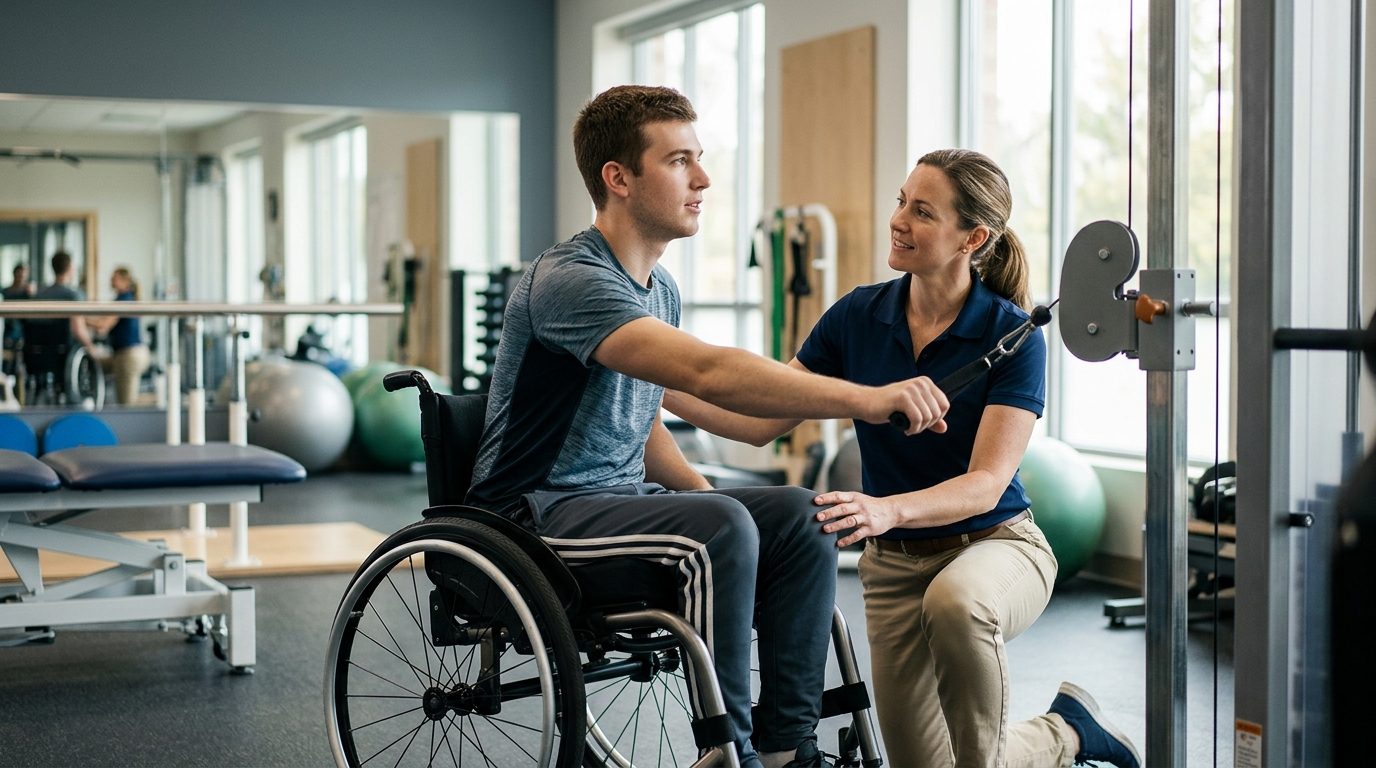
- You suffered a spinal cord injury, paralysis (paraplegia or quadriplegia), or traumatic brain injury in a rollover or roof-crush accident.
- Your injury is permanent and has fundamentally changed your life—your mobility, independence, cognitive function, or earning capacity.
- You believe the vehicle’s roof structure was defective or failed to meet federal safety standards.
- You want to know whether you have a claim against the vehicle manufacturer.
What Roof Crush and Rollover Injuries Cover
Roof-crush accidents cause severe injuries. The injuries we handle include:
- Spinal cord injuries: Complete or incomplete paralysis, loss of sensation and motor function, permanent disability, and loss of bowel and bladder control.
- Traumatic brain injuries (TBI): Cognitive impairment, memory loss, personality changes, loss of consciousness, coma, and long-term neurological damage.
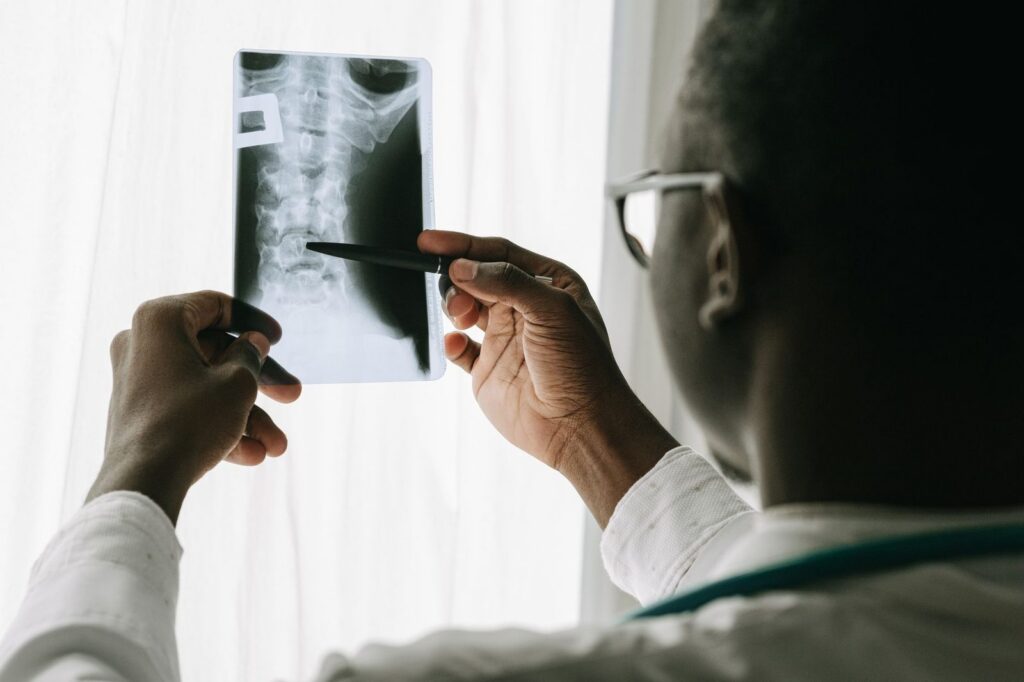
- Severe head and neck trauma: Skull fractures, intracranial bleeding, diffuse axonal injury, and facial reconstruction needs.
- Crush injuries to the torso and limbs: Compartment syndrome, tissue death, organ damage, and amputation.
- Catastrophic back and neck injuries: Vertebral fractures, nerve damage, chronic pain, and permanent dysfunction.
- Wrongful death: When a family member is killed in a roof-crush accident, surviving family members may bring a wrongful-death claim. Damages include funeral expenses, lost financial support, and loss of companionship.
Motor-vehicle accidents account for a significant portion. Mayo Clinic notes that spinal cord injuries from vehicle crashes often result in permanent paralysis and lifelong care needs.
How Roof Crush Claims Work: The Legal Basis
A roof crush injury claim is a type of product liability claim against the vehicle manufacturer.
Manufacturer’s duty: Vehicle manufacturers must design and build vehicles that protect occupants in foreseeable accidents, including rollovers. This duty exists regardless of whether the driver caused the accident.
Federal safety standards: The federal government sets minimum roof-crush resistance requirements under FMVSS 216 (Federal Motor Vehicle Safety Standard 216). Vehicles that fail to meet these standards may be defective.
Types of defects: – Design defect: The roof was designed in a way that made it prone to collapse. – Manufacturing defect: The roof was built incorrectly or with substandard materials. – Failure to warn: The manufacturer knew of the defect but did not warn consumers or issue a recall.
Liability: The manufacturer can be held responsible for injuries caused by the defective vehicle. Under Florida’s comparative-negligence rule, Fla. Stat. §768.81, your own role in the accident does not necessarily bar recovery. Your own fault in the accident is weighed together with the manufacturer’s liability for a defective vehicle when fault is apportioned.
What Your Roof Crush Claim Can Cover
If you have a viable roof crush injury claim, compensation can include:
- Medical expenses: Emergency care, hospitalization, surgery, rehabilitation, ongoing medical treatment, assistive devices, home modifications, and future medical care.
- Lost income: Wages lost during recovery and ongoing lost earning capacity if your injury prevents you from working.
- Pain and suffering: Compensation for physical pain, emotional trauma, loss of enjoyment of life, and permanent disability.
- Caregiver and attendant costs: In-home nursing care, personal assistance, and attendant services—often substantial for spinal cord or brain injuries.
- Wrongful death damages: If a family member was killed, funeral expenses, loss of financial support, loss of companionship, and punitive damages in cases of gross negligence.
These damages are substantial because roof-crush injuries typically result in lifetime care needs and permanent loss of earning capacity.
Not sure what your next step is?
Talk it through with our team — the first consultation is free, confidential, and carries no obligation.
How the Process Works: What to Expect
Roof-crush cases are complex and require expert investigation.
Step 1 – Free case evaluation: You describe the accident, your injuries, the vehicle, and any communications with the manufacturer or insurance company. We assess whether you have a viable claim.
Step 2 – Investigation: We obtain the accident report, your medical records, vehicle maintenance records, and engineering data about the vehicle’s design. We may retain accident-reconstruction experts to analyze how the accident occurred.
Step 3 – Expert analysis: We work with engineers and biomechanical experts to determine whether the roof was defective and caused your injuries. We consult with medical specialists to document the severity and permanence of your injury.
Step 4 – Demand and negotiation: We prepare a detailed demand letter and negotiate with the manufacturer’s insurance company and legal team. Many cases settle at this stage.
Step 5 – Settlement or litigation: If a fair settlement is reached, we finalize the agreement. If not, we file a lawsuit and prepare for trial, including discovery, depositions, and expert testimony.
Timeline: Roof-crush cases typically take 1–3 years or longer, depending on discovery and whether the case settles or proceeds to trial.
Why Vehicle Design and Roof Strength Matter
Roof-crush is a leading cause of catastrophic injury in rollover accidents. Modern vehicles are designed to maintain structural integrity during crashes. The roof and pillars must be strong enough to prevent collapse even during multiple rolls.
Older vehicles and some budget models may have weaker roof structures. These do not meet current safety standards. Defects can include inadequate roof thickness, weak pillar design, poor welds, or substandard materials. Manufacturers have known about roof-crush risks for decades. When manufacturers cut corners on roof strength to save money, people are injured and killed.
Why Choose CHG Personal Injury Lawyers for Your Roof Crush Claim
Exclusive focus on catastrophic injuries: We focus exclusively on cases involving permanent, life-altering harm—spinal cord injuries, paralysis, traumatic brain injury, and severe burns. We do not handle minor soft-tissue injuries or routine fractures.
Crashworthiness claims: Vehicle-defect claims can involve roof crush, underride, airbag failure, and fuel-system defects.
Serving Florida: We represent people injured in vehicle crashes in Florida, including in Miami, Orlando, Tampa, and Jacksonville.
We bring real legal credentials and accountability to your case.
Expert network: We work with leading accident-reconstruction engineers, biomechanical experts, and medical specialists to build strong cases.
No upfront costs: We work on contingency—you pay nothing unless we recover compensation for you.
Common Questions About Roof Crush Claims
How much is a good settlement for pain and suffering?
Settlement amounts vary depending on the severity of your injury, your age, your earning capacity, the strength of the evidence, and the jurisdiction. Catastrophic spinal cord injuries and traumatic brain injuries typically result in higher settlements because they cause permanent disability and lifelong care needs.
What is the hardest part of proving a roof crush claim?
The hardest part is proving that the vehicle’s roof was defective and caused your injury—not just that the accident happened. We use expert engineers and accident reconstructionists to demonstrate that the roof failed to meet safety standards.
What should I tell my attorney?
Tell us everything: the full circumstances of the accident, your medical history, your current symptoms and limitations, your treatment and rehabilitation, your lost income, and any communications with the manufacturer or insurance company. All information you share is confidential and protected by attorney-client privilege.
Is it worth suing for a personal injury?
If you have suffered a catastrophic, permanent injury caused by a defective vehicle, a lawsuit or settlement claim can provide critical compensation. You can recover for medical care, lost income, and pain and suffering. Many roof-crush victims face lifetime care costs. A successful claim can secure your financial future.
Have questions about what happened?
Ask our team directly. The first conversation is free, confidential, and there is no obligation to continue.
Holding Vehicle Manufacturers Accountable
Manufacturers have a responsibility to design and build safe vehicles. When they cut corners on roof strength or ignore known defects, people are injured and killed. Your case may help protect other drivers and passengers by prompting recalls or design improvements.
Get Your Free Case Evaluation Today
If you or a family member suffered a spinal cord injury, paralysis, traumatic brain injury, or other catastrophic harm in a rollover or roof-crush accident, we want to hear from you. Contact us for a free, confidential case evaluation—no obligation, no cost. We will review the details of your accident and injury and let you know whether you have a viable claim.
Time Matters
Roof crush and rollover injuries require immediate investigation—evidence at the crash scene, vehicle inspection, and medical records must be preserved. The sooner you contact us, the sooner we can begin protecting your rights and gathering the facts that support your claim.
What Happens After a Roof Crush or Rollover Injury
Immediate Medical Care
Roof crush injuries often cause spinal cord damage, traumatic brain injury, or internal injuries that may not be immediately obvious. Seek emergency care at once, even if you feel able to move. Document all medical treatment and keep records of every provider, test, and diagnosis.
Preserve Evidence at the Scene
Photos of the vehicle damage, road conditions, weather, and debris are critical. If possible, note the names and contact information of witnesses. Request the police accident report and any dashcam or traffic camera footage. Do not speak to insurance adjusters without legal guidance.
Understand Your Claim
Roof crush injuries may arise from defective vehicle design, driver negligence, unsafe road conditions, or trucking company violations. We investigate the cause and hold responsible parties accountable for your catastrophic injury and lifelong care needs.
Build Your Case
We work with accident reconstruction specialists, medical experts, and engineers to prove how the injury occurred and what it will cost you over a lifetime. We handle all legal work so you can focus on recovery.
Why Choose CHG Personal Injury Lawyers
Catastrophic Injury Focus
We focus exclusively on life-altering injuries—spinal cord damage, paralysis, traumatic brain injury, and other permanent harm. We do not handle minor or routine cases.
Thorough Investigation
We retain accident reconstruction specialists, vehicle engineers, and medical experts to build a complete picture of how your injury happened and what it means for your future.
Florida-Based Representation
Based in Florida and licensed to practice here, we take catastrophic cases throughout Florida.
Compassionate Representation
A roof crush injury changes everything. We listen to your story, respect your experience, and fight for fair compensation so you can access the care and support you need.