
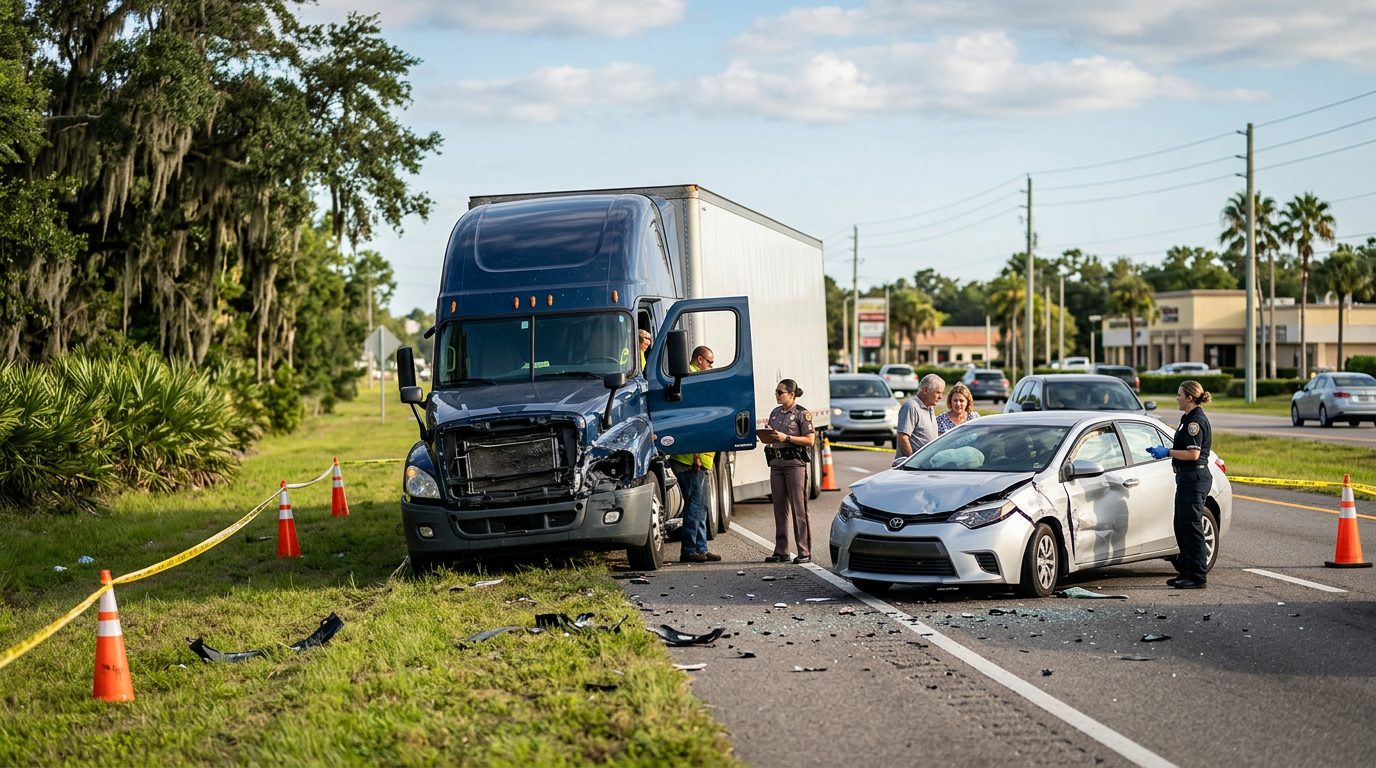
Hurt in a Semi Truck Crash? Get Clear Answers About Your Next Steps
Crashes with 18-wheelers can change a family's life in seconds. Here is how Florida injury claims involving commercial trucks usually work, and how to protect your rights while you recover.
Why Floridians Call Our Firm
Florida
Florida-based personal injury firm
Licensed
Attorneys admitted to The Florida Bar
Free
Confidential first consultation
By CHG Lawyers · Published November 12, 2026
Semi Truck Accidents Today: Why the Injuries Are So Serious
If you just watched a video of a semi truck crash or read a news story about semi truck accidents today, you may be wondering why these crashes hurt people so badly. Semi truck accidents usually cause more severe injuries than crashes between two passenger cars, mainly because of weight, speed, and how a big rig stops. This page explains the general reasons, the federal rules that apply, and the Florida deadlines that matter if someone you love was hurt.
Not sure what your next step is?
Talk it through with our team — the first consultation is free, confidential, and carries no obligation.

Why Semi Truck Accidents Today Cause Such Serious Injuries
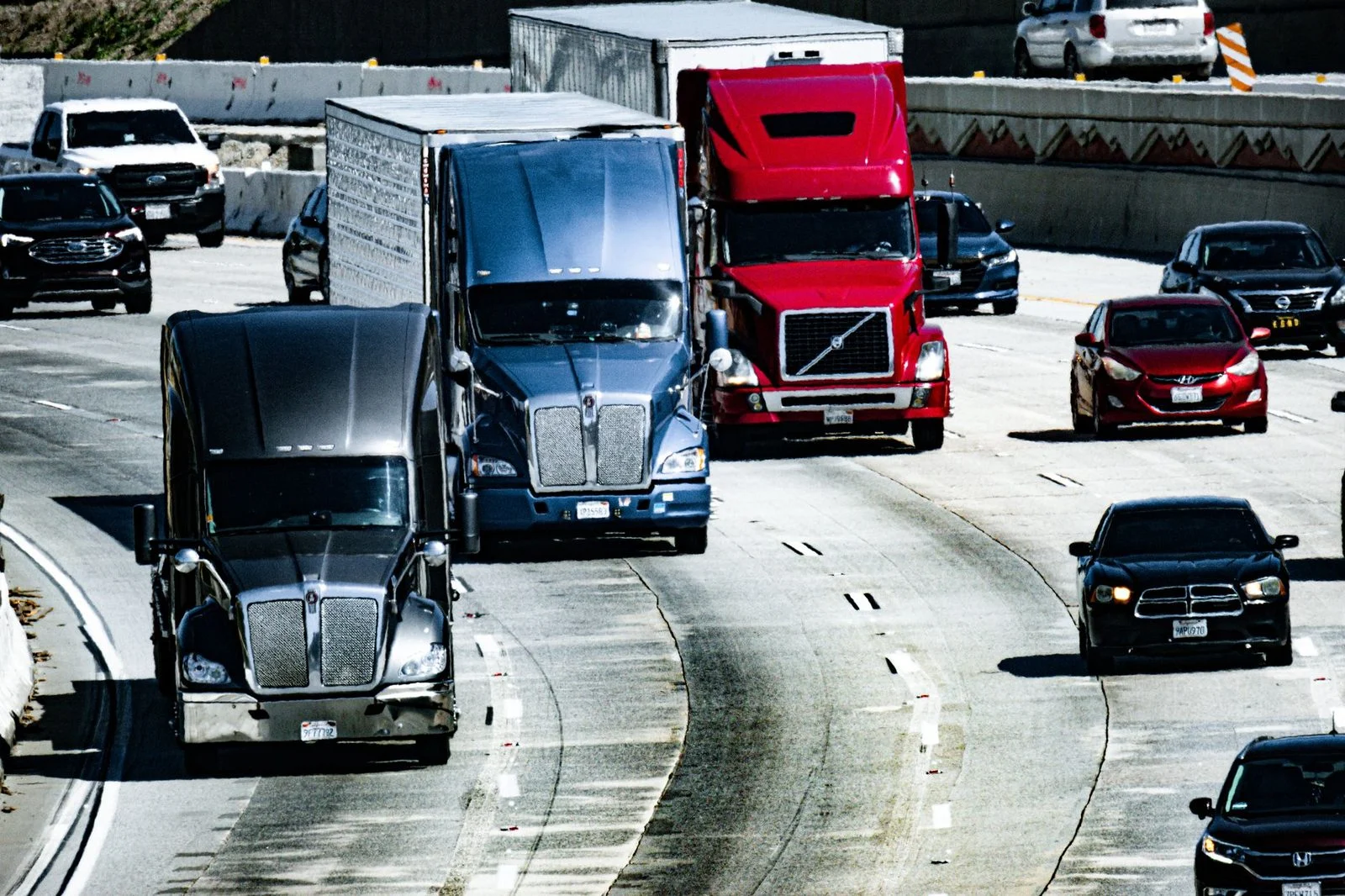
Semi truck accidents cause serious injuries because a loaded truck carries far more weight and energy than a passenger vehicle. When the two collide, the people in the car usually take most of the force.
This page describes general patterns that show up across many truck crashes. Every crash has its own facts, and those facts shape what happened and what comes next.
Families often end up in a hospital waiting room with questions they never expected to ask. One person may walk away with bruises while another faces a lifelong disability. Knowing why these injuries are so serious can help you ask better questions of the doctors and the people helping you.
The Physics of Weight and Stopping Distance
A loaded tractor-trailer can outweigh a passenger car many times over. Weight and speed together decide how much energy a crash releases.
Think of two objects moving at the same speed. The heavier one hits with far more force. A passenger car is a light object, and a loaded semi is a very heavy one.
A fully loaded truck also needs a long distance to stop, even when the driver brakes in time. That means a driver may have less room to avoid a crash that starts ahead of them. Traffic can slow suddenly, and a truck cannot stop as quickly as a car.
This is why many truck collisions are high-energy impacts. A crash like that can break bones, damage the spine, and injure the brain. The injuries can be severe even when the person in the car was alert and careful.
Underride, Fire, and Rollover Forces
Underride crashes, fires, and rollovers are three ways a truck crash can cause injuries that look different from an ordinary car wreck. Each one follows from how trucks are built and loaded.
In an underride crash, a smaller vehicle slides under the back of a trailer. The passenger compartment can then take the force of the impact. Federal rules address this risk. Each trailer rated at 10,000 pounds or more, made on or after January 26, 1998, must have a rear impact guard that meets FMVSS No. 223, except pole trailers, pulpwood trailers, low chassis vehicles, special purpose vehicles, wheels back vehicles, road construction controlled horizontal discharge trailers, and trailers towed in driveaway-towaway operations (49 C.F.R. § 393.86).
The federal standard states its purpose. The purpose of this standard is to reduce the number of deaths and serious injuries that occur when light duty vehicles collide with the rear end of trailers and semitrailers (49 C.F.R. § 571.223).
Fire is another danger. Fuel and cargo can ignite, and trapped occupants can suffer severe burns. Rollovers and jackknifes can crush a cab or pin people inside. A shifting load can also push a truck onto its side. These forces explain why burn and crush injuries appear so often in truck crashes.
Common Injuries in Semi Truck Crashes
The injuries most often linked to large truck impacts include spinal cord injuries, traumatic brain injuries, crush injuries, amputations, and severe burns. Internal organ injuries can also stay hidden at first.
A spinal cord injury damages the nerves that carry signals between the brain and the body. Depending on where the injury occurs, it can affect movement and feeling. Some effects are permanent.
A traumatic brain injury happens when a blow or a sudden jolt damages the brain. Symptoms can appear later, and recovery can take a long time. Crush injuries and broken bones happen when a body is pinned or hit with great force. These injuries may need surgery and can damage blood vessels and organs.
An amputation means losing a limb. It can change work, home life, and daily routines for years. Severe burns from fuel or fire often need long treatment and repeated procedures.
Medical care is personal. Follow the care your doctors recommend, and bring your questions to them. This page offers general information, not medical advice.
Why Multi-Vehicle Pileups and Bad Weather Make Injuries Worse
A truck crash can start a chain reaction, and bad weather or poor visibility can make that chain longer. Each new impact can add injuries for the people involved.
When a truck blocks a lane, drivers behind it may brake hard or swerve. Cars can strike each other, spin, or drift into oncoming traffic. Debris from the first crash can cause more collisions.
Rain, fog, glare, and ice make it harder for drivers to see and stop. Slick pavement lengthens stopping distances, which raises the chance of a second or third impact.
The first hit and the secondary impacts can both cause harm. That is why an injured person may have several serious injuries from one event. Some injuries take days to show their full extent.
Crashes happen across Florida’s busy highways, including I-75, I-4, and Florida’s Turnpike, where trucks and cars share the road. Weather and heavy traffic can make a bad situation worse in a matter of seconds.
Not sure what your next step is?
Talk it through with our team — the first consultation is free, confidential, and carries no obligation.
Driver Fatigue, Maintenance, and Other Common Causes
After a truck crash, investigators commonly look at driver fatigue, hours-of-service limits, equipment maintenance, cargo loading, and driver qualifications. These are general areas of inquiry, not findings about any particular crash.
Federal hours-of-service rules limit how long a commercial driver may work and drive. A driver may not drive without first taking 10 consecutive hours off duty (49 C.F.R. § 395.3). A driver may drive a total of 11 hours within the 14-hour period that follows that rest. Driving is not permitted after more than 8 hours of driving time without a 30-minute break, with some listed exceptions (49 C.F.R. § 395.3).
Maintenance matters too. Brakes, tires, lights, and rear guards all affect how a truck performs in a crash. Cargo loading matters as well. An uneven load can shift weight and make a truck harder to control.
Crashes often involve several factors at once. A tired driver operating a poorly maintained truck creates a different risk than either problem alone. The cause of any specific crash depends on the evidence in that case.
Evidence That Matters After a Truck Crash
The most useful evidence after a truck crash is usually the police crash report, photographs, witness details, medical records, and the trucking company’s driving and testing records. Some of this evidence is time-sensitive.
Most motor carriers must maintain driver vehicle inspection reports, certifications of repairs, and certifications of the driver’s review for three months from the date the written report was prepared, though the rule does not apply to some operations, such as a carrier operating only one commercial motor vehicle (49 C.F.R. § 396.11).
Keep your own copies of photos, bills, pay records, and medical paperwork. Ask your doctors for copies of records as your care continues.
Who May Be Responsible for a Semi Truck Crash
More than one party can be connected to a semi truck crash. These may include the driver, the trucking company, a maintenance provider, or a company that loaded the cargo. Responsibility depends on the facts.
The driver’s conduct matters. So do the employer’s decisions, the condition of the equipment, and how the trailer was loaded. Insurance may come from different policies, and each policy may cover different things. Sorting that out takes careful review.
Several parties may each be connected to the harm, and how responsibility is sorted out depends on the facts of the crash.
A claim focuses on who may be legally responsible and how losses are documented. It is not a public debate about blame.
Florida Deadlines and Fault Rules to Know
Florida sets deadlines for filing a lawsuit, and they apply to every case. Acting promptly helps families keep track of the timeline.
Shared fault can affect how a claim is handled, and the facts of each crash decide what that means. Contact the firm promptly to talk through the timeline and your situation.
When a Loved One Has Died in a Semi Truck Crash
When a semi truck crash causes a death, a family’s world changes in ways no checklist can capture. Families facing this kind of loss often have many questions, and they do not have to answer them alone.
The National Highway Traffic Safety Administration tracks fatal crashes through federal crash-fatality data. Behind every entry in that data is a family facing the same kind of loss you may be facing now.
Not sure what your next step is?
Talk it through with our team — the first consultation is free, confidential, and carries no obligation.
Talk With Our Team About Your Situation
You may be sitting beside a hospital bed, caring for someone while you recover, or trying to picture what a truck crash means for your future. You don’t have to answer every question on your own.
How long do I have to file a semi truck accident lawsuit in Florida?
Florida sets deadlines for filing a lawsuit, and they apply to every case. Contact the firm promptly so the timeline can be reviewed.
Can I still recover if I was partly at fault?
Shared fault can affect a claim, and the facts of each crash decide how it is handled. Contact the firm to talk through your situation.
Can a family bring a claim after a fatal truck crash?
Families facing this loss may have options, and the firm can talk through them during a free, confidential consultation.
CHG Personal Injury Lawyers is a Florida personal injury firm. Our lawyers are licensed attorneys admitted to The Florida Bar. Igor Hernandez is the lawyer responsible for this page. If a semi truck crash has changed your life or your family’s, reach out for a free, confidential, no-obligation first consultation at our contact page. We charge no attorney’s fees or case costs unless there is a recovery.
What Our Firm Offers Injured Families
A Free, Confidential Consultation
Talk with our team about your crash and your questions. The first consultation is free, and there is no obligation to continue.
Florida Legal Experience
Our firm handles truck accident and other personal injury claims for people throughout Florida, from Miami and Fort Lauderdale to Orlando, Tampa and Jacksonville.
No Fees Unless There Is a Recovery
CHG charges no attorney's fees and no case costs unless there is a recovery.
Support for the Whole Family
When a crash causes a serious or fatal injury, we focus on the people left behind and the practical steps that can help them move forward.
Be Careful With Early Calls From the Trucking Company
Trucking companies and their insurers often contact injured people quickly. Before you give a recorded statement or sign anything, talk with a lawyer and follow your doctor's care.
Steps to Take After a Semi Truck Crash
Get Medical Care
See a doctor right away, even if you feel you have only minor pain. Some serious injuries, including back, neck and head injuries, may not show symptoms until later.
Document the Scene
If you are able, take photos of the vehicles, the road, skid marks, and any visible damage. Write down the truck's company name and number if you can see it.
Keep Your Records
Save medical bills, pay stubs, repair estimates, and notes about how the injury affects your daily life and work.
Talk With a Lawyer
Contact our firm for a free, confidential consultation so the facts of your crash can be reviewed as soon as possible.