

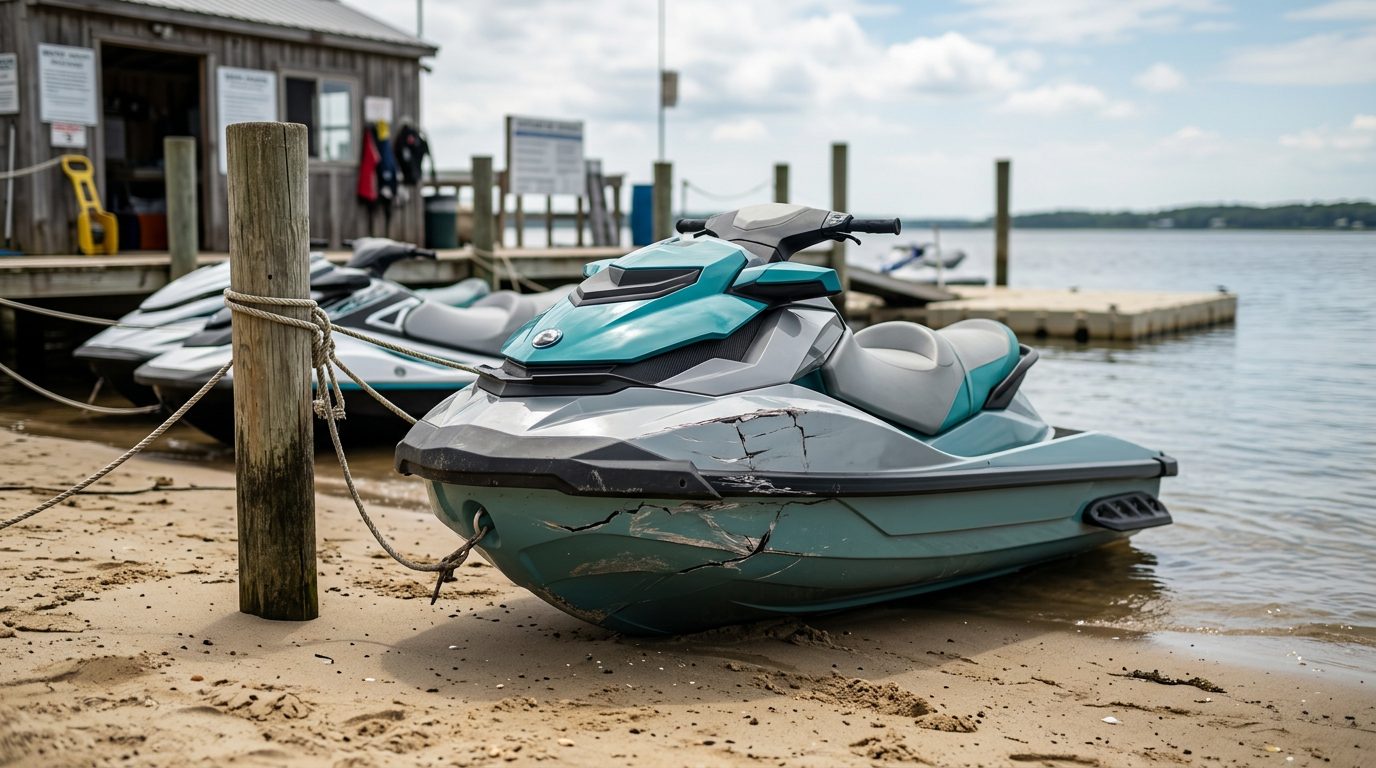
Jet Ski & Water Sports Injuries
Jet Ski Rental Waivers: Can You Still Sue?
A signed waiver doesn't protect a rental company from negligence or recklessness. Learn what claims may still be available after a catastrophic jet ski injury.
By CHG Lawyers · Published August 30, 2026
Signing a liability waiver doesn’t automatically bar you from suing a jet ski rental company—especially if the company’s own negligence or recklessness caused your injury. While waivers are legal in Florida, they have clear limits, and courts refuse to enforce them when they attempt to shield a business from liability for gross negligence, intentional wrongdoing, or catastrophic harm.
If you suffered a serious, permanent injury—spinal cord damage, paralysis, amputation, traumatic brain injury, or death—the rental company’s conduct will face close legal scrutiny, and the waiver you signed may not protect them.
What a Jet Ski Rental Waiver Actually Says
A liability waiver is a legal document the rental company asks you to sign before renting a jet ski. It attempts to release the company from liability for injuries or damage you suffer while using their equipment. Most waivers cover ordinary accidents, operator error, and the inherent risks of water sports. They do not, however, cover the company’s own negligence or misconduct.
Most renters sign these forms without fully understanding what they’re agreeing to. The rental company presents the waiver as a routine condition of renting—take it or leave it. Many people sign it quickly, focusing on getting out on the water rather than reading the fine print. This is understandable, but it’s also why so many injured people later discover that the waiver may not be the final barrier to recovery they feared.
The rental company’s intent is clear: protect themselves from lawsuits for ordinary accidents. But the law recognizes that a business cannot use a waiver to shield itself from its own serious wrongdoing.

Not sure what your next step is?
Talk it through with our team — the first consultation is free, confidential, and carries no obligation.
Is a Liability Waiver Legal in Florida?
Yes, liability waivers are generally legal in Florida. However, they are not absolute shields from liability. Florida Statute § 768.81 governs assumption of risk and liability waivers, and courts enforce waivers only when they are clear, specific, and knowingly signed.
For a waiver to be enforceable, the rental company must prove that:
- The waiver language is unambiguous and clearly states what risks are being waived.
- You understood what you were signing.
- You had a fair opportunity to read and consider the document.
- The waiver is not unconscionable (unfairly one-sided or shocking to the conscience).
If any of these elements is missing, a court may refuse to enforce the waiver against you.
When a Waiver Does NOT Protect the Rental Company
Florida law draws a critical distinction between ordinary negligence and gross negligence. Waivers typically cover ordinary negligence—mistakes or oversights that are not reckless or intentional. They do not cover gross negligence, reckless conduct, or intentional wrongdoing.
Gross negligence or reckless conduct. If the rental company’s own actions were grossly negligent—for example, renting a jet ski with a known mechanical failure, allowing an operator to rent equipment while under the influence, or ignoring basic safety protocols—a waiver typically cannot shield them. Reckless conduct is conduct that is so careless or indifferent to safety that it goes far beyond ordinary negligence.
Intentional misconduct. Waivers do not cover deliberate wrongdoing. If a rental company employee intentionally harms you or acts with deliberate indifference to your safety, a waiver will not protect them.
Violation of law. If the rental company broke a safety statute or regulation, a waiver may not apply. For example, if Florida law requires certain safety inspections or maintenance and the company failed to comply, that violation may defeat the waiver.
Failure to warn of known hazards. If the company knew of a specific danger—such as a mechanical defect, unsafe water conditions, or a history of equipment failure—and did not disclose it, the waiver may be unenforceable.
Catastrophic injury or death. Florida courts scrutinize waivers more carefully in cases of severe, permanent injury or wrongful death. Courts are reluctant to find that a person who signed a routine rental form intended to waive the right to sue for paralysis, amputation, traumatic brain injury, or loss of life. The severity of the harm and the circumstances of the accident matter greatly.
Real-World Example: Why Waivers Fail in Catastrophic Cases
Consider a scenario: A rental company rents a jet ski with a faulty throttle that sticks open. The operator cannot control the speed and collides with a dock, suffering spinal cord damage and permanent paralysis. The waiver says the renter “assumes all risks of injury.” Does it apply?
No. The rental company’s failure to maintain safe equipment is gross negligence. The waiver covered the inherent risks of jet ski operation—not the company’s own failure to inspect and maintain the equipment. A court would likely find the waiver unenforceable because the company’s conduct went far beyond ordinary negligence.
What Is a Rental Liability Waiver?
A rental liability waiver is a release form—a legal agreement between you and the rental company. By signing, you agree not to hold the company liable for certain injuries or damage. In exchange, you get to rent the jet ski.
Most waivers include language like this: “I assume all risks of injury or death arising from my use of the equipment, and I release the rental company from all liability.” Sounds absolute, doesn’t it? It isn’t. The law limits what a business can ask you to waive, especially when the company’s own wrongdoing causes your injury.
Do You Need Insurance to Rent a Jet Ski?
Most rental companies do not require you to carry personal liability insurance. However, many rental companies offer optional damage waiver or liability insurance—read the terms carefully before you decline it.
If you have homeowner’s or renter’s insurance, check your policy to see whether it covers water sports or rental equipment. Some policies exclude high-risk activities.
If you are injured and the rental company is at fault, their liability insurance (not yours) may cover your damages. This is why it’s important to gather evidence and document what happened—you may have a claim against the company’s insurance.
Have questions about what happened?
Ask our team directly. The first conversation is free, confidential, and there is no obligation to continue.
Do You Need a License for Jet Ski Rental in Florida?
Florida does not require a boating license to rent or operate a jet ski. However, the rental company may require a valid driver’s license or ID. Some rental companies may require a boating safety course certificate, though it is not legally mandated by the state.
Operating a jet ski recklessly or under the influence is illegal and can result in criminal charges. It may also defeat a waiver defense—if you were operating the jet ski negligently, the rental company may argue that your own conduct caused the accident. However, even if you bear some fault, the rental company’s own negligence may still be recoverable under Florida’s comparative fault rule. Florida Statute § 768.81 allows recovery even when the injured party is partially at fault, as long as their negligence is not greater than the defendant’s.
How Waivers Are Challenged in Catastrophic Injury Cases
When a jet ski accident causes permanent spinal cord injury, paralysis, amputation, traumatic brain injury, or death, courts apply heightened scrutiny to waivers. Attorneys argue that the signer could not have reasonably anticipated such severe, life-altering harm when signing a routine rental form.
Courts may find that a waiver is unconscionable—unfairly one-sided or shocking to the conscience—if it attempts to shield the company from liability for catastrophic outcomes caused by its own negligence. The law recognizes that no one reasonably expects to sign away the right to recover for paralysis or death when renting recreational equipment.
In the catastrophic-injury cases we handle, we examine the specific language of the waiver, the circumstances of the accident, and the rental company’s conduct. If the company’s own recklessness or failure to maintain safe equipment caused the catastrophic injury, the waiver is often challengeable.
What Happens If You Were Injured After Signing a Waiver
If you suffered a serious injury after signing a jet ski rental waiver, take these steps to protect your legal position:
Gather evidence immediately. Photograph the jet ski, the accident scene, your injuries, and any visible damage. Write down the names and contact information of witnesses. Preserve all medical records, receipts, and documentation of your treatment and recovery.
Document what happened. Write down the details of the accident while they’re fresh: what you were doing, what went wrong, the condition of the equipment, any warnings (or lack thereof) the rental company gave you, and the names of any rental company employees present.
Report the incident in writing. Notify the rental company of the accident in writing (email is fine) and keep a copy. Do not rely on verbal reports.
Seek immediate medical attention. Your health is the priority. Medical records also document the severity and cause of your injury, which matters if you later pursue a claim.
Do not sign additional documents or settlement offers without legal review. The rental company may contact you with settlement offers or additional waivers. Do not sign anything without an attorney’s review.
Why You Should Talk to an Attorney
A waiver is not the final word. An experienced attorney can evaluate whether it is enforceable in your specific situation. Here’s why early legal review matters:
The waiver may not apply to your injury. If the rental company’s own negligence, recklessness, or violation of law caused your injury, the waiver may not protect them.
Catastrophic injuries receive heightened protection. If you suffered spinal cord damage, paralysis, amputation, traumatic brain injury, severe burns, or death, Florida courts are skeptical of waivers that attempt to shield the company from liability.
Other parties may be liable. The jet ski manufacturer, a third party who caused the accident, or the property owner may share responsibility. An attorney can identify all potential defendants.
Time limits apply. Florida Statute § 95.11 sets a 2-year deadline for filing a personal-injury claim from the date of injury. Early legal review is critical.
Your claim may be worth more than you realize. Catastrophic injuries involve lifetime medical care, lost income, pain and suffering, and loss of enjoyment of life. An attorney can help you understand the full value of your claim.
Want to know where you stand?
Tell us what happened and our team will walk you through the options available to you, at no cost.
FAQ
Can you sue a jet ski rental company if you signed a waiver?
Yes, you may still have a claim, especially if the rental company’s own negligence, recklessness, or violation of law caused your injury. A waiver does not shield a business from liability for gross negligence or intentional wrongdoing.
What makes a liability waiver unenforceable in Florida?
A waiver is unenforceable if it is vague, overly broad, not clearly understood by the signer, or if it attempts to shield a business from liability for gross negligence, intentional misconduct, violation of law, or catastrophic injury caused by the company’s own wrongdoing.
Does a waiver protect a rental company from gross negligence?
No. Florida law does not permit a business to use a waiver to shield itself from liability for gross negligence or reckless conduct.
Can you waive liability for catastrophic injury or death?
Florida courts are highly skeptical of waivers that attempt to shield a business from liability for catastrophic injury or wrongful death, especially when the company’s own negligence caused the harm.
What should you do if you’re injured after signing a rental waiver?
Gather evidence, document the accident, seek medical care, report the incident in writing, and do not sign additional documents without legal review. Contact an attorney as soon as possible.
If you or a loved one suffered a serious, life-altering injury in a jet ski rental accident—spinal cord damage, paralysis, amputation, traumatic brain injury, or fatal injury—don’t assume the waiver you signed means you have no recourse. The circumstances of your accident and the rental company’s conduct matter. Reach out to discuss what happened; our team reviews these cases regularly and can explain whether you may have a claim despite the waiver. Contact us for a free case evaluation.
Important: Waivers Have Limits
In Florida, a liability waiver cannot shield a business from its own gross negligence, recklessness, or intentional wrongdoing—even if you signed it before renting. If the rental company's failure to maintain equipment, provide proper safety instruction, or follow the law caused your injury, you may still have a valid claim.
When Waivers May Not Hold Up
Defective or Unsafe Equipment
A rental company cannot waive liability for renting a jet ski with known mechanical failures, missing safety equipment, or unsafe conditions that caused your injury.
Gross Negligence or Recklessness
Waivers do not protect against gross negligence—such as renting to an intoxicated person, failing to conduct required safety briefings, or ignoring obvious hazards.
Violation of Law
If the rental company broke a safety law or regulation (such as operating without required licensing or insurance), a waiver cannot shield them from liability.
Failure to Warn or Instruct
A company cannot waive liability for failing to warn you of known dangers or for refusing to provide legally required safety instruction before you took the jet ski out.
Why Your Waiver May Not Be the Final Word
Florida Law Protects You
Waivers Must Be Clear and Fair
A waiver is only enforceable if it clearly spells out what you're waiving and is not buried in fine print or presented in a misleading way.
Catastrophic Injuries Change the Analysis
Courts take a harder look at waivers when the injury is severe and permanent—such as spinal cord damage, paralysis, amputation, or traumatic brain injury.
You May Have Multiple Claims
Even if a waiver applies to the rental company, you may still have claims against other parties—such as the property owner, a negligent operator, or a third party who caused the accident.
What to Do After a Jet Ski Injury
Seek Medical Attention Immediately
Catastrophic jet ski injuries—spinal cord damage, traumatic brain injury, severe lacerations, or drowning—require emergency care. Your health comes first.
Document Everything
Preserve photos of the jet ski, the rental facility, your injuries, and any witnesses. Keep the rental agreement, waiver, and any communications with the rental company.
Report the Incident
File a report with local authorities and the rental company. Request copies of maintenance records, safety logs, and any prior complaints about that jet ski.
Do Not Discuss the Waiver Alone
A signed waiver does not end your legal options. Contact an attorney who focuses exclusively on catastrophic injury claims before speaking to the rental company's insurance.