

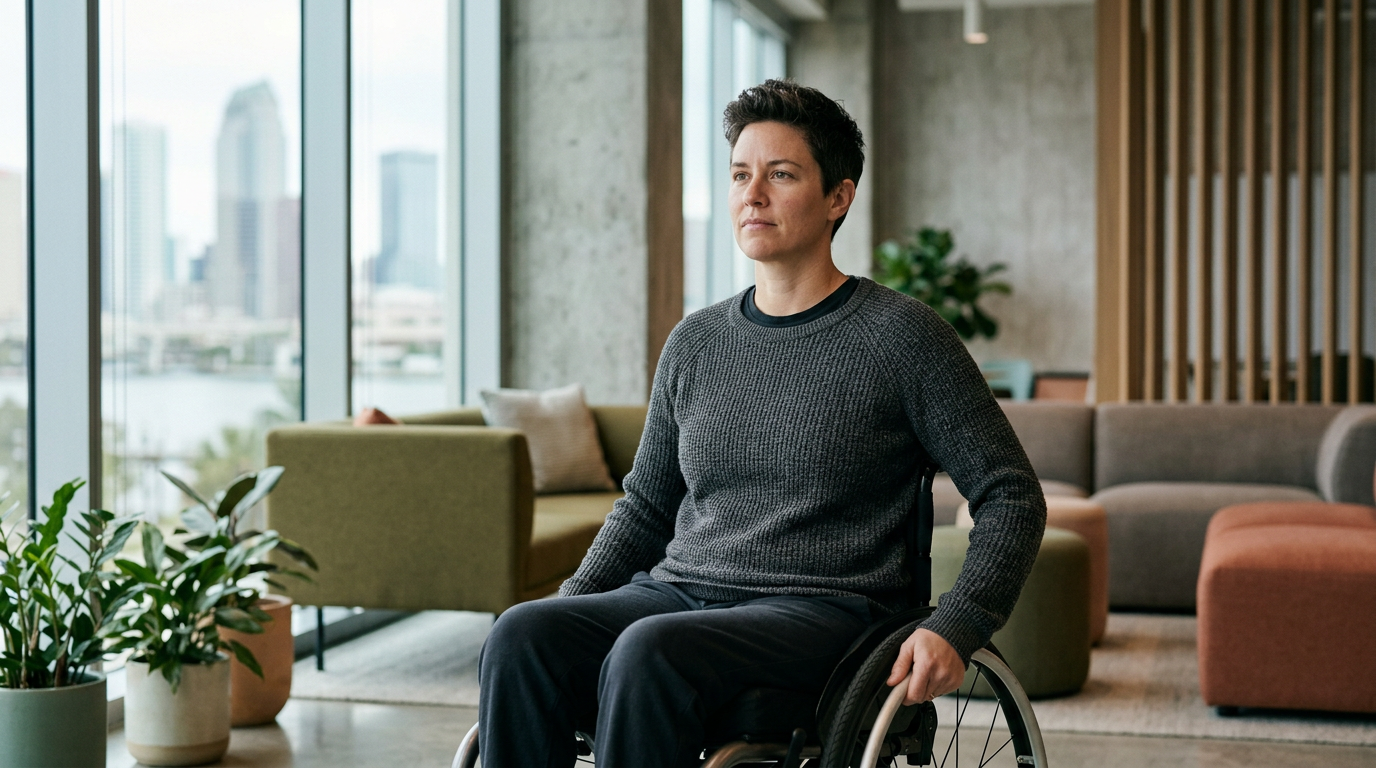
Catastrophic Injury · Tampa, Florida
When an Injury Changes Everything, You Deserve a Team That Fights for What Comes Next
CHG Personal Injury Lawyers represent people and families in Tampa facing life-altering injuries — spinal cord damage, paralysis, brain injuries, amputation, severe burns, and wrongful death. Talk with a licensed attorney about your options.
Why Families Turn to Our Firm
Bilingual
English & Spanish support
Nationwide
Cases handled across the U.S.
Florida Bar
Licensed, admitted attorneys
Free
No-cost case evaluation
By CHG Lawyers · Published August 09, 2026
Catastrophic Injury Claims in Tampa: Help for Life-Altering Injuries
If you or someone you love suffered a permanent, life-altering injury in the Tampa area, you may have a catastrophic injury claim against the person or company that caused it. These claims cover serious harm like paralysis, brain injury, amputation, and severe burns — and the families of those who died. Below, we explain how these cases work in Tampa and what you can do next.
If you're nearby, you can also explore our Florida and Orlando pages for more on how we help. Talk it through with our team — the first consultation is free, confidential, and carries no obligation.
When an Injury in Tampa Changes Everything
A catastrophic injury is one that permanently changes your life — it doesn’t fully heal, and it often needs lifelong care. This page is only about that kind of serious harm, not minor or routine injuries.
We know this is one of the hardest times your family will ever face. You may be sitting in a hospital hallway, unsure how you’ll pay the bills or care for someone you love. You deserve clear answers.
The injuries we handle include:
- Spinal cord injuries and paralysis (paraplegia and quadriplegia)
- Traumatic brain injury (TBI)
- Amputation and limb loss
- Severe burn injuries
- Catastrophic back and neck injuries
We also help families when the worst happens. A death is the most catastrophic outcome there is. If a loved one died in a crash or on unsafe property, your family may be able to file a wrongful-death claim. We handle these cases with care and respect, focused on what you can do next.
CHG Personal Injury Lawyers serves Tampa and the wider Tampa Bay area, and we take catastrophic cases nationwide.
How Catastrophic Injuries Happen in the Tampa Area
Most catastrophic injuries in Tampa come from high-force events like truck crashes, violent attacks on unsafe property, and medical negligence. The Tampa Bay area’s busy highways and heavy freight traffic add real risk.
Truck crashes on I-4, I-75, I-275, the Selmon Expressway, and the US-19 corridor can be devastating. A loaded semi weighs far more than a car. At highway speeds, the result is often a permanent injury or death — not a minor fender-bender.
Now consider a different situation. Say you were assaulted, shot, robbed, or attacked while at a Tampa apartment complex, a parking garage, a hotel, a bar, or a gas station. Maybe the gate was broken, the lights were out, the cameras didn’t work, or there were no guards where there should have been.
If a property owner failed to provide reasonable security and you got hurt because of it, that owner may be legally responsible. In plain terms, you may have a claim. The legal name for this is a negligent security claim.
Other catastrophic cases come from serious vehicle crashes and from medical negligence that causes permanent harm. Whatever the cause, the medical stakes are high. Tampa Bay is home to Level I trauma care, such as Tampa General Hospital, which treats the most severe injuries. We share that only as context for how serious these cases are — never as a place to seek a lawyer.
What Makes a Claim “Catastrophic” Under Florida Law
A claim is catastrophic when the injury is permanent and life-altering, not something you recover from in a few weeks. That difference changes everything about how the case is valued and handled.
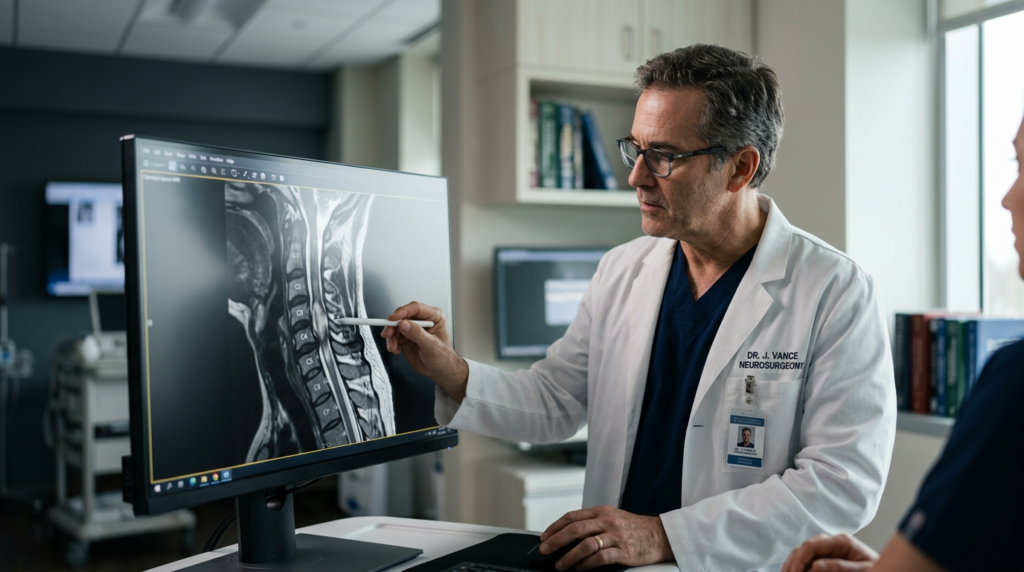
A sprain heals. A spinal cord injury may not. Mayo Clinic explains that a spinal cord injury can cause permanent loss of strength, sensation, and function below the injury site (Mayo Clinic). That’s the kind of harm we mean.
Because these injuries last a lifetime, the true cost is huge. It includes future surgeries, ongoing therapy, assistive equipment, home changes, and lost ability to work. That’s why these claims are so complex and so heavily contested.
Two Florida rules matter early. First, Florida uses modified comparative negligence (shared fault). Under Fla. Stat. §768.81, a person found more than 50% at fault generally recovers nothing. Second, there’s a deadline to file, called the statute of limitations. For most negligence claims that arose on or after March 24, 2023, that deadline is two years under Fla. Stat. §95.11.
Waiting can hurt your case. Evidence disappears and deadlines pass. It’s smart to act early. To learn more, see what is considered a catastrophic injury and what counts as a catastrophic injury. We can’t promise any result, but a free case evaluation helps you understand your own situation.
If you or a loved one were assaulted, shot, or attacked at an apartment complex, parking garage, hotel, bar, or store, the property owner may be responsible. Talk it through with our team — the first consultation is free, confidential, and carries no obligation.
Damages: What a Catastrophic Injury Claim May Recover
A catastrophic injury claim can seek money for both financial losses and human losses. The exact amount depends entirely on the facts of your case.
Economic damages cover the measurable costs:
- Past and future medical bills
- Long-term and in-home care
- Assistive equipment like wheelchairs and prosthetics
- Home and vehicle modifications
- Lost wages and lost future earning ability
Non-economic damages cover harm that has no receipt — physical pain, emotional suffering, and loss of enjoyment of life. When a family loses a loved one, a wrongful-death claim can address the loss of that person’s care, guidance, and companionship.
No honest lawyer can promise a number. Values turn on the injury, the evidence, and who’s responsible. To understand how these are weighed, read how much is a good settlement for pain and suffering and how much will I get from a settlement.
Why These Cases Need an Experienced Catastrophic Injury Team
Catastrophic cases are handled differently because the money at stake is lifelong, and insurers fight them hard. Strong evidence and expert planning make the difference.
These claims often require real investigation: crash reconstruction for truck wrecks, security records and camera footage for negligent security cases, and medical experts to explain the injury. Many need a life-care plan — a detailed estimate of every future cost — to show what care will really cost over a lifetime.
Spinal injuries are graded using a medical standard. The American Spinal Injury Association maintains the scale doctors use to classify severity (ASIA). National data on these injuries comes from the National Spinal Cord Injury Statistical Center, and paralysis prevalence figures are published by the Christopher & Dana Reeve Foundation. We build cases on facts like these.
Our attorneys are licensed and admitted to the Florida Bar, and we focus on serious injury and wrongful-death cases. We work on a contingency fee, which means you don’t pay attorney fees upfront — so cost shouldn’t stop you from talking to us. Learn more at our catastrophic injury claims hub and what is considered a catastrophic claim.
Talk to a Tampa Catastrophic Injury Lawyer — Free Case Evaluation
The next step is simple: contact us for a free, confidential case evaluation. There’s no cost to talk with our team, and you’re under no obligation.
We offer support in English and Spanish, so language shouldn’t be a barrier. Because Florida deadlines can end your right to file, reaching out early matters. If you’re nearby, you can also explore our Florida and Orlando pages for more on how we help.
Not sure what your next step is?
Talk it through with our team — the first consultation is free, confidential, and carries no obligation.
Frequently Asked Questions
What counts as a catastrophic injury under Florida law?
A catastrophic injury is one that causes permanent impairment or death, such as spinal cord injury, paralysis, brain injury, amputation, or severe burns.
How long do I have to file a catastrophic injury claim in Tampa?
For most negligence claims arising on or after March 24, 2023, Florida sets a two-year deadline under Fla. Stat. §95.11. Act early to protect your rights.
Can I still recover money if I was partly at fault?
Possibly. Florida uses shared fault, but under Fla. Stat. §768.81 a person more than 50% at fault generally recovers nothing.
Who is responsible if I was attacked at a Tampa apartment or parking garage?
If a property owner failed to provide reasonable security and you were hurt, that owner may be liable. This is called a negligent security claim.
How much does it cost to talk to a catastrophic injury lawyer in Tampa?
Nothing upfront. The case evaluation is free, and we work on a contingency fee.
Related practice areas
- Catastrophic Injury Claims in Florida
- Catastrophic Injury Claims in Orlando
- Tetraplegia
- Miami Car Accident Lawyer | What To Do Next
- Car Accidents in Florida: Your Rights & Legal Help
- Car Accidents in Florida: Your Rights & Next Steps
The Serious Cases We Handle
Spinal Cord Injuries & Paralysis
Injuries that cause paraplegia or quadriplegia and change how you live, work, and move for the rest of your life.
Traumatic Brain Injuries
TBIs that affect memory, cognition, behavior, and the ability to return to daily life.
Amputation & Limb Loss
The loss of a limb and the lifelong medical, mobility, and financial toll it brings.
Severe Burns & Catastrophic Back/Neck Injuries
Disfiguring burns and permanent spinal damage requiring extensive treatment and care.
Truck Accidents
Devastating crashes involving commercial trucks, where the injuries — or losses — are often catastrophic.
Attacks on Unsafe Property (Negligent Security)
If you or a loved one were assaulted, shot, or attacked at an apartment complex, parking garage, hotel, bar, or store, the property owner may be responsible.
Florida's Filing Deadline Has Changed
For most negligence claims arising on or after March 24, 2023, Florida now allows just two years to file (Fla. Stat. § 95.11(5)(a)). Deadlines can pass before you realize it. If you're unsure how much time you have, speak with an attorney as soon as possible.
Hurt on Someone Else's Property? You May Have a Claim
It Started With an Attack
Many people don't know the law until after something terrible happens — an assault, a shooting, or a violent robbery at a place that was supposed to be safe.
The Owner May Share the Blame
When a property owner fails to provide reasonable security — working locks and gates, lighting, cameras, or guards — and a foreseeable attack causes serious harm, they may be legally responsible.
This Is Called Negligent Security
The legal term is 'negligent security,' a type of premises liability claim. You don't need to understand the law to start — we'll explain how it applies to your situation.