

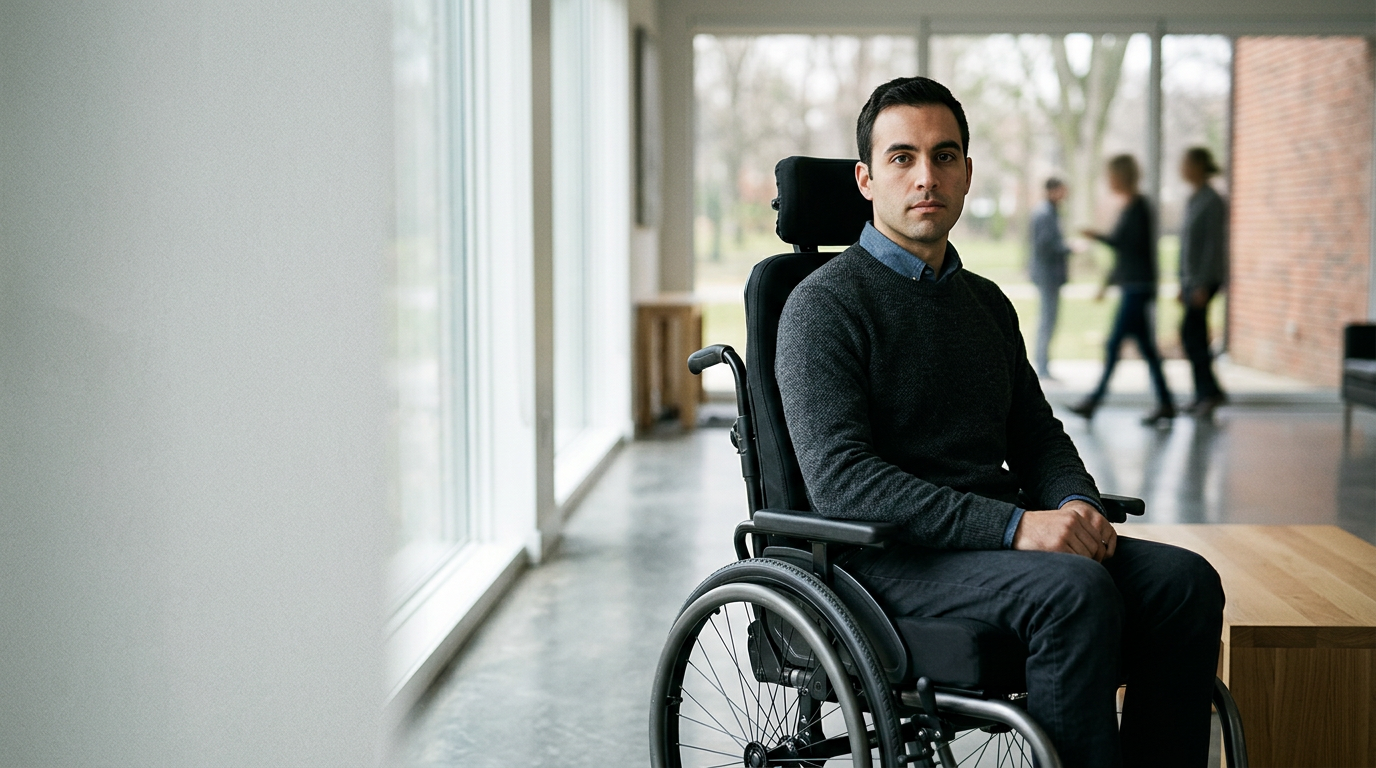
Catastrophic Injury Guide · Florida & Nationwide
What Counts as a Catastrophic Injury?
A plain-language guide to the serious, permanent injuries that change lives forever — and what makes them different from ordinary accidents.
By CHG Lawyers · Published July 20, 2026
What Counts as a Catastrophic Injury? A Plain-Language Guide

Not sure what your next step is?
Talk it through with our team — the first consultation is free, confidential, and carries no obligation.
What counts as a catastrophic injury?
A catastrophic injury causes permanent, life-altering harm. It is not an injury you fully recover from. It leaves lasting damage. It changes how you live, work, and care for yourself. Often it lasts the rest of your life.
No medical chart has a single line that reads “catastrophic.” Instead, doctors and lawyers look at how the injury really affects a person. Four signs show up again and again:
- The injury causes permanent disability.
- It takes away a body part or a body function you can’t get back.
- It requires medical care and support for the rest of your life.
- It stops you from returning to your job, your independence, or your daily routine.
Here is the simplest way to see the difference. Routine injuries heal. Catastrophic injuries change the rest of your life. A sprained wrist gets better in a few weeks. A spinal cord injury can mean you never walk again. It can also mean a spouse or parent becomes a full-time caregiver.
This page is educational and not legal advice. Every situation is different. If you or someone you love faces a serious injury, talk to a licensed attorney about your own facts.
What makes an injury “catastrophic” rather than routine
An injury is catastrophic when the harm is permanent and reshapes your independence. It is not catastrophic just because it hurts a lot at first. The lasting result matters far more than the first diagnosis.
We want to be honest about what does not belong on this list. That honesty helps you know where you stand. A simple broken bone that heals with a cast, a minor burn, a soft-tissue strain, or an ordinary fender-bender — these are real and painful. But they are not catastrophic injuries. They heal. Catastrophic injuries don’t.
The difference isn’t just a label. Catastrophic cases carry lifetime costs that ordinary claims never do. These include repeated surgeries, years of rehab, wheelchairs or prosthetics, home changes, and in-home care. Those needs are why these claims are proven, valued, and handled very differently from minor ones.
Examples of catastrophic injuries
The clearest examples share one trait: permanent impairment. These are the injuries our firm focuses on.
- Spinal cord injuries and paralysis. A spinal cord injury can cause permanent changes in strength, feeling, and body function below the injury. Its effects depend on where the damage is and how bad it is, per the Mayo Clinic. This can cause paraplegia (loss of function in the legs and lower body) or quadriplegia/tetraplegia (loss affecting all four limbs). Doctors rate how bad it is using the ASIA Impairment Scale from the American Spinal Injury Association. It grades an injury from A (complete) to E (normal).
- Traumatic brain injuries (TBI). A serious brain injury can cause lasting problems with memory, thinking, mood, speech, and movement. Others may not see these changes, but they are life-altering.
- Amputation and limb loss. Losing an arm, leg, hand, or foot permanently changes daily life, movement, and work.
- Severe burns. Deep (third- and fourth-degree) burns can cause scarring, disfigurement, nerve damage, and permanent loss of function.
- Catastrophic back and neck injuries. These are the serious spine injuries that cause permanent impairment. They are not a minor strain that heals.
For national context, the National Spinal Cord Injury Statistical Center (NSCISC) at the University of Alabama at Birmingham keeps the country’s largest database of spinal cord injury data. The Christopher & Dana Reeve Foundation publishes national figures on paralysis. Both are worth reading to understand what recovery and daily life can look like.
Is a broken arm considered a catastrophic injury?
Usually, no. A simple broken arm that heals is a serious but routine injury, not a catastrophic one. Most fractures mend with a cast, time, and physical therapy. Then you return to normal life.
But a bone injury can become catastrophic when the result is permanent. That happens when the break leads to lasting nerve damage, permanent loss of use of the limb, a severe crush injury, or an amputation. In those cases, the harm no longer heals. It stays.
The test is always the lasting result, not the label on the X-ray. Two people can break the same bone. One recovers fully. The other loses the use of a hand forever. Only the second injury is catastrophic.
Is PTSD considered a catastrophic injury?
Sometimes. Psychological harm can be severe, lasting, and truly disabling. Whether it counts as catastrophic depends on how severe and permanent it is. Trauma is not “just in your head.” The Mayo Clinic describes post-traumatic stress disorder as a condition that can involve flashbacks, severe anxiety, and intrusive thoughts. These can interfere with daily life for months or years.
PTSD often appears alongside catastrophic physical injuries. It is especially common after violent events, like being attacked, robbed, or shot on someone else’s property. A person may survive the physical wounds. Yet they may still struggle for years with fear, sleeplessness, and depression that keeps them from working.
Every case is different. We can’t tell you whether your PTSD will be treated as catastrophic. That is general information, not a diagnosis or a promise. A treating clinician documents how severe it is. A lawyer can explain how that record may fit into a claim.
Have questions about what happened?
Ask our team directly. The first conversation is free, confidential, and there is no obligation to continue.
How injury severity is generally described
Injury severity is often described on a simple scale: minor, moderate/serious, and severe/catastrophic. Catastrophic injuries sit at the most severe end. There, the harm is permanent.
- Minor. Cuts, bruises, and sprains that heal fully.
- Moderate or serious. Injuries that hurt and need real recovery time but usually heal. Many fractures fit here.
- Severe or catastrophic. Permanent, life-altering damage such as paralysis, TBI, amputation, or severe burns.
This is a general framework, not a strict legal formula. Courts and doctors don’t rely on one fixed test. What matters most is whether the injury leaves permanent, disabling effects.
How catastrophic injuries commonly happen
Catastrophic injuries most often come from high-force events, like serious crashes and violent attacks. In these events, the body absorbs more force than it can withstand.
Truck crashes and serious collisions. A large commercial truck can weigh far more than a passenger car. Federal limits allow loaded tractor-trailers up to 80,000 pounds. When that weight strikes a car, the people inside can suffer spinal cord and brain injuries. Motor vehicle crashes are among the leading causes of spinal cord injuries, per the Mayo Clinic.
Being attacked on someone else’s property. Suppose you were assaulted, robbed, shot, or sexually assaulted. Maybe it happened at an apartment complex, a parking lot or garage, a hotel, a bar or nightclub, a gas station, or a store. Say the property owner failed to provide reasonable security — working locks and gates, good lighting, working cameras, or guards. Then you may have a claim against that owner for the harm you suffered. In legal terms, this kind of case is called negligent security. You don’t need to know that phrase to have a case. You only need to describe what happened to you.
Other causes include serious falls, workplace and construction accidents, and medical negligence. In the cases our attorneys handle, these events often leave a family scrambling to understand what happened and who is responsible.
Why the catastrophic label matters for your situation
The label matters because it changes the whole scope of a claim. It affects the money at stake, the proof required, and the people involved.
Catastrophic cases involve lifelong medical care, lost earning ability, home changes, and long-term support. Proving those future needs is real work. These claims often rely on expert testimony. That includes treating physicians, life-care planners, and economists who calculate what a lifetime of care will cost.
The impact reaches the whole family. A parent may stop working to give care. Children’s routines change. Marriages carry new strain. A well-built claim accounts for all of it, not just the emergency-room bill.
Two Florida rules matter a great deal here. Generic national guides often skip them:
- The filing deadline. Under Fla. Stat. §95.11, most negligence claims in Florida must generally be filed within two years. Miss it, and the claim can be lost, no matter how serious the injury is.
- Comparative fault. Under Fla. Stat. §768.81, a person found more than 50% at fault generally cannot recover damages. Any recovery is reduced by the injured person’s share of fault.
In the meantime, save what you can: medical records, bills, photos of injuries and the scene, and the names of witnesses.
Talk to a lawyer about your specific injury
Not sure whether your injury counts as catastrophic? The clearest next step is to speak with a lawyer about your own facts. A short conversation can bring real clarity.
CHG Personal Injury Lawyers is a Florida-based firm with licensed attorneys admitted to The Florida Bar. We focus on catastrophic, life-altering injuries and take cases nationwide. Your first case evaluation is free and comes with no obligation. You can contact us here.
To learn more, read our main guide on catastrophic injury claims.
Want to know where you stand?
Tell us what happened and our team will walk you through the options available to you, at no cost.
Frequently Asked Questions
What counts as a catastrophic injury?
A catastrophic injury causes permanent, life-altering harm. Examples include paralysis, traumatic brain injury, amputation, or severe burns. Routine injuries heal. Catastrophic injuries change your life for good.
What are examples of catastrophic injuries?
Spinal cord injuries, paralysis (paraplegia and quadriplegia), traumatic brain injuries, amputation or limb loss, severe burns, and catastrophic back or neck injuries.
Is a broken arm a catastrophic injury?
Usually no, because most broken arms heal fully. It can become catastrophic only if it causes permanent nerve damage, permanent loss of use, or an amputation.
Is PTSD a catastrophic injury?
It can be, when the psychological harm is severe and lasting. PTSD often follows catastrophic physical injuries or violent attacks. Its severity is judged case by case.
How long do I have to file a catastrophic injury claim in Florida?
Most negligence claims must generally be filed within two years under Fla. Stat. §95.11. Deadlines vary by case, so talk to a lawyer promptly.
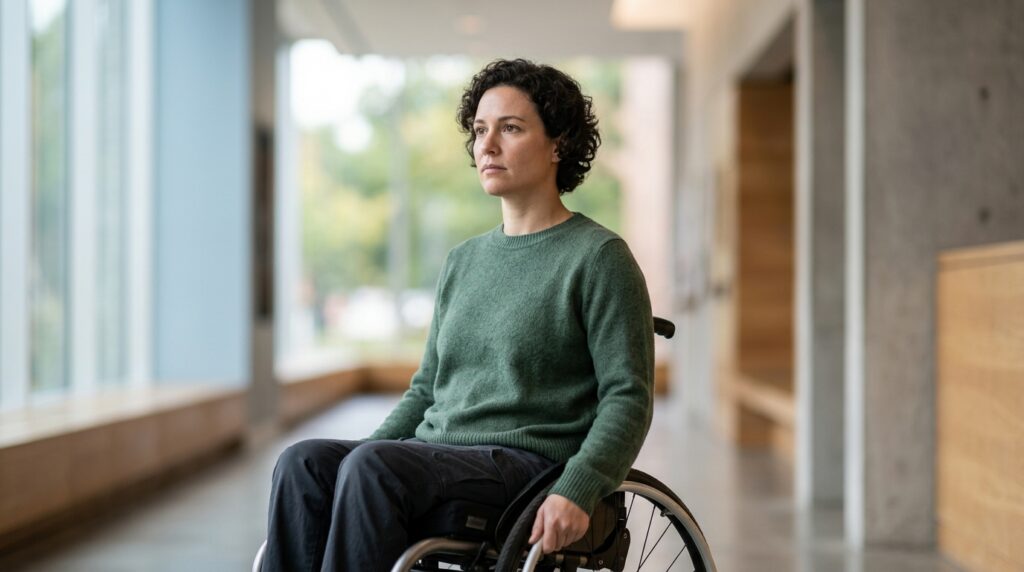
Related practice areas
Not sure if your injury qualifies?
If a doctor has told you or your loved one that the harm is permanent — lasting paralysis, brain damage, a lost limb, or scarring that won't heal — it may be considered catastrophic. When you're unsure, the safest step is to ask a licensed attorney before deadlines pass.
Common Types of Catastrophic Injuries
Spinal Cord Injuries & Paralysis
Damage to the spinal cord can cause paraplegia or quadriplegia — permanent loss of movement or feeling. These injuries often require lifelong care, mobility equipment, and home modifications.
Traumatic Brain Injuries (TBI)
A serious blow to the head can permanently affect memory, speech, movement, and personality. Even 'invisible' brain injuries can be life-altering for the injured person and their family.
Amputation & Limb Loss
Losing an arm, leg, hand, or foot — whether in the accident or through surgery afterward — brings lasting physical and emotional impact and ongoing costs for prosthetics and rehabilitation.
Severe Burns & Catastrophic Back/Neck Injuries
Deep burns causing permanent scarring or disfigurement, and severe back and neck injuries with lasting impairment, are among the injuries we help families understand and pursue claims for.
How These Injuries Happen
Truck Accidents
Crashes involving large commercial trucks can inflict catastrophic force, leaving survivors with permanent, life-changing injuries.
Attacks on Unsafe Property
If you were assaulted, shot, robbed, or attacked at an apartment complex, parking garage, hotel, or business, and the owner failed to provide reasonable security — working locks, lighting, cameras, or guards — you may have a claim against that property owner. This is known as negligent security.
Serious Accidents & Medical Negligence
Other severe accidents and mistakes by medical providers can also cause permanent impairment or wrongful death that upends a family's life.
Why Families Turn to CHG Personal Injury Lawyers
Licensed Attorneys
Our team includes attorneys admitted to the Florida Bar, focused on serious, permanent-injury cases.
Focused on Catastrophic Cases
We concentrate on life-altering injuries — spinal cord injuries, TBI, amputations, severe burns, and more.
Bilingual Support
We publish and communicate in both English and Spanish so every family can understand their options.
Cases Nationwide
Based in Florida and serving families across Miami, Orlando, Tampa, Jacksonville, and beyond.