
Car Accident Injuries | Serving Florida
Ulnar Nerve Injury From a Car Accident in Florida: Understanding Your Legal Options
A nerve injury can change how you use your hand, work, and care for your family. Here is a plain-language guide to what to document, what questions to ask, and how a Florida personal injury attorney can help you review your options.
Ulnar Nerve Injury After a Car Accident in Florida
An ulnar nerve injury from a car accident may support a compensation claim in Florida. A diagnosis alone does not show how much a nerve injury will affect a person’s life. That depends on how badly the nerve is damaged, whether the damage is permanent, and how it affects work and daily life. This guide explains those factors in plain language. It is general information, not legal advice about your specific facts.
Not sure what your next step is?
Talk it through with our team — the first consultation is free, confidential, and carries no obligation.
Why an Ulnar Nerve Injury After a Crash Deserves Careful Attention
Early medical care and careful records matter most when a crash affects the arm or hand. Maybe you were the one hurt. Maybe you’re a spouse, adult child, or caregiver helping someone you love. Either way, the situation is stressful and unexpected, and the questions pile up fast.
Hand and arm symptoms can seem minor at first. Many people wait to see whether the numbness fades. Nerve injuries can be lasting, though. A long wait can leave a gap in the medical record, and insurers may point to that gap later.
An injury to the hand can change everyday life. It can affect how you grip a steering wheel, write, button a shirt, or lift a child. This page answers common compensation questions in plain language. It is educational only. It cannot promise any result or tell you what your case is worth.
What the Ulnar Nerve Does and How a Car Accident Can Injure It
The ulnar nerve controls feeling in the ring and little fingers. It also powers several small hand muscles. A crash can injure it in more than one way.
The nerve runs from the neck, down the inner arm, past the elbow, and into the hand. It helps you pinch, grip, and spread your fingers. Those small movements add up to a lot of daily function.
In a crash, the arm can strike the door, dashboard, or steering wheel. A blow to the inner elbow can hurt the nerve. So can a fracture near the elbow or wrist, or an arm that is stretched or pinned during impact. Forces that strike the neck can also affect nerves that travel into the arm.
Swelling or bleeding after trauma can add pressure. At the elbow, the nerve passes through a narrow channel called the cubital tunnel. Pressure there can cause symptoms. Only a physician can confirm which part of the nerve is involved and why.
Nerve Entrapment Explained: Symptoms to Report to Your Doctor
Nerve entrapment means a nerve is squeezed or pinched. It can cause numbness, tingling, and weakness. It is different from a nerve being cut or stretched, and a single crash can cause more than one of these.
Swelling, bone, or tight tissue can compress a nerve. Trauma is only one possible cause. Inflammation and other health conditions can also cause hand pain, so a physician needs to sort out the source.
Tell your doctor about these symptoms:
- Numbness or tingling in the ring and little fingers
- Weak grip or trouble pinching small objects
- Dropping things, such as cups or keys
- Clumsiness with buttons, writing, or a phone
- Pain at the inner elbow or an ache along the forearm
Don’t rely on online self-tests to diagnose yourself. A physician performs the exam and orders any testing. Nerve conduction studies and electromyography (EMG) are common tests that measure how the nerve and muscles respond. Describe when symptoms started and how they have changed. Those details help both your care and your claim.
Proving the Injury: Medical Records, Testing, and Causation
A claim generally needs medical records that connect the nerve symptoms to the crash. That link is called causation. Medical records also show the timeline of your recovery.
Useful records include the emergency visit, the physician’s notes, test results, and imaging such as X-rays or MRI. Imaging can look for fractures or soft tissue damage. Surgical records matter too, if surgery was needed.
Insurers look closely at gaps. A long break in treatment, a delay in reporting symptoms, or an earlier elbow or neck problem can all be questioned. Be honest with every provider about past injuries. A complete history is easier to explain than a surprise later.
Florida law also lets insurers request their own exams in some situations. The insurer pays for that exam.
Florida also sets a standard for pain and suffering damages. Under Fla. Stat. § 627.737, a defendant can ask the court to rule on whether the plaintiff can meet that standard. The court does this 30 days before trial or a pretrial hearing, whichever comes first. A strong early record matters for this reason.
What Shapes an Ulnar Nerve Injury Car Accident Claim
The outcome of an ulnar nerve injury car accident claim depends on the facts of each case and on applicable Florida law. No fixed amount applies to every claim. The main factors include:
- How severe the nerve damage is
- Whether the damage is temporary or permanent
- Whether surgery was needed
- How much hand function was lost
- How long recovery takes and what treatment remains
Whether an injury is considered permanent can be an important question in an injury claim, and the answer depends on the facts and applicable Florida law. Under Fla. Stat. § 627.737(2), in a tort action against the owner, registrant, operator or occupant of a motor vehicle for which the required no-fault security has been provided, damages for pain, suffering, mental anguish and inconvenience may be recovered only if the injury consists in whole or in part of one of four listed categories: significant and permanent loss of an important bodily function; permanent injury within a reasonable degree of medical probability, other than scarring or disfigurement; significant and permanent scarring or disfigurement; or death.
Medical bills are handled under their own rules. Under Fla. Stat. § 768.0427, evidence of past treatment that has already been paid is limited to the amount actually paid.
A number quoted online may not match your facts. Treat any average with caution.
Have questions about what happened?
Ask our team directly. The first conversation is free, confidential, and there is no obligation to continue.
Lost Income, Daily Life, and Future Care
Hand and arm injuries can reduce work ability and daily function. Both can be part of a claim when they are documented.
Grip strength and fine motor control matter in many jobs. Trades, healthcare, office work, retail, and driving all depend on them. If you cannot do your job the way you did before, your employer and physician should record that change. Records of missed work, reduced hours, or a changed role help show lost income.
Daily life counts too. Cooking, dressing, typing, and caring for children can become much harder. A simple symptom journal helps. Write down your pain level, tasks you could not finish, and times you needed help. Be specific and keep it up each day.
Future care may also be part of a claim when a physician supports it. That can include therapy, medication, or surgery. Ask your doctor to explain expected future care in writing.
Florida Rules That Affect a Car Accident Claim
Florida rules on injury coverage, shared fault, and filing deadlines can all affect a crash claim. Each one works differently, so it helps to know the basics.
Florida requires personal injury protection (PIP) coverage. Fla. Stat. § 627.736 governs those required benefits. PIP can help with certain benefits after a crash. Some claims can go beyond PIP, depending on the injury and the standards in § 627.737.
Florida also uses a shared-fault rule. Florida’s comparative fault rules, found in Fla. Stat. § 768.81, can reduce a recovery by the injured person’s share of fault. Florida’s comparative fault statute, § 768.81(6), provides that a claimant found more than 50% at fault may not recover damages in a negligence action. This rule was enacted in 2023 (HB 837) and applies to actions filed after its March 24, 2023 effective date. It does not apply to medical negligence actions under chapter 766. Whether it affects a particular claim depends on the facts and applicable Florida law, so please speak with a lawyer.
Deadlines matter too. Florida sets time limits for filing lawsuits under Fla. Stat. § 95.11. Missing a deadline can end a claim. Don’t let the months pass while you wait to see how the arm recovers.
This is general information, not legal advice on your facts. Your own situation may follow different rules.
How Fault and Insurance Limits Affect What Can Be Recovered
What you can recover depends on who was at fault and how much insurance is available. Both questions shape the outcome in ways you can start to document now.
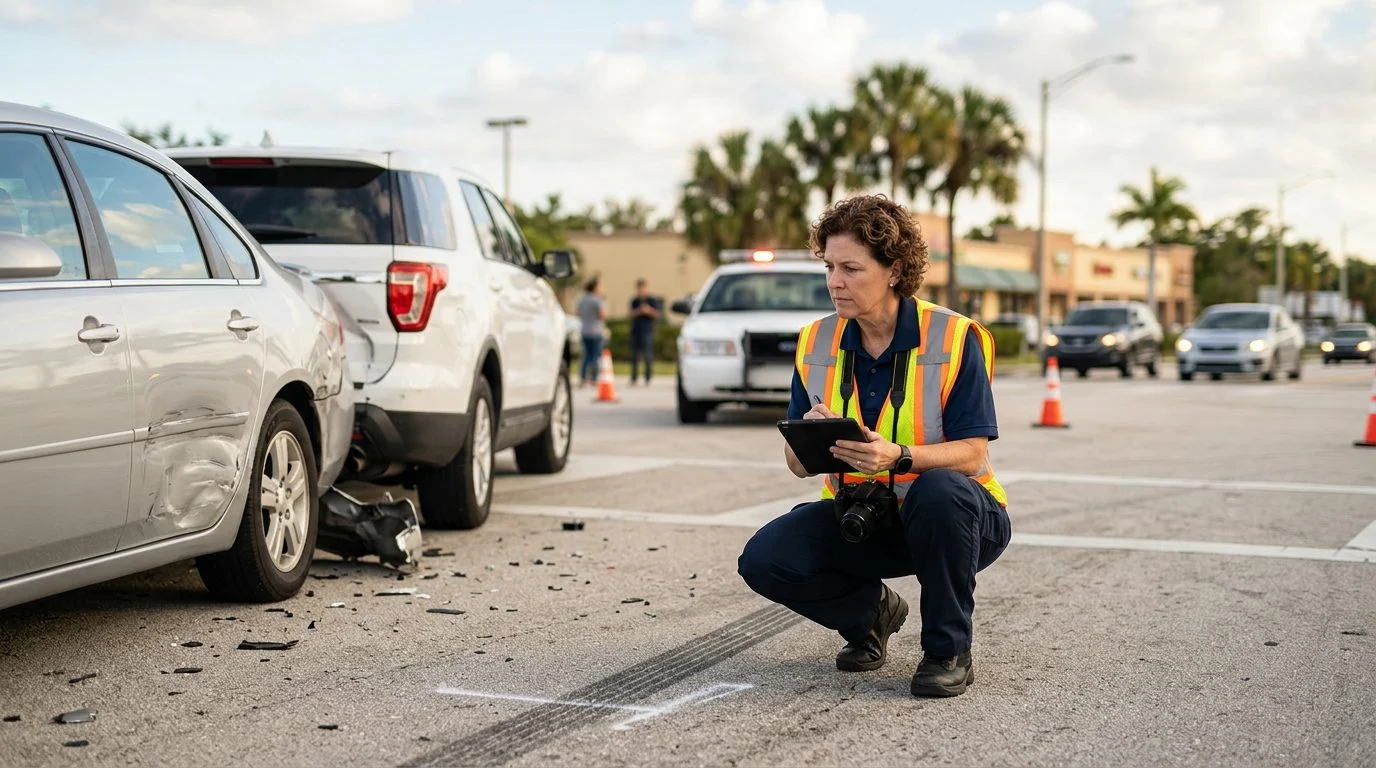
Gather evidence while memories are fresh. Useful items include the police report, photos of the vehicles and scene, witness names and phone numbers, and your own written account of what happened. Vehicle damage can also help show how the impact occurred.
Insurance limits set a ceiling. The at-fault driver’s liability coverage has a limit. Your own uninsured or underinsured motorist coverage may also apply. Under Fla. Stat. § 627.4137, a liability insurer must provide a sworn statement within 30 days of your written request. That statement lists the insurer’s name, each insured, the coverage limits, and a copy of the policy.
If a settlement would not fully cover your claim, the rules change. Those insurers then have 30 days to respond.
Insurers may make early offers. Before you accept any payment, make sure you understand the full scope of your injury. Early money can come before the complete picture is clear.
Living With Symptoms While Your Claim Is Pending
While a claim is pending, the most useful steps are following your doctor’s plan and recording your symptoms. Daily comfort matters too.
Many people with ulnar symptoms wake with numb fingers. Ask your doctor about safer sleep positions. Ask whether a night support is right for you. Avoid keeping the elbow bent for long periods, but only if your physician agrees. Use any brace or support only as your treating doctor recommends.
Keep every appointment and follow the treatment plan. Report new, worsening, or spreading symptoms right away. Call your doctor the same day if you notice new weakness or sudden dropping of objects.
Keep organized records. Save receipts for prescriptions, mileage to appointments, and time-off records. Keep pay stubs and any letters from insurers together. Your symptom journal belongs with these papers.

Want to know where you stand?
Tell us what happened and our team will walk you through the options available to you, at no cost.
Questions to Bring to a Free Case Evaluation
A free case evaluation is a chance to talk through your facts with CHG Personal Injury Lawyers, a Florida personal injury firm. It helps to bring the basics. Gather these items before you meet:
- The date and location of the crash
- Every medical provider you have seen
- Test results and imaging reports you have received
- Your work status and any wage records
- Auto and health insurance information
- Any letters or calls from insurers
CHG Personal Injury Lawyers focuses on serious injury and catastrophic claims. It serves people across Florida, including Miami, Orlando, Tampa, and Jacksonville. CHG charges no attorney’s fees and no case costs unless there is a recovery.
What Factors Can Affect an Ulnar Nerve Injury Claim in Florida?
There is no fixed amount for this injury. The value depends on the medical facts, whether the injury is permanent, and how it affects your life and work.
Can I still recover if I was partly at fault?
Under Florida law, a claimant’s share of fault can affect how much may be recovered, and how the rules apply depends on the facts and applicable Florida law.
How long do I have to file?
Florida sets deadlines for filing injury lawsuits, and missing one can affect or end a claim, depending on the facts and applicable Florida law.
If the numbness in your ring and little fingers is changing how you work and live, you don’t have to figure out the next step alone. Start with a free case evaluation and we can talk through your situation.
How CHG Personal Injury Lawyers Can Help
Listen First
We take time to understand how the crash happened, what you have been told by your doctors, and how the injury affects your daily life.
Organize Your Records
We help you gather medical records, imaging, treatment notes, and proof of lost work so your situation is clearly documented.
Focus on Your Recovery
Our team handles the legal work so you can concentrate on your health, your family, and your return to everyday life.
Important: Keep Up With Your Medical Care
Numbness, tingling, or weakness in the hand can change over time. Follow your doctors' care plan, attend every follow-up visit, and tell your providers about every symptom. This page is general information and is not medical advice.
Questions to Think About After a Crash
What did the doctors find?
Ask for copies of your diagnosis, nerve testing results, and imaging reports. Your medical records are central to any review of your injury.
How has it affected your work?
Note any time missed from work, changes in job duties, or tasks you can no longer do, such as gripping, typing, or lifting.
What daily tasks have changed?
Keep a simple journal of activities like dressing, cooking, driving, or caring for children. Clear notes help show how the injury affects your life.
When should you call a lawyer?
Deadlines apply to these claims, and early review helps protect your options.