
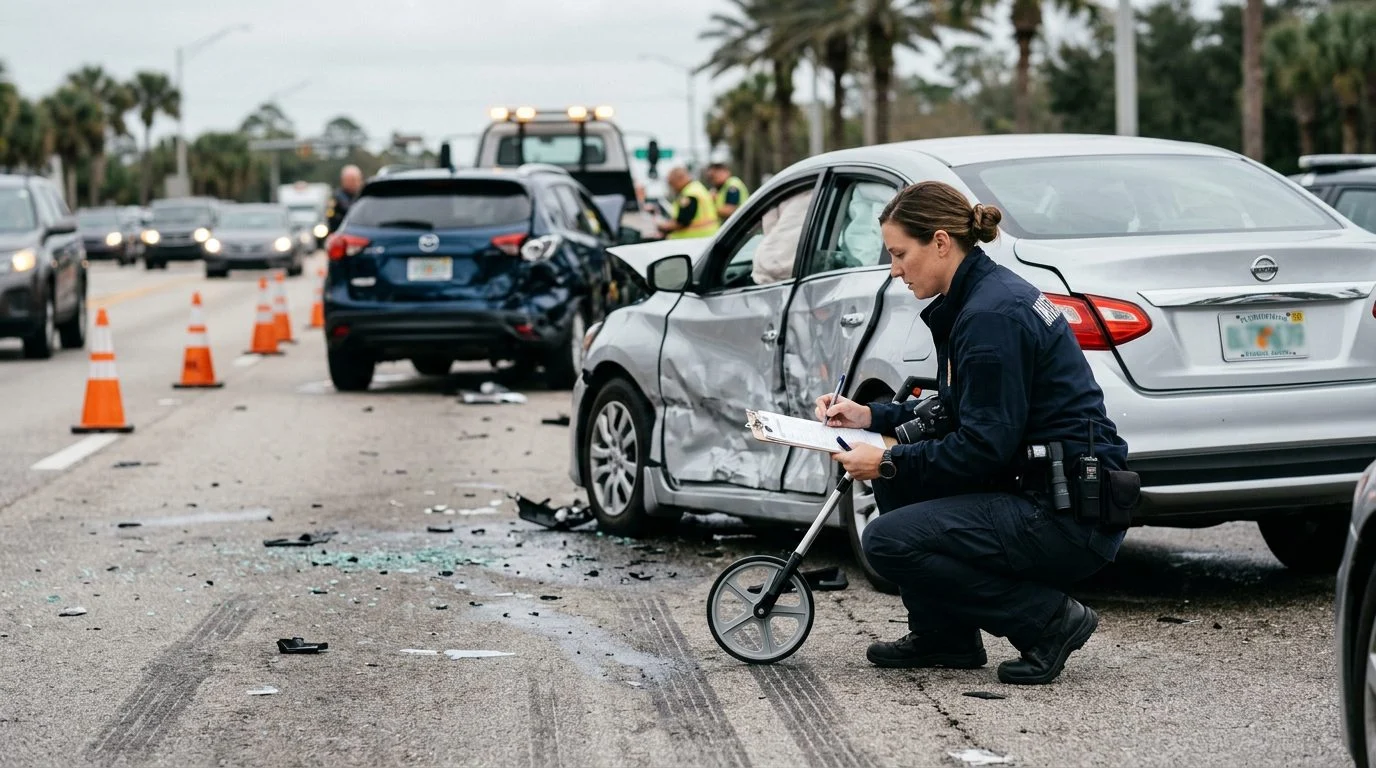
Car Accident Injuries | Serving Florida
Hurt Inside, Not Just Outside? Emotional Injuries From a Car Crash Can Matter
Nightmares, flashbacks, and fear of driving can follow a serious crash. CHG Personal Injury Lawyers, a Florida-based firm, helps injured people and their families understand whether PTSD after a car accident may be part of their claim.
Why Florida Families Contact CHG
Florida
Florida-based firm serving clients throughout the state
Licensed
Attorneys admitted to The Florida Bar
Free
Confidential first consultation, no obligation to continue
By CHG Lawyers · Published November 1, 2026
Can I get compensation for PTSD after a car accident? You may be able to seek compensation for PTSD after a car accident in Florida. Emotional harm from a crash can be part of an injury claim.
The outcome depends on the facts, the medical proof, and Florida law. No one can promise a result in advance.
This page explains the process in plain words. It is written for the person who was hurt and for family members who are helping them.
Recognizing PTSD After a Car Crash
PTSD means post-traumatic stress disorder. It is a condition that can develop after a frightening event, such as a serious crash.
It can affect people who had no broken bones or other visible injuries.
PTSD symptoms are commonly grouped into four types:
- Intrusive memories, such as flashbacks or nightmares about the impact
- Avoidance, such as refusing to drive or ride in a car
- Negative changes in thinking and mood
- Changes in physical and emotional reactions, such as startling at horns or brakes
Symptoms can appear days, weeks, or even months later. A delayed start does not mean the crash did not cause the condition.
If you notice these changes, follow your doctors’ care. This page does not replace a medical evaluation.
Not sure what your next step is?
Talk it through with our team — the first consultation is free, confidential, and carries no obligation.
Can I Get Compensation for PTSD After a Car Accident in Florida?
Yes. Emotional harm can be part of a Florida injury claim. Several factors can shape how a claim is evaluated:
- The crash must have caused it.
- A qualified clinician must document it.
Florida law allows damages for “pain, suffering, mental anguish, and inconvenience” only in limited cases. These cases are tied to a specific type of injury. See Fla. Stat. § 627.737.
Key points to understand:
- A clinician makes the PTSD diagnosis. A lawyer does not.
- The legal question is whether the crash caused the condition.
- Emotional harm alone may not meet Florida’s threshold rules. The type of injury matters.
What a PTSD Claim Can Cover
A PTSD claim can cover money losses and changes to daily life caused by the crash. Typical categories include:
- Mental health care, such as therapy, psychiatric evaluation, and doctor-prescribed medication
- Other medical costs tied to the crash, including physical injuries that often come with trauma
- Lost wages when symptoms keep someone out of work or cut their hours
- Pain and suffering, such as fear, sleep loss, and changes to family and social life
- Out-of-pocket costs, such as rides to appointments and help at home during recovery
Supporting records can help illustrate each type of loss a person describes. No dollar amount can be promised in advance.
Florida Rules That Shape a PTSD Claim
Florida handles car injuries in two layers.
The first layer is no-fault coverage. Florida requires Personal Injury Protection (PIP) coverage. PIP is a type of no-fault insurance. This means it pays certain bills no matter who caused the crash. It can pay some medical bills and lost income after a crash.
The Florida Motor Vehicle No-Fault Law sets out these rules. PIP benefits follow the rules in Fla. Stat. § 627.736.
The second layer is the claim against an at-fault driver. This claim covers pain and suffering. A threshold injury is a serious injury that the law requires before pain and suffering can be claimed. Under § 627.737, pain and suffering damages are recoverable only if the injury consists in whole or in part of a significant and permanent loss of an important bodily function, a permanent injury other than scarring or disfigurement, significant and permanent scarring or disfigurement, or death. See § 627.737.
Under that section, the injury must include one of these:
- A significant and permanent loss of an important bodily function
- A permanent injury within a reasonable degree of medical probability, other than scarring or disfigurement
- Significant and permanent scarring or disfigurement
- Death
Florida sets filing deadlines in its limitations statute, § 95.11. A filing deadline is the last day you can file a lawsuit. These deadlines can be short.
Contact a lawyer promptly so you do not lose time.
Have questions about what happened?
Ask our team directly. The first conversation is free, confidential, and there is no obligation to continue.
How PTSD Is Documented and Proven
Strong records make the link between the crash and the condition easier to see. Focus on these records:
- An early medical visit after the crash, with symptoms written down as you report them
- Ongoing treatment notes from psychologists, psychiatrists, counselors, and primary care doctors, including the diagnosis and treatment plan
- Pharmacy and billing records that show treatment and medication
- A personal journal of symptoms, sleep, panic episodes, and activities you can no longer do
- Statements from family, coworkers, or friends who noticed changes in mood, behavior, or work
- Testimony from treating clinicians, when needed, who can explain how the crash caused the condition
Common Challenges and How They Are Handled
Insurers often push back on emotional injury claims. They may argue that:
- Symptoms were already there before the crash
- Symptoms are not related to the crash
- Symptoms are exaggerated
Medical records from before and after the crash help answer these points.
Gaps in treatment can also weaken a claim. Keeping appointments and following your doctor’s plan protects your record.
Delayed symptoms are another challenge. Clinicians can document when symptoms began and how they changed over time.
Be careful with recorded statements to an insurance adjuster. An adjuster is the insurance company’s representative who reviews your claim. Those words can be used later.
Talking with a lawyer before giving a recorded statement can help protect your claim.
Steps to Take Now to Protect Your Rights
Start with these steps:
- Get a medical evaluation. Tell your doctor about emotional symptoms, not only physical injuries.
- Follow the treatment plan your doctors recommend.
- Keep every bill, receipt, pharmacy record, and PIP-related document.
- Write down how symptoms affect work, sleep, driving, and family life.
- Keep photos, the police report, and witness contact information.
CHG Personal Injury Lawyers offers a free, confidential first consultation with no obligation to continue. The firm charges no attorney’s fees and no case costs unless there is a recovery.
Frequently Asked Questions
Can I get compensation for PTSD after a car accident in Florida?
Possibly. Emotional harm can be part of a Florida claim. The crash must have caused it. A qualified clinician must document it.
Do I need a physical injury to claim PTSD?
Not always. Florida’s threshold rules in § 627.737 limit when pain and suffering can be recovered. The facts decide how those rules apply.
What happens when someone goes into shock after a trauma?
Shock is a common reaction to a frightening event. It often passes. Follow your doctors’ care. Seek medical attention if symptoms persist.
Is it normal to feel bad after a car accident?
Yes. Fear, sleep trouble, and jumpiness are common after a crash. Symptoms that last or get worse deserve medical attention.
How long can PTSD last after a car accident?
The timeline varies from person to person. It depends on treatment. Review ongoing symptoms with your doctor.
Igor Hernandez is the responsible attorney for this page. If flashbacks or fear of driving have followed your crash, you may have a claim for pain and suffering.
That claim applies only if your injury includes a listed injury. Examples include a significant and permanent loss of an important bodily function, or death.
Our team can talk it through with you at no cost.
Contact CHG Personal Injury Lawyers at chglawyers.com/contact-us.
Want to know where you stand?
Tell us what happened and our team will walk you through the options available to you, at no cost.
How We Can Help
Plain-Language Answers
We explain how Florida law may treat emotional injuries like PTSD, without legal jargon, so you can make informed decisions.
Support for Your Family
Our team understands that a crash affects the whole household, and we keep families informed at every step.
Organized Case Review
We review your medical, crash, and treatment records to see how the accident may have affected your mental health.
Focus on Your Recovery
We work to make sure your claim reflects the full impact of the crash, including the care you need to heal.
Get Medical Care First
Follow your doctors' recommendations and see a qualified mental health clinician if symptoms continue. Keep notes about your symptoms and appointments. If you or someone you love is in crisis, call or text 988 (Suicide & Crisis Lifeline) right away.
What to Keep After a Crash
Medical and Mental Health Records
Keep copies of emergency visits, therapy notes, and prescriptions, and ask your providers to document your symptoms.
Crash Documentation
Save the police report, photos of the scene and vehicles, and insurance correspondence.
A Simple Symptom Journal
Write down nightmares, flashbacks, sleep changes, and situations that trigger anxiety, along with dates.
Witness and Contact Information
Note names and phone numbers of anyone who saw the crash or saw how it changed your daily life.