

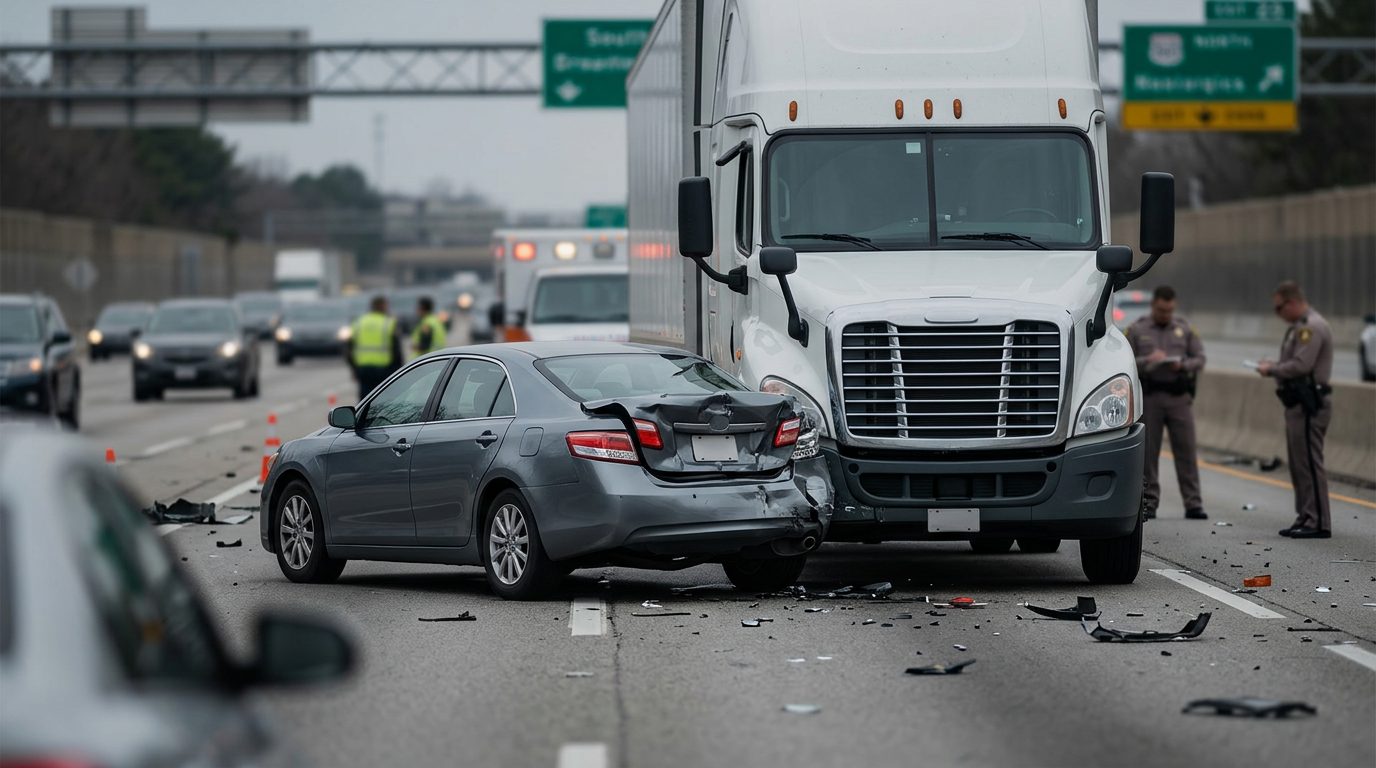
Car Accident Lawyer
Rear-Ended? We Help You Recover
A rear-end collision can cause serious injury—whiplash, spinal damage, traumatic brain injury, and more. You shouldn't bear the cost. Get a free case evaluation from CHG Personal Injury Lawyers.
By CHG Lawyers · Published September 07, 2026
Rear-End Accident Lawyer: Your Rights After Being Hit From Behind
If you’ve been rear-ended, the driver who hit you is almost always legally responsible. That driver must keep a safe distance and control their vehicle. Understanding your rights and taking the right steps matters.
This guide explains rear-end accidents, liability, injuries, and when you need legal help.
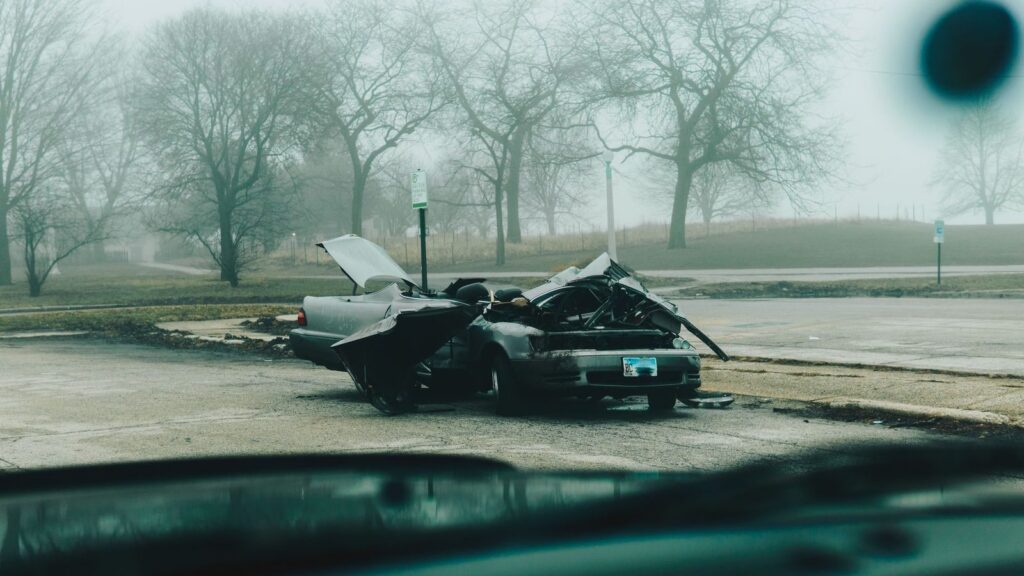
If you've been rear-ended and are dealing with injuries, medical bills, or confusion about your rights, reach out. Talk it through with our team — the first consultation is free, confidential, and carries no obligation.
What Is a Rear-End Accident?
A rear-end accident happens when one vehicle crashes into the back of another. These collisions are among the most common car accidents in the United States. They range from minor fender-benders to severe crashes causing serious injury or death.
The rear driver has a clear legal duty to avoid hitting you. That duty makes liability straightforward in most cases.
Who Is at Fault in a Rear-End Accident?
The driver who hits you from behind is almost always liable. They must keep a safe following distance and control their vehicle. The rear driver must stop safely, even if the front vehicle stops suddenly. Florida presumes the rear driver was negligent, but the presumption can be rebutted and fault can be shared.
This applies no matter why the front vehicle stopped—traffic, a red light, a pedestrian, or a sudden brake.
Rare exceptions exist. If the front vehicle has a broken brake light, reverses into traffic, or stops illegally, the front driver might share some fault. But the rear driver’s duty to maintain distance still applies.
Under Florida Statute §768.81, Florida follows comparative negligence. This means even if you are found 10% or 20% at fault, you can still recover damages. You must not be more than 50% responsible. Your compensation is reduced by your percentage of fault.
Common Causes of Rear-End Collisions
Most rear-end accidents are preventable:
- Distracted driving: texting, eating, or looking away
- Tailgating: following too closely to stop safely
- Speeding: driving too fast to stop in time
- Impaired driving: alcohol or drug use affecting reaction time
- Fatigue: drowsy drivers have slower reflexes
- Poor weather: rain, fog, or ice reducing visibility
- Brake failure: mechanical defects or poor maintenance
- Sudden traffic stops: congestion or unexpected stops
Common Injuries from Rear-End Accidents
Rear-end accident injuries range from minor to catastrophic. Impact speed, vehicle size, your posture, and pre-existing conditions affect severity.
Whiplash and neck strain are most common. The sudden backward-and-forward motion strains muscles, ligaments, and discs. Pain may appear right away or develop over hours or days. Some people recover fully; others experience chronic pain for months or years. Learn more about whiplash injury.
Back injuries range from muscle strain to herniated discs and spinal cord damage. A herniated disc occurs when the soft center of a spinal disc pushes through the outer layer, pressing on nerves. This causes pain, numbness, or weakness. Spinal injuries can have long-term effects, including chronic pain and reduced mobility.
Head and traumatic brain injuries can occur even in low-speed impacts. A concussion or traumatic brain injury (TBI) may cause headaches, dizziness, memory problems, trouble concentrating, mood changes, or sensitivity to light and sound. TBI symptoms can be subtle and may not appear right away.
Shoulder and arm injuries result from impact and sudden deceleration. Soft tissue damage can cause pain and limit your ability to work or do daily activities.
Psychological injuries like post-traumatic stress disorder (PTSD), anxiety, and depression can follow a serious accident.
What to Do After a Rear-End Accident
Follow these steps immediately:
Step 1: Move to safety. Move your vehicle out of traffic if you can. Turn on hazard lights. If anyone is injured or you cannot move safely, stay inside with seatbelts on and call 911.
Step 2: Get medical attention immediately. Some injuries appear hours or days later. Seek care at an emergency room, urgent care center, or your doctor’s office. Medical records are critical to your claim.
Step 3: Call police. A police crash report creates an official record.
Step 4: Document the scene. Take photos of vehicle damage, road conditions, traffic signals, and vehicle positions. Photos are powerful evidence.
Step 5: Collect information. Get the other driver’s name, phone number, address, driver’s license number, vehicle details, license plate, insurance company, and policy number. Collect witness names and contact information.
Step 6: Report to your insurance company promptly. Provide factual information about the accident. Do not admit fault or guess. Do not agree to a recorded statement without legal advice.
Step 7: Keep all records. Save medical records, bills, repair estimates, receipts, pay stubs showing lost wages, and all insurance communications.
Not sure what your next step is?
Talk it through with our team — the first consultation is free, confidential, and carries no obligation.
What Not to Tell Your Insurance Company
Protect your claim by avoiding these mistakes:
- Do not apologize or admit fault. Apologies can be used against you.
- Do not guess about how the accident happened.
- Do not agree to a settlement without understanding your injuries and long-term costs.
- Do not give a recorded statement without legal advice.
- Do not post about the accident on social media. Insurance companies monitor posts that can undermine your claim.
- Do provide factual information: date, time, location, vehicles, and injuries.
- Do keep a record of all conversations with dates, times, and representative names.
Long-Term Effects of Rear-End Accident Injuries
Many rear-end accident injuries don’t resolve quickly. Whiplash can cause chronic pain and reduced range of motion months or years later. Herniated discs may require ongoing physical therapy, medication, or surgery. Traumatic brain injuries can affect memory, concentration, mood, and your ability to work.
If you had pre-existing conditions—prior back pain, arthritis, or previous injuries—the accident may make them worse. Early medical documentation establishes causation (the link between the accident and your injury) and supports your claim for compensation covering ongoing treatment and its impact on your life.
Rear-End Accident Settlements and Compensation
Damages typically include:
- Medical expenses: past and future treatment, surgery, physical therapy, medications
- Lost wages: income lost because of injury or medical appointments
- Pain and suffering: compensation for physical pain and emotional distress
- Property damage: repair or replacement of your vehicle
- Reduced quality of life: loss of ability to work, enjoy hobbies, or perform daily activities
Settlements depend on injury severity, medical costs, lost income, and impact on your daily life. The at-fault driver’s insurance policy has limits. If damages exceed those limits, your uninsured or underinsured motorist coverage may apply. Learn more about the insurance claim process.
Settlements take weeks to months, depending on injury complexity and negotiation.
When to Contact a Lawyer
Contact a lawyer immediately if:
- You have significant injuries or ongoing medical treatment
- The insurance company denies your claim or offers a low settlement
- Liability is disputed or the other driver claims you were at fault
- Pre-existing conditions were made worse by the accident
- You are unsure about your rights or compensation
Early consultation protects your rights and helps ensure you don’t accept an unfair offer. A lawyer can review your case, advise you on next steps, and handle insurance negotiations. Understand more about personal injury claims.
How We Handle Rear-End Accident Cases
Our approach focuses on your recovery and fair compensation:
- Free case evaluation: We review your accident, injuries, and insurance information at no cost
- Investigation: We gather police reports, medical records, witness statements, and vehicle damage evidence
- Medical coordination: We work with your doctors to document injuries and establish causation
- Insurance negotiation: We communicate with the at-fault driver’s insurer to pursue fair compensation
- Litigation if needed: If a settlement cannot be reached, we are prepared to take your case to court
- No upfront costs: We work on contingency—you pay nothing unless we recover compensation
- Nationwide reach: While based in Florida, we handle rear-end accident cases across the country
Have questions about what happened?
Ask our team directly. The first conversation is free, confidential, and there is no obligation to continue.
Frequently Asked Questions About Rear-End Accidents
Is a rear-end accident always the rear driver’s fault?
Almost always, yes. The rear driver has a legal duty to maintain a safe following distance and control. Rare exceptions exist, but the presumption favors the front vehicle.
Can I recover damages if I was partially at fault?
Yes. Under Florida Statute §768.81, you can recover even if partially responsible, as long as you are not more than 50% at fault.
How long do I have to file a claim in Florida?
You have two years from the accident date to file a personal injury lawsuit under Florida Statute §95.11. Do not wait—evidence fades and witnesses become harder to locate.
What if the other driver has no insurance?
Your own uninsured motorist coverage may apply. We can help you pursue a claim against your own policy.
Should I accept the insurance company’s first settlement offer?
Not without understanding your injuries and long-term costs. Many initial offers are too low. A lawyer can evaluate whether the offer is fair. Learn about settlement negotiation.
How much is my rear-end accident case worth?
It depends on injury severity, medical costs, lost wages, and impact on your life. We evaluate each case individually and never guarantee a specific outcome.

Why Choose Us for Your Rear-End Accident Claim
We focus exclusively on personal injury cases, including car accidents of all severity levels.
We explain your rights in plain language and keep you informed throughout the process. We work at your pace and never push you toward a settlement you don’t feel comfortable with. Because we work on contingency, you pay nothing upfront—we recover our fees only if you receive compensation.
If you’ve been rear-ended and are dealing with injuries, medical bills, or confusion about your rights, reach out. People in your situation can contact us to understand what they may be owed. Contact us for a free case evaluation.
Act Quickly
Evidence from the accident scene—photos, witness statements, police reports, and medical records—matters. The sooner you document your injuries and preserve evidence, the stronger your claim. Contact us right away to protect your rights.
What Happens After a Rear-End Accident
Seek Medical Care Immediately
Even if you feel fine, see a doctor. Injuries like whiplash, spinal cord damage, and traumatic brain injury can develop over hours or days. A medical record creates proof of your injuries and links them to the crash.
Report the Accident
File a police report if you haven't already. Get the other driver's insurance information, license plate, and contact details. Take photos of vehicle damage, the accident scene, and any visible injuries.
Notify Your Insurance
Report the accident to your own insurance company. Stick to the facts and avoid admitting fault or downplaying your injuries. Keep records of all communications.
Contact a Lawyer
Don't settle with the other driver's insurance without legal advice. A personal injury lawyer can evaluate your claim, negotiate on your behalf, and protect your right to fair compensation.
Why CHG Personal Injury Lawyers
Focused on Catastrophic Injury
We focus exclusively on personal injury cases—from everyday accidents to life-altering injuries. We understand the full scope of harm a rear-end collision can cause and fight for the compensation you deserve.
No Attorney’s Fees Unless There’s a Recovery
We work on contingency. You pay nothing upfront, and we collect a fee only if we recover compensation for you. Your financial risk is zero.
Serving Clients Throughout Florida
Based in Florida, CHG serves injured people throughout the state. Wherever in Florida the accident happened, we’re ready to help.
Plain-Language Guidance
We explain your rights and options in clear, everyday language—no legal jargon. You'll understand what happened, what comes next, and what your claim is worth.
Common Questions About Rear-End Accidents
Is the rear driver always at fault?
In almost all cases, yes. The rear driver has a legal duty to maintain a safe following distance and stay in control. Rare exceptions exist—for example, if the front vehicle suddenly reversed or had no working brake lights—but the law presumes the rear driver is responsible.
Can I recover damages if I was partially at fault?
Yes. Under Florida law, you can recover compensation even if you bear some responsibility for the accident, as long as you are not more than 50% at fault (Fla. Stat. § 768.81(6)). Your recovery is reduced by your percentage of fault.
What damages can I claim?
You may recover medical expenses, lost wages, pain and suffering, property damage to your vehicle, and in severe cases, ongoing care costs. An attorney can evaluate the full value of your claim based on your injuries and losses.
How long do I have to file a claim?
Time limits apply. Consult a lawyer as soon as possible to understand your deadlines and protect your rights. Don't wait—evidence fades and memories fade with time.