

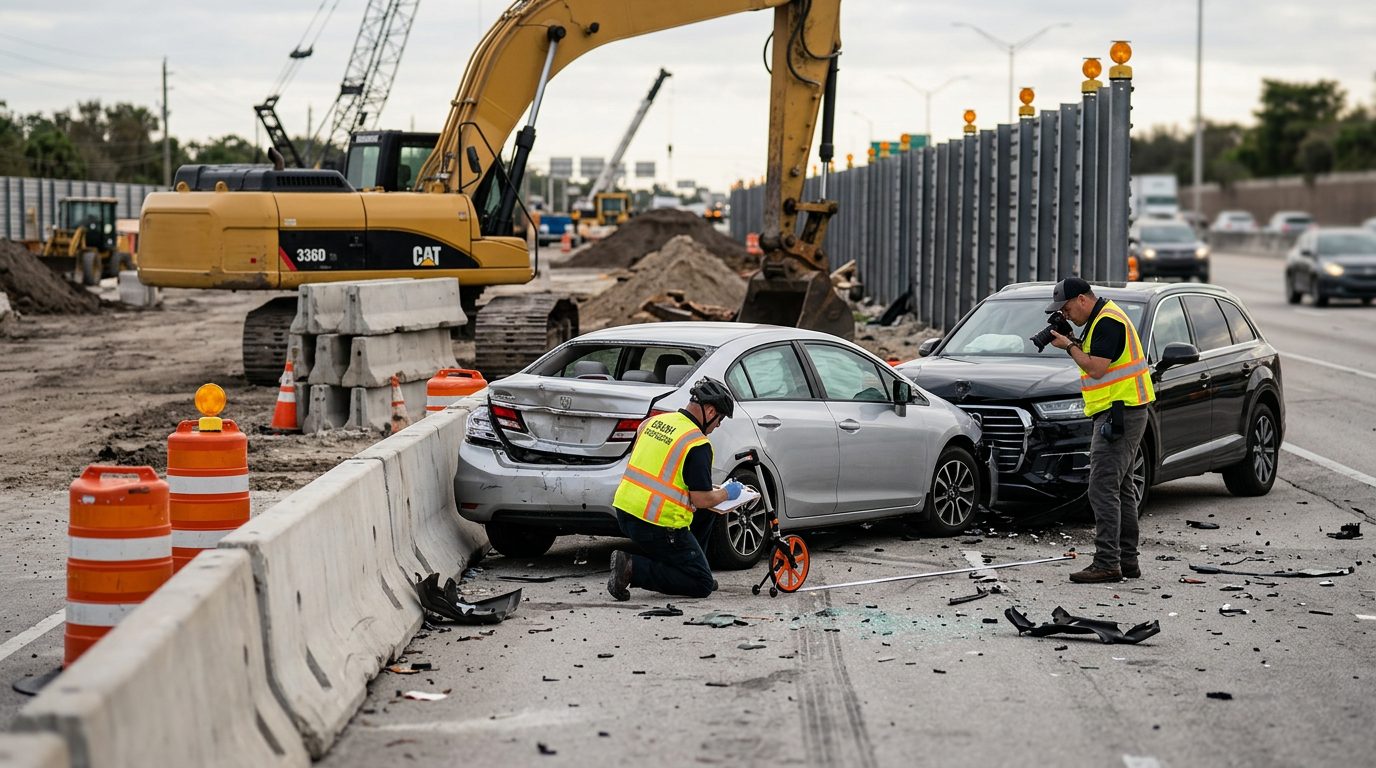
Car Accidents in Pinecrest
What to Do After a Crash: Your Guide to Next Steps
A serious car accident can leave you injured, confused, and unsure what comes next. Here's what you need to know—and how to protect your rights.
By CHG Lawyers · Published September 12, 2026
Car Accidents in Pinecrest: What to Do After a Crash & How to Protect Your Claim
If you’ve been injured in a car accident in Pinecrest, your actions in the first hours and days matter. They protect your health, safety, and legal rights. This guide explains what to do right now, how to document your claim, and when to call an attorney.
Not sure what your next step is?
Talk it through with our team — the first consultation is free, confidential, and carries no obligation.
Car Accidents Happen in Pinecrest—Here’s What You Need to Know
Car accidents occur regularly on Pinecrest’s tree-lined streets and busy shopping intersections. They range from minor fender-benders to serious collisions that cause lasting injury.
Your immediate actions determine how well your claim is protected and how quickly you recover.
The good news: you don’t have to figure this out alone. This page explains the practical steps, your legal rights under Florida law, and when to seek legal help.
What to Do Right After a Car Accident in Pinecrest
Your first priority is safety and medical care. Check yourself and any passengers for injuries. If anyone is hurt, call 911 immediately.
If it’s safe, move your vehicle out of traffic and turn on your hazard lights. Then:
-
Call the Pinecrest Police Department to report the crash. For serious injuries or major property damage, call 911. For minor accidents, call the non-emergency line. The police report is critical evidence for your claim.
-
Exchange information with the other driver(s). Get their name, phone number, address, driver’s license number, vehicle make, model, and license plate, insurance company, and policy number. Do not admit fault or apologize. Let the police and insurance investigation determine who is responsible.
-
Take photos and video. Document vehicle damage, the accident scene, road conditions, traffic signs, weather, and any visible injuries. Photos are powerful evidence.
-
Get witness contact information. If anyone saw the crash, ask for their name and phone number. Witnesses often disappear, so collect this information while they’re present.
-
Seek medical attention immediately—even if you feel fine. Many serious injuries (whiplash, internal bleeding, spinal cord damage, traumatic brain injury) don’t show symptoms for hours or days. A medical record created the same day as the accident strengthens your claim and protects your health.
Common Causes of Car Accidents in Pinecrest
Understanding what caused your accident helps establish who is at fault. Common causes include:
- Distracted driving (phone use, eating, adjusting controls)
- Speeding or driving too fast for conditions
- Failure to obey traffic signals or stop signs
- Tailgating and unsafe following distance
- Impaired driving (alcohol or drugs)
- Reckless lane changes or unsafe turns
- Weather-related hazards (rain reducing visibility or traction)
- Mechanical failure or poor vehicle maintenance
If the other driver was distracted, speeding, or violated a traffic law, that strengthens your case.
Understanding Fault and Liability in a Pinecrest Car Accident
Florida is a “no-fault” auto insurance state. Your own insurance covers your medical bills and lost wages regardless of who caused the crash—up to your policy limits. PIP pays 80% of reasonable medical expenses and 60% of lost income, up to the $10,000 policy limit, if you get initial care within 14 days of the crash (Fla. Stat. § 627.736). This is true even if you were partially at fault.
You can also file a lawsuit. This is called stepping outside no-fault coverage.
Under Florida Statutes § 768.81, Florida uses a “modified comparative negligence” rule. If you are found to be more than 50% at fault, you cannot recover damages from the other driver. If you are 50% or less at fault, you can recover. Your award is reduced by your percentage of fault.
The at-fault driver’s liability insurance may cover your medical expenses, lost income, pain and suffering, and other damages beyond what your no-fault coverage provides.
Types of Injuries from Car Accidents in Pinecrest
Car accident injuries range from minor to catastrophic:
- Whiplash and neck injuries (common even in low-speed crashes)
- Back injuries, including herniated discs and spinal cord damage
- Head and brain injuries, from concussions to traumatic brain injury (TBI)
- Broken bones and fractures
- Internal injuries and organ damage
- Severe lacerations and soft-tissue damage
- Psychological injuries including PTSD and anxiety
- Catastrophic injuries resulting in permanent disability or paralysis
Spinal cord injuries can cause partial or complete paralysis (paraplegia or quadriplegia). They require immediate medical evaluation and long-term specialized care. According to the Christopher & Dana Reeve Foundation, approximately 17,700 new spinal cord injuries occur in the United States each year, many from motor vehicle accidents.
Traumatic brain injuries may not be immediately obvious after a crash. Symptoms can include headaches, confusion, memory loss, balance problems, and changes in mood or behavior. Seek medical evaluation even if you feel “okay.” Early diagnosis is critical.
Have questions about what happened?
Ask our team directly. The first conversation is free, confidential, and there is no obligation to continue.
How to Protect Your Car Accident Claim in Pinecrest
Once you’ve received initial medical care, take these steps to strengthen your claim:
1. Follow your doctor’s treatment plan. Gaps in medical treatment are used by insurance companies to argue your injuries aren’t serious. Attend all appointments and follow recommendations.
2. Keep detailed records. Save all medical bills, prescriptions, therapy receipts, and correspondence with healthcare providers. Document lost wages, time off work, and out-of-pocket expenses.
3. Document your injuries and limitations. Take photos of visible injuries. Write down your pain levels, what activities you can’t do, how sleep is affected, and how the accident changed your daily life. This narrative is valuable evidence.
4. Do not post on social media. Insurance adjusters and defense attorneys monitor social media for posts about the accident or your recovery. A photo of you at a restaurant or smiling can be used to argue your injuries aren’t as serious as you claim—even if you’re in pain.
5. Do not give a recorded statement to the other driver’s insurance company without legal advice. Anything you say can be used against you. If the insurance company calls, you can politely decline or ask them to contact your attorney.
6. Preserve all evidence. Keep the police report, photos, witness contact information, dashcam footage, and any surveillance video from nearby businesses.
When Should You Contact a Personal Injury Attorney About Your Pinecrest Car Accident?
Consider contacting an attorney if:
- You’ve suffered a serious or permanent injury—spinal cord damage, traumatic brain injury, amputation, severe burns, or other life-altering harm. An attorney can help you understand your full rights and the true value of your claim.
- The at-fault driver was uninsured or underinsured. You may have coverage options (uninsured motorist or underinsured motorist coverage) that require legal guidance to maximize.
- The insurance company denies your claim or offers a low settlement that doesn’t cover your medical bills and lost income.
- Liability is disputed or unclear. Multiple vehicles, conflicting witness statements, or complex road conditions may require investigation.
- You’re unsure whether your injuries qualify for a claim beyond no-fault benefits. An attorney can review your medical records and advise you.
In the catastrophic-injury cases our attorneys handle, early legal consultation often prevents injured people from accepting settlements far below what their injuries are worth.
Car Accident Settlements in Pinecrest
A settlement is an agreement where the at-fault driver’s insurance company pays you a lump sum to resolve your claim without going to trial. Settlement amounts depend on:
- Severity of your injuries
- Medical expenses (past and future)
- Lost wages and earning capacity
- Pain and suffering
- Strength of liability evidence
- Your policy limits and the defendant’s insurance limits
Insurance companies often make low initial settlement offers. An attorney can negotiate on your behalf to ensure you receive fair compensation for your injuries and losses.
Before accepting any settlement, verify it covers all your current and future medical needs related to the accident. Once you sign, you cannot pursue additional compensation.
The Role of the Police Report in Your Pinecrest Car Accident Claim
The police report documents the accident scene, vehicle damage, injuries, witness statements, and the officer’s initial assessment of fault. You can obtain a copy through the Pinecrest Police Department records division.
The report is important evidence. It supports your version of events and can establish fault. If you believe the report contains errors, you may request a correction or file a supplemental report.
What If the Other Driver Left the Scene? Hit-and-Run in Pinecrest
If the other driver fled, report the incident to Pinecrest Police immediately. Provide any information about the vehicle (color, make, model, license plate) or driver description.
Your own uninsured motorist (UM) or underinsured motorist (UIM) coverage may cover your injuries if the hit-and-run driver is not identified. Dashcam footage, witness descriptions, or surveillance video from nearby businesses can help identify the vehicle.
An attorney can help you navigate a hit-and-run claim and work with police to maximize your recovery.
Want to know where you stand?
Tell us what happened and our team will walk you through the options available to you, at no cost.
How Long Do You Have to File a Lawsuit?
Under Florida Statutes § 95.11, you have two years from the date of the accident to file a personal injury lawsuit in Florida. After two years, your claim expires and you lose the right to sue.
Don’t wait. If your injuries are serious or your claim is complex, contact an attorney well before the deadline.
Next Steps: Getting Help After Your Pinecrest Car Accident
Your immediate priority is medical care and safety. Then:
- Document everything—photos, medical records, lost wages, and communications with insurance companies.
- Avoid social media and recorded statements to insurance companies.
- Keep all records organized and accessible.
- If your injuries are serious or your claim is complex, do not navigate it alone.
A personal injury attorney can review your case, explain your options, negotiate with insurance companies, and fight for the compensation you deserve.
FAQ
What should I do if I’m injured but the other driver denies fault?
The police report, witness statements, traffic laws, and physical evidence (vehicle damage, road conditions) determine fault—not what the other driver says. An attorney can investigate and build a case based on evidence.
Can I recover damages if I was partially at fault?
Yes, under Florida’s comparative negligence rule, as long as you’re 50% or less at fault (Fla. Stat. § 768.81(6)). Your recovery is reduced by your percentage of fault.
How much is my car accident settlement worth?
Settlement value depends on injury severity, medical expenses, lost wages, pain and suffering, and insurance limits. An attorney can evaluate your case and negotiate fair compensation.
Do I need a lawyer for a minor car accident?
For minor injuries and clear liability, you may handle a claim yourself. For serious injuries, disputed fault, or insurance company resistance, an attorney protects your rights and maximizes your recovery.
What if the insurance company offers a settlement I think is too low?
You can negotiate. An attorney can present evidence of your injuries and damages to justify a higher offer. Never accept a settlement that doesn’t cover your medical needs.
If you’ve been seriously injured in a car accident in Pinecrest and you’re unsure whether you have a claim beyond your insurance, contact us for a free case evaluation. Many people in your situation reach out to learn their options—and we’re here to help.
Immediate Steps After a Crash
Check for Injuries & Call 911
Your safety comes first. If anyone is hurt, call emergency services immediately. Even if injuries seem minor, seek medical attention—some injuries show up hours or days later.
Move to Safety & Document the Scene
If it's safe and your vehicle can move, get out of traffic. Take photos of vehicle damage, road conditions, traffic signals, and the overall scene. Note the date, time, and weather.
Exchange Information & Get Witnesses
Get the other driver's name, phone number, address, insurance details, and license plate. Ask any witnesses for their contact information. Do not admit fault or apologize for the accident.
File a Police Report & Keep Records
Request a police report—you'll need the report number for your insurance claim and any legal claim. Keep all medical records, repair estimates, receipts, and correspondence in one place.
Don't Delay—Preserve Your Evidence
The sooner you document the crash and seek medical care, the stronger your case. Insurance companies and at-fault parties may move quickly to minimize what they owe. Witness memories fade, and physical evidence can disappear.
Why You May Need Legal Help
Protect Your Rights Against Insurance Companies
Insurance adjusters work to pay you as little as possible. An attorney levels the playing field and ensures you're not pressured into a lowball settlement.
Navigate Complex Claims & Liability
Determining who is at fault, calculating fair compensation, and handling insurance disputes requires knowledge of Florida law. We handle the legal complexity so you can focus on recovery.
Recover Full Damages for Your Injuries
You may be entitled to compensation for medical bills, lost wages, pain and suffering, and long-term care. We investigate your case thoroughly to build the strongest claim.
No Attorney’s Fees Unless There Is a Recovery
We work on contingency—you pay nothing upfront, and we only collect a fee if your case results in a settlement or judgment in your favor.
Common Questions After a Pinecrest Car Accident
What if the other driver denies fault?
Fault is determined by evidence—the police report, witness statements, traffic laws, vehicle damage, and road conditions—not by what the other driver says. We investigate and build a case based on the facts.
Can I recover damages if I was partially at fault?
Yes. Florida law allows you to recover damages even if you share some responsibility for the crash, as long as you are not more than 50% at fault (Fla. Stat. § 768.81(6)). Your recovery is reduced by your percentage of fault.
How long do I have to file a claim?
Time matters. The sooner you act, the better we can preserve evidence and build your case. Contact us right away to discuss your situation and protect your rights.
What if my injuries are serious or permanent?
Catastrophic injuries—spinal cord damage, traumatic brain injury, amputation, severe burns, or permanent disability—deserve aggressive representation. We focus exclusively on serious injury cases and know how to pursue maximum compensation.