
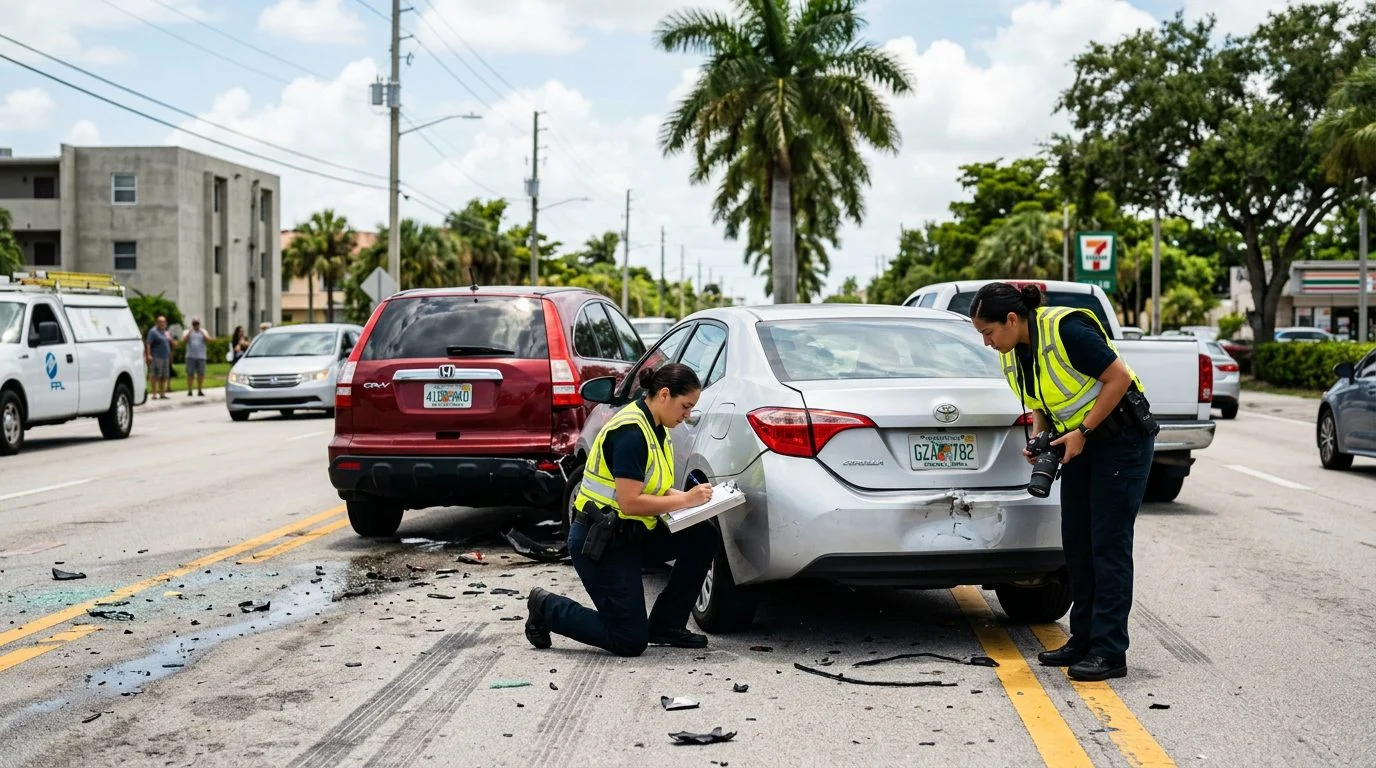
Florida Car Accident Claims
Car Accident Physical Therapy in a Florida Claim? Here's What to Know
Sore after a crash and wondering how your rehab could affect your case? Learn how therapy bills, insurance coverage, and documentation fit together, and when to get help.
Why Injured Floridians Call Us
Licensed
Attorneys admitted to The Florida Bar
Free
Confidential first consultation with no obligation to continue
No Fees
No attorney's fees or case costs unless there is a recovery
By CHG Lawyers · Published November 21, 2026
After a crash, a doctor may send you to physical therapy. Bills and insurance calls can pile up fast. Wondering whether that therapy counts? The short answer is this: physical therapy ordered by a doctor for crash injuries can be part of a Florida claim.
Does Physical Therapy Count in a Florida Car Accident Claim?
Yes. Physical therapy that a doctor orders for injuries from a crash can be part of a Florida claim. It is a cost of recovery tied to the crash.
Whether a specific therapy bill can be recovered depends on the facts. Those facts include your injury, your medical records, and when care started. Your treating doctor’s plan is the starting point.
The real question is not only whether therapy helped. The question is whether the therapy was needed because of the crash. Your records should show that link.
A doctor’s referral, a therapist’s notes, and a clear treatment plan all help show that connection. Without them, insurers have an easier time questioning the bills.
This page explains how Florida handles therapy costs in general terms. It is not medical advice. It does not replace the care your doctors give you.
If your doctor recommends therapy, follow that plan. Bring your questions to your provider.
Keep in mind that three sources may play a role: your own PIP coverage, the at-fault driver’s insurer, and your health insurance.
If you are helping someone through therapy after a crash and the bills feel like too much, you do not have to sort out the claim alone. Our team can talk through the facts with you. Talk it through with our team — the first consultation is free, confidential, and carries no obligation.

Common Injuries That Lead to Physical Therapy After a Crash
Physical therapy after a crash often treats soft-tissue injuries to the neck and back. These include strains and sprains. They can cause stiffness, pain, and less movement.
Doctors also refer people with bulging or herniated discs to guided exercise and rehabilitation. This applies to other serious back and neck injuries too.
Therapy after a traumatic brain injury or spinal cord injury often focuses on balance, strength, and everyday tasks. These cases call for close coordination with the treating medical team.
Some symptoms take days to appear. Stiffness, headaches, numbness, or pain that grows over time can show up after a crash that felt minor at the scene. That is why a medical check soon after any crash matters.
Tell your doctor about every symptom, even the small ones.
Keep a simple written list of symptoms and the dates you noticed them. Bring it to each appointment. These notes become part of the record a claim relies on. They also show how the injury affects daily life.
How Florida’s No-Fault (PIP) Coverage Pays for Therapy First
After a crash, your own insurance policy may be one source of coverage for medical bills, and how the rules apply depends on the facts of your case.
Under Fla. Stat. § 627.736, PIP generally pays 80 percent of reasonable, medically necessary medical expenses. Medical and disability benefits are subject to the policy limit, and death benefits of $5,000 per individual are in addition to the medical and disability benefits. Physical therapy that a physician orders can fall under these benefits.
Timing matters. The same statute pays medical benefits only if the individual receives initial services and care within 14 days after the motor vehicle accident.
A physician, dentist, physician assistant, or APRN may determine that you had an emergency medical condition.
These limits are why many people’s therapy costs go beyond PIP. The next section explains what can happen next.
When the At-Fault Driver’s Insurance May Be Involved
Once PIP is used, the at-fault driver’s insurance may come into play. It may cover other losses, including pain and suffering.
Florida limits when you can sue for pain and suffering after a car crash. The tort exemption in Fla. Stat. § 627.737 generally blocks those claims. It does so unless the injury meets a legal threshold.
In plain words, the injury must include one of these:
- A significant and permanent loss of an important bodily function
- A permanent injury within a reasonable degree of medical probability (other than scarring or disfigurement)
- Significant and permanent scarring or disfigurement
- Death
No injury is assumed to meet that threshold. Your doctors and your lawyer should review it together.
Health insurance can also pay therapy bills. Under Fla. Stat. § 768.76, a court generally reduces a damages award. The reduction covers amounts paid or available from collateral sources. The exception is when a reimbursement right exists. How those payments fit into a claim is a question to review with a lawyer.
If you have Medicare, the rules differ. CMS explains that no-fault or liability insurance pays first for accident-related care. Medicare pays second.
If insurance does not pay promptly, Medicare may make a conditional payment. That payment must be repaid from a settlement or judgment. Under Fla. Stat. § 627.736, “(b) Personal injury protection insurance benefits paid pursuant to this section are overdue if not paid within 30 days after the insurer is furnished written notice of the fact of a covered loss and of the amount of same.”
Why Consistent Treatment, Records, and Cost Estimates Matter
Steady, scheduled treatment helps your recovery and your records. Keep every appointment your doctor and therapist set.
Gaps in care can give an insurer a reason to argue that an injury was not as serious as it is.
Keep one folder, paper or digital, for everything. Include:
- Referrals
- Appointment records
- Therapy notes
- Receipts and pharmacy bills
- Mileage to appointments
Write down the date and name of every call with an insurer. Keep copies of every letter.
Ask your providers for written estimates of current and expected therapy costs. An estimate shows the full cost of recovery. It does not show only last week’s bill.
Doctor’s notes matter too. Notes about what you can and cannot do help connect therapy to the crash. They also record your limits and your progress. Ask your doctor to describe those limits in clear terms in your chart.
How Physical Therapy Supports Recovery and Regaining Strength
Physical therapy aims to help you move better and reduce pain. It also helps rebuild strength and balance. A therapist may use guided exercises, hands-on work, and training for daily tasks.
Your doctor and therapist set the plan. They base it on your injury and your goals.
Therapy length varies widely from person to person. Some people finish on the timeline their doctor set. Others need more time, or a different plan as their body responds. Ask your therapist what progress looks like at each stage.
Much of the work happens at home. Therapists often teach exercises to practice between visits. Doing those exercises as taught supports the plan your providers built. Report how they feel, too.
If pain changes, new symptoms appear, or you feel worse, contact your doctor promptly. Questions about your recovery belong with the providers who know your medical history.
Not sure what your next step is?
Talk it through with our team — the first consultation is free, confidential, and carries no obligation.
What to Be Careful About When Talking With Insurance Companies
Be accurate and consistent when you talk with any insurer. Describe your symptoms as they are. Do not guess. Do not minimize pain just to end a call.
If you are unsure of a detail, say so. Then check your records.
Insurers may ask for a recorded statement or medical authorizations. They may also ask for a quick decision about a settlement. You can ask for time to review those requests before you agree to anything. Consider sharing the request with a lawyer before you sign.
Read any release before you sign it. Ask what it covers and what it closes off. This matters even more while treatment is still underway. Care that is still ahead may not be part of a quick payment.
Keep copies of every letter. Write down every adjuster’s name and every summary of a call. Written records make it easier to track what was said and what was asked.
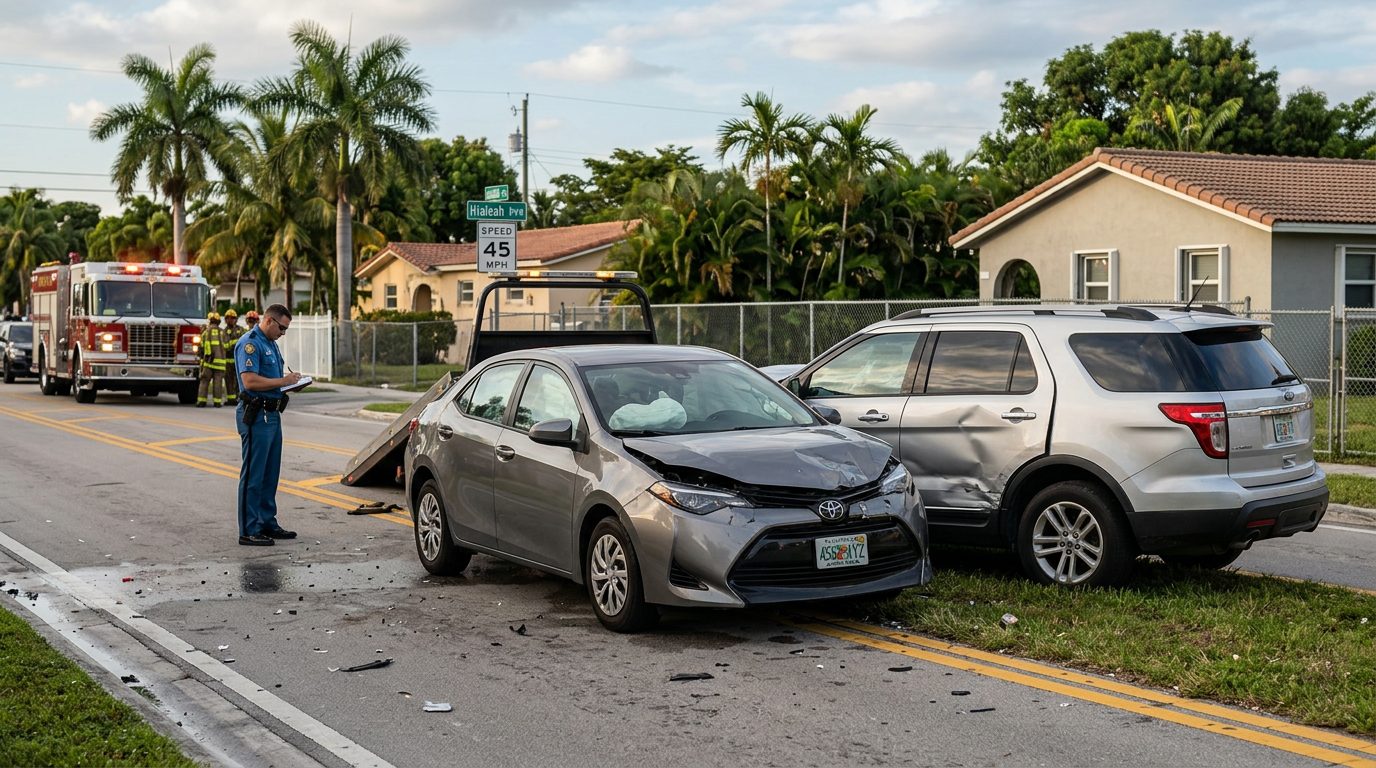
Florida Filing Deadlines and Talking With CHG Personal Injury Lawyers
Florida sets deadlines for car accident claims. See Fla. Stat. § 95.11.
Fault also matters. Under Fla. Stat. § 768.81, partial fault reduces damages in proportion. A person found more than 50 percent at fault for his or her own harm may not recover any damages in a negligence action, but this bar does not apply to actions for personal injury or wrongful death arising out of medical negligence under chapter 766.
Deadlines apply to every claim. Contact a lawyer promptly. Do not wait until therapy ends to ask questions.
CHG Personal Injury Lawyers is a Florida-based personal injury firm. It handles car accident and other injury cases throughout Florida. Igor Hernandez is the responsible attorney for this page.
Our attorneys and our team listen to the facts first. We explain the options in plain language.
CHG charges no attorney’s fees and no case costs unless there is a recovery.
La consulta inicial es gratuita, confidencial y sin compromiso de continuar.
For readers who want the broader picture, our Florida car accident settlements guide explains how these claims generally move forward.
Does PIP pay for physical therapy in Florida?
PIP can cover 80 percent of reasonable, medically necessary therapy that a physician orders, subject to a limit of $10,000 in medical and disability benefits, if the injured person receives initial services and care within 14 days after the motor vehicle accident.
How long do I have to file a car accident claim in Florida?
For most negligence claims arising from a crash after March 24, 2023, the time limit is two years. Deadlines apply, so talk with a lawyer promptly.
Can I still have a claim if I am partly at fault?
Partial fault reduces damages in proportion. In a negligence action, a party found more than 50 percent at fault for his or her own harm may not recover any damages, but this does not apply to an action for damages for personal injury or wrongful death arising out of medical negligence pursuant to chapter 766.
If you’re helping someone through therapy after a crash, you don’t have to figure out the claim alone. Contact CHG Personal Injury Lawyers to talk through the facts.
How Therapy and Your Claim Work Together
Follow your doctor's plan
Physical therapy should be ordered and guided by your physician. Keep appointments and follow the care plan your medical team sets for you.
Keep every record
Bills, referrals, therapy notes, and receipts for mileage or medical supplies help show what the crash has cost you and your family.
Know how Florida insurance works
Florida's no-fault system, known as personal injury protection (PIP), may help pay certain medical bills after a car crash. Coverage has conditions, so review them early.
Bring in legal help early
A lawyer can review your insurance coverage, your records, and any third-party claims while you focus on getting better.
Important: Don't Skip Care to Protect a Claim
Insurers often look at gaps in treatment. If therapy has stopped, or you are unsure whether you should continue, talk with your doctor first. Your health comes first, and your lawyer can help you document your care.
Steps to Take After a Florida Car Crash
Get medical care
See a doctor promptly, even if your injuries feel minor at first. A physician can order physical therapy and explain what your body needs to recover.
Track your progress
Write down pain levels, missed work, daily limits, and therapy sessions. Clear notes can make your story easier to explain to insurers and the courts.
Speak with a lawyer
Our attorneys are licensed in Florida and can explain how your therapy bills, insurance, and claim may work together.