

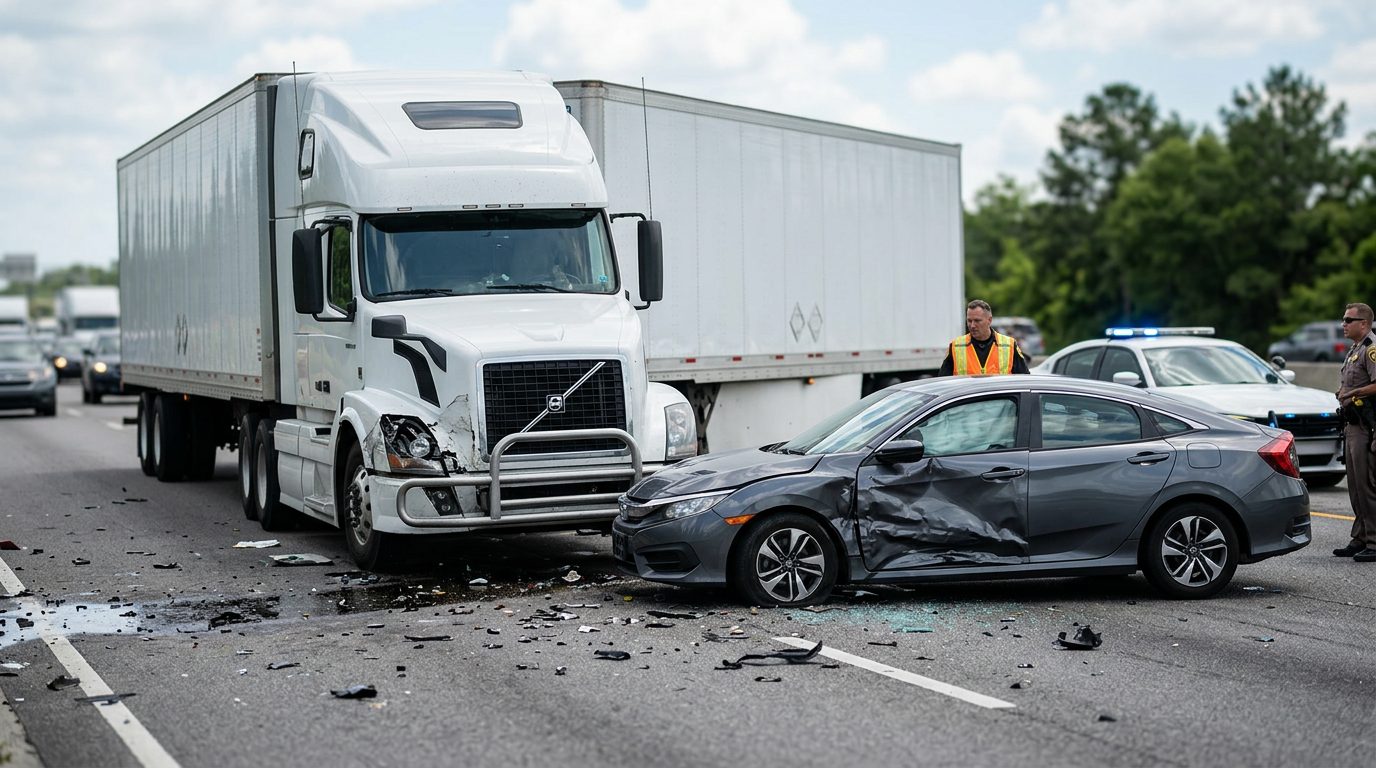
Car Accidents in Jacksonville
Hit by a car in Jacksonville? Know your rights.
You may be entitled to compensation for medical bills, lost wages, pain, and suffering. CHG Personal Injury Lawyers represents people seriously injured in car accidents across Florida.
By CHG Lawyers · Published September 25, 2026
Car Accidents in Jacksonville: Your Rights, Florida’s No-Fault System & Next Steps
Jacksonville’s highways and city streets see thousands of car accidents every year. Some cause minor property damage. Many cause serious, life-altering injuries—spinal cord damage, traumatic brain injury, amputation, severe burns, or death. If you’ve been hurt in a car accident in Jacksonville, Florida law gives you specific rights and time limits. This guide explains what those rights are, how Florida’s unique no-fault insurance system works, and the concrete steps you need to take right now to protect your claim.
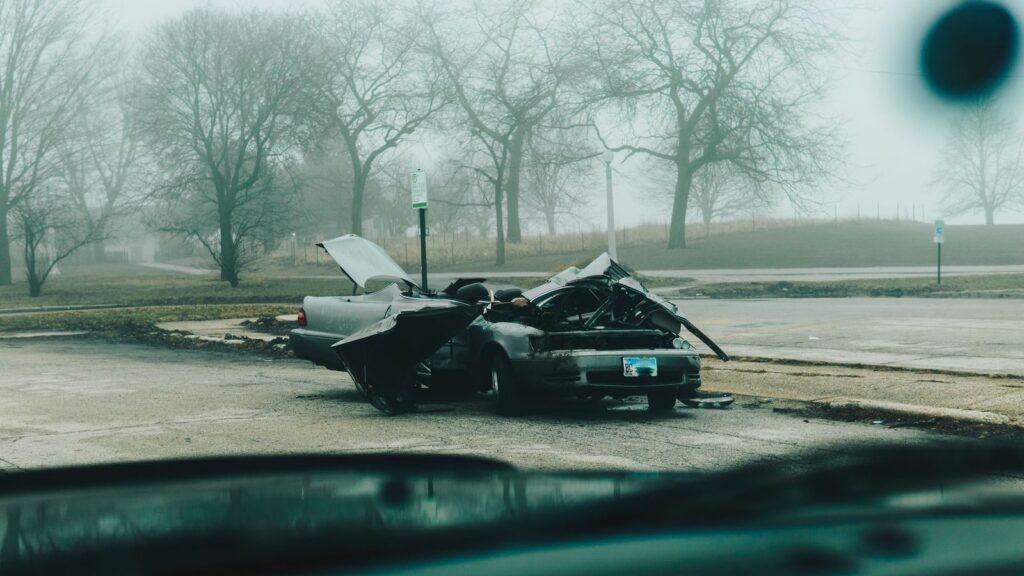
If you've been injured in a Jacksonville car accident and you're facing medical bills, lost income, or ongoing pain, you may have a claim. Talk it through with our team — the first consultation is free, confidential, and carries no obligation.
Why Time Matters: Florida’s Statute of Limitations
Florida law gives you two years from the date of the accident to file a lawsuit. This deadline is set by Florida Statute § 95.11. But waiting that long is a mistake.
Acting quickly—within days or weeks—does three critical things:
- Preserves evidence. Security camera footage is often deleted after 30–90 days. Vehicles are repaired or scrapped. Physical evidence disappears.
- Locks in witness memories. People who saw the crash remember details now. Memories fade or vanish within months.
- Strengthens your medical record. Seeking immediate care links the accident to your injuries. Delays give insurers ammunition to claim injuries were pre-existing.
Immediate Steps After a Car Accident in Jacksonville
If you’re injured, call 911 immediately. Do not move unless you’re in immediate danger. Emergency responders will provide care and file an official report.
If you can safely move your vehicle, do so to avoid blocking traffic. Turn on your hazard lights.
Call the appropriate law enforcement agency:
- Jacksonville Sheriff’s Office (non-emergency): 904-630-0500
- Florida Highway Patrol (for I-95, I-10, I-295, or state roads): Call *FHP or the non-emergency line
An officer will document the scene, interview drivers and witnesses, and create an official crash report. This is the most important document for your claim.
Document everything at the scene:
- Take photos of vehicle damage from multiple angles
- Photograph road conditions, traffic signs, weather, and sight lines
- Get names, phone numbers, addresses, driver’s license numbers, and insurance information from other drivers
- Collect contact information and brief statements from witnesses
- Note the exact date, time, location, and what you remember about the crash
- Note weather, road surface, lighting, and traffic volume
Do not admit fault or apologize. Statements like “I’m sorry” or “It was my fault” can be used against you later. Stick to objective facts: “The light was red” or “I was in the right lane.”
Seek medical attention even if you feel fine. Whiplash, internal injuries, and traumatic brain injury often don’t show symptoms for hours or days. A medical record created on the day of the accident proves your injuries are real and caused by the crash.
Understanding Florida’s No-Fault Insurance System and PIP Coverage
Florida is a no-fault insurance state. Your own insurance company pays for medical expenses and lost wages after an accident—regardless of who caused the crash. PIP pays 80% of reasonable medical expenses and 60% of lost income, up to the $10,000 policy limit, if you get initial care within 14 days of the crash (Fla. Stat. § 627.736). This coverage is called Personal Injury Protection (PIP).
What PIP covers:
- 80% of reasonable and necessary medical expenses
- 60% of lost income; medical and disability benefits combined are limited to $10,000
- Coverage up to your policy limit (typically $10,000, but higher limits are available)
PIP pays first, before you pursue a claim against the other driver’s insurance. This is a key difference from other states.
What happens after you exhaust PIP:
Once you’ve used your PIP coverage, you can pursue a claim against the at-fault driver’s liability insurance. This covers the other driver’s legal responsibility for the crash. This is where you recover for pain and suffering, permanent impairment, and damages beyond medical bills and lost wages.
The “serious injury threshold”:
Under Florida law, you may recover damages from the at-fault driver for pain, suffering, mental anguish, and inconvenience only if your injury meets the “serious injury threshold” in Florida Statute § 627.737(2).
If your injuries don’t meet this threshold, you may still seek recovery from the at-fault driver for losses PIP does not pay, but not for pain and suffering.
Obtaining Your Official Crash Report
Your crash report is essential. It includes vehicle information, driver details, injuries, citations, and the officer’s narrative. Insurance companies and attorneys rely on it to establish liability and damages.
To obtain your official crash report:
- Jacksonville Sheriff’s Office Records Bureau: 904-630-0500
- Florida Highway Patrol Records Bureau: Contact the FHP district office for your area
- Provide the date, time, and location of the crash
- Pay a small fee (typically $10–$20)
- Request the report in person, by mail, or online through the agency’s records portal
Public records:
The Florida Department of Highway Safety and Motor Vehicles publishes live traffic incident data updated every five minutes.
Types of Car Accidents in Jacksonville and Their Common Injuries
Rear-end collisions are the most common. The trailing driver follows too closely, is distracted, or fails to brake in time. These crashes often cause whiplash, neck strain, and herniated discs. Injuries may not appear for days but can cause chronic pain and permanent impairment.
Intersection crashes happen when a driver runs a red light, fails to yield, or misjudges traffic flow. These are often high-speed and involve multiple vehicles. They frequently cause traumatic brain injury, spinal cord damage, and internal injuries.
Highway accidents on I-95, I-10, or I-295 occur at high speeds. Lane-change errors, merging mistakes, or roadway debris cause these crashes. Pileups involving dozens of vehicles occur during rush hour or bad weather.
Hit-and-run accidents leave you without an identified at-fault driver. You may still recover through your own uninsured motorist (UM) coverage if the fleeing driver is never found.
Motorcycle accidents are often catastrophic because riders have no protective shell. Even low-speed crashes can cause severe injury or death.
Commercial truck accidents involve 18-wheelers, delivery trucks, or commercial vehicles. These crashes cause catastrophic injuries because of the truck’s size and weight. Liability often extends to the trucking company, the employer, and the vehicle’s owner.
If you've been injured in a car accident in Jacksonville and you're facing medical bills, lost income, or ongoing pain, you may have a claim. Talk it through with our team — the first consultation is free, confidential, and carries no obligation.
Injuries from Car Accidents: From Minor to Catastrophic
Whiplash and neck strain are common in rear-end crashes. They may cause chronic pain, limited range of motion, and long-term disability.
Back injuries range from muscle strain to herniated discs to spinal cord damage. Spinal cord injuries can result in partial or complete paralysis. Paraplegia is loss of function in the lower body. Quadriplegia is loss of function in all four limbs. These injuries require lifelong medical care, mobility aids, home modifications, and ongoing rehabilitation.
Traumatic brain injury (TBI) occurs when the brain is jolted or struck inside the skull. Even with airbags, a hard impact can cause concussion, bleeding, or diffuse axonal injury. TBI can cause permanent cognitive impairment (memory loss, difficulty concentrating), physical impairment (balance problems, chronic headaches), and emotional changes (depression, irritability).
Broken bones and fractures may require surgery, casting, and months of recovery. Some fractures cause permanent nerve damage or limited mobility.
Internal injuries—bleeding, organ damage, ruptured blood vessels—may not be immediately obvious but are life-threatening. They require emergency imaging and surgery.
Severe burns occur if fuel ignites or electrical systems fail. Burns require emergency care, skin grafts, and long-term wound management. Survivors often face permanent scarring, contractures (tightening of skin and tissue), and psychological trauma.
Amputation or limb loss happens in high-speed or multi-vehicle crashes. Survivors face permanent disability, phantom pain, prosthetic costs, and psychological trauma.
Wrongful death is the most catastrophic outcome. When a family member is killed in a crash, surviving family members have the right to pursue a wrongful-death claim for funeral costs, lost income, and loss of companionship.
Medical Care and Documentation After a Jacksonville Car Accident
Seek emergency care immediately if you have any sign of injury. Do not refuse transport or delay treatment because you feel “okay.” Internal injuries, brain injuries, and spinal injuries may not cause immediate pain.
Follow up with your primary care doctor within a few days, even for minor symptoms. A doctor’s evaluation creates a medical record linking your injuries to the accident. This is critical evidence for your claim.
Keep all medical records, test results, imaging (X-rays, MRI, CT scans), and bills. These documents prove the extent of your injuries and their cost. Organize them chronologically.
Document ongoing treatment, physical therapy, and medication. Photos of visible injuries (bruises, scars, swelling) are also valuable evidence.
Report your accident to your insurance company promptly. Provide factual information but do not sign anything from the other driver’s insurance without legal review.
Settlement Negotiations and When to Pursue a Lawsuit
Settlement negotiations can take weeks or months. Insurance companies often offer less than your claim is worth. They know many injured people need money fast and may accept a lowball offer.
An attorney can help you understand what a fair settlement looks like based on your injuries, medical expenses, lost income, and pain and suffering. An attorney can also negotiate on your behalf with the insurance company and pursue a lawsuit if the insurance company refuses to pay fairly.
Hit-and-Run Accidents in Jacksonville
If the other driver left the scene, report it to the Jacksonville Sheriff’s Office immediately (non-emergency: 904-630-0500). Provide any description of the vehicle, license plate, driver appearance, or direction of travel.
Hit-and-run is a crime in Florida. Police will investigate and may locate the driver.
If the hit-and-run driver is never found, your own uninsured motorist (UM) coverage may cover your injuries. UM coverage pays for medical expenses and damages when the at-fault driver has no insurance or cannot be identified. You still have the right to pursue a personal injury claim even if the driver is never caught.
Your Legal Rights After a Car Accident in Jacksonville
You have the right to file a police report and obtain a copy for your records.
You have the right to seek medical care and keep all records confidential (with limited exceptions for your own insurance claim).
You have the right to file an insurance claim with your own insurance company and the at-fault driver’s insurance company.
You have the right to pursue a personal injury lawsuit if your injuries are serious and the insurance company refuses to pay fairly.
Florida’s comparative negligence rule means that if you are partially at fault for the crash, your damages are reduced by your percentage of fault. Under Florida Statute § 768.81, if you are more than 50% at fault, you generally cannot recover anything. If you are 40% at fault and the other driver is 60% at fault, your recovery is reduced by 40%.
When to Contact an Attorney
You should consider contacting an attorney if:
- You have been seriously injured (permanent impairment, ongoing pain, significant medical bills)
- The other driver was clearly at fault and has insurance
- Your medical expenses exceed your PIP coverage
- You have lost significant income due to the accident
- The insurance company is offering a settlement that seems too low
- You are unsure whether you have a claim or what your rights are
- The accident involved a hit-and-run, multiple vehicles, or a commercial truck
- A family member was killed in the crash
An attorney can review your case, handle communication with insurance companies, and pursue fair compensation on your behalf.
Not sure what your next step is?
Talk it through with our team — the first consultation is free, confidential, and carries no obligation.
What a Car Accident Claim Includes
A personal injury claim from a car accident can include:
- Medical expenses: emergency care, surgery, hospitalization, rehabilitation, ongoing treatment, and future medical care
- Lost wages: income you missed while recovering or unable to work
- Pain and suffering: compensation for physical pain, emotional distress, and reduced quality of life
- Permanent impairment: if the injury causes lasting disability or disfigurement
- Property damage: repair or replacement of your vehicle
- Wrongful death damages: if a family member was killed, including funeral costs and loss of companionship
If you’ve been injured in a Jacksonville car accident and you’re facing medical bills, lost income, or ongoing pain, you may have a claim. Contact us for a free case evaluation.

Frequently Asked Questions
How long does a car accident settlement take?
Settlement timelines vary. Minor injuries may settle in weeks. Serious injuries requiring ongoing treatment can take months or years. Litigation typically takes 1–3 years.
What should I do if the insurance company offers a low settlement?
Do not accept it immediately. Consult an attorney to evaluate whether the offer is fair. You have the right to negotiate or reject it and pursue a lawsuit.
Can I still file a claim if I was partially at fault?
Yes. Under Florida’s comparative negligence rule, you can recover damages even if you were partially at fault—as long as you were not more than 50% at fault (Fla. Stat. § 768.81(6)). Your recovery is reduced by your percentage of fault.
What if the other driver had no insurance?
Your own uninsured motorist (UM) coverage may cover your injuries.
Do I need a lawyer for a car accident claim?
For minor injuries and clear liability, you may handle a claim yourself. For serious injuries, significant medical bills, or disputed fault, an attorney can help you protect your rights.
If you’ve been injured in a car accident in Jacksonville and you’re facing medical bills, lost income, or ongoing pain, you may have a claim. Contact us for a free case evaluation.
Why CHG handles your case differently
We focus exclusively on serious injury claims
From broken bones and spinal injuries to traumatic brain injuries and permanent disability, we handle the cases that change lives.
We manage the paperwork and insurance
You focus on healing. We handle medical records, insurance correspondence, liability investigation, and settlement negotiation.
We work on your timeline
No attorney’s fees unless there is a recovery. We advance costs and wait for your case to resolve—whether that's weeks or years.
We're here nationwide
Don't settle too fast
Insurance companies often offer quick, low settlements before you understand the full extent of your injuries. A low offer early on may not cover ongoing medical care, lost income, or pain and suffering. Before you accept anything, talk to an attorney about what your claim is actually worth.
Common questions about car accident claims
How long does a settlement take?
It depends on your injuries. Minor injuries may settle in weeks. Serious injuries requiring ongoing treatment can take months or years. If your case goes to court, expect 1–3 years.
What if the other driver was uninsured?
This coverage can pay for your medical bills and lost wages even if the at-fault driver has no insurance.
What damages can I recover?
Medical expenses, lost wages, permanent disability, and in fatal crashes, wrongful death claims brought by family members; pain and suffering, including loss of enjoyment of life, is recoverable only if your injury meets Florida’s permanency threshold.
What if I was partly at fault?
Florida follows comparative negligence (Fla. Stat. § 768.81(6)). You may still recover damages even if you were partially responsible—your award is reduced by your percentage of fault.