

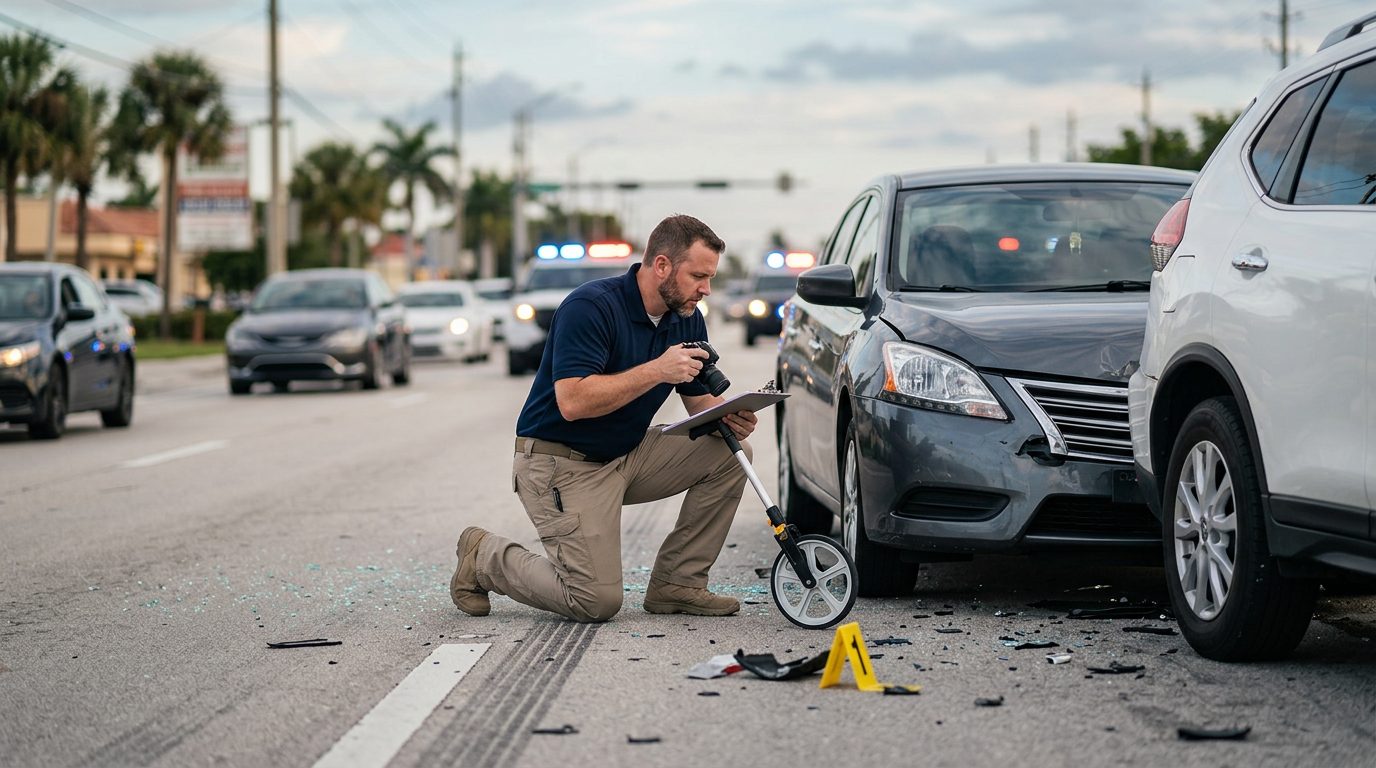
Car Accidents in Hollywood, FL
What to Do After a Car Accident—and How to Pursue Your Claim
Immediate steps, insurance claims, and settlement guidance from a Florida personal-injury firm focused on helping accident victims recover.
By CHG Lawyers · Published September 10, 2026
Car Accidents in Hollywood, Florida: What You Need to Know
Car accidents happen daily on Hollywood’s roads. They occur on Hollywood Boulevard, US Route 441, and busy intersections along Sheridan Street and Pembroke Road. If you’ve been in a crash, you’re likely in pain. You’re probably worried about medical bills and lost work time. This guide explains what to do next, which injuries matter legally, how Florida’s insurance system works, and when you need a lawyer.
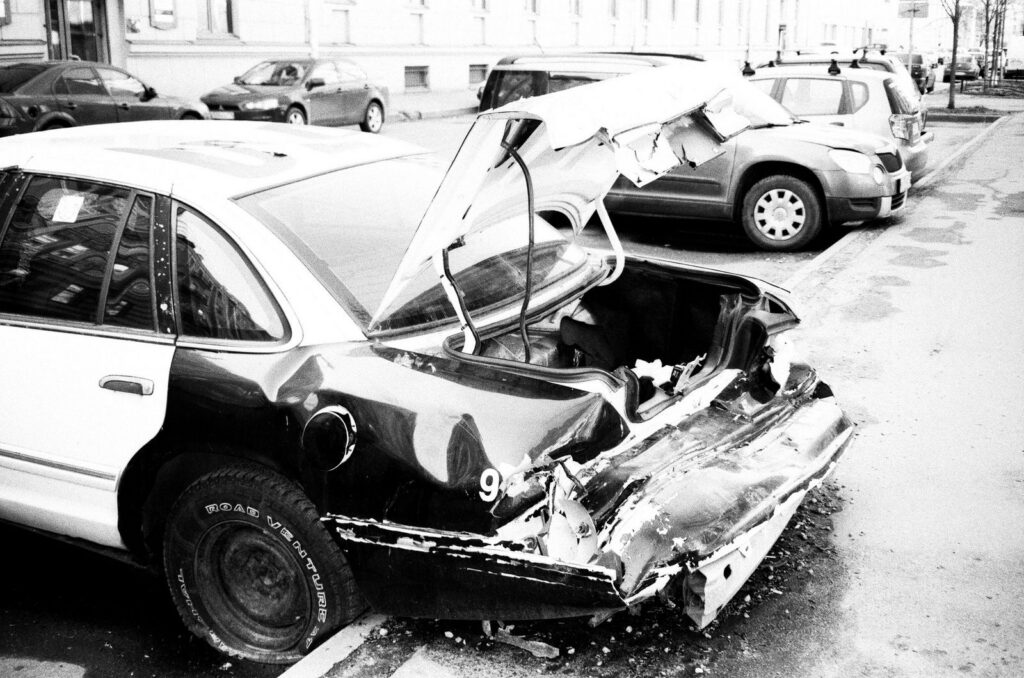
If you've been hurt in a car accident in Hollywood and you're facing medical bills, lost time at work, or lasting pain, reach out for a free case evaluation. Talk it through with our team — the first consultation is free, confidential, and carries no obligation.
Car Accidents Happen on Hollywood’s Roads Every Day
Hollywood sits where major routes meet heavy traffic and frequent congestion. Multi-car pileups, rear-end collisions, and intersection crashes are common here. Even low-speed accidents can cause serious injury—whiplash, back pain, head injuries—that may not appear right away.
After a crash, your first priority is safety and medical care. Your second is understanding what happens next and protecting your rights.
What to Do Right After a Car Accident in Hollywood
The first minutes after a crash matter for your entire claim. Here’s what to do:
- Call 911 if anyone is injured or if there’s major damage.
- Move to safety if you can. Turn on hazard lights and stay out of traffic.
- Exchange information with the other driver(s): name, phone, address, insurance details, vehicle information, and license plate number.
- Take photos of vehicle damage, the accident scene, road conditions, traffic signs, and weather. Photos are evidence.
- Get contact information from witnesses—people who saw the crash. Their statements can be important later.
- Report the accident to your insurance company. Do not admit fault or sign anything without understanding it first.
- Seek medical attention even if you feel fine. Some injuries develop over hours or days. A medical record created right after the accident proves the crash caused your injuries.
Common Car Accident Injuries in Hollywood
Not all car accident injuries are obvious. Some develop slowly. Others don’t show symptoms for days or weeks.
Whiplash and neck strain happen when your head and neck suddenly jerk forward and back, especially in rear-end collisions. Pain, stiffness, and headaches may appear hours or days later.
Back injuries range from muscle strain to herniated discs (a disc pressing on nerves) or spinal cord damage in severe crashes. A herniated disc can cause radiating pain, numbness, or weakness in your legs or arms.
Head and brain injuries include concussions and traumatic brain injury (TBI)—damage to the brain from impact or sudden movement. You don’t have to lose consciousness to suffer a TBI. Symptoms—dizziness, confusion, memory problems, sensitivity to light or noise—may not appear immediately. According to the Mayo Clinic, even mild TBI can have lasting effects on thinking, mood, and how you function.
Broken bones and fractures to ribs, arms, legs, or pelvis are common in high-impact crashes.
Internal injuries—bleeding, organ damage—may not be obvious at first but can be life-threatening.
Psychological injury including PTSD, anxiety, and depression can follow a traumatic accident. These are real injuries and can be part of your claim.
Catastrophic injuries—paralysis, amputation, severe burns—occur in high-impact or multi-vehicle crashes. They result in permanent disability and lifelong care needs.
Why Medical Records Matter After Your Accident
Medical records create a clear link between the accident and your injuries. Seek treatment immediately, even for minor symptoms. Tell your doctor about all of them—pain, numbness, headaches, dizziness, emotional distress.
Keep records of all visits, tests, medications, and follow-up care. Delayed treatment can hurt your claim. Insurance companies often argue that injuries not treated right away weren’t caused by the crash. Follow your doctor’s treatment plan. Gaps in care can weaken your legal position.
Understanding Car Accident Liability in Florida
Florida is a “no-fault” state. This means your own insurance covers your medical bills and lost wages, regardless of who caused the accident—up to your policy limits. PIP pays 80% of reasonable medical expenses and 60% of lost income, up to the $10,000 policy limit, if you get initial care within 14 days of the crash (Fla. Stat. § 627.736). You don’t have to prove the other driver was at fault to get paid by your own insurer.
However, you can pursue a claim against the at-fault driver if your injuries meet Florida’s “serious injury threshold.” This means you have suffered a permanent injury, significant scarring, or substantial loss of function. Under Fla. Stat. §768.81, Florida also follows a modified comparative-negligence rule: if you are more than 50% at fault for the accident, you generally cannot recover damages.
Serious injury claims can include pain and suffering, lost income, future medical care, and other damages. Police reports, witness statements, and accident reconstruction help establish who was at fault.
Not sure what your next step is?
Talk it through with our team — the first consultation is free, confidential, and carries no obligation.
What Are Car Accident Settlements Worth?
Settlement value depends on injury severity, medical costs, lost wages, whether the injury is permanent, and how it affects your life.
- Minor injuries (soft-tissue, quick recovery): typically $5,000–$25,000
- Moderate injuries (fractures, significant treatment, ongoing pain): $25,000–$100,000+
- Serious or permanent injuries (spinal cord damage, TBI, amputation, paralysis): $100,000–$1,000,000+
- Catastrophic injuries that cause lifelong disability or wrongful death: settlements can exceed $1 million
Insurance companies often offer less than your claim is worth. Negotiation is normal. A lawyer can help you understand what your case is actually worth and fight for fair compensation.
When Should You Contact a Lawyer After a Car Accident?
Contact a lawyer as soon as possible if:
- You have suffered a serious or permanent injury.
- The insurance company denies your claim or offers a settlement that seems too low.
- Liability is unclear or disputed.
- You have suffered catastrophic injuries—spinal cord damage, paralysis, traumatic brain injury, amputation, severe burns.
- A loved one was killed in the accident. Your family may have a wrongful-death claim.
Many car accident attorneys work on contingency: you pay nothing unless you recover compensation.
How Long Do You Have to File a Claim in Florida?
Florida’s statute of limitations for personal injury claims is 2 years from the date of the accident. For wrongful-death claims, the limit is also 2 years. Do not wait. Evidence fades, witnesses move away, and memories become unclear. Insurance companies may pressure you to settle quickly. Do not rush into an agreement without understanding your full injury and rights.
What to Avoid After a Car Accident
- Do not post about the accident on social media. Insurance companies monitor these posts and may use them against you.
- Do not admit fault or apologize to the other driver. Let the facts and evidence speak.
- Do not sign documents or agree to settlements without reading them carefully.
- Do not give a recorded statement to the other driver’s insurance company without legal advice.
- Do not delay medical treatment or skip follow-up appointments.
- Do not accept the first settlement offer if you believe your injuries are more serious.

Have questions about what happened?
Ask our team directly. The first conversation is free, confidential, and there is no obligation to continue.
Frequently Asked Questions
What should I do immediately after a car accident in Hollywood?
Call 911 if anyone is injured, move to safety, exchange information with the other driver, take photos, get witness contact information, and seek medical attention—even if you feel fine.
How long do I have to file a car accident claim in Florida?
You have 2 years from the date of the accident to file a personal injury or wrongful-death claim.
What is considered a serious injury in a Florida car accident?
A serious injury means permanent injury, significant scarring, or substantial loss of function—like a spinal cord injury, paralysis, traumatic brain injury, or amputation.
How much is my car accident settlement worth?
Settlement value depends on injury severity, medical costs, lost wages, and how it affects your life. Minor injuries typically settle for $5,000–$25,000. Serious or permanent injuries often settle for $100,000–$1,000,000+.
When should I hire a lawyer after a car accident?
If you have a serious or permanent injury, if the insurance company denies your claim or offers too little, or if liability is unclear, contact a lawyer right away.
What is Florida’s no-fault insurance law?
Your own insurance covers your medical bills and lost wages regardless of fault, up to your policy limits. You can pursue a claim against the at-fault driver if your injuries meet the serious injury threshold.
If you’ve been hurt in a car accident in Hollywood and you’re facing medical bills, lost time at work, or lasting pain, reach out for a free case evaluation. People in your situation can contact us. Get in touch today.
Immediate Steps After a Car Accident
Ensure Safety & Call for Help
Move to a safe location if possible. Call 911 if anyone is injured or if there is significant damage. Turn on hazard lights and stay visible to other drivers.
Exchange Information
Get the other driver's name, phone number, address, driver's license number, license plate, vehicle make and model, and insurance information. Write it down or take photos.
Document the Scene
Take photos of vehicle damage, the accident scene, road conditions, traffic signs, and any visible injuries. Capture the date, time, and weather. Get contact information from any witnesses.
Seek Medical Attention
See a doctor or go to an emergency room—even if you feel fine. Some injuries appear hours or days later. Medical records are critical to your claim.
Do Not Admit Fault
Avoid saying 'I'm sorry' or 'it was my fault' at the scene. Stick to the facts when speaking with the other driver and police. Let the investigation and insurance process determine liability.
Filing Your Claim & Pursuing Settlement
Report to Your Insurance Company
Notify your insurer promptly. Provide factual details and the police report number. Keep copies of all correspondence. Do not sign anything without understanding it.
Gather Medical & Repair Records
Collect all medical bills, treatment records, prescriptions, and repair estimates. Document lost wages if you missed work. These form the basis of your damages claim.
Understand Your Settlement Options
The other driver's insurer may offer a settlement. You are not required to accept it. An attorney can review the offer and advise whether it fairly covers your injuries and losses.
Know Your Filing Deadline
In Florida, you have a limited window to file a lawsuit if a settlement cannot be reached. Waiting too long can bar your claim. Consult an attorney early to protect your rights.
Why You May Need an Attorney
Protect Your Rights
Insurance companies prioritize their profits. An attorney ensures you are not pressured into a low settlement and that your claim is handled fairly.
Handle All the Paperwork
Claims involve complex forms, deadlines, and legal rules. An attorney manages the paperwork so you can focus on recovery.
Negotiate on Your Behalf
Insurers often respond better to attorneys. We communicate with adjusters and opposing counsel so you don't have to.
Evaluate Your Claim Accurately
We assess the true value of your injuries, lost income, and other damages—and advise whether a settlement offer is fair.