

Car Accident Information
How to Find Out if Someone's Been in a Car Accident
Learn the steps to obtain crash reports, insurance information, and other details after a collision.
How to Find Out if Someone’s Been in a Car Accident
You’re searching for information about someone in a car crash—maybe a family member, a friend, or someone you witnessed. The uncertainty is stressful. Here are practical ways to find out what happened.
Not sure what your next step is?
Talk it through with our team. CHG charges no attorney’s fees and no case costs unless there is a recovery.
Why You Might Need to Find Out About a Car Accident
You may be searching for accident information for several reasons:
- You’re worried about a loved one and haven’t heard from them.
- You witnessed a crash and want to confirm someone’s status or injuries.
- You need details for an insurance claim or legal matter.
- You’re trying to piece together what happened after getting limited information from police, hospitals, or other sources.
Knowing where to look and what to ask makes the search faster and easier.
Quick Ways to Check Today
Start with the most direct approaches:
Call the person directly or reach out to mutual contacts. Text, call, or message through social media. Ask friends, family, or coworkers if they’ve heard from the person or know anything about the accident.
Check local news and traffic alert apps. Local news stations report on serious accidents, especially those affecting traffic. Apps like Waze and Google Maps show recent crashes and road conditions in real time. Search local news websites by date and location.
Contact the local police non-emergency line. Call the police department that covers the area where the accident happened. Give the date, approximate time, and location. If you have vehicle details (color, make, license plate) or driver information, share that too. Police can often confirm whether an accident was reported.
Call hospitals near the accident location. Ask to speak with the main desk or admissions. Provide the person’s name and ask if they were admitted. Hospital privacy laws limit what staff can confirm, but you can leave your contact information and ask them to relay a message to the patient if they’re there.
Are Traffic Crashes Public Record?
Under § 316.066, crash reports are generally confidential for 60 days after they are filed, with limited exceptions, and some information may be restricted for privacy reasons or if the investigation is still active.
How to Access Crash Reports
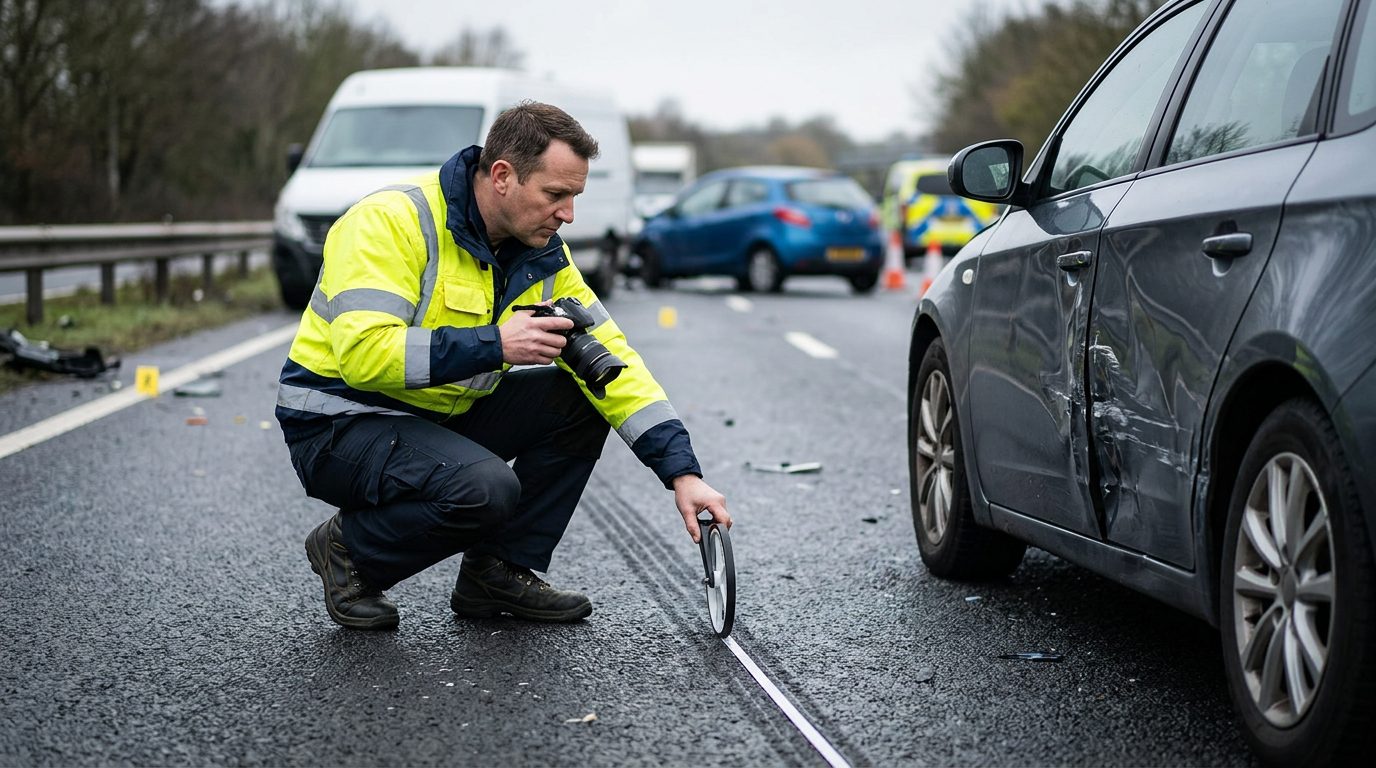
Contact the police department that responded to the crash. This is the most direct path. Call the records or administrative division. Provide the date, location, and any vehicle or driver details you have. Ask for a crash report or incident report.
Request by phone, mail, or online portal. Many departments accept requests through multiple channels. Some have online portals where you can submit a request and pay any applicable fee. Others require a phone call or written request by mail.
Florida Highway Patrol (FHP) generally handles crashes on state roads and highways. If the crash occurred on a state road, interstate, or highway, you may want to contact FHP directly, though local agencies can also respond to crashes within their jurisdiction. Local police departments may handle crashes on city streets, and sheriff’s offices may handle crashes on county roads outside city limits. If you’re unsure which agency responded, start with the local police non-emergency line—they can direct you.
Be prepared to wait. Crash reports aren’t always available immediately. High-profile accidents or those under investigation may take longer.
Check Local Hospitals and Medical Examiner Offices
If you’re concerned about injuries, hospitals are a logical next step.
Call the main desk or admissions department. Ask if the person was admitted under their name. Hospital staff are generally bound by federal privacy rules (HIPAA), which limit what they can disclose about a patient. Depending on the patient’s wishes and the hospital’s policies, staff may not be able to confirm a patient’s presence or condition. But you can leave your name and number and ask them to relay a message.
Call the medical examiner’s office if you’re concerned about a fatality. Some medical examiner records may be available by phone or public records request, but others may be restricted.
Ask for the non-emergency line or records department. Don’t call 911 unless there’s an active emergency. Use the hospital’s main number or look up the records department directly.
Have questions about what happened?
Ask our team directly. Questions can be raised with our team, and CHG charges no attorney’s fees and no case costs unless there is a recovery.
Monitor Local News and Traffic Alerts
Accidents that cause injuries, fatalities, or significant traffic disruption may be reported in local news.
Search local news websites and archives. Some news stations maintain searchable archives. Search by date, location, or vehicle type.
Follow local traffic and community social media. Local Facebook groups, Nextdoor, and Twitter/X accounts may also share information about accidents. Community members may have witnessed the crash or know the people involved.
Set up news alerts. Use Google News or your local news station’s app to get alerts about accidents in a specific area.
Contact Towing and Vehicle Storage Facilities
Vehicles involved in crashes may be towed to local impound lots or storage facilities.
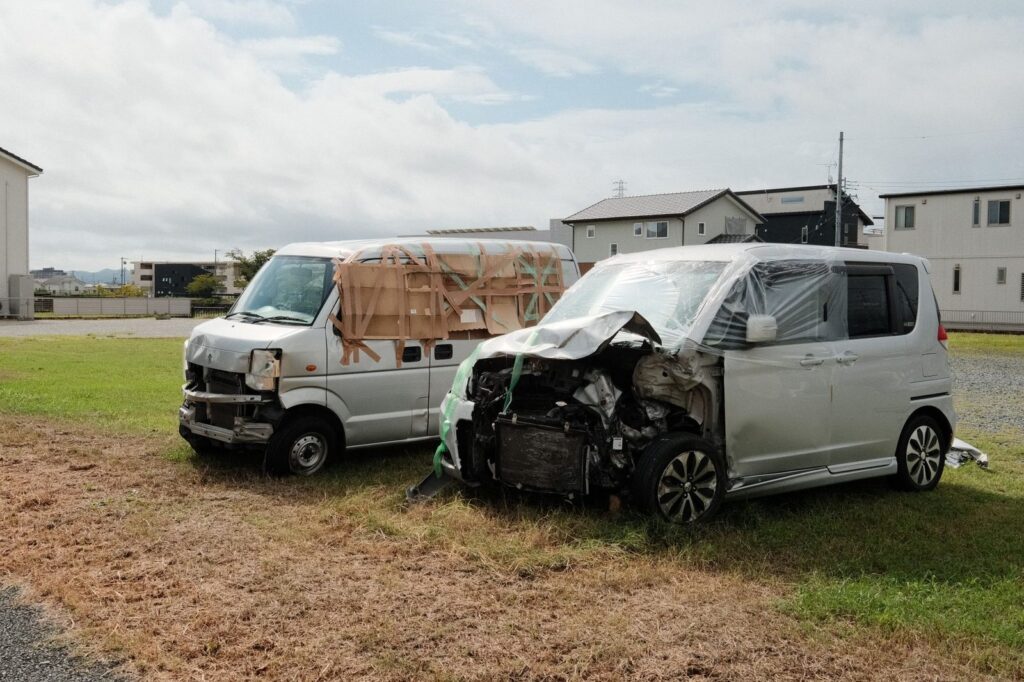
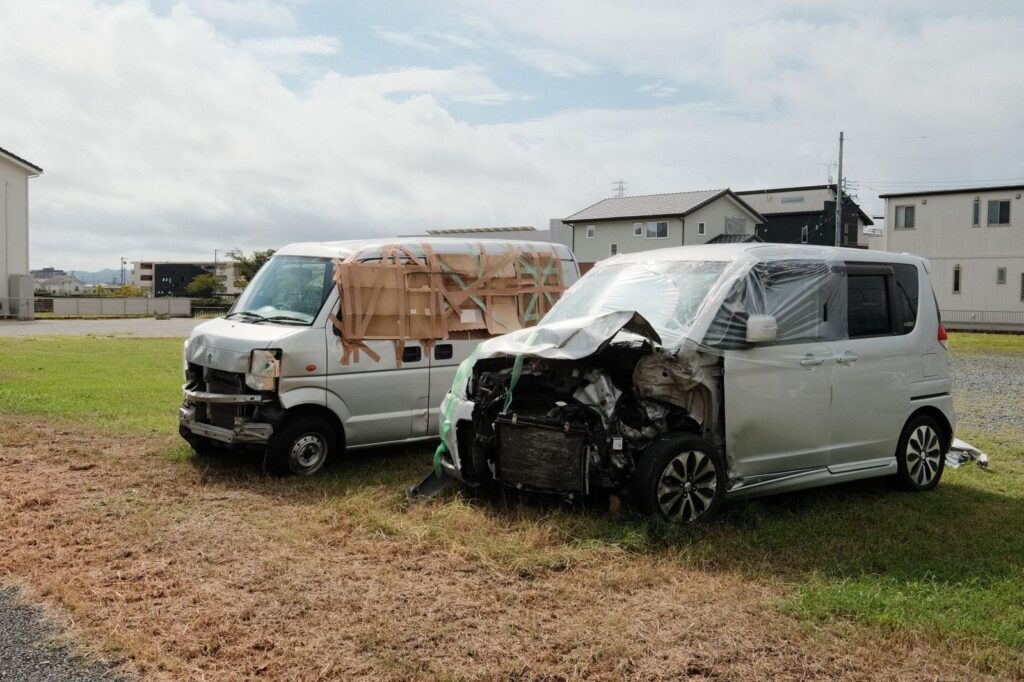
Call towing companies and impound facilities in the area. Provide a description of the vehicle (color, make, model, approximate year) and the date and location of the accident. Ask if a matching vehicle is in their lot.
Ask about vehicle release and storage fees. If the vehicle is there, you can ask about the condition and storage costs. This information may help you understand how serious the crash was.
Ask Around Within Your Network
Sometimes the fastest answers come from people close to home.
Reach out to mutual friends, family, and coworkers. Someone may have heard from the person or know details you don’t.
Check social media. Look at the person’s recent posts, check-ins, or stories. Ask mutual friends if they’ve seen any updates.
Talk to neighbors or people in the area. If the accident happened near a workplace, school, or residential area, someone nearby may have witnessed it or heard about it.
What If the Accident Resulted in Injury?
Not all car accidents are minor fender-benders. Serious crashes can cause injuries that change someone’s life forever.
Injuries range from minor to catastrophic. Whether an injury heals or is permanent depends on the injury and the person, and those questions should be answered by the person’s doctors. Injuries such as spinal cord injuries, paralysis, traumatic brain injuries, amputations, and severe burns may have lasting effects. Such injuries may require ongoing medical care, rehabilitation, assistive devices, or home modifications, depending on the person’s condition. They can prevent someone from working, caring for their family, or living independently.
Medical bills and lost income add up quickly. A person hospitalized for a serious injury faces immediate costs: emergency care, surgery, intensive care, rehabilitation.
Which insurance applies, and in what order, depends on the facts of each case and on Florida law. But insurance claims can be complex. Injured people may find it helpful to get guidance about their rights and the claims process, depending on the facts of their case.
Early legal guidance may help an injured person understand their options. If someone you know was seriously hurt in a car accident, speaking with an attorney early—even before a lawsuit is filed—can help. An attorney can explain the injured person’s rights, review insurance coverage, and help them understand the deadlines that may apply to their case. In Florida, the deadline for filing a negligence claim is generally two years under § 95.11(4)(a) for causes of action that accrued after March 24, 2023. Other claims and exceptions may have different deadlines, so the facts of each case matter.
Want to know where you stand?
Tell us what happened and our team will walk you through the options available to you, at no cost.
When to Seek Legal Help
You don’t need a lawyer to find accident information. But if the accident resulted in serious injury or death, legal guidance becomes important.
Reach out if someone was seriously injured. Spinal cord damage, paralysis, traumatic brain injury, amputation, severe burns, or any injury requiring long-term care warrants a conversation with an attorney.
Contact an attorney if there are questions about fault or insurance. Was the other driver clearly at fault? Is their insurance adequate? Is your own insurance denying coverage? These questions matter, and an attorney can help.
Seek help if the injured person faces permanent disability. If the injury will affect someone’s ability to work, care for themselves, or live independently, they may have a significant claim. Families in that position benefit from early legal guidance.
Reach out if the at-fault driver was uninsured or underinsured. If the responsible driver didn’t carry enough insurance to cover the injuries, you may have other options—and an attorney can explain them.
Contact an attorney if a loved one was killed in the crash. Wrongful death claims allow surviving family members to recover damages. These cases are complex and time-sensitive; early legal guidance protects the family’s rights.
Frequently Asked Questions
How long does it take to get a crash report in Florida?
Most crash reports are available within one to three weeks, though complex or ongoing investigations may take longer. Some departments prioritize requests from insurance companies or attorneys.
Can I find out who was at fault in a car accident?
Police reports often include the officer’s assessment of fault, but fault is ultimately determined by insurance companies or a court. An attorney can review the report and explain liability.
What if I can’t find the accident report?
Try contacting the police department directly by phone. If the accident was on a state road, contact Florida Highway Patrol. If you’re still stuck, an attorney can help locate or request the report.
How long do I have to file a claim after a car accident in Florida?
For most negligence claims arising on or after March 24, 2023, the deadline is two years from the date of injury. Don’t wait—early action protects your rights.
What if the injured person can’t work because of their injuries?
Lost income is a recoverable damage in a personal-injury claim. An attorney can help calculate lost wages and negotiate for fair compensation.
If you’ve found the accident information you were looking for and someone was seriously injured—suffering spinal cord damage, paralysis, traumatic brain injury, amputation, severe burns, or any life-altering condition—or if a loved one was killed, reach out to discuss what legal protections and compensation may be available. Families navigating catastrophic injury and loss can contact us to understand their options and protect their rights.
Ways to Find Out About a Car Accident
Police Crash Reports
Contact the law enforcement agency that responded to the accident. Most departments maintain crash reports available to the public or involved parties. Request the report by case number, date, or location.
Insurance Company Records
If you were involved in the accident, your insurance company has documentation of the claim. If you're inquiring about someone else's accident, their insurer may share information with authorized parties.
Court and Legal Records
If a lawsuit was filed related to the accident, court filings are typically public record. Check the county courthouse or online court databases for civil or criminal cases.
Hospital and Medical Records
Medical records document injuries sustained in an accident. These are private but may be obtained by the injured person, their attorney, or authorized representatives.
Important: Privacy and Authorization
Not all accident information is public. Personal details, medical records, and some police report contents may be restricted. If you're seeking information about someone else's accident, you may need their written consent or a valid legal reason to access certain records.
Common Questions About Accident Records
How long does it take to get a crash report in Florida?
Most crash reports are available within one to three weeks, though complex or ongoing investigations may take longer. Some departments prioritize requests from insurance companies or attorneys.
Can I find out who was at fault in a car accident?
Police reports often include the officer's assessment of fault based on evidence at the scene. However, fault determination in insurance claims or lawsuits may differ from the police report's conclusion.
What information is included in a crash report?
Crash reports typically contain driver and vehicle information, witness statements, accident location and time, weather conditions, injuries reported, and the officer's narrative of how the accident occurred.
How do I request a police report?
Contact the police department or sheriff's office that responded to the accident. Many agencies allow requests online, by mail, or in person. You'll usually need the case number, date, and location of the accident.
Why You Might Need Accident Information
Insurance Claims
Crash reports and accident details are essential for filing insurance claims and supporting your account of what happened.
Legal Action
If you were injured or suffered property damage, accident records help establish liability and support a personal injury claim.
Medical Documentation
Accident reports and medical records create a clear timeline linking your injuries to the collision.
Settlement Negotiations
Detailed accident information strengthens your position when negotiating with insurance companies or the at-fault party.
If You've Been Injured in a Car Accident
Gathering accident information is an important first step, but if you've suffered injuries—whether minor or severe—it's critical to understand your rights. A car accident can result in anything from minor cuts and bruises to catastrophic injuries like spinal cord damage, traumatic brain injury, or permanent disability. The decisions you make now can affect your ability to recover fair compensation.