

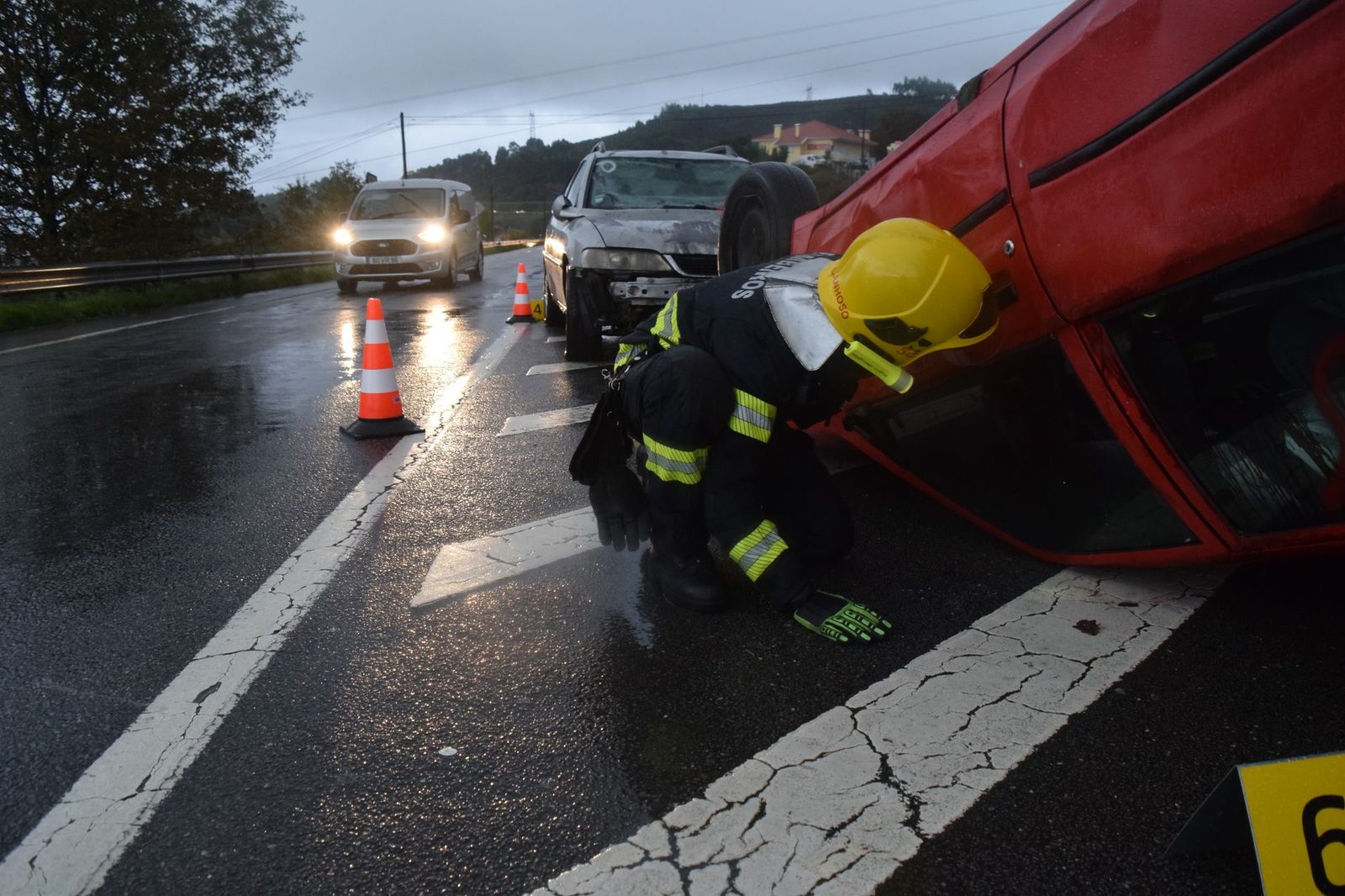
Car Accident Injuries
How to Prove PTSD After a Car Accident: Documentation That Matters
Post-traumatic stress is a real injury. Learn what evidence you need to document it—and how it strengthens your claim.
By CHG Lawyers · Published September 30, 2026
How to Prove PTSD After a Car Accident in Florida
PTSD (post-traumatic stress disorder) is a mental-health condition that develops after a traumatic event like a serious car crash. Proving PTSD requires a formal clinical diagnosis, medical records, and evidence showing real harm to your daily life. Unlike a broken bone, there’s no X-ray for PTSD. Your proof depends on thorough records, ongoing treatment, and a clear link between your accident and when symptoms started.
If you’ve had a serious crash and now have flashbacks, nightmares, anxiety, or avoid driving, you may wonder if you have a legal claim. This guide explains how to prove PTSD after a car accident and what documentation insurers and courts actually require.
Not sure what your next step is?
Talk it through with our team — the first consultation is free, confidential, and carries no obligation.
Understanding PTSD After a Car Accident
PTSD is a recognized mental-health condition that develops after a traumatic event. Not everyone in a car accident develops PTSD. It’s a specific diagnosis, not a normal stress response.
For a legal claim, you must show two things:
- Your PTSD is directly connected to the car accident.
- It has caused real, measurable harm to your life.
This means proving your symptoms began after the crash, meet clinical criteria for PTSD, and have interfered with your ability to work, maintain relationships, or perform everyday tasks.
How PTSD Is Diagnosed
PTSD is diagnosed by a mental-health professional: a psychiatrist, psychologist, or licensed clinical social worker. They use specific clinical criteria from the Diagnostic and Statistical Manual of Mental Disorders (DSM-5).
The diagnosis requires that you experienced a traumatic event and have symptoms lasting more than one month.
Symptoms fall into four categories:
- Re-experiencing: Flashbacks, nightmares, or intrusive thoughts about the crash.
- Avoidance: Avoiding driving, certain roads, or reminders of the accident.
- Negative mood and cognition changes: Guilt about the crash, difficulty remembering it, or feeling detached from others.
- Changes in arousal and reactivity: Hypervigilance while driving, exaggerated startle response, or irritability.
A formal diagnosis documented in your medical record is the foundation of your claim.
Medical Evidence You Need to Prove PTSD
Building a strong PTSD claim requires multiple forms of documentation:
Formal Diagnosis
A written diagnosis from a qualified mental-health professional is primary evidence. It must clearly state PTSD in your medical records.
Symptom Documentation with Timeline
Records showing your symptoms and when they started after the car accident. The closer your symptom onset to the crash date, the stronger the link. Insurers pay close attention to this connection.
Treatment Timeline and Early Intervention
Documentation of when you sought mental-health treatment after the accident. Early professional intervention—ideally within days or weeks—significantly strengthens your claim. Long gaps between the accident and seeking help give insurers reason to argue your symptoms are unrelated.
Standardized PTSD Assessment Tools
Records from formal assessments your provider conducted using validated instruments:
- PCL-5 (PTSD Checklist for DSM-5): A 20-item self-report measure that quantifies symptom severity on a 0–80 scale. Scores of 33 or higher suggest probable PTSD.
- CAPS-5 (Clinician-Administered PTSD Scale for DSM-5): A structured clinical interview administered by a professional. This is considered the gold standard for PTSD assessment.
These tools provide objective, measurable data that insurers cannot easily dismiss. Repeated assessments over time show whether your condition is improving, stable, or worsening.
Medication Records
Prescriptions for medications treating PTSD symptoms—such as sertraline (Zoloft), paroxetine (Paxil), or prazosin (Minipress)—show that a licensed professional has recognized your condition and is actively treating it.
Therapy and Treatment Notes
Records from ongoing therapy or counseling sessions documenting your symptoms, progress, setbacks, and the impact of PTSD on your daily functioning. Ask your therapist to note specific triggers, avoidance behaviors, and functional limitations in each session note.
How PTSD Impacts Daily Life and Functionality
Insurers and courts want to see that you have a PTSD diagnosis and that it has caused real, measurable harm.
Work and Income
Document how PTSD affects your ability to work: missed days, reduced productivity, inability to concentrate, job loss, or demotion. Obtain written confirmation from your employer if possible.
Relationships and Social Life
Show how PTSD has changed your relationships: withdrawal from family and friends, strain on your marriage, or reduced involvement in activities you previously enjoyed. Family members can provide written statements about observed changes.
Daily Activities and Mobility
Describe how PTSD affects your ability to perform everyday tasks: driving anxiety that prevents commuting, sleep disruption, or avoidance of places that remind you of the crash. If you’ve had to rely on others for transportation or stop driving altogether, document these changes.
Your mental-health provider’s treatment notes should explicitly reflect these functional impacts. During appointments, tell your therapist: “I couldn’t go to work because of panic attacks” or “I haven’t driven since the accident.” Ask your provider to document these statements in their clinical notes.
Why Insurers Scrutinize PTSD Claims—and How Documentation Overcomes Skepticism
Insurance companies are skeptical of PTSD claims for specific reasons:
- Subjectivity: PTSD symptoms are reported by you and cannot be verified by imaging or lab tests.
- High prevalence without PTSD: Most people in car accidents do not develop PTSD.
- Delayed or inconsistent treatment: Gaps in your treatment record invite arguments that your symptoms weren’t severe or weren’t caused by the accident.
- Lack of objective markers: Without standardized assessment scores or clear functional impairment, your claim relies on your word.
How to overcome this skepticism:
- Use validated assessment tools like PCL-5 and CAPS-5 scores.
- Seek treatment early after the accident.
- Maintain consistency across all records.
- Document functional impairment in detail: “I’ve missed 12 days of work due to panic attacks.”
- Obtain statements from family, employers, or friends about observed changes.
- Continue treatment consistently.
Have questions about what happened?
Ask our team directly. The first conversation is free, confidential, and there is no obligation to continue.
Common Signs of PTSD After a Car Accident
Understanding these signs can help you recognize whether what you’re experiencing may be PTSD:
- Flashbacks or intrusive memories of the crash
- Nightmares about the accident or related scenarios
- Severe anxiety or panic attacks, especially when driving
- Avoidance of driving or riding in cars
- Hypervigilance while driving: excessive mirror checking or difficulty trusting other drivers
- Emotional numbness or detachment from family and friends
- Guilt or shame about the accident
- Difficulty concentrating or remembering details of the crash
- Sleep disturbances: insomnia, nightmares, or waking in a panic
- Irritability, anger, or mood swings
If you’re experiencing several of these signs after your car accident, professional evaluation is the next step.
Building Your Documentation: What to Do Now
Seek Professional Evaluation Immediately
Schedule an appointment with a mental-health professional—a psychiatrist, psychologist, or licensed clinical social worker—who can diagnose PTSD and begin treatment. Early intervention strengthens your claim and your recovery.
Be Detailed and Honest
When describing your symptoms, be as specific as possible. Instead of “I’m anxious,” say “I have panic attacks when I see a truck similar to the one that hit me” or “I wake up three times a night with nightmares about the crash.”
Organize Your Records
Keep all medical records, treatment notes, prescription records, and assessment scores in one place.
Work With Your Provider
Tell your mental-health provider that you’re pursuing a legal claim related to the car accident. Ask them to document how PTSD is affecting your work, relationships, and daily functioning. Request that they note the date of symptom onset, standardized assessment results, and your functional limitations in their clinical notes.
Keep a Personal Journal
Document your symptoms, triggers, and how they affect your day-to-day life. Note specific incidents: “March 15: Had panic attack at red light; couldn’t continue driving.”
Don’t Delay Treatment
The sooner you’re diagnosed and begin treatment, the stronger your claim will be.
Can I Get a Settlement for PTSD After a Car Accident?
Yes, PTSD is a recognized injury in personal-injury law, and you may be entitled to compensation. Settlements for PTSD typically cover:
- Past and future mental-health treatment (therapy, medication, psychiatric care)
- Lost wages due to inability to work
- Pain and suffering damages
The amount depends on the severity of your PTSD, the strength of your medical evidence, the impact on your life, and the accident circumstances. Having thorough, consistent documentation strengthens your position in negotiations.
Deadline to Pursue a Car Accident Lawsuit for PTSD in Florida
In Florida, the statute of limitations for personal-injury claims, including PTSD, is two years from the date of the accident, as set out in Fla. Stat. § 95.11.
This means you have two years to file a lawsuit (Fla. Stat. § 95.11(5)(a)). Starting the process early—by seeking medical treatment, gathering evidence, and consulting with an attorney—protects your rights and strengthens your claim.
Florida’s Comparative Fault Rule: Florida follows a “modified comparative fault” standard under Fla. Stat. § 768.81. Even if you are partially at fault for the accident, you can still recover damages. Your award is reduced by your percentage of fault. For example, if you’re found 20% at fault and your PTSD damages are valued at $50,000, you would recover $40,000.
An attorney can help you understand how to value your claim and when to settle or pursue litigation.
Want to know where you stand?
Tell us what happened and our team will walk you through the options available to you, at no cost.
Frequently Asked Questions
How is PTSD different from normal stress after a car accident?
Normal stress typically fades over time with rest and support. PTSD involves persistent symptoms lasting more than one month, including flashbacks, nightmares, avoidance, and changes in mood or arousal that significantly interfere with daily life.
Do I need to see a therapist to prove PTSD after a car accident?
Yes. A formal diagnosis from a qualified mental-health professional is essential. Without professional evaluation and documentation, you won’t have the medical evidence needed to support your claim.
What if I didn’t seek treatment immediately after the accident?
Delayed treatment can weaken your claim, but it doesn’t necessarily destroy it. Document when you first noticed symptoms and explain why you delayed seeking help. Consistency in your current records and ongoing treatment still matter.
Can an insurance company deny my PTSD claim?
Yes, insurers can deny or dispute PTSD claims. Consistent medical records, clear functional impairment, standardized assessment scores, and a strong causal link to the accident make denial harder to justify.
How long does PTSD treatment typically last?
Treatment duration varies widely. Some people benefit from therapy within a few months; others require longer-term treatment. Your medical records will show your treatment timeline and progress.
Next Steps: Understand Your Claim
If you’re struggling with flashbacks, nightmares, or anxiety after a crash and wondering whether you have a legal claim, clarifying your situation can help. Understanding what documentation you have and how PTSD claims work is the first step.
Learn more about car accident injury claims in Florida and personal injury documentation requirements. We handle car accident cases nationwide and understand how PTSD claims work and what insurers scrutinize. Working with medical professionals strengthens your position.
Contact us for a free case evaluation. We’ll review your situation, explain your options, and help you understand what your claim may be worth.
Key Documentation Steps
Seek Professional Mental Health Evaluation
Visit a therapist, psychologist, or psychiatrist as soon as possible after the accident. A formal diagnosis from a licensed mental health professional is the foundation of your PTSD documentation. Keep detailed records of all appointments, diagnoses, and treatment notes.
Maintain a Symptom Journal
Document your daily experiences: flashbacks, nightmares, anxiety, avoidance behaviors, and how they affect work, relationships, and routine activities. Date each entry and be specific about triggers and severity. This contemporaneous record is powerful evidence of ongoing impact.
Gather Medical Records and Diagnoses
Collect all clinical documentation: psychological evaluations, DSM-5 diagnoses, treatment plans, and progress notes. Request records from every provider who has treated you. These form the clinical foundation that proves your condition meets diagnostic criteria.
Document Impact on Daily Life
Collect evidence of how PTSD has changed your ability to work, socialize, drive, or care for yourself: performance reviews, emails from your employer, messages from family, or records showing missed work or reduced hours. Real-world impact strengthens your claim.
What Strengthens Your PTSD Documentation
Consistent Professional Treatment
Regular sessions with a therapist or psychiatrist show that your condition is ongoing and serious. Gaps in treatment can weaken your case, so maintain continuity of care and document every visit.
Objective Diagnostic Criteria
Your provider should document how your symptoms meet the clinical definition of PTSD: intrusive memories, avoidance, negative mood changes, and arousal changes lasting more than one month and interfering with daily functioning.
Witness Statements
Family, friends, or colleagues who have observed changes in your behavior, mood, or ability to function can provide supporting testimony. Their observations corroborate the impact documented by your mental health provider.
Timeline of Symptoms
Show when symptoms began (immediately or shortly after the accident) and how they have evolved. A clear timeline linking symptoms to the crash strengthens the causal connection your claim depends on.
Important: Start Treatment Early
Seeking mental health care immediately after a car accident is not only right for your health—it also creates the documentation trail that supports your claim. Delays in treatment can make it harder to prove that your PTSD stems from the accident rather than other causes.
Common Questions About PTSD Documentation
How is PTSD different from normal stress after a car accident?
Normal stress typically fades over time with rest and support. PTSD involves persistent symptoms lasting more than one month—including flashbacks, nightmares, avoidance, and changes in mood or arousal—that significantly interfere with daily life, work, and relationships.
Do I need to see a therapist to prove PTSD?
Yes. A formal diagnosis from a licensed mental health professional is essential. Your provider's clinical notes, treatment plan, and progress records form the backbone of your documentation. Self-diagnosis or informal support alone is not sufficient for a legal claim.
What if I didn't seek treatment right away?
It's never too late to start. Seek professional help now and explain the delay to your provider. They can document your current symptoms and their connection to the accident. Your journal entries, witness statements, and records of impact can help bridge the gap.
Can my medical records alone prove PTSD?
Medical records are crucial, but they work best alongside other evidence: your symptom journal, witness statements, employment records showing reduced performance, and documentation of how PTSD has changed your daily life. Together, these create a complete picture.