

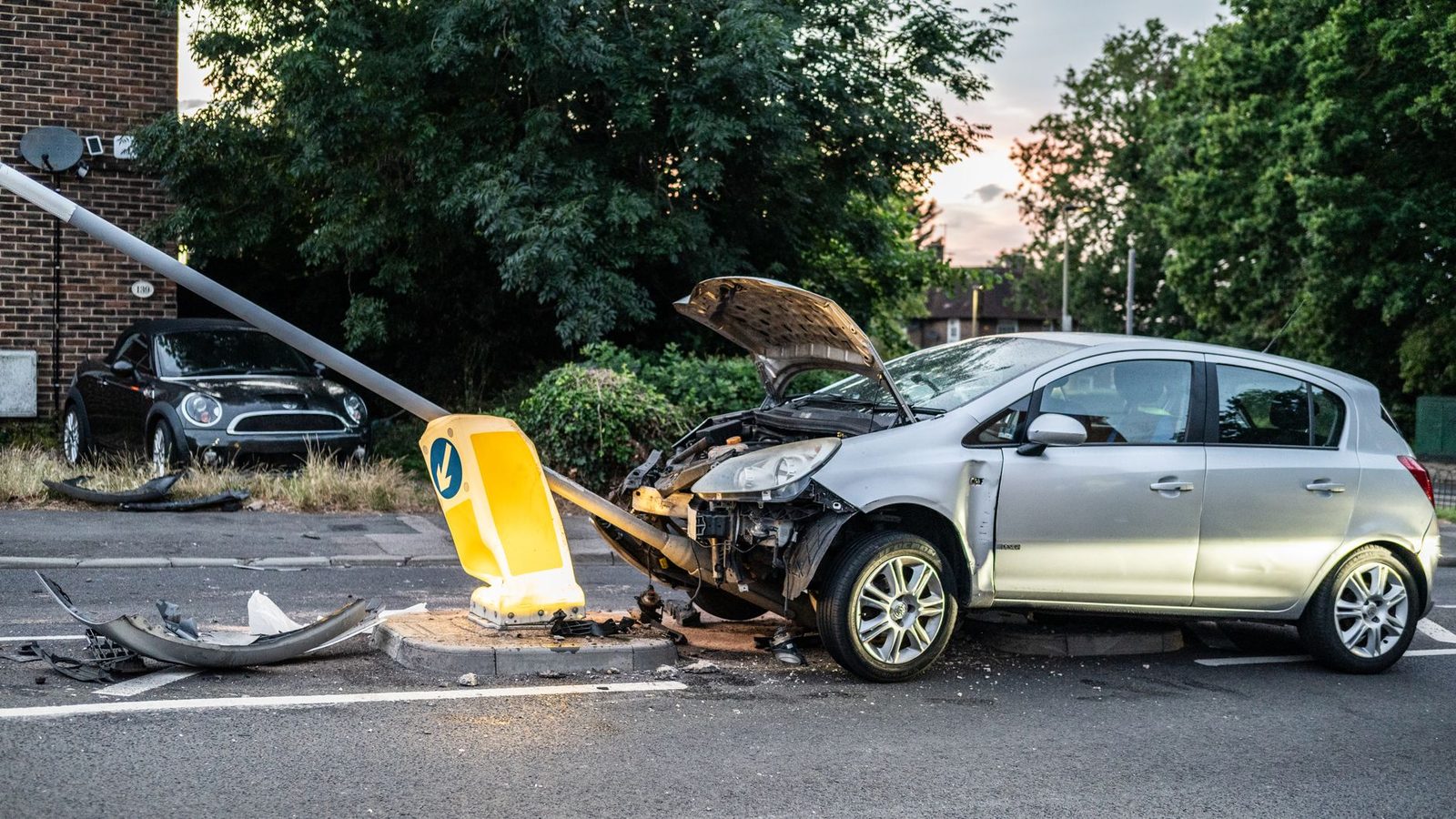
Car Accidents in Hialeah Gardens
What to Do After a Car Accident—and How to Protect Your Claim
From the first moments after impact to filing a claim, here's what you need to know. CHG Personal Injury Lawyers focuses exclusively on helping injured people recover.
By CHG Lawyers · Published September 19, 2026
Car Accidents in Hialeah Gardens: Florida’s Two-Year Deadline and Your Claim Rights
After a car accident in Hialeah Gardens, your immediate priorities are safety, medical care, and documentation. Hialeah Gardens sits in Miami-Dade County where the Palmetto Expressway feeds into residential streets, creating a traffic mix that generates regular collisions. But once you’re stable, a harder question emerges: what comes next, and how much time do you actually have?
Florida gives you two years from the date of the accident to file a personal injury lawsuit—but that deadline is deceptive. Evidence disappears in weeks. Witnesses move or forget. The clock is running now, whether you realize it or not.
This guide walks you through the practical steps after a crash in Hialeah Gardens, shows you how to access official records, explains Florida’s unique no-fault insurance system and comparative-fault rule, and helps you understand when legal action matters.

If you're facing serious injury, lost income, or ongoing treatment after a car accident in Hialeah Gardens, reach out for a free case evaluation. Talk it through with our team — the first consultation is free, confidential, and carries no obligation.
What to Do Right After a Car Accident in Hialeah Gardens
Move to safety. Call 911 if anyone is injured or there is significant damage.
If you’re in a moving lane and it’s safe, move your vehicle to the shoulder or nearby parking. Turn on your hazard lights. If you’re injured or trapped, stay in the vehicle and wait for emergency responders.
Exchange information with the other driver.
Get their name, phone number, address, insurance company name and policy number, driver’s license number, and vehicle make, model, and license plate. Write it down or take a photo of their insurance card and driver’s license.
Take photos of everything at the scene.
Photograph vehicle damage from multiple angles, the accident scene, road conditions, traffic signs, skid marks, and the other vehicle. Photos taken immediately are powerful evidence—they preserve details that memory cannot.
Get contact information from any witnesses.
Ask for their name, phone number, and what they saw. Witnesses often move or change phone numbers. Getting their details immediately is critical—you may never reach them again.
Report the accident to your insurance company.
Call as soon as reasonably possible. Answer their questions truthfully. Do not admit fault or sign anything beyond your insurance claim form. Stick to the facts: time, location, vehicles involved, and what happened.
Seek medical attention even if you feel fine.
Some injuries—concussions, whiplash, internal bleeding, spinal cord damage—don’t show symptoms for hours or days. A medical visit creates a documented record linking your injuries to the accident. This record is critical evidence later and protects your health.
Keep records of everything.
Save copies of the police report, medical records, treatment bills, prescription receipts, repair estimates, photos, and any communication with insurance companies. These documents are your evidence.
How to Access Your Accident Report and Official Records
Official records are the legal foundation of your accident claim.
Traffic crash reports are public records filed with the state.
Every reported traffic crash in Hialeah Gardens is documented by either the Hialeah Gardens Police Department or the Florida Highway Patrol (FHP). These reports include the date, time, location, vehicles involved, driver information, injuries reported, and the officer’s initial assessment of fault.
How to request your crash report:
- From the Hialeah Gardens Police Department: Contact the Records Bureau at the Hialeah Gardens Police Department. You can request a report in person, by phone, or through their online portal. Provide the date, time, and location of your accident. There is typically a small fee (usually $5–$10).
- From the Florida Highway Patrol: If FHP responded to your accident (common on expressways like the Palmetto Expressway), request the report from the FHP Records Bureau. You’ll need the report number, date, and location.
- Through your insurance company: Your insurer will have a copy once it’s filed with the state. Ask them to provide it.
Why the official report matters:
The crash report filed with law enforcement is the legal record. Insurance companies and courts rely on it. It documents the officer’s observations, statements from drivers and witnesses, and the initial determination of fault. This document shapes how your claim is evaluated.
Understanding Your Car Accident Claim in Florida: No-Fault Insurance and the Serious Injury Threshold
Florida’s insurance and liability system differs fundamentally from most states. Understanding it is essential to knowing what you can recover.
Florida is a no-fault insurance state.
Your own auto insurance—specifically your Personal Injury Protection (PIP) coverage—pays your medical bills and lost wages up to your policy limit (typically $10,000), regardless of who caused the accident. You don’t have to prove the other driver was at fault to get your medical bills paid from your own policy. This is the first layer of coverage.
But you can pursue a claim against the at-fault driver’s insurance only if your injuries are serious enough.
A minor fender-bender with soreness that resolves in a week typically doesn’t meet this threshold. A serious injury does.
Serious injuries from car accidents include:
- Spinal cord injuries and paralysis (paraplegia or quadriplegia)
- Traumatic brain injuries and permanent cognitive changes
- Broken bones requiring surgery or extended recovery
- Severe burns
- Amputations or permanent limb loss
- Permanent nerve damage or chronic pain
- Severe scarring or disfigurement
If your injury meets this threshold, you can recover damages from the at-fault driver’s insurance beyond your PIP coverage.
If you meet the serious injury threshold, you can recover damages for:
- Medical expenses (emergency care, surgery, rehabilitation, ongoing treatment)
- Lost wages and lost earning capacity
- Pain and suffering
- Permanent disability and loss of enjoyment of life
The Cost of Delay: Why Florida’s Two-Year Statute of Limitations Is a Hard Deadline
Florida’s statute of limitations for personal injury claims is two years from the date of the accident. Two years sounds like a long time—until it isn’t.
Here’s what happens as time passes:
- Witnesses disappear. People move, change phone numbers, or forget what they saw. A witness statement taken weeks after an accident is stronger than one taken a year later. After two years, many witnesses are unreachable. Traffic camera footage—typically kept for 30–90 days—is overwritten or deleted.
- Evidence fades or is lost. Skid marks disappear. Debris is cleared. Repair shops discard damaged vehicle parts. Photos and documents get lost or damaged. Physical evidence that would have been available immediately is gone.
- Medical records become harder to link to the accident. The longer the gap between your injury and your treatment, the harder it is to prove the accident caused your injury—especially if you delayed seeking care.
- Your memory blurs. Details you remember clearly now—the weather, the other driver’s speed, what you were doing—become fuzzy after months or years.
- The deadline arrives with no warning. Miss the two-year deadline by one day, and your claim is barred forever. No exceptions.
Reaching out to an attorney early doesn’t obligate you to file a lawsuit.
It protects your case. An attorney can preserve evidence, interview witnesses while their memories are fresh, and document the accident scene before it changes. Early action also gives you time to understand the full extent of your injuries before making settlement decisions.
Even Partial Fault May Not Bar Your Claim: Florida’s Comparative Negligence Rule
Many accident victims assume that if they were even slightly at fault, they have no claim. That’s not true in Florida.
Florida’s comparative negligence rule (Statute § 768.81) allows you to recover damages if you were 50% or less responsible for the accident. Your recovery is reduced by your percentage of fault.
Example: You’re stopped at a red light when another driver runs the light and hits you. You were texting and didn’t see the other car coming until impact. A court might find you 20% at fault (distracted driving) and the other driver 80% at fault (running the light). You can still recover—your damages are reduced by 20%.
Partial fault doesn’t automatically eliminate your claim. The court weighs the conduct of both drivers and allocates fault fairly. This rule protects injured people from being shut out of recovery simply because they made a minor mistake.
Not sure what your next step is?
Talk it through with our team — the first consultation is free, confidential, and carries no obligation.
Types of Car Accident Claims: Understanding Your Options
Car accident claims aren’t all the same. The type of accident and the parties involved determine how your claim proceeds.
Negligent driver claims are the most common: another driver violated traffic laws or failed to exercise reasonable care, and you were injured. Liability is based on their conduct.
Crashworthiness and defective vehicle claims arise when a vehicle’s design or manufacturing defect made injuries worse than they should have been. For example, a faulty seatbelt that failed to lock, or a door latch that opened on impact. These claims are brought against the vehicle manufacturer, not the other driver.
Rideshare accident claims involve Uber or Lyft drivers. These cases are complex because rideshare companies carry their own insurance, which may provide different coverage than a standard auto policy. The rideshare company’s insurance typically covers accidents while the driver is logged into the app and carrying passengers.
Commercial vehicle and truck accident claims involve commercial drivers or company vehicles. Commercial vehicles are often subject to stricter regulations, carry higher insurance limits, and may involve additional parties (the company that owns the vehicle, the company that loaded cargo, or a third-party logistics provider). Trucking companies also maintain detailed records—maintenance logs, driver logs, dispatch records—that can be crucial evidence.
Each type of claim requires different investigation and evidence. Understanding which type applies to your accident helps you understand what your case may involve.
When to Contact an Attorney About Your Car Accident
You don’t need a lawyer for every accident. But if any of the following apply to you, legal guidance is important.
You’ve been seriously injured.
If you’re unable to work, requiring ongoing treatment, or facing permanent changes to your life, an attorney can help you understand what your claim is worth and navigate the insurance process.
The other driver was clearly at fault and you have significant medical bills or lost income.
An attorney can investigate the accident, gather evidence, and help you recover fair compensation from the at-fault driver’s insurance.
The insurance company is denying your claim, offering too little, or pressuring you to settle quickly.
Never accept a settlement without understanding the full extent of your injuries. An attorney can review any offer and advise you on whether it’s fair.
Multiple vehicles were involved or liability is unclear.
When more than two vehicles are involved or fault is disputed, an attorney can investigate, interview witnesses, and build a strong case.
Time is running out.
The two-year statute of limitations is a hard deadline. Evidence fades and witnesses disappear long before that deadline arrives. The sooner you reach out, the stronger your case.
What Compensation Looks Like After a Serious Car Accident
Damages in a serious car accident case fall into two categories.
Economic damages are the measurable costs: medical bills, emergency care, surgery, rehabilitation, ongoing treatment, prescriptions, lost wages, and future lost earning capacity. If you can’t return to your job because of your injuries, your attorney can calculate what you’ll lose over your working lifetime.
Non-economic damages compensate for pain, suffering, and life changes: pain and suffering itself, loss of enjoyment of life, permanent scarring or disfigurement, emotional distress, and the loss of activities you used to enjoy.
In cases of catastrophic injury—paralysis, severe brain injury, or amputation—damages can be substantial. These cases often involve lifetime care costs, assistive equipment, home modifications, and ongoing medical management. A settlement or judgment in a catastrophic case can reach hundreds of thousands of dollars or more, depending on the severity of injury, medical costs, lost earning capacity, clarity of liability, insurance policy limits, and the strength of evidence.
Frequently Asked Questions
What should I do immediately after a car accident in Hialeah Gardens?
Move to safety if possible, call 911 if anyone is injured, exchange information with the other driver, take photos, get witness contact information, and report the accident to your insurance company—then seek medical attention.
How long do I have to file a personal injury lawsuit after a car accident in Florida?
Florida’s statute of limitations is two years from the date of the accident, but evidence fades and witnesses become harder to locate, so don’t wait.
What counts as a “serious injury” in a Florida car accident claim?
Permanent impairment, significant scarring, or substantial loss of function—including spinal cord injuries, traumatic brain injuries, amputations, severe burns, and permanent nerve damage.
What if I was partially at fault for the car accident?
Under Florida’s comparative negligence rule, you can still recover if you were 50% or less at fault; your recovery is reduced by your percentage of fault.
How much compensation can I get for a serious car accident injury?
Compensation depends on the severity of injury, medical costs, lost income, clarity of liability, insurance policy limits, and the strength of evidence; catastrophic injuries can result in substantial settlements or judgments.
How do I get a copy of my accident report in Hialeah Gardens?
Contact the Hialeah Gardens Police Department Records Bureau or the Florida Highway Patrol if they responded; provide the date, time, and location of your accident. There is typically a small fee.

Have questions about what happened?
Ask our team directly. The first conversation is free, confidential, and there is no obligation to continue.
Next Steps
Document everything from the moment of the crash: medical records, repair estimates, photos, witness names and contact information, and all communication with insurance companies and the other driver.
Do not settle with the insurance company without understanding the full extent of your injuries. Insurance adjusters are trained to minimize payouts. A quick settlement often leaves you short.
If you’re facing serious injury, lost income, or ongoing treatment after a car accident in Hialeah Gardens, reach out for a free case evaluation. A conversation with an attorney will help you understand your rights, what your claim may be worth, and what the next steps look like. Early action protects your evidence and your case.
Immediate Steps After a Car Accident
Check for Injuries & Call for Help
If anyone is hurt, call 911 immediately. Move to a safe location if possible—away from traffic. Even if injuries seem minor, seek medical attention; some injuries appear hours or days later.
Gather Information at the Scene
Exchange names, phone numbers, addresses, insurance details, and license plate numbers with the other driver(s). Get contact information from any witnesses. Take photos of vehicle damage, road conditions, traffic signs, and the accident scene from multiple angles.
Report to Your Insurance Company
Notify your insurer promptly. Stick to the facts and avoid admitting fault or speculating about what happened. Keep records of all conversations, claim numbers, and correspondence.
Consult an Attorney
Before signing anything or accepting a settlement offer, talk to a personal injury attorney. Early guidance protects your rights and helps you understand what your claim may be worth.
Don't Delay Medical Care
Waiting days or weeks to see a doctor can hurt your claim. Insurance companies may argue that your injuries weren't serious or weren't caused by the accident. Document every injury, symptom, and treatment from day one.
Why You Need a Personal Injury Attorney
We Handle the Paperwork
Claims involve medical records, insurance forms, police reports, and legal filings. We manage the details so you can focus on recovery.
We Protect Your Rights
Insurance adjusters work for the insurance company, not for you. We advocate for fair compensation on your behalf.
We Negotiate with Insurers
We know how insurance companies evaluate claims and what your case is worth. We push back on lowball offers.
We Know the Deadlines
Florida law sets strict time limits for filing claims and lawsuits. Missing a deadline can cost you your right to recover.
Common Questions About Car Accident Claims
What if the other driver doesn't have insurance?
This protection helps pay for your injuries even if the other driver has no insurance. Your attorney can help you file a claim under your own policy.
Can I recover if I was partially at fault?
Florida follows a comparative negligence rule (Fla. Stat. § 768.81(6)). You may still recover damages even if you were partly responsible, though your recovery is reduced by your percentage of fault. An attorney can help determine liability.
What damages can I recover?
You may be entitled to compensation for medical bills, lost wages, property damage, pain and suffering, and other losses caused by the accident. The value depends on the severity of your injuries and the circumstances of the crash.
How long does a car accident claim take?
Simple claims may settle in weeks or months. Complex cases with serious injuries can take longer. Your attorney will keep you informed and work to resolve your claim as efficiently as possible.
CHG Personal Injury Lawyers: Here for You
Serving Hialeah Gardens and All of Florida
We represent car accident victims throughout Florida and nationwide. No matter where your accident occurred, we're ready to help.
Free Case Evaluation
We'll listen to your story, answer your questions, and explain your options—at no cost. No attorney’s fees unless there is a recovery.
Focused on Your Recovery
We focus exclusively on personal injury claims. We understand the physical, emotional, and financial toll of a car accident and work to help you move forward.
Experienced Team
Our attorneys have years of experience handling car accident claims and negotiating with insurance companies on behalf of injured people.