
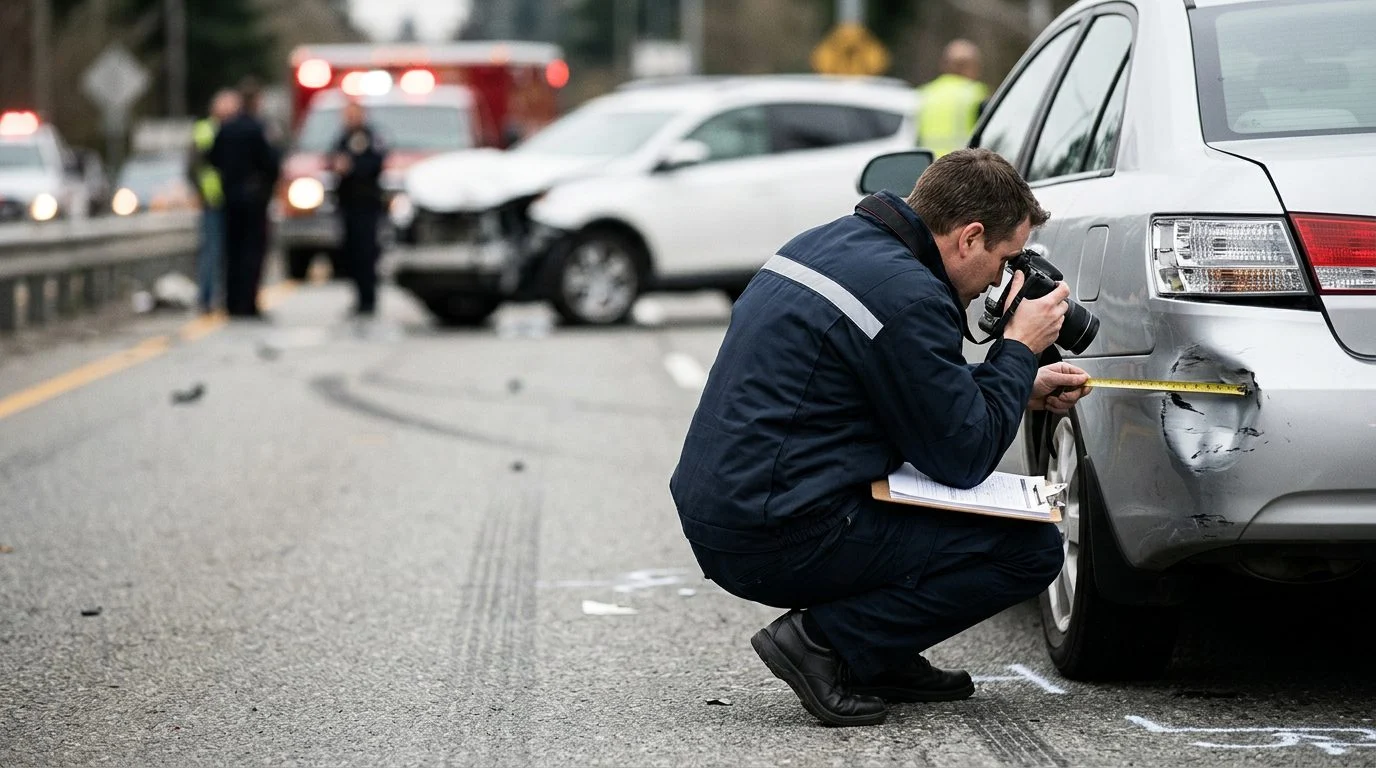
Car Accidents | Serving Florida
Minor Damage Doesn't Always Mean Minor Injuries
A small dent or a low-speed crash can still leave you hurt.
What to Know About Working With Us
Free
Confidential first consultation, with no obligation to continue
No Fees
No attorney's fees or case costs unless there is a recovery
Florida
Florida-based firm serving clients throughout Florida
Licensed
Attorneys admitted to The Florida Bar
By CHG Lawyers · Published October 21, 2026
Does Minor Damage Count as an Accident?
Does minor damage count as an accident? Yes, it can. Small damage to a vehicle does not decide whether a crash was an accident. It also does not decide whether someone was hurt. Florida injury claims depend on the people involved and the facts of each crash.
CHG Personal Injury Lawyers focuses on personal injury cases in Florida. This page is general information. It is not legal advice about your crash.
Not sure what your next step is?
Talk it through with our team — the first consultation is free, confidential, and carries no obligation.
Short Answer: A Crash Can Be an Accident Even When the Damage Looks Small
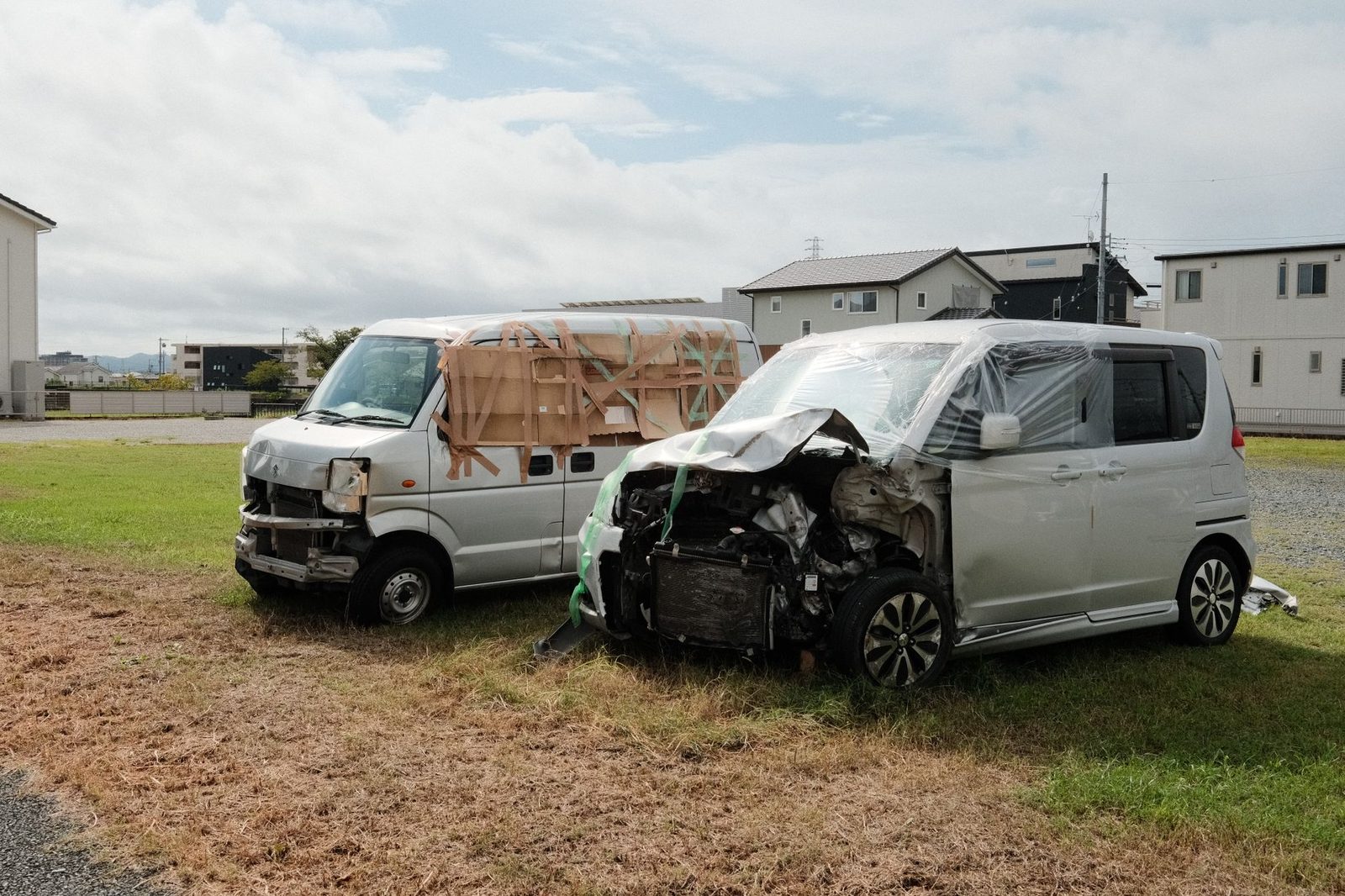
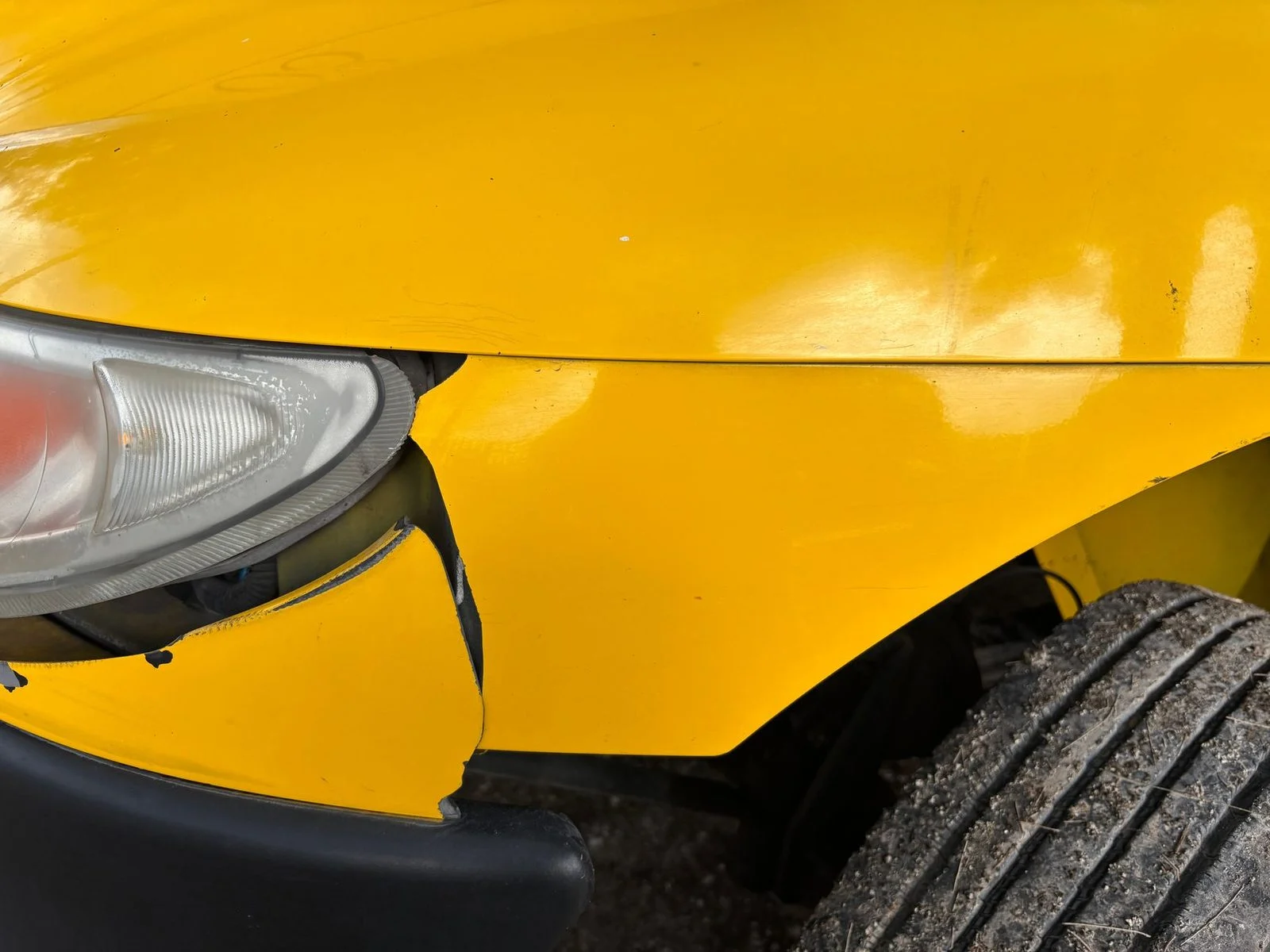
A crash can be an accident even when the car still drives. The bumper may only look scuffed.
Visible damage describes the vehicle. It does not describe how the people inside feel after the impact.
Low-speed collisions can still injure someone. Examples include a slow rear-end bump or a tap while backing out of a parking space.
Whether a crash caused harm depends on the details. Those details include how each person was positioned. They also include what the medical care shows.
So the size of the dent is only one question. By itself, it does not decide whether you may have a claim.
Why Vehicle Damage Is Not the Same as a Person’s Injury
Vehicle damage describes the car. A neck, back, or head injury describes the person. These can be very different.
A bumper can be scraped while a driver’s neck snaps forward and back. A passenger can feel pain even when the airbags do not deploy and the car drives away.
A vehicle history report, such as a Carfax entry, records what was reported about a vehicle. A minor-damage entry describes the car on paper. It does not show whether a person was hurt. It also does not decide whether a claim exists.
Repair estimates and vehicle history reports are only one part of the record. Photos, medical notes, and records of missed work may also matter. Keep them together.
Ask yourself what hurts, not only what got dented.
How Florida Looks at a Crash and Its Official Report
“Minor” is an everyday word. It is not the legal test for whether someone was hurt or may have a claim.
Every injury claim is different, and the facts of each case shape what happens next. Each one depends on the details of the case.
If a police or other agency wrote a crash report, ask how to get a copy. Keep it with everything else. Also save these items:
- the other driver’s name
- the other driver’s insurance details
- the other driver’s license plate number
Take photos of both vehicles from several angles. Include the road and any nearby lights or signs. Write down what each person said at the scene while you still remember it.
A report written at the scene may not describe how you feel days later. Treat it as one document. It is not the final word on your health.
Have questions about what happened?
Ask our team directly. The first conversation is free, confidential, and there is no obligation to continue.
Why Symptoms Can Appear Hours or Days Later
Some people notice neck pain, headaches, stiffness, or dizziness after a crash. Others notice these symptoms right away. Symptoms vary from person to person.
Feeling fine at the scene does not rule out an injury.
A medical provider can examine you, explain what is happening, and record what you report. That care comes first for your health. Follow your doctors’ care.
Tell the provider about every symptom, even ones that seem unrelated. Say when each one started. Some people wait to see if pain fades. Getting checked does not mean the crash was serious. It does help you understand your health.
A diagnosis or treatment record may matter to a claim in a given case. It does not promise any result. Keep follow-up visits, prescriptions, and written instructions together in one folder.
Florida No-Fault (PIP) Coverage and the Permanency Threshold
It is built on Personal Injury Protection (PIP) benefits. PIP is coverage that pays certain medical and related costs after a crash.
That statute sets conditions and disclosure requirements. How they apply varies from claim to claim.
Under Florida’s tort exemption statute, § 627.737(1), every owner, registrant, operator, or occupant of a motor vehicle with security provided as required by ss. 627.730-627.7405, and every person or organization legally responsible for their acts or omissions, is exempt from tort liability for bodily injury, sickness, or disease arising out of the ownership, operation, maintenance, or use of that vehicle in Florida. This exemption applies only to the extent that the benefits described in s. 627.736(1) are payable for the injury, or would be payable but for an exclusion the law allows. It does not apply if the injured person is entitled to sue for pain, suffering, mental anguish, and inconvenience under subsection (2). “Tort liability” means being legally responsible to pay for harm.
This applies to the extent PIP benefits are payable. It also applies if they would be payable but for an exclusion authorized by ss. 627.730-627.7405. Fla. Stat. § 627.737 reads: “unless a person is entitled to maintain an action for pain, suffering, mental anguish, and inconvenience for such injury under the provisions of subsection (2).”
Fla. Stat. § 627.737 reads: “unless a person is entitled to maintain an action for pain, suffering, mental anguish, and inconvenience for such injury under the provisions of subsection (2).”
The exemption has an exception.
Claims for pain, suffering, mental anguish, and inconvenience are limited. Under Florida’s permanency threshold, Fla. Stat. § 627.737 allows a person hurt in a crash to sue certain people for pain, suffering, mental anguish, and inconvenience only in the event that the injury or disease consists in whole or in part of significant and permanent loss of an important bodily function, permanent injury within a reasonable degree of medical probability other than scarring or disfigurement, significant and permanent scarring or disfigurement, or death. These include the owner, registrant, operator, or occupant of a motor vehicle with security provided as required by ss. 627.730-627.7405. They also include any person or organization legally responsible for their acts or omissions.
The suit must concern pain, suffering, mental anguish, and inconvenience caused by the vehicle’s ownership, maintenance, operation, or use. Fla. Stat. § 627.737 reads: “unless a person is entitled to maintain an action for pain, suffering, mental anguish, and inconvenience for such injury under the provisions of subsection (2).” It is allowed only when the injury or disease consists, in whole or in part, of:
- significant and permanent loss of an important bodily function;
- permanent injury within a reasonable degree of medical probability, other than scarring or disfigurement;
- significant and permanent scarring or disfigurement; or
- death.
Whether an injury fits one of these categories depends on the medical facts of each case.
Florida’s comparative fault system is codified in Fla. Stat. § 768.81. Under § 627.737(2), recovery for pain, suffering, mental anguish, and inconvenience is allowed only if the injury consists, in whole or in part, of one of the listed injuries. This applies in a tort action against the owner, registrant, operator, or occupant of a motor vehicle with required security. It also applies against a person legally responsible for them.
Comparative fault means each person’s share of blame. Under Florida’s comparative fault statute, § 768.81(2), in a negligence action, fault chargeable to the injured person reduces proportionately the amount awarded for economic and noneconomic damages for an injury attributable to that person’s fault. Economic damages are money losses, such as bills and lost wages. Noneconomic damages include pain and suffering. The reduction applies to the injury caused by that person’s share of fault. It does not bar recovery, subject to subsection (6).
Fault, Insurance Claims, and What to Keep Track Of
Fault turns on how the crash happened. Insurers may dispute who was responsible. An insurer’s position is not the final word on your claim.
You can also request insurance information in writing. Under Florida’s insurance disclosure statute, § 627.4137, the liability insurer must provide a sworn statement within 30 days of a written request. A sworn statement is a statement made under oath.
Records that may help include:
- photos of both vehicles and the scene
- the crash report and the other driver’s information
- medical visits, instructions, and bills
- missed work and pay records
- letters, emails, and notes from insurer calls
Be careful with recorded statements and releases. A recorded statement is one an insurer records while asking you questions. A release is a document that can limit what you may claim later. Ask for time to understand your injuries before you agree to anything. What a release limits depends on its wording.
Filing deadlines are set by Florida’s limitations statute, § 95.11; for example, an action founded on negligence must be filed within two years. These deadlines are called statutes of limitations. When the time period starts can vary by case. Do not wait to learn your options.
Frequently Asked Questions
Can you be injured in a minor car accident in Florida?
Yes, a low-speed crash can cause injuries. Each case depends on its facts.
Is minor damage on a Carfax report bad?
A vehicle history entry describes the car, not your health. What it means depends on your situation.
Can I sue for pain and suffering after a minor crash in Florida?
Florida generally requires meeting the permanency threshold in § 627.737(2) before a plaintiff may recover damages for pain, suffering, mental anguish, and inconvenience from an owner, registrant, operator, or occupant of a motor vehicle with security provided as required by ss. 627.730-627.7405, or from a person or organization legally responsible for their acts or omissions. Comparative fault may also bar recovery (Fla. Stat. § 768.81(6)): a party found greater than 50 percent at fault for their own harm may not recover any damages, except in medical negligence actions under chapter 766.
Does minor damage count as an accident in Florida?
Yes, it can. The injuries and facts of the crash matter more than the size of the dent.
Talk With CHG Personal Injury Lawyers About Your Crash
Not sure whether a fender bender with a sore neck is worth pursuing? You are not alone in that question. You might be deciding this for yourself. Or you might be deciding for a parent, spouse, or child who was in the car.
CHG Personal Injury Lawyers is a Florida personal injury firm. It serves communities throughout Florida, including Miami, Orlando, Tampa, and Jacksonville.
Igor Hernandez is the responsible lawyer. He is a Florida-licensed lawyer and member of The Florida Bar. Our team includes support staff who help with scheduling and records.
CHG charges no attorney’s fees and no case costs unless there is a recovery.
If a crash that looked minor left you hurting, you do not have to sort out the next step alone. Contact CHG Personal Injury Lawyers for a free, confidential initial consultation with no obligation to continue. Talk through your specific crash.
Want to know where you stand?
Tell us what happened and our team will walk you through the options available to you, at no cost.
Why Small Damage Can Hide Real Injuries
Injuries can appear later
Neck, back and head injuries are often not felt right away. Pain or stiffness can build over hours or days.
Your body is not a repair estimate
A car may need only a bumper replaced, while a person may need weeks of treatment. Damage to a vehicle does not measure harm to you.
Records matter
Photos, the police report, medical visits and time missed from work all help show what happened and how it affected you.
Act promptly
Deadlines apply to injury claims in Florida. Contact our team early so important evidence and records are not lost.
Your family is affected too
Pain, appointments and lost income can change daily life at home. Those effects are part of the picture we look at.
Talk with us first
Our attorneys listen to your account and explain your options in plain language, at no cost to you for the first consultation.
Get Checked, Even if You Feel Fine
If you were in a crash, see a doctor even when the damage looks small. Follow your doctors' care and keep copies of every visit, bill and prescription.
Injuries Often Missed After Low-Speed Crashes
Neck and back strain
Whiplash-type injuries to the neck and back can cause pain, stiffness and headaches that appear days after a crash.
Head injuries
Even a light impact can cause a concussion or traumatic brain injury. Symptoms such as confusion or dizziness need prompt medical attention.
Soft-tissue damage
Muscles, ligaments and tendons can be stretched or torn without any visible sign on the outside of the body.
Ways to protect your claim
Take photos, save the police report, write down symptoms and keep a record of time off work and medical costs.