

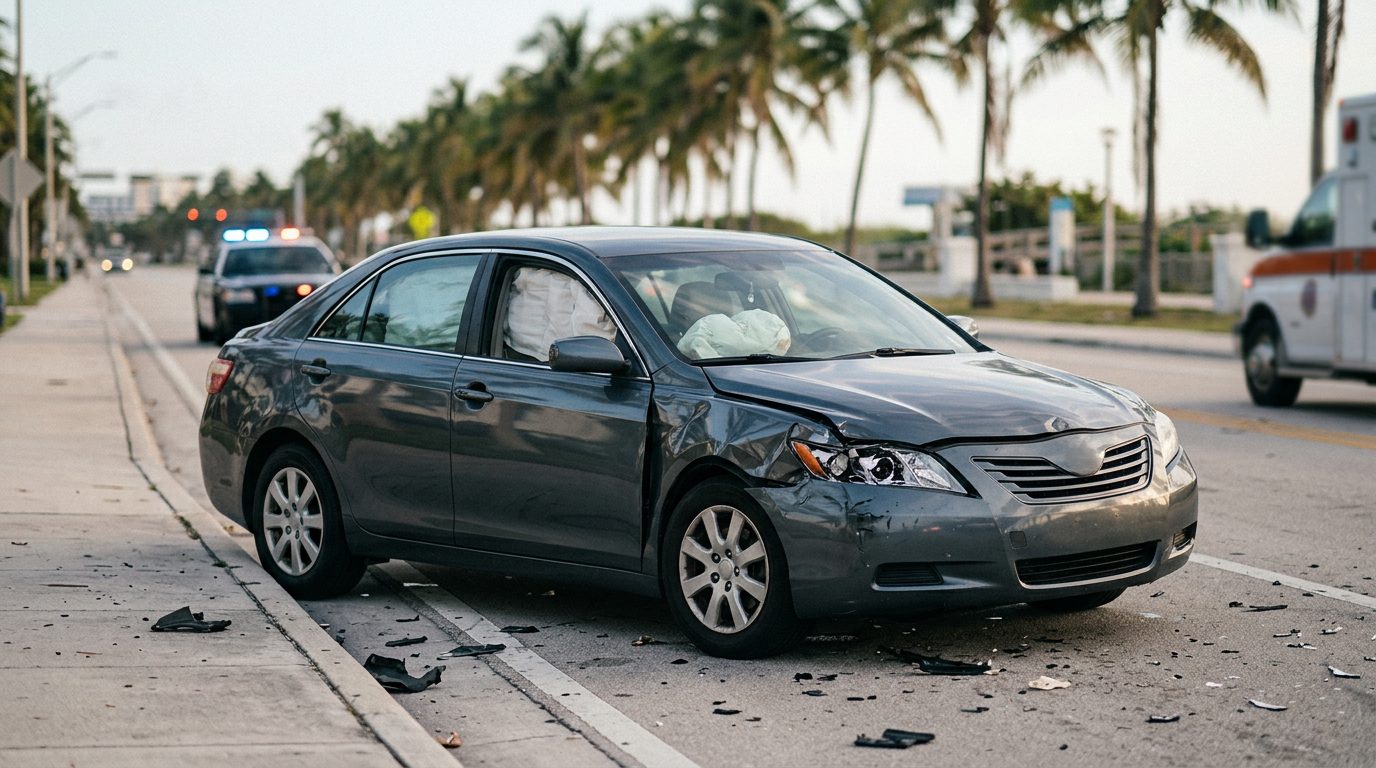
Miami Beach Car Accident Claims
Hurt in a Miami Beach Car Accident? Learn How Florida Law May Apply to Your Claim
CHG Personal Injury Lawyers helps people and families in Miami Beach and throughout Miami-Dade County understand their options after a crash. Attorney Igor Hernandez, admitted in Florida as a member of The Florida Bar, can review the facts of your situation with you.
By CHG Lawyers · Published October 14, 2026
Miami Beach Car Accident Claims: What Injured Drivers and Passengers Should Know
Were you hurt in a car accident in Miami Beach? Florida law may help you pay for care. In some cases, it may also let you seek compensation from the people responsible.
The rules depend on your injuries, who contributed to the crash, and when it happened. This guide explains the main steps in plain language.
If a crash on a Miami Beach or Delray Beach road has left you hurt, we can review your options with you: CHG charges no attorney's fees and no case costs unless there is a recovery.
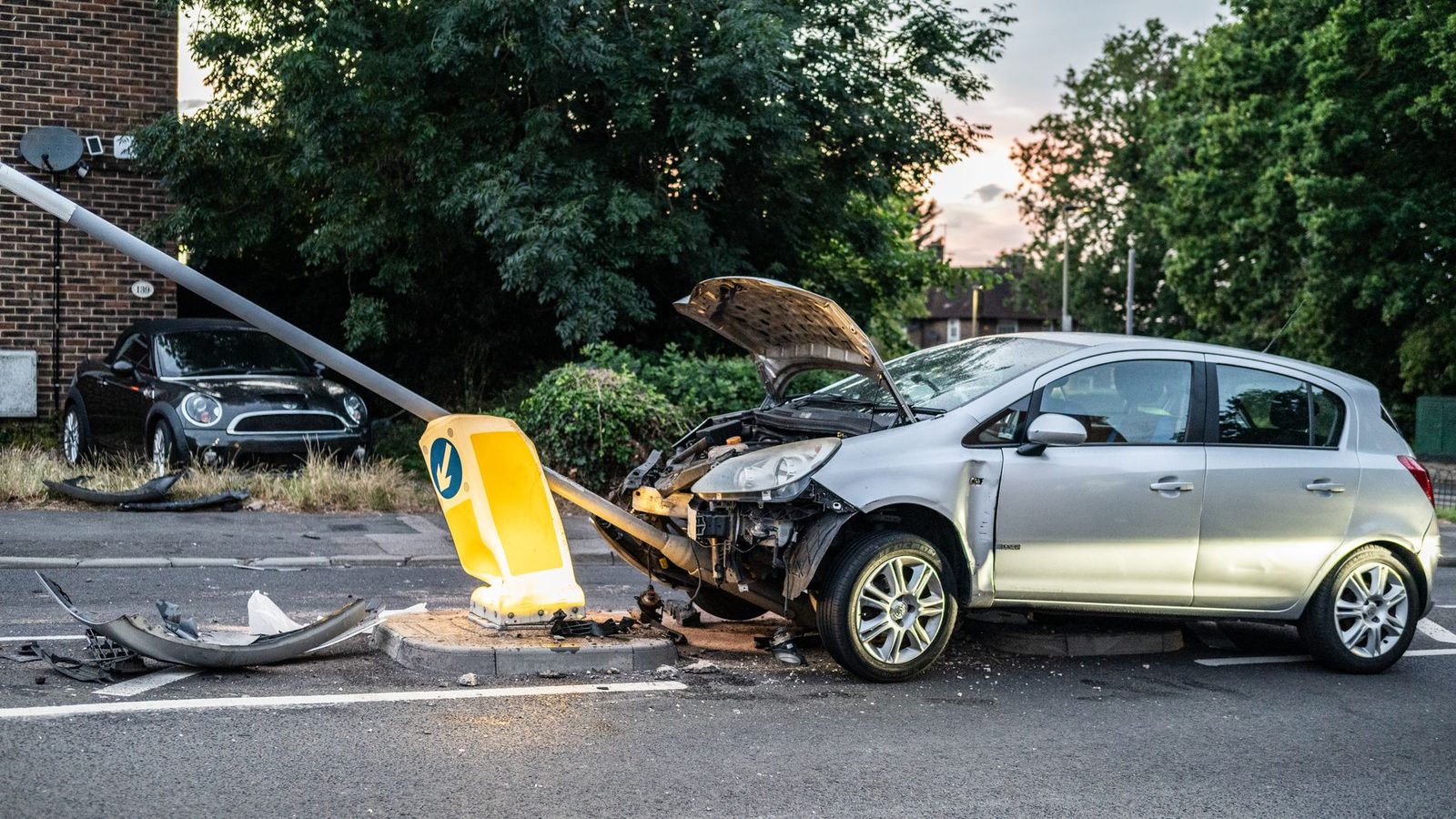
Who This Guide Is For
This guide is for drivers, passengers, and families of people hurt in car crashes. The crash may have happened on Miami Beach streets, in Delray Beach, or elsewhere in Florida.
Picture this. You are driving on Collins Avenue. Another car runs a red light. You are sore. Your car is totaled. Insurance letters keep arriving. You want to know what comes next.
What to Do in the First Days After a Crash
The first days matter for your health and your paperwork.
- Get medical care. Tell every provider about every symptom, even small ones.
- Keep records. Save bills, appointment notes, prescriptions, and photos of your injuries and the scene.
- Write things down. Note the other driver’s details, any witnesses, and what you remember while it’s fresh.
- Be careful with recorded statements. Speaking with an insurance adjuster (the person who reviews the claim for the insurance company) can affect your claim. Think before you give one.
Whether a crash caused a specific injury depends on the facts and the medical records of each case.
How Florida No-Fault PIP Coverage Works
Florida’s personal injury protection (PIP) is the first layer of coverage many crash victims use. PIP is part of the insurance required under Florida law. It can pay for some medical and disability losses after a crash.
Under Fla. Stat. § 627.736, PIP provides up to $10,000 in medical and disability benefits and $5,000 in death benefits. Under Fla. Stat. § 627.736, personal injury protection (PIP) medical benefits include eighty percent of all reasonable expenses for medically necessary medical, surgical, X-ray, dental, and rehabilitative services.
That coverage applies when you receive initial services and care within 14 days after the accident.
Waiting to get care can put that coverage at risk. Timing matters. PIP does not cover every loss. Limits apply. The statute also says you generally cannot recover damages again in a lawsuit for amounts PIP has paid or is payable.
When Pain and Suffering Claims Are Possible
Under Fla. Stat. § 627.737, you may be able to recover damages for pain, suffering, mental anguish (emotional distress), and inconvenience in a car accident lawsuit. This is possible only in certain cases. Clooney v. Geeting is one Florida appellate decision on this threshold.
Your injury must include at least one of these:
- Significant and permanent loss of an important bodily function.
- Permanent injury within a reasonable degree of medical probability, other than scarring or disfigurement.
- Significant and permanent scarring or disfigurement.
- Death.
This is often called the permanency threshold. A threshold is a level that must be met before something applies.
Whether your injury meets it depends on your medical records and your doctors’ findings. No result can be predicted from the facts described here.
How Fault Can Affect Your Claim
Florida’s comparative fault statute, Fla. Stat. § 768.81, explains how fault is divided when more than one person contributed to a harm.
Under Florida’s comparative fault rules, an injured person’s recovery is generally reduced by their own percentage of fault (Fla. Stat. § 768.81(6)). For negligence actions filed after March 24, 2023, section 768.81(6), Florida Statutes, generally bars any recovery by a claimant found more than 50% at fault, with exceptions that include medical negligence claims under Chapter 766. How these rules apply depends on the facts of each case.
Crashes often involve disputes about who did what. Police reports, photos, witness accounts, and vehicle damage can all help show what happened. How fault is decided depends on the facts of each case.
Not sure what your next step is?
Filing Deadlines You Should Know
Florida sets filing deadlines for lawsuits in Fla. Stat. § 95.11.
So the date of your crash matters.
Deadlines can have exceptions. The right deadline depends on the facts of your case. Don’t assume you have time. Check your situation promptly.
Dealing With Insurance Companies
Asking for policy information. Under Fla. Stat. § 627.4137, a liability insurer generally must respond within 30 days to a written request.
A liability insurer is the company that covers the at-fault driver. The sworn response includes the insurer’s name, the insureds (the people the policy covers), the liability limits, and a copy of the policy.
If coverage may fall short. Florida’s uninsured and underinsured motorist rules set notice steps. These steps can apply before some settlements. They depend on the coverage and the facts of your case.
Medical Bills, Liens, and Letters of Protection
Some providers treat patients under a letter of protection. This is a promise to be paid from any judgment or settlement.
Florida law sets disclosure rules for these arrangements under Fla. Stat. § 768.0427.
Florida also lets a court reduce an award for certain collateral sources, such as health insurance. Collateral sources are payments from outside the lawsuit.
This is subject to subrogation and reimbursement rights (rights to be repaid). In plain terms, some insurers may have the right to be repaid from your recovery. Under Fla. Stat. § 768.76, in an action where liability is admitted or determined and damages are awarded, the court generally reduces the award by amounts paid or otherwise available to the claimant from collateral sources, unless a subrogation or reimbursement right exists. The effect depends on your coverage and the facts of your case.
Why CHG Personal Injury Lawyers
- Florida-based.
- Licensed attorney. Responsible lawyer: Igor Hernandez, admitted to practice in Florida as a member of The Florida Bar.
- Focus. The practice focuses on personal injury cases. These range from everyday car accidents to catastrophic injuries.
- Support staff. Our team of support staff helps with intake, records, and scheduling.
- Consultation. CHG charges no attorney’s fees and no case costs unless there is a recovery.
Every case is different. No particular result can be promised.
Frequently Asked Questions
How long do I have to file a car accident lawsuit in Florida?
Florida’s filing deadlines are set in Fla. Stat. § 95.11. They can depend on when your claim arose. Deadlines have exceptions, so check your situation promptly.
Does PIP pay my medical bills after a Florida crash?
Under Fla. Stat. § 627.736, a PIP policy must provide medical benefits of eighty percent of all reasonable expenses for medically necessary medical, surgical, X-ray, dental, and rehabilitative services, up to set limits. How coverage applies depends on the policy and the facts of each case. The statute ties medical benefits to initial care within 14 days after the accident.
Do I need a permanent injury to recover pain and suffering?
Under Florida law, pain and suffering damages in a car accident suit generally require one of the categories in § 627.737(2), including a permanent injury.
What if I was partly at fault?
Florida’s comparative fault rules may reduce what you recover (Fla. Stat. § 768.81(6)). The result depends on the facts of your case.
Can I ask for the other driver’s policy limits?
Florida law generally requires a liability insurer to respond within 30 days to a written request for policy information.
If a crash on a Miami Beach or Delray Beach road has left you hurt, we can review your options with you: CHG charges no attorney's fees and no case costs unless there is a recovery.
Talk With Our Team About Your Crash
If a crash has left you hurt, facing medical bills, or unable to work, you don’t have to sort out the insurance, deadlines, and paperwork alone. Our team can review the facts of your crash with you.
CHG charges no attorney’s fees and no case costs unless there is a recovery. Contact CHG Personal Injury Lawyers.
After a Car Accident in Miami Beach, Start Here
Get medical care
See a doctor as soon as you can, even if you feel you have only minor pain. Medical records document your injuries and may matter to your claim.
Document the scene
If it is safe, take photos of the vehicles, the road, traffic signals, and any visible injuries. Write down the names and contact details of drivers and witnesses.
Keep your records
Save police reports, insurance letters, bills, receipts, and notes about missed work. Organized records help everyone see what happened.
Talk with a lawyer
Florida car accident claims involve rules that depend on the facts of each case. Speaking with a lawyer early can help you understand what may apply to you.
How CHG Can Help
Plain-language guidance
Serving Miami Beach and Florida
Our practice is based in Florida and represents people in Miami Beach, Miami-Dade County, and communities across the state.
Licensed Florida attorney
Igor Hernandez is admitted in Florida as a member of The Florida Bar and is responsible for this page.
Focus on the people affected
Crash injuries can change work, family life, and daily routines.
Don't Wait to Get the Facts
Florida car accident claims have specific rules, and outcomes depend on the facts of each case, the medical records, and applicable Florida law. Talking with a lawyer early can help you understand your situation.