
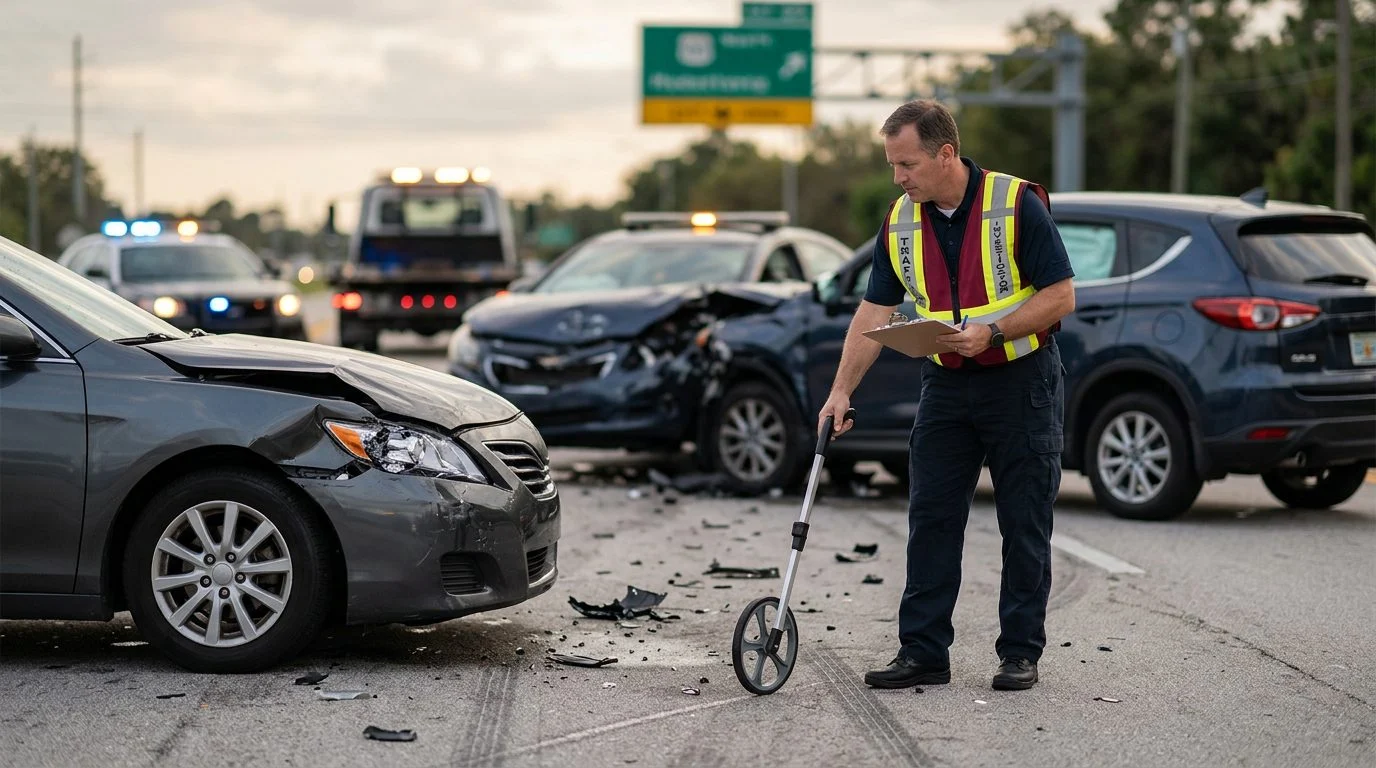
Florida Car Accident Support
Feeling Shaken After a Car Accident? You Do Not Have to Figure Out the Next Steps Alone
Shock, numbness, and trouble sleeping are common after a crash. This guide explains what those reactions can look like, what to do in the days that follow, and how CHG Personal Injury Lawyers can help you and your family take the next steps.
Why Floridians Contact Us
Free
First consultation, confidential and with no obligation to continue
Florida
Florida-based firm serving clients throughout the state
$0
No fees or case costs unless there is a recovery
By CHG Lawyers · Published October 21, 2026
By Igor Hernandez, CHG Personal Injury Lawyers, Coral Gables, Florida
Feeling Shaken After a Crash? What Emotional Shock Can Look Like
Shock after car accident is a strong, sudden emotional and physical reaction to a frightening event. It can leave you feeling stunned, numb, teary, or on edge. For a time, thinking and feeling may seem hard. If that describes you, you aren’t alone, and it doesn’t mean something is wrong with you.
People use the word “shock” loosely. In everyday speech, it describes how a crash feels. In medicine, “shock” refers to a serious physical condition. Only a doctor can assess physical shock. If you have physical warning signs, get medical care right away.
This page is educational. It is not medical advice. Please follow your doctors’ care, and bring your questions and feelings to them. Whether your reaction is normal for you depends on your history and symptoms.
Igor Hernandez is the responsible lawyer for this page. He practices with CHG Personal Injury Lawyers from its Coral Gables, Florida office, which serves people across Florida, including Miami, Orlando, Tampa, and Jacksonville.
If you're weighing your next steps after a Florida crash, we invite you to contact our team to talk through your situation. Talk it through with our team — the first consultation is free, confidential, and carries no obligation.
Symptoms of Shock After Car Accident
Symptoms of shock after car accident can be emotional, physical, or both. Emotional signs may include feeling detached or unreal, trouble concentrating, irritability, sleep trouble, or crying without a clear reason. Physical signs may include shaking, a racing heart, nausea, or feeling cold and clammy.
These reactions vary widely from person to person. They don’t follow one fixed timeline. Some people notice changes that come and go, while others notice symptoms that persist. Try not to compare your recovery with anyone else’s.
Some signs need emergency care now, not later. Call 911 or go to the nearest emergency room if you notice chest pain, fainting, confusion, severe headache, seizures, or trouble breathing. Don’t wait to see if they pass.
Emotional reactions and physical injuries can overlap after a crash. A doctor’s exam can help sort out which is which. For a broader guide, read car accident claims in Florida.
Can You Go Into Shock After a Traumatic Event?
Yes, a traumatic event like a crash can cause a strong stress reaction. Whether that reaction becomes a medical condition depends on the person, their symptoms, and their history. Only a qualified health professional can make that determination.
A stress reaction is not the same as a diagnosis. Short-lived reactions can feel intense while they last. Longer-lasting reactions may affect daily life more deeply. Doctors use terms such as acute stress reaction and post-traumatic stress disorder (PTSD) for some of these patterns. Whether any term fits you is a question for your doctor.
Language matters here. Strong feelings after a crash may be a normal response for some people. They may also be a sign that you need support. No article can tell you which one applies to you.
If you’re unsure, bring your story to a doctor. Describe what you feel and when it started. Your doctor can review your history and symptoms before anyone draws a conclusion.
What Is a Trauma Response, and When Should You Seek Professional Help?
A trauma response is the way your mind and body react after a frightening event. After a crash, it can show up as avoiding the road, replaying the impact, startling at loud noises, or feeling tense around traffic. These reactions can be part of coping. They can also signal that help would be useful.
Consider talking with a doctor or mental-health professional if symptoms last for weeks, get worse, or interfere with work, sleep, or family life. Your primary care doctor is a good first contact. They can discuss next steps, including a referral to a mental-health professional.
If you or someone you love is in crisis, or has thoughts of suicide or self-harm, call or text 988 (the 988 Suicide & Crisis Lifeline) right away. If someone is in immediate danger, call 911.
When you talk with your doctor, be specific. You might say, “I can’t stop replaying the crash,” or “I avoid driving on the highway.” Clear examples help your doctor understand what you’re going through.
Not sure what your next step is?
Talk it through with our team — the first consultation is free, confidential, and carries no obligation.
Getting Support in Florida: Practical Steps for the First Weeks
The first weeks after a crash matter. Start with your medical follow-up. Keep your appointments, take prescribed care as directed, and tell your doctors everything you’re feeling, even if it seems small.
Simple daily habits may help. Keep a short note of symptoms, sleep, and mood. Lean on trusted family or friends. Limit replaying the crash through news clips and social media posts. Rest when your body asks for it.
Florida residents in crisis can call or text 988, and should call 911 in an emergency. Support is available whether you live in Miami, Orlando, Tampa, Jacksonville, or another part of Florida.
Keep organized records too. Save medical visit summaries, prescription receipts, notes about missed work, and your symptom journal. Documentation may matter later if a claim is pursued, depending on the facts of your case and applicable Florida law.
How Emotional Distress May Factor Into a Florida Car Accident Claim
Under Florida law, claims for pain, suffering, and emotional distress in a car accident case are limited.
Comparative fault may also limit recovery. Under Fla. Stat. § 768.81, in a negligence action to which that section applies, a party found greater than 50 percent at fault for their own harm may not recover any damages. That bar does not apply to medical-negligence actions under chapter 766.
Insurance works differently. Under Fla. Stat. § 627.4136, a person who isn’t insured under the policy must first obtain a settlement or verdict against an insured person for a cause of action covered by that policy before suing the liability insurer. This means the at-fault driver’s insurer generally can’t be sued directly at the start.
Deadlines to file suit come from Fla. Stat. § 95.11. Which deadline applies depends on the type of claim and when it accrued. Because deadlines can be strict, contact a lawyer promptly. Whether any claim exists depends on the facts, the medical records, and applicable law.
Recovery After Emotional Trauma: What Healing Can Mean
Recovery after emotional trauma looks different for each person. There is no single timeline, and outcomes depend on the person and their doctors. Some people feel steadier over time, while others need ongoing care. Your medical team can help you judge what fits.
Support options are general, not promises. They may include medical follow-up, counseling with a mental-health professional, and support groups. No single approach is the only one that works. A doctor can help you decide which options make sense for you.
Physical and emotional symptoms can both need attention after a crash. Pain and stress can show up together. Read about sciatica after a car accident to see one physical issue that can follow a crash. Results vary by person.
Be patient with yourself. Try not to judge how fast you “should” feel better. Share your progress and setbacks with your doctor, and let them guide your plan.

Have questions about what happened?
Ask our team directly. The first conversation is free, confidential, and there is no obligation to continue.
Talk With Our Team About Your Situation in Florida
If you’re still dealing with shock after car accident, unsure whether your symptoms are normal, and facing decisions about medical care, time off work, or calls from insurance adjusters, you don’t have to sort it out alone. Our team can talk through the facts of your accident with you in a confidential conversation. Results depend on the facts of each case.
How long does shock after car accident last?
Timing varies from person to person. If symptoms persist or worsen, talk with your doctor.
Is it normal to feel numb after a crash?
Numbness can be part of how people react to a frightening event. If it lasts, interferes with daily life, or comes with physical warning signs, get medical care.
Can I get compensation for emotional distress in a Florida car accident claim?
Under Fla. Stat. § 627.737, these claims generally require meeting its permanent-injury requirements.
If you’re weighing your next steps after a Florida crash, we invite you to contact our team to talk through your situation. CHG charges no attorney’s fees and no case costs unless there is a recovery.
En español: CHG no cobra honorarios de abogado ni costos del caso si no hay recuperación.
Steps That Can Help in the Days After a Crash
Get medical care, even if you feel fine
Some injuries and stress reactions appear hours or days later. Follow your doctor's care plan and keep every appointment, including follow-up visits.
Write down what you remember
Record the date, time, location, weather, and what happened while the details are still fresh. Notes made soon after a crash can be helpful later.
Keep your records together
Save police reports, photos, medical bills, prescriptions, repair estimates, and letters from insurers in one place so nothing gets lost.
Talk with a lawyer about your options
Our team can explain how Florida law may apply to your situation, answer your questions, and help you understand what you can do next, at no cost to you for the first consultation.
If You Are Having Thoughts of Harming Yourself
Shock and emotional distress after a crash are common, but they should never feel like something you have to carry alone. If you are having thoughts of harming yourself, or if a loved one is in crisis, call or text the 988 Suicide & Crisis Lifeline at 988 right away. If you are in immediate danger, call 911.
Talk With Our Team About Your Accident, Free and Confidential
Related practice areas
- What Makes Truck Accident Cases Different from Car Accident Cases?
- Florida Car Accident Settlement Factors Explained
- Maximum Insurance Payout for Car Accident in Florida