

Wrongful Death & Car Accidents
When a Fatal Car Accident Takes a Loved One
Under Florida law, a wrongful death claim is generally brought by the deceased person’s personal representative, and whether you may pursue one depends on your relationship to the deceased and the facts of your case. We help families understand their options.
Wrongful Death Car Accident Settlements in Florida: What Families Can Recover
When someone dies in a car accident caused by another person’s negligence, surviving family members may have a legal right to recover compensation. A wrongful death settlement is money paid to resolve the family’s claim without going to trial. This guide explains what wrongful death car accident settlements are, who can file, what damages families can recover, and the steps to take immediately after a fatal crash.
Not sure what your next step is?
Talk it through with our team — the first consultation is free, confidential, and carries no obligation.
What Is a Wrongful Death Settlement in a Car Accident?
A wrongful death car accident settlement is compensation paid to resolve a family’s legal claim after a fatal crash caused by someone else’s negligence or wrongdoing.
Under Fla. Stat. § 768.19, a wrongful death claim may arise from a wrongful act, negligence, default, or breach of contract or warranty. In car accidents, this may involve a driver who failed to drive safely. Examples include: – Speeding – Driving under the influence – Driving while distracted – Failing to yield the right of way
A settlement is one path to recovery. Instead of going to trial, the family’s attorney negotiates with the at-fault driver’s insurance company. Both sides agree on a dollar amount to end the claim. Settlements may allow families to avoid prolonged litigation, though timing depends on the facts of each case.
Who Can File a Wrongful Death Claim After a Fatal Car Accident?
Under Florida law, not everyone can file a wrongful death claim.
The claim is brought by the deceased person’s personal representative, for the benefit of the survivors and the estate. A personal representative—often a family member or court-appointed administrator—files the claim. An attorney can help your family understand who may serve as the personal representative and how the claim is filed.
What Compensation Can Families Recover in a Wrongful Death Settlement?
Wrongful death car accident claims may involve two categories of damages: economic and non-economic. Results depend on the facts of each case.
Economic damages are financial losses that can be documented, such as funeral and burial expenses and medical expenses from the accident.
Non-economic damages address the family’s emotional and relational losses, such as loss of companionship and the relationship with the deceased. Which losses a particular family member may recover depends on Fla. Stat. § 768.21 and on the facts of each case. In a Florida motor-vehicle claim, pain and suffering generally requires meeting the permanent-injury threshold of § 627.737(2), and comparative fault may limit recovery.
Punitive damages may be sought in some cases where the at-fault driver’s conduct was intentional or grossly negligent. Under Florida law, a claim for them generally requires leave of court and a proffer under Fla. Stat. § 768.72, proof by clear and convincing evidence, and is subject to the limits in § 768.73. Punitive damages are meant to punish the wrongdoer and deter similar conduct.
Each family’s situation is unique. The types of damages that may be recoverable depend on the facts of each case and on applicable Florida law.
Why Settlement Amounts Vary Widely
There is no single “average” wrongful death car accident settlement. Settlement amounts vary dramatically based on factors specific to each case.
No attorney can predict a specific settlement amount in your case. Each claim is evaluated individually based on the evidence and circumstances.
How Wrongful Death Settlements Are Calculated
Settlement calculations begin with economic damages, which are more straightforward. Attorneys add up documented losses: funeral costs, medical bills, and lost wages (calculated using actuarial tables), and lost benefits.
Non-economic damages are more subjective. Non-economic damages may be assessed in different ways depending on the facts of each case, including through expert testimony and the jury’s assessment of the family’s loss.
Liability is a critical factor in settlement value. Where the evidence shows the at-fault driver violated traffic laws and caused the crash, liability may be stronger, depending on the facts of each case.
Under Florida’s modified comparative fault rule, Fla. Stat. §768.81(6), if the deceased is found more than 50% at fault, the family generally recovers nothing. If the deceased is 50% or less at fault, damages are reduced by the deceased’s percentage of fault. This rule significantly affects settlement negotiations.
Have questions about what happened?
Ask our team directly. The first conversation is free, confidential, and there is no obligation to continue.
What Compensation Can I Expect?
Compensation depends on the specific facts of the crash and the deceased’s personal circumstances.
If the deceased was a homemaker or parent, the family can recover the value of household services, childcare, meal preparation, and parental guidance.
Medical expenses and funeral costs may be recoverable in a wrongful death claim, depending on the facts of the case, if they are documented. The family’s emotional suffering and loss of the relationship are also compensable, though these are harder to quantify in dollar terms.
What Are the Odds of Winning a Wrongful Death Claim?
The outcome of a wrongful death case depends on the strength of the evidence and the clarity of liability.
If the at-fault driver violated a traffic law—ran a red light, was speeding, was driving under the influence, or was texting while driving—liability is often clear and the family’s chances of recovery are strong. If liability is disputed, such as when both drivers may have contributed to the crash, the outcome is less certain.
An investigation into the crash, including police reports, witness statements, and accident reconstruction, can establish liability. Insurance companies often settle cases before trial to avoid the uncertainty and expense of a jury verdict. An attorney can evaluate the strength of your case based on the evidence.
How Long Does It Take to Reach a Settlement?
Settlements can take months to years, depending on the complexity of the case and the parties’ willingness to negotiate.
Simple cases with clear liability and adequate insurance coverage may settle within 6 to 12 months. Complex cases involving multiple vehicles, disputed liability, or significant damages may take 2 to 3 years or longer. If a settlement cannot be reached, the case may proceed to trial, which adds additional time.
Steps to Take After a Fatal Car Accident—and the Critical Two-Year Deadline
If someone you love has died in a car accident, here are the immediate steps to protect your legal rights:
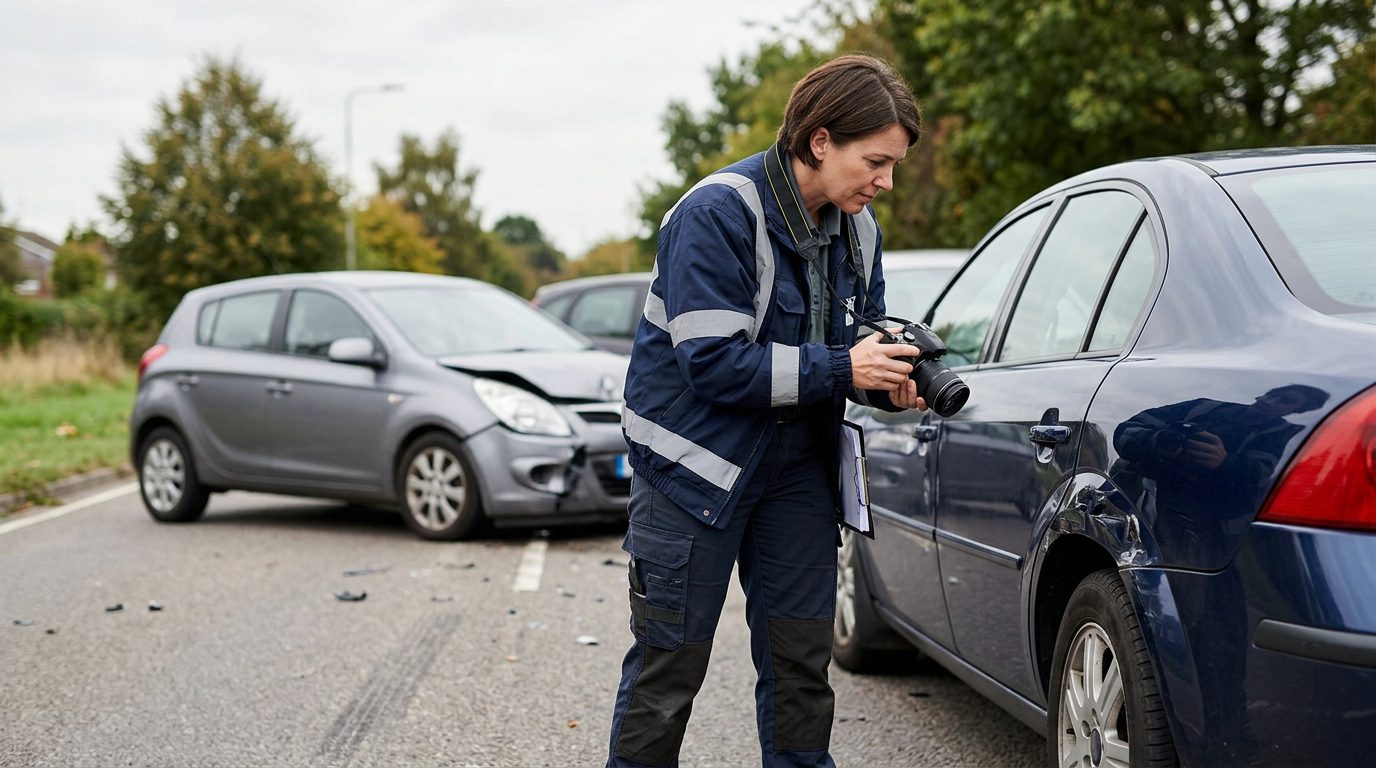
Right after the crash: 1. Seek medical attention for any injured survivors. 2. Report the crash to law enforcement and obtain a copy of the police report. 3. Document the scene with photographs and video if possible. 4. Collect contact information from witnesses. 5. Do not speak with the at-fault driver’s insurance company without consulting an attorney first.
In the days and weeks following: 6. Gather documents related to the deceased: birth certificate, marriage certificate, employment records, tax returns, and information about dependents. 7. Consult with a wrongful death attorney as soon as possible.
Critical deadline: Under Fla. Stat. §95.11(5)(e), the deadline to file a wrongful death claim in Florida is generally two years from the date of death. Contact an attorney immediately to protect your family’s rights.
Want to know where you stand?
Tell us what happened and our team will walk you through the options available to you, at no cost.
Why Families Work With a Wrongful Death Attorney
An attorney handles all communication with insurance companies, protecting the family from making statements that could harm the claim. Insurance adjusters are trained to minimize payouts.
An attorney investigates the crash and gathers evidence (police reports, witness statements, medical records, accident reconstruction). This builds a strong case for liability and damages. An attorney negotiates with insurance adjusters and defense attorneys to pursue fair compensation.
An attorney understands Florida wrongful death law and ensures the claim is filed correctly and within required time limits. Working with an attorney allows the family to focus on grieving while their legal rights are protected.

Frequently Asked Questions
Can I recover if the deceased was partially at fault for the accident?
Yes, under Florida’s modified comparative fault rule, you can still recover if the deceased is 50% or less at fault (Fla. Stat. § 768.81(6)). However, your damages are reduced by the deceased’s percentage of fault.
What if the insurance policy limit is less than the damages?
You may pursue the at-fault driver’s personal assets through a separate claim or judgment. An attorney can advise you on whether this is practical in your case.
How much of the settlement goes to the attorney?
Most wrongful death attorneys work on a contingency fee basis. They take a percentage of the settlement (typically 33% to 40%) only if the case is successful. This is agreed upon in writing before work begins.
What if there is no will or estate plan?
Florida law determines who has the right to file the wrongful death claim and receive the settlement. An attorney can help your family navigate this process.
If you’ve lost a loved one in a fatal car accident, you’re likely facing overwhelming grief and confusion about what comes next. You don’t have to navigate this alone. Contact CHG Personal Injury Lawyers for a free case evaluation to discuss your family’s circumstances, understand your legal rights, and learn how we can help you pursue the compensation your family deserves. Remember: the two-year deadline to file a claim is firm. Reach out today.
Time Matters in Wrongful Death Cases
Wrongful death claims are subject to strict deadlines. The sooner you contact an attorney, the sooner we can preserve evidence, interview witnesses, and protect your family's right to recovery.
What Families Need to Know About Wrongful Death Settlements
Who Can File a Wrongful Death Claim?
An attorney will determine who is eligible to recover.
What Damages Can Be Recovered?
Wrongful death settlements may include funeral and medical expenses, lost income and financial support, loss of companionship, and punitive damages in cases of gross negligence or intentional conduct.
Comparative Fault in Fatal Accidents
Under Florida law, you may still recover even if the deceased was partially at fault—as long as they were 50% or less responsible (Fla. Stat. § 768.81(6)). Your recovery is reduced by the deceased's percentage of fault.
What If Insurance Limits Are Insufficient?
If the at-fault driver's policy limit is less than your damages, you may pursue the driver's personal assets or explore other liable parties, such as a vehicle manufacturer or negligent employer.
How CHG Personal Injury Lawyers Supports Your Family
We Handle the Legal Work
From investigating the crash to negotiating with insurers and filing suit, we manage every step so your family can focus on healing.
We Gather Strong Evidence
We obtain police reports, medical records, witness statements, and accident reconstruction to build a compelling case.
We Communicate Clearly
We explain your options in plain language and keep you informed throughout the process.
We Work on Contingency
No attorney’s fees unless there is a recovery. Your family pays nothing upfront while we pursue the compensation you deserve.