
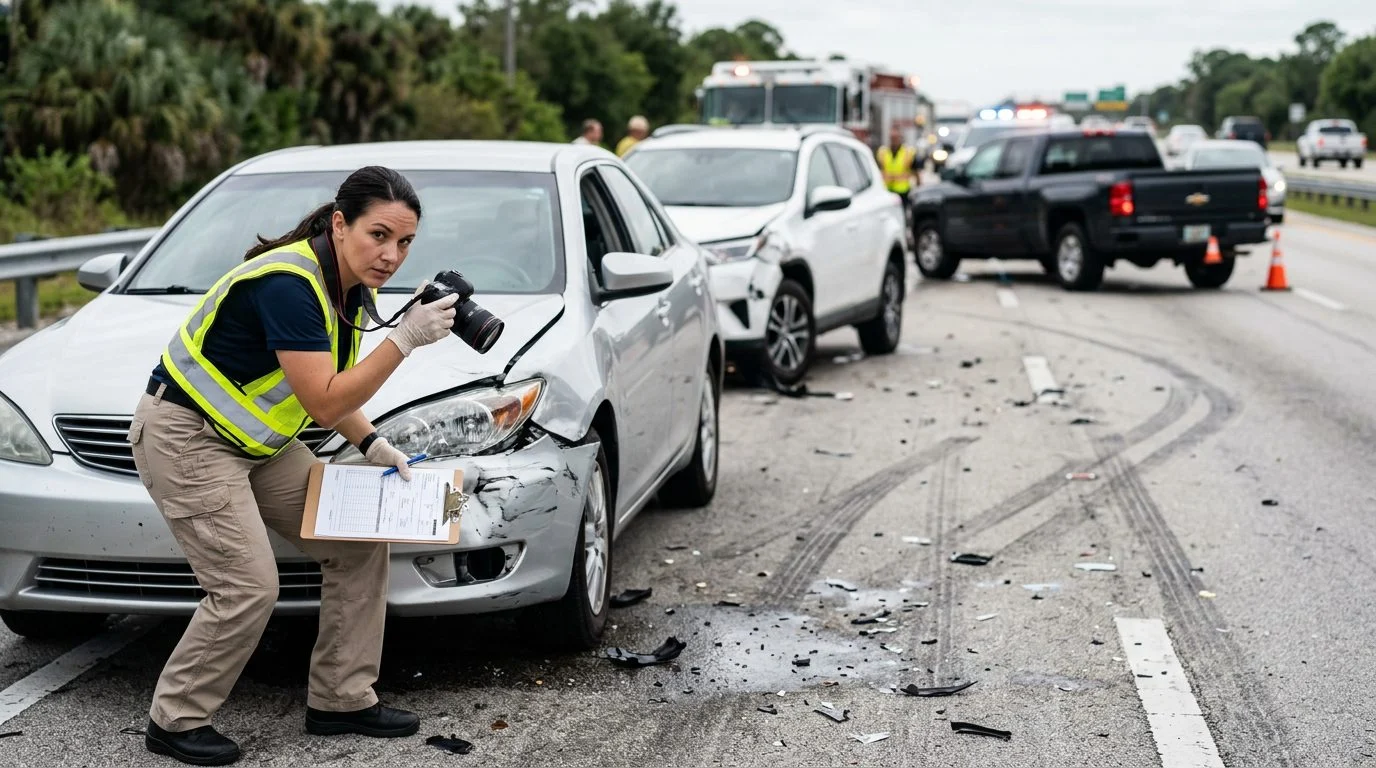
Car Accidents | Serving Florida
Were You in a Florida Car Accident and Not Hurt? Your Claim May Still Matter
Vehicle damage, rental costs, and insurance questions can come up even when you feel fine. CHG Personal Injury Lawyers can review what happened and explain your options in plain language.
By CHG Lawyers · Published October 18, 2026
Yes, you may have a claim even if you weren’t hurt. Car accident compensation with no injury usually means property-damage recovery, such as car repairs and rental costs. Pain-and-suffering damages are a separate question, and Florida law limits them.
Can You Have a Claim If You Weren’t Hurt in a Florida Car Accident?
A crash with no visible injury can still support a property-damage claim against the driver who caused it.
Fault matters. A person found more than 50 percent at fault generally cannot recover any damages (Fla. Stat. § 768.81).
A property-damage claim concerns harm to property, such as a vehicle, and the rules that apply to it can differ from those that apply to injury claims. Keep the crash report, photos, and notes together from the start.
Not sure what your next step is?
Talk it through with our team — the first consultation is free, confidential, and carries no obligation.
What a No-Injury Crash Can Recover
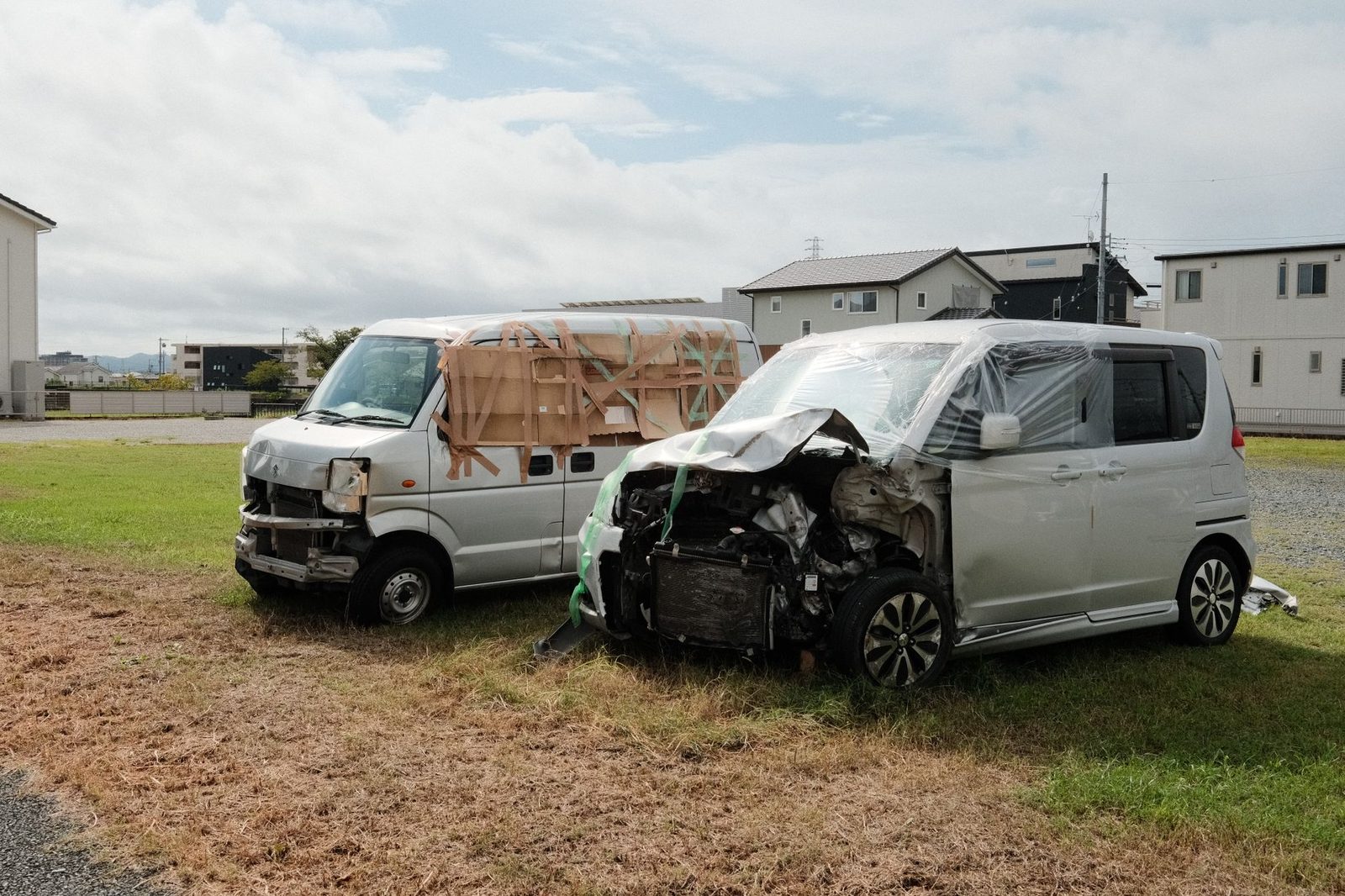
A crash with no injuries can still cause vehicle damage and disruption to daily life. Keep a receipt or estimate for every item.
- Repair cost, or replacement cost if the vehicle is totaled.
- Diminished value, the drop in resale value after a repair, where it applies to your facts.
- Loss of use, such as a rental car or other transportation while your vehicle is unavailable.
- Towing and storage fees.
- Other out-of-pocket costs that come directly from the crash.
Pain, suffering, mental anguish, and inconvenience usually need more. For a motor vehicle with security provided as required by ss. 627.730-627.7405, Florida allows pain, suffering, mental anguish, and inconvenience damages in a motor vehicle case only if the injury meets specific thresholds, such as significant and permanent loss of an important bodily function or death (Fla. Stat. § 627.737).
How Florida’s No-Fault (PIP) Rules Apply When You Feel Fine
Florida’s no-fault system uses Personal Injury Protection (PIP) benefits, which come through coverage in your own auto policy. PIP has its own rules, including requirements on when medical care must begin (Fla. Stat. § 627.736).
Many people feel fine at the scene and notice trouble later. Neck or back pain, headaches, and dizziness can appear days afterward. Tell a doctor about every symptom, and keep records of each visit.
Under this framework, a driver is generally shielded from pain-and-suffering lawsuits unless the injury meets Florida’s threshold. Follow your doctors’ care at every step.
Feeling Shaken, Anxious, or Guilty After a Crash
Feeling shaken, guilty, or uneasy after a crash is common. Those feelings do not decide who was at fault. Fault comes from the facts: what each driver did, when, and why.
If you think you share some blame, don’t guess. Florida’s 50 percent rule looks at the share of fault, and a lawyer can review the facts with you.
Stress, poor sleep, or anxiety after a crash deserve attention. Talk with your doctor about them, and report any change in how you feel.
Before you give a recorded statement or sign anything from an insurer, talk with a lawyer about your rights. Being careful with your words protects your claim.
Have questions about what happened?
Ask our team directly. The first conversation is free, confidential, and there is no obligation to continue.
Does Treatment or an Injection Increase a Settlement?
No treatment automatically raises what a claim is worth. Insurers and courts look at whether care was needed, documented, and tied to the crash.
Value depends on documented losses and fault. Repair bills, rental receipts, and medical records all count. No single dollar figure fits every crash, so a $30,000 offer can’t be judged as good or bad without the full file.
Florida law also lets an insurer ask for a medical exam when a PIP claim depends on your condition.
Never skip or stop care to affect a claim. Tell your attorney about all treatment, including care your doctor recommends.
Florida Deadlines and What to Protect Right Now
For most negligence claims in Florida, the general deadline to file a lawsuit is two years (Fla. Stat. § 95.11(5)(a)). For claims that accrued after March 24, 2023, a two-year deadline applies to negligence actions in Florida.
Deadlines apply to every claim, including property-damage claims. Check which deadline fits your facts, and don’t wait to do it. PIP timing is separate from the lawsuit deadline.
Protect these items now:
- The crash report and any police paperwork.
- Photos of both vehicles, the scene, and any injuries.
- Names and contact details of witnesses.
- Repair estimates and total-loss valuations.
- Rental, towing, and storage receipts.
- All medical bills, visit notes, and insurer letters.
What Happens After You Contact CHG Personal Injury Lawyers
Here is the usual path for a no-injury claim with our firm.
- First consultation. You get a free, confidential first consultation with no obligation to continue. We review the crash facts, any damage, and your documents.
- Record review. We review the crash report, insurance information, property-damage records, and any treatment to identify what may be recoverable.
- Insurer communication. We communicate with the insurers so you don’t have to negotiate alone. Timelines depend on the insurer and the facts.
CHG charges no attorney’s fees and no case costs unless there is a recovery.
CHG Personal Injury Lawyers is a Florida-based firm. Igor Hernandez is the lawyer, and he is admitted to The Florida Bar. Office staff support the work. The practice focuses on serious injury claims. If a matter is referred to or handled with another law firm, we will say so.
Want to know where you stand?
Tell us what happened and our team will walk you through the options available to you, at no cost.
Frequently Asked Questions
Can I sue if I wasn’t hurt in a Florida car accident?
A property-damage claim may be possible. Pain-and-suffering claims generally require a qualifying injury under Florida law.
Should I file a claim if the accident wasn’t my fault?
Often yes, against the at-fault driver’s insurer. A free consultation can review your facts.
What if symptoms show up a week later?
Get medical care promptly and tell your doctor everything. Florida’s PIP rules include timing requirements.
Does getting injections raise my settlement?
Not automatically. Care is valued when it is needed, documented, and tied to the crash.
How long do I have to file?
For most Florida negligence claims, the general deadline is two years. Contact a lawyer promptly so your deadline can be checked.
If your car was damaged, you have rental bills, or new symptoms have appeared after a Florida crash, you may have a car accident compensation claim worth reviewing. You can reach out to CHG Personal Injury Lawyers for a free, confidential consultation, with no obligation to continue.
How CHG Personal Injury Lawyers Can Help
Listening First
We start by hearing what happened and what you are dealing with, whether you feel fine or are still unsure how the crash has affected you.
Reviewing Your Claim
We look at the crash report, the vehicle damage, and the insurance communications so you understand what may be owed and what is still open.
Handling the Insurers
Dealing with insurance adjusters can be stressful. Our team can handle those conversations so you can focus on your recovery.
Free, Confidential Consultation
Your first consultation is free, confidential, and carries no obligation to continue.
Feeling Fine Is Not the Same as Being Uninjured
Some injuries, including neck strain, back pain, and concussion, can take hours or days to appear. If you were in a crash, see a doctor promptly and follow your doctor's care, even if you feel okay.
Steps to Take After a Florida Car Accident
Get Safe and Call for Help
Move to a safe place if you can, check on everyone involved, and call 911 so police can document the scene.
Document the Scene
Take photos of the vehicles, the road, and any visible damage. Write down names, contact details, and insurance information for everyone involved.
Get Checked by a Doctor
Describe all of your symptoms to a medical provider, including ones that seem minor. Keep copies of every record and bill.
Talk With a Florida Personal Injury Firm
Before you give a recorded statement to an insurer, speak with CHG Personal Injury Lawyers. Your free consultation can help you understand your next steps.