


Concussion & Car Accident Claims
Concussion Car Accident Settlements: What Damages May Be Recoverable
A concussion is a serious brain injury. This page explains the types of damages that may be considered in a concussion claim. Each case differs, and no particular result can be promised.
By CHG Lawyers · Published September 10, 2026
What Damages Can You Recover After a Car Accident Concussion? Florida Law & Settlement Factors
Depending on the facts of your case, you may be able to pursue two main types of damages after a car accident concussion: economic damages (the actual costs of your injury and recovery) and non-economic damages (compensation for pain, suffering, and disruption to your life). In Florida, non-economic damages in a car accident claim are generally limited to injuries that meet the permanent-injury threshold in § 627.737(2) of the Florida Statutes, and other rules, such as comparative fault, may also apply. But there is no formula, no “average,” and no fixed amount. What you recover depends on your specific injury, your medical records, how long you recover, and how the concussion affects your ability to work and live—not on what someone else received.
Every concussion is different. Every recovery is different. Every case is different. If you’re trying to understand what your concussion claim might be worth, this guide explains the types of damages Florida law recognizes, the real factors that drive settlement value, what insurance companies look for—and what they’ll try to minimize—and what comes next.
Not sure what your next step is?
Talk it through with our team — the first consultation is free, confidential, and carries no obligation.
Economic Damages vs. Non-Economic Damages: What’s the Difference?
Economic damages are the measurable, out-of-pocket costs of your injury and recovery. These are the easiest to calculate because they have receipts, invoices, or documentation:
- Emergency room and hospital care
- CT scans, MRI, or other imaging
- Doctor visits and neurological exams
- Prescription medications
- Physical therapy or cognitive rehabilitation
- Transportation to medical appointments
- Wages you lost while unable to work
- Future medical care if symptoms persist or worsen
- Medical equipment or home modifications needed during recovery
Non-economic damages are compensation for the pain, suffering, and disruption to your life that money can’t fully restore. These are harder to quantify because there’s no invoice, but the law recognizes they are real:
- Physical pain and discomfort
- Headaches, dizziness, or sensitivity to light or noise
- Memory or concentration problems
- Emotional distress, anxiety, or depression
- Sleep disruption
- Loss of enjoyment of activities you loved before the accident
- Impact on relationships and social life
- Reduced quality of life during recovery
A concussion, even one that seems “mild” at first, can ripple through a person’s life. A person who can’t concentrate at work and faces discipline or job loss. A parent who can’t engage with their children during recovery. Someone who loses months to symptoms and faces persistent problems. In Florida motor-vehicle claims, non-economic damages generally require meeting the permanency threshold in § 627.737(2), and comparative fault may also limit recovery.
What Actually Drives the Value of Your Concussion Claim
There is no fixed formula. No “average” that applies to your case. Settlement amounts vary widely because every accident, every injury, and every recovery is unique. But certain factors consistently influence what your claim is worth:
Severity of the concussion: A mild concussion that resolves in weeks typically settles for less than a moderate or severe traumatic brain injury (TBI) with long-term symptoms. Severity is determined by your initial symptoms (loss of consciousness, confusion, memory loss), imaging findings, and neurological exam results—not by your own assessment.
Quality and completeness of medical documentation: Insurance companies don’t take your word for your injury. They rely on emergency-room records, imaging results, neurological exam findings, and follow-up appointments. Thorough documentation supports a higher claim value. Gaps in treatment—long delays between appointments, missed follow-ups, or no specialist evaluation—give insurers ammunition to argue your injury wasn’t serious or that you didn’t follow medical advice.
Length of recovery: How long symptoms last may be relevant to both economic and non-economic damages, but in Florida motor-vehicle claims non-economic damages generally must meet the § 627.737(2) permanency threshold, and no particular outcome can be promised.
Post-concussion syndrome (PCS): If your symptoms persist for weeks or months—headaches, dizziness, memory problems, mood changes, fatigue—this may be relevant to your claim, because recovery may be extended and your disruption to daily life may be greater. Results are not guaranteed, and each case differs. According to the Brain Injury Association of America, some people experience persistent symptoms for months or longer. How long symptoms last may be relevant to a claim, but each case differs and no result is guaranteed.
Impact on work and income: If you miss significant time at work or can’t return to your previous job at full capacity, you may be able to seek lost wages, depending on the facts of your case and applicable limits. If post-concussion syndrome prevents you from performing your job—a software developer who can’t concentrate, a surgeon who can’t tolerate the operating-room environment, a teacher who can’t manage a classroom—you may recover the difference between your pre-injury earning capacity and your post-injury earning capacity. This is called “loss of earning capacity.”
Age and occupation: A younger person with decades of earning potential ahead may recover more for lost earning capacity. A high-income earner may recover more for lost wages. A person in a physically demanding job may face greater long-term impact than someone in a sedentary role.
Clarity of liability: If the other driver ran a red light, was speeding, or was clearly negligent, settlement negotiations are often more straightforward and insurers are more willing to pay. If liability is disputed—both drivers claim the other was at fault—your claim value may be affected because the insurance company may reduce its offer to account for litigation risk.
Insurance policy limits: The at-fault driver’s insurance coverage may cap what you can recover, regardless of your actual damages. If the other driver has only $10,000 in bodily-injury coverage and your claim is worth $50,000, you can only recover $10,000 from that policy (though you may have other options, such as your own uninsured/underinsured motorist coverage).
Why comparisons to other cases mislead you: A settlement that applies to someone else—even someone with a similar-sounding injury—may not apply to you. Your age, job, medical history, recovery timeline, the specific facts of your accident, and the insurance policies involved are all different. Online “average settlement” figures are not reliable guides to your case.
Medical Treatment and Documentation: The Foundation of Your Claim
Medical records are the foundation of your concussion claim. Insurance companies don’t take your word for it—they rely on documented evidence to evaluate your injury and justify settlement value.
What to preserve and report:
- Emergency room visit and initial diagnosis (date, symptoms, any loss of consciousness)
- CT or MRI imaging results and radiologist’s interpretation
- Neurological examination findings (balance tests, memory tests, cognitive assessments)
- Follow-up appointments with your primary-care doctor, neurologist, or other specialists
- Prescribed medications and any side effects or changes
- Physical therapy or cognitive rehabilitation sessions (dates, types of exercises, progress)
- Any work restrictions or limitations your doctor imposed
- Symptoms you experience and when they occur (keep a symptom diary if possible)
Why this matters: The more thorough your medical record, the stronger your claim. Insurance adjusters use medical documentation to evaluate injury severity, determine the length of recovery, and justify settlement value. If treatment records are sparse or delayed, insurers may argue your injury wasn’t serious, that you didn’t follow medical advice, or that your recovery should have been faster.
When to seek care: Even if your symptoms seem mild immediately after the accident, get evaluated by a doctor right away. Concussion symptoms often emerge hours or days later—headache, dizziness, confusion, memory problems, sensitivity to light or noise. Early medical attention creates the documented record you’ll need and ensures you don’t miss a serious injury.
How Long Can a Concussion Last After a Car Accident?
Most people recover from a concussion within a few weeks to a few months. But recovery isn’t always straightforward, and individual variation is significant.
Post-concussion syndrome (PCS) is a recognized condition in which concussion symptoms persist beyond the typical recovery window. You might experience:
- Ongoing headaches or migraines
- Dizziness or balance problems
- Memory or concentration difficulties
- Fatigue that doesn’t improve with rest
- Sensitivity to light or noise
- Mood changes, irritability, or anxiety
- Sleep problems
Why duration affects settlement value: The longer your recovery, the more medical appointments you attend, the more medications you take, and the longer you’re unable to work or function normally. All of that may be relevant to how your claim is evaluated. In Florida motor-vehicle claims, pain and suffering generally requires meeting the § 627.737(2) permanency threshold, and comparative fault may also limit recovery.
Individual variation: Recovery time depends on the severity of the initial injury, your age, whether you’ve had prior concussions, your overall health, and how well you follow medical advice. A 25-year-old with no prior head injuries may recover faster than a 55-year-old with a history of concussions. Pre-existing neurological conditions, sleep disorders, or mental-health issues can also extend recovery.
Have questions about what happened?
Ask our team directly. The first conversation is free, confidential, and there is no obligation to continue.
Impact on Work and Daily Life
A concussion can affect your ability to earn income and enjoy your life, and these effects may be relevant to your claim.
Lost wages: If you miss work during recovery—whether you’re unable to concentrate, experiencing dizziness, or following medical advice to rest—you may be able to seek the income you lost. Depending on the facts of your case, this may include salary, hourly wages, bonuses, and benefits. Provide pay stubs, tax returns, and a letter from your employer documenting the dates you missed work and the wages you lost.
Reduced earning capacity: If a concussion leaves you unable to return to your previous job or work at full capacity, you may recover the difference between what you earned before and what you can earn now. This is called “loss of earning capacity.”
Impact on daily activities: Difficulty concentrating, memory problems, fatigue, or sensitivity to light or noise can affect your ability to care for yourself, spend time with family, or engage in hobbies and social activities. This loss of enjoyment of life is recognized in non-economic damages. The greater the disruption to your work and daily life, the stronger the case for higher pain-and-suffering damages.
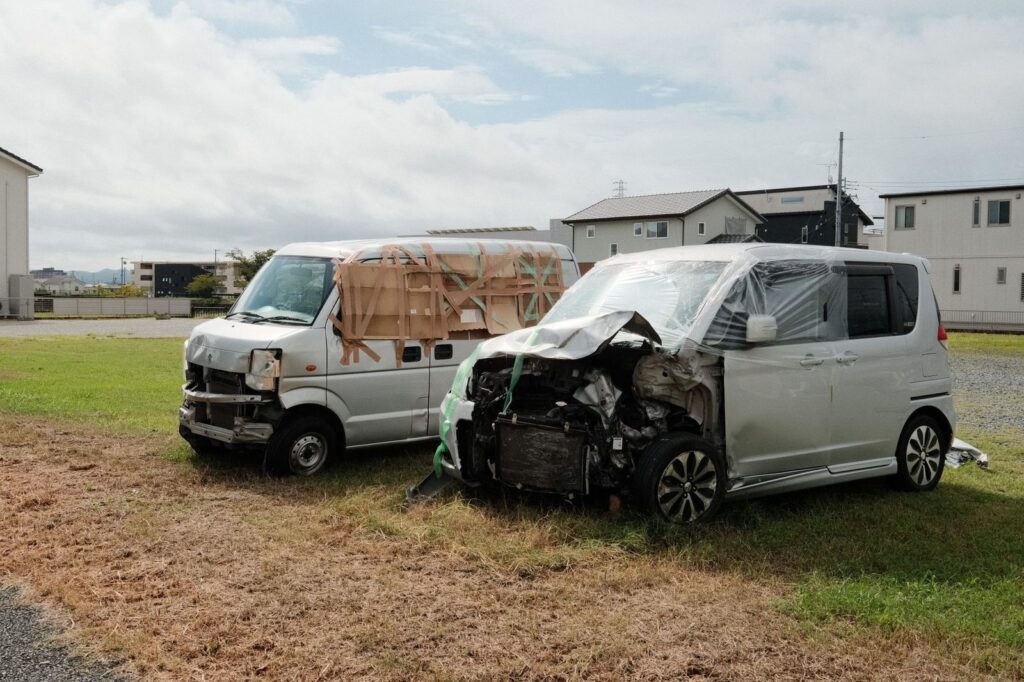
How Insurance Companies Evaluate Concussion Claims—and What They’ll Challenge
Insurance adjusters follow a process to determine settlement value. Understanding what they look for—and what they’ll try to minimize—helps you prepare your claim and counter their tactics.
They examine:
- Your complete medical records and treatment history
- Documentation of lost wages and income (pay stubs, tax returns, employer letters)
- Expert medical opinions on prognosis and long-term effects
- The police report and liability determination
- Comparable settlements in similar cases
- Your age, occupation, and earning history
They often challenge:
- Causation: Whether the concussion was actually caused by the accident (not a pre-existing condition, not caused by something else). If you had prior concussions or neurological issues, they’ll argue those limit the value of your current claim.
- Severity: Arguing your concussion was “mild” and should resolve quickly, even if your medical records show otherwise.
- Necessity of treatment: Questioning whether certain treatments (specialist visits, imaging, rehabilitation) were medically necessary or just inflating your bill.
- Recovery timeline: Claiming you should have recovered faster and that your ongoing symptoms are unrelated to the accident.
- Your credibility: Pointing to social-media posts, activities, or statements that seem inconsistent with your injury claims.
This is where representation matters. An attorney can advocate for your claim, respond to low initial offers from insurers, and help you evaluate any offer before deciding whether to accept it.
Calculating Pain and Suffering for a Concussion
Pain and suffering is the hardest part of your claim to quantify because there’s no receipt or invoice. But under Florida law, pain and suffering in a car accident claim is generally recoverable only if the injury meets the permanent-injury threshold in § 627.737(2) of the Florida Statutes, and other limits, such as comparative fault, may apply.
Common calculation methods:
Florida law does not set a multiplier for non-economic damages, and no formula determines them. In a Florida motor-vehicle claim, pain and suffering is generally recoverable only if the permanency threshold in § 627.737(2) is met, and other limits such as comparative fault may apply. Each case differs, and no result is guaranteed.
Why it varies: A concussion that resolves in weeks may warrant a lower multiplier or daily rate. Post-concussion syndrome lasting months or years may warrant a higher one because your suffering is prolonged and your life is disrupted for longer.
No guarantee of a specific amount: Courts and insurance companies have discretion in applying these methods. The goal is to recover fair compensation for the harm you’ve suffered, not to reach a predetermined number. Insurers will often propose a lower multiplier or daily rate; your attorney can push back with evidence of severity and duration.
Your Legal Rights: Florida Statute of Limitations and Comparative Negligence
Time limits matter: Florida Statute § 95.11 sets a 2-year deadline to file a personal-injury lawsuit for a car accident. This deadline applies to concussion and traumatic brain injury claims. Don’t delay in reporting your injury and seeking legal guidance. Insurance companies know this deadline and may use it as leverage to pressure you into accepting a low settlement before you have time to fully understand your claim.
Comparative negligence: Florida Statute § 768.81 establishes Florida’s comparative-negligence rule. You can recover damages only if you are 50% or less at fault for the accident. If you’re found more than 50% at fault, you generally recover nothing. If you’re 30% at fault and the other driver is 70% at fault, you recover 70% of your damages. Insurance companies will try to shift blame to you to reduce their liability; your attorney can counter with evidence from the police report, witness statements, and accident reconstruction.
Want to know where you stand?
Tell us what happened and our team will walk you through the options available to you, at no cost.
What Happens Next: Understanding Your Options
If you’ve suffered a concussion in a car accident, here’s what you should do:
-
Report the accident to the at-fault driver’s insurance company promptly. Provide basic information but do not admit fault or give a recorded statement without legal advice. Insurance adjusters are trained to extract statements that minimize your claim.
-
Gather and preserve all evidence: medical records, bills, pay stubs, photos of the accident scene, witness contact information, and any documentation of your injury and recovery. Keep originals and make copies.
-
Seek medical care immediately and follow all treatment recommendations. This creates the documented record you’ll need and supports your recovery. Don’t skip appointments or delay seeking specialist care.
-
Consult with an attorney early. An attorney can evaluate your claim, negotiate with insurers on your behalf, counter their tactics, and protect your rights. You don’t have to face this alone.
-
Understand that settlement negotiations take time. Rushing to accept an early offer from an insurance company may leave you undercompensated. A fair settlement reflects the full value of your damages—economic and non-economic—and accounts for your long-term recovery.
-
Know your rights. You are entitled to fair compensation for your injuries. You do not have to accept an inadequate settlement, and you have the right to pursue a lawsuit if necessary.
Frequently Asked Questions
How much is a concussion worth in a car accident?
Settlement value depends on your specific circumstances—injury severity, medical documentation, recovery length, impact on work, and age—not on a fixed amount. Ranges you see online may not apply to your case.
What is post-concussion syndrome?
Post-concussion syndrome is a condition in which concussion symptoms (headaches, dizziness, memory problems, fatigue) persist for weeks or months beyond the typical recovery period, increasing claim value because recovery is extended.
Do I need medical documentation to file a concussion claim?
Yes. Insurance companies rely on medical records to evaluate injury severity and settlement value. Seek immediate medical care and preserve all records of treatment, appointments, and prescribed medications.
How long do I have to file a concussion claim in Florida?
Florida law sets a 2-year deadline to file a personal-injury lawsuit. Report your injury promptly and consult an attorney early to protect your rights.
Can I recover lost wages if I missed work due to a concussion?
Yes. You can recover all wages, salary, and benefits you lost while unable to work during your recovery. Provide pay stubs and documentation from your employer.
What if I was partially at fault for the accident?
Under Florida’s comparative-negligence rule, you can still recover damages if you are 50% or less at fault. Your recovery is reduced by your percentage of fault.
If you’re recovering from a concussion after a car accident and trying to understand what compensation you might be entitled to, you’re not alone—and you don’t have to navigate this process by yourself. Contact CHG Personal Injury Lawyers for a free case evaluation to discuss your specific situation and learn what your claim might be worth. Call us or fill out our contact form today.
Settlement Value Is Not One-Size-Fits-All
Online 'settlement calculators' or ranges you see may not reflect your situation. Your concussion's severity, your medical records, how long recovery takes, your lost wages, and your age all matter. No two cases are identical.
What Damages May Be Included in a Concussion Settlement
Medical Expenses
Emergency room visits, CT scans or MRI imaging, doctor visits, neurological evaluations, physical therapy, and any ongoing treatment related to your concussion and recovery.
Lost Wages & Earning Capacity
Income you lost while recovering and unable to work, and—if your concussion causes lasting cognitive or physical effects—reduced earning potential over time.
Pain, Suffering & Quality of Life
Compensation for the physical pain, headaches, dizziness, cognitive difficulties, emotional distress, and impact on your daily activities and relationships during recovery.
Post-Concussion Syndrome
If concussion symptoms persist beyond the typical recovery window, settlements may account for ongoing treatment, medication, lifestyle adjustments, and long-term medical monitoring.
How We Approach Your Concussion Claim
Thorough Medical Documentation
We work with your medical providers to build a complete record of your injury, treatment, and recovery—including imaging, test results, and specialist reports that support your claim's value.
Accountability for the At-Fault Driver
We investigate how the crash happened, gather evidence of negligence, and hold the responsible party accountable for the full scope of your injuries and losses.
Clear Communication Every Step
We explain your claim in plain language, answer your questions, and keep you informed as we negotiate or prepare your case for trial if needed.
Focus on Your Recovery
Our practice focuses exclusively on catastrophic and serious personal injury. We handle the legal work so you can focus on healing and rebuilding your life.