

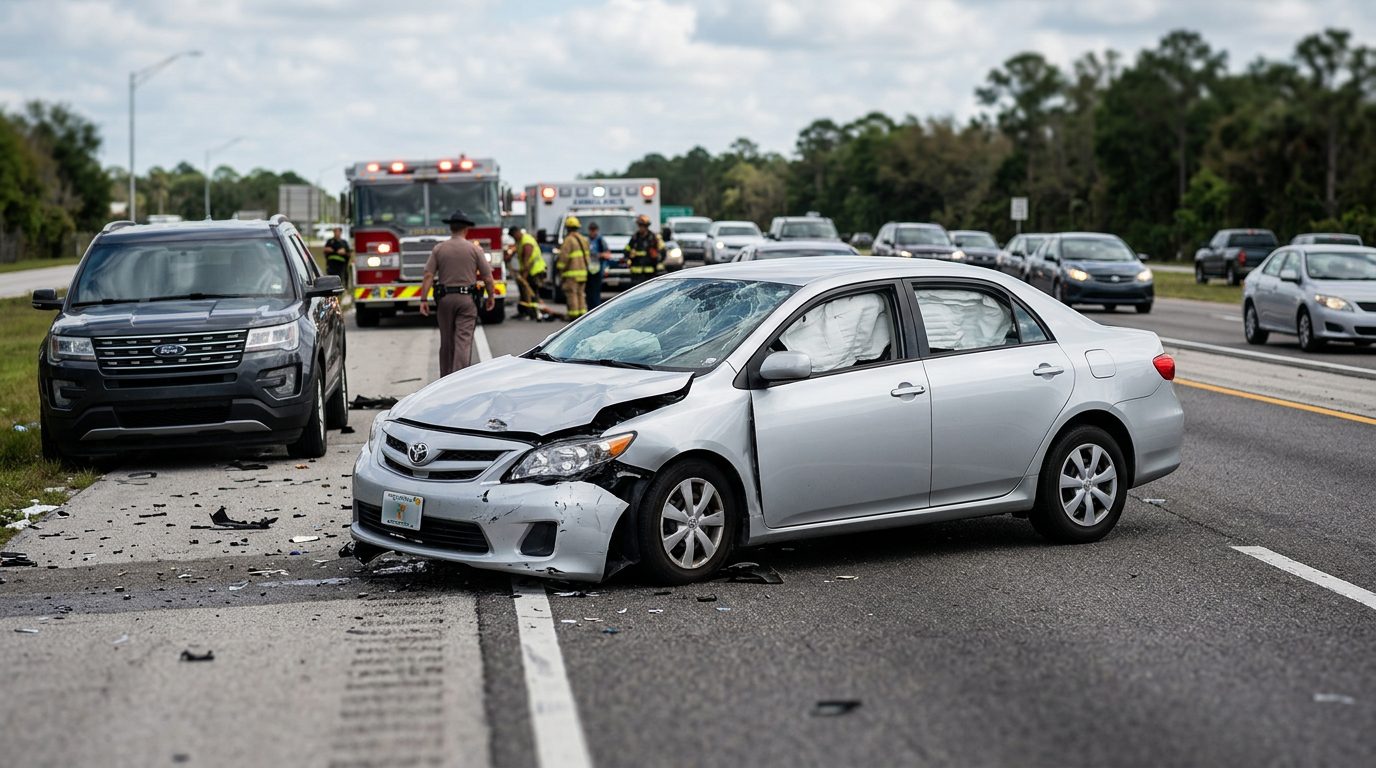
Car Accident Claims in Florida
What Determines the Value of Your Car Accident Claim?
Understanding the factors that affect settlement and compensation after a crash—and why early legal guidance matters.
By CHG Lawyers · Published October 05, 2026
Average Car Accident Claim Value in Florida: What Determines Your Settlement
There is no single “average” car accident claim in Florida. Settlements range from a few thousand dollars for minor injuries to millions for catastrophic, life-altering harm. What your claim is worth depends on injury severity, liability strength, and the specific damages you’ve suffered.
This guide breaks down the factors that drive claim value. It explains why catastrophic injuries like spinal cord injury, paralysis, and traumatic brain injury result in dramatically higher settlements than minor fender-benders.

Not sure what your next step is?
Talk it through with our team — the first consultation is free, confidential, and carries no obligation.
Why “Average” Claim Amounts Are Misleading
When you search for “average car accident settlement,” you’ll find a wide range of figures. These numbers hide more than they reveal.
A minor fender-bender with soft-tissue injury may settle for a modest amount. A spinal cord injury with permanent paralysis may be worth far more. Both are car accidents, but the claim value is incomparable.
Using an average to estimate your own case is like using the average height of all Americans to predict your height. The number tells you almost nothing about your situation.
Claim value is driven by four primary factors: – Injury severity – Permanence of harm – Medical and lost-wage damages – Liability strength
Each of these varies dramatically from case to case.
Factors That Drive Car Accident Claim Value in Florida
Severity of Injury
Injury severity is the single largest driver of claim value. Florida courts and insurers categorize injuries along a spectrum from minor (whiplash, soft-tissue strain, minor cuts), to moderate (broken bones, significant cuts, moderate medical bills), to serious (severe fractures, significant head injury, substantial lost wages), to catastrophic (spinal cord injury with paralysis, traumatic brain injury with permanent cognitive impairment, amputation, severe burns). Each step up the spectrum sharply increases the potential value of a claim.
A catastrophic injury claim is fundamentally different. The victim faces lifetime medical care, assistive devices, home modifications, lost earning capacity, and permanent changes to quality of life. These damages add up over decades.
Permanence of Harm
Temporary injury recovers. Permanent injury does not.
A broken arm that heals fully within six months generates medical bills and temporary lost wages. A spinal cord injury causing paralysis generates lifetime care costs. The difference in claim value is enormous.
If you suffer permanent disability—you cannot return to your prior job, you require ongoing medical care, or your mobility is permanently limited—your claim value increases substantially. Permanence is often the dividing line between a five-figure and a seven-figure settlement.
Medical Expenses and Ongoing Care Costs
Medical bills are concrete, calculable damages. They include:
- Emergency room and hospitalization
- Surgery and specialized procedures
- Rehabilitation and physical therapy, often for months or years
- Assistive devices (wheelchairs, walkers, orthotics, prosthetics)
- Home modifications (ramps, accessible bathrooms, elevators)
- Ongoing medical care and medications for life
For catastrophic injury, lifetime medical costs can be substantial. Insurers and juries factor these costs directly into settlement value.
Lost Wages and Loss of Earning Capacity
Lost wages are straightforward: income you didn’t earn while recovering.
Loss of earning capacity is more complex and far more valuable. If you earned $60,000 annually before a car accident and can no longer work due to permanent disability, your loss of earning capacity over the next 30 years could exceed $1.8 million. This is the difference between what you would have earned and what you can now earn—often zero.
Vocational experts and economists testify to quantify this damage. For a young worker with decades of career ahead, loss of earning capacity can dwarf all other damages.
Pain and Suffering (Non-Economic Damages)
Florida law allows recovery for pain and suffering—non-economic damages that compensate for physical pain, emotional distress, loss of independence, and psychological trauma. Unlike medical bills, there is no formula. A jury decides the amount based on the injury’s severity and impact on your life.
Catastrophic injuries typically result in higher pain and suffering awards. A spinal cord injury victim who loses mobility, independence, and career prospects may receive hundreds of thousands or millions in pain and suffering damages. The permanence and life impact of the injury drive these awards.
Liability Strength
A strong liability case increases settlement value. Clear negligence—the other driver ran a red light, was drunk, or was speeding recklessly—makes insurers more willing to settle and juries more likely to award full damages.
Disputed liability or comparative negligence (shared fault) reduces your recovery. Florida’s modified comparative negligence rule allows you to recover even if you are partially at fault, but your award is reduced by your percentage of fault. If you are 20% at fault and your claim is worth $100,000, you recover $80,000.
Insurance Policy Limits
Many drivers carry higher limits. Commercial vehicles often carry $100,000–$1 million or more.
Your claim cannot exceed the at-fault driver’s policy limit unless you pursue the driver’s personal assets—often impractical. If the at-fault driver’s coverage is insufficient, your own underinsured motorist (UIM) coverage may bridge the gap.
Catastrophic Injuries: Why Claim Value Skyrockets
Catastrophic injuries—spinal cord injury with paralysis, traumatic brain injury, amputation, and severe burns—are fundamentally different from routine car accident injuries. They cause permanent impairment and reshape the victim’s entire life.
Spinal Cord Injury and Paralysis
A spinal cord injury can result in paraplegia (paralysis of the lower body) or quadriplegia (paralysis of all four limbs). Warning signs include inability to move arms or legs, loss of sensation or numbness in the limbs, severe neck or back pain, and difficulty breathing.
If you witness a car accident victim who is conscious but complaining of severe neck pain and cannot feel his legs, paralysis is a critical red flag for spinal cord injury. This person needs immediate medical attention and immobilization to prevent further damage.
Spinal cord injuries can require long-term medical care, and the cost of that care is one factor in evaluating a claim.
Traumatic Brain Injury
Traumatic brain injury (TBI) can cause cognitive impairment, behavioral changes, memory loss, and personality changes. Unlike a broken bone, TBI’s effects are often invisible but profoundly disabling.
A victim may appear physically recovered but struggle with executive function, emotional regulation, or memory. Return to work becomes impossible or severely limited. Claim values for moderate to severe TBI can reach into the millions, depending on the degree of cognitive impairment and the victim’s age and earning potential.
Amputation and Limb Loss
Amputation is permanent. A victim loses not only the limb but also earning capacity, independence, and identity. Prosthetics are expensive, require ongoing replacement, and never fully restore function.
Amputation claims typically range from $500,000–$2 million or more, depending on which limb was lost, the victim’s age and occupation, and the quality of prosthetic care available.
Severe Burn Injuries
Severe burns cause scarring, infection risk, and psychological trauma. Reconstructive surgery is painful, prolonged, and often yields imperfect results. Victims may face permanent disfigurement, loss of function, and chronic pain.
Burn injury claims often reach $500,000–$3 million or more, especially when the victim is young and faces decades of medical care and psychological recovery.
Have questions about what happened?
Ask our team directly. The first conversation is free, confidential, and there is no obligation to continue.
Warning Signs of Spinal Injury After a Car Accident
If you or a witness observe these symptoms in a car accident victim, call 911 immediately and do not move the person:
- Paralysis or inability to move arms or legs: a critical sign of spinal cord injury
- Loss of sensation or numbness in the limbs: suggests nerve damage
- Severe neck or back pain: especially after a high-impact collision
- Difficulty breathing or chest tightness: can indicate a high spinal cord injury affecting the diaphragm
- Loss of bladder or bowel control: a sign of spinal cord involvement
Early immobilization and medical evaluation can prevent further injury and improve long-term outcomes. Even if symptoms appear mild, seek immediate medical attention. Spinal injuries can worsen over hours or days.
What to Do After a Suspected Spinal Injury
- Call 911 immediately. Do not move the victim.
- Seek emergency medical evaluation. Tell the doctor about the accident and any symptoms.
- Request imaging. X-ray, CT, or MRI can rule out spinal cord injury.
- Follow all medical recommendations. Immobilization, hospitalization, and rehabilitation are critical.
- Document everything. Keep all medical records, imaging, and treatment notes—these prove your claim.
- Report the accident to the at-fault driver’s insurance company, but do not give a recorded statement without legal counsel.
- Consult an attorney before accepting any settlement offer. Catastrophic injury claims require in-depth knowledge to value correctly.
Settlement vs. Trial
Most car accident claims settle before trial, often for less than the case’s full value. Insurance companies use settlement calculators based on injury severity and liability to set initial offers.
Strong evidence of liability and catastrophic injury can push insurers toward higher settlements. Weak liability or disputed facts may result in lower offers or require trial.
An attorney’s experience in valuing catastrophic injury claims and willingness to litigate can significantly increase the final recovery. Mediation and negotiation often bridge the gap between the insurer’s initial offer and the case’s true value.
Frequently Asked Questions
What is the statute of limitations for a car accident claim in Florida?
The deadline to file a negligence lawsuit in Florida is two years from the date of injury. Do not wait—consult an attorney early to protect your rights.
How does comparative negligence affect my settlement (Fla. Stat. § 768.81(6))?
Florida allows recovery even if you are partially at fault, but your award is reduced by your percentage of fault. If you are 30% at fault, you recover 70% of your claim value.
Can I recover pain and suffering damages?
Yes. Florida law allows recovery for non-economic damages (pain and suffering, loss of enjoyment of life, emotional distress) in addition to medical bills and lost wages. Catastrophic injuries typically result in higher pain and suffering awards.
What if the at-fault driver has insufficient insurance?
Your own underinsured motorist (UIM) coverage may cover the gap. Review your policy or consult an attorney to determine your options.
How are lifetime care costs calculated in a catastrophic injury claim?
Life-care planners and medical experts project the victim’s medical needs over their remaining life expectancy. Economists calculate the present value of these future costs. For a young victim with a spinal cord injury, these projected costs can be substantial.

Want to know where you stand?
Tell us what happened and our team will walk you through the options available to you, at no cost.
Key Takeaways
There is no single “average” car accident claim in Florida. Settlements range from thousands for minor injuries to millions for catastrophic harm. Injury severity, permanence, medical and lost-wage damages, and liability strength all drive claim value.
Catastrophic injuries—spinal cord injury with paralysis, traumatic brain injury, amputation, and severe burns—result in claim values in the hundreds of thousands to millions. They cause permanent impairment and lifetime care needs.
Early medical evaluation, thorough documentation, and in-depth legal knowledge are critical to protecting and maximizing your claim. If you’ve suffered a serious or catastrophic injury in a car accident, do not settle without understanding what your claim is truly worth.
If you’ve suffered a serious or catastrophic injury in a car accident, understanding what your claim is truly worth is the first step. Reach out to discuss your situation with a Florida personal injury attorney who can help you understand what comes next.
Key Factors That Affect Claim Value
Severity of Injury
Medical expenses, ongoing treatment, and the permanence of your injury are central to valuation. Catastrophic injuries—spinal cord damage, traumatic brain injury, amputation—typically result in higher compensation due to lifetime care needs.
Liability and Fault
Florida's comparative negligence rule allows recovery even if you share partial fault, but your compensation is reduced by your percentage of fault (Fla. Stat. § 768.81(6)). Clear liability strengthens your claim's value.
Economic Damages
Medical bills, lost wages, rehabilitation costs, vehicle repair or replacement, and future medical care are all quantifiable losses that directly increase claim value.
Non-Economic Damages
Pain and suffering, emotional distress, loss of enjoyment of life, and permanent scarring or disfigurement are harder to measure but often represent substantial value in serious injury cases.
Why the First Steps Matter
Time Limits Apply
Florida law sets a two-year deadline to file a negligence lawsuit (Fla. Stat. § 95.11(5)(a)). Early consultation protects your rights and ensures no critical deadlines are missed.
Documentation Is Critical
Medical records, accident reports, witness statements, and evidence of lost income all build a stronger claim. Prompt action preserves this evidence.
Insurance Company Tactics
Insurers often minimize claims or pressure quick settlements. An attorney can negotiate on your behalf and ensure you're not undercompensated.
Long-Term Impact Matters
Catastrophic injuries require lifetime care planning. Claim value must account for future medical needs, not just immediate costs.
Don't Settle Too Quickly
Accepting an early settlement offer—especially after a serious injury—can lock you into inadequate compensation. The full scope of your damages may not be clear for weeks or months. Speak with an attorney before agreeing to anything.
Common Questions About Florida Car Accident Claims
What if I was partially at fault?
Florida's comparative negligence law allows you to recover damages even if you are partially responsible—your recovery is simply reduced by your share of fault (Fla. Stat. § 768.81(6)). This is why establishing the other driver's liability is so important.
How long does a claim take to settle?
Simple claims may settle in weeks; complex or catastrophic injury cases often take months or longer. Rushing to settle can mean leaving money on the table. Your attorney can advise on realistic timelines for your specific situation.
What if the other driver was uninsured?
Your own policy may cover your losses even if the at-fault driver has no insurance.
Are there limits on what I can recover?
An attorney can explain what applies to your claim.