
Florida Injury Guide
Hurt in an Accident Where You Share Some Blame? Don't Assume You Have No Claim.
Shared fault is one of the most common worries after a crash or fall. Here is how Florida approaches it, and what to do next.
Who We Are
Florida
Florida-based personal injury firm
Licensed
Attorneys admitted to The Florida Bar
Free
Confidential first consultation, no obligation to continue
By CHG Lawyers · Published November 24, 2026
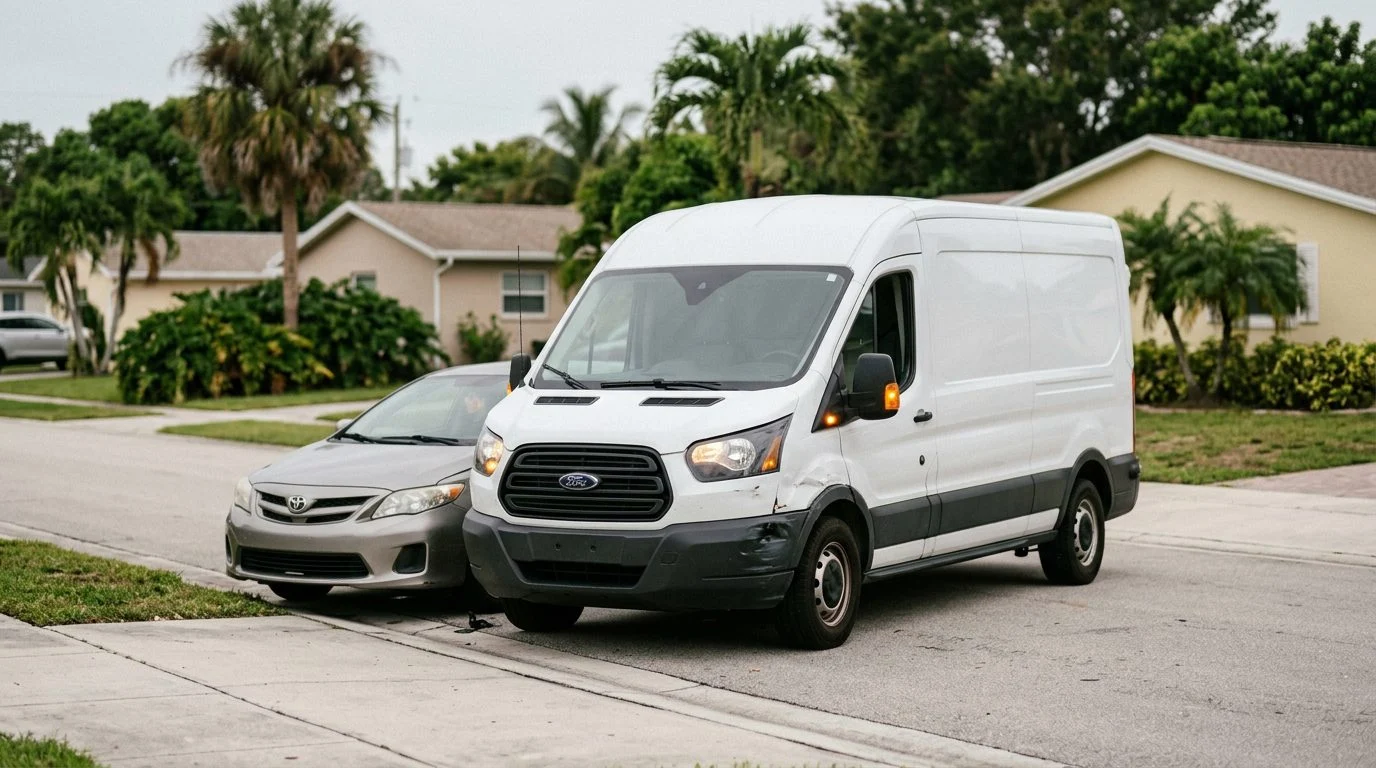
You were hurt in a crash, and now you’re worried that your own part in it could cost you your claim. That worry is common, and it deserves a straight answer.
In Florida, being partially at fault does not automatically end a personal injury claim. Under Florida’s comparative fault rules, in a negligence action to which this section applies, a person found more than 50 percent at fault for their own harm may not recover any damages; this bar does not apply to personal injury or wrongful death claims arising out of medical negligence.
The short answer: Florida’s 50% rule
If your share of fault is 50 percent or less, Florida law does not bar your claim (Fla. Stat. § 768.81(6)). Your award is reduced by your percentage of fault, but you are not shut out.
Florida’s comparative fault law says fault chargeable to you reduces your award, but it does not by itself bar recovery.
The word that matters is “greater.” Exactly 50 percent still allows recovery.
Under the same statute, economic damages include past and future lost income and medical and funeral expenses. Your share of fault reduces the total award in proportion to that share.
Here is the math only. Suppose total damages were $100,000, and a jury found you 20 percent at fault. The reduction would be $20,000, leaving $80,000. That is an example of the math, not a prediction for any case.
If you're worried that your own part in the crash could cost you your claim, our team can talk it through with you in a free, confidential consultation. Talk it through with our team — the first consultation is free, confidential, and carries no obligation.

What “partially at fault” means in plain language
Partially at fault means some of the blame for the harm falls on you, even if others share more of it. Fault is usually about whether someone failed to act with reasonable care. That care can be shared among drivers, property owners, and others involved.
Partial-fault questions come up in everyday situations. Here are a few common examples:
- A driver enters an intersection on a yellow light while another driver is speeding.
- A pedestrian crosses outside a crosswalk at night, and the driver had little time to stop.
- A motorcyclist or bicyclist was not wearing a helmet, which may be a factual question in the case.
Each example has two sides. Those who review a crash look at the whole sequence of events, not a single moment.
Even a small percentage matters. In a negligence action, Fla. Stat. § 768.81 provides that contributory fault chargeable to the claimant diminishes proportionately the amount awarded, so any percentage of fault assigned to the injured person deserves careful review.
How fault percentages are decided
Fault percentages are usually set by a jury or a judge in a lawsuit. They can also be negotiated when a claim settles. The American Society of Civil Engineers explains that comparative fault divides responsibility among the parties to an accident and limits each party’s damages to its share (Fla. Stat. § 768.81(6)).
Evidence that often shapes these numbers includes:
- Police reports and photographs of the scene
- Vehicle damage patterns
- Dashcam or surveillance video
- Witness statements and phone records
- Your medical records
Insurance adjusters may give their view of fault early on. Treat that early view as one opinion, not the final answer.
Your own insurance may also pay certain bills.
Why the 2023 change matters
Under section 768.81 of the Florida Statutes, in a negligence action to which that section applies, a party found to be greater than 50 percent at fault for his or her own harm may not recover any damages; the section lists exceptions, including actions based on an intentional tort. Fla. Stat. § 768.81 reads: “This subsection does not apply to an action for damages for personal injury or wrongful death arising out of medical negligence pursuant to chapter 766.” Section 30 of Chapter 2023-15, Laws of Florida states: “Except as otherwise expressly provided in this act, this act shall apply to causes of action filed after the effective date of this act.”
Older lawsuits may follow earlier rules. That’s why the date matters. Don’t rely on an article from years ago to describe the rule that applies to your accident.
The same 2023 law also changed the filing period for most negligence claims. The deadline section below explains how that works.
When several people share the blame
Several people can share the blame in one crash. A driver, a property owner, a vehicle maker, or a company may each play a role.
Your own share of fault reduces your award. One person’s share does not automatically decide another person’s share. Whether a claim against each party is available depends on the facts of the crash and the evidence.
Vehicle defects are one example.
Deadlines: why timing matters even when fault is disputed
Florida sets filing deadlines for injury claims. Florida law requires that an action founded on negligence be commenced within two years. Under Fla. Stat. § 95.11, as recently amended by ch. 2025-153, Laws of Florida, an action founded on negligence must be commenced within two years under subsection (5)(a).
Wrongful death claims also carry a two-year period under the same statute.
Deadlines apply whether or not fault is disputed. Evidence can fade over time, and deadlines keep running while fault is being argued. Claims against government bodies can follow different rules, so timing needs a close look.
Follow your doctors’ care and keep records of every visit. Those records also help show how the crash affected your health.
Not sure what your next step is?
Talk it through with our team — the first consultation is free, confidential, and carries no obligation.
Talk with our team about your situation
If you were hurt and you’re worried that your own part in the crash will cost you your claim, you’re not alone in asking. You don’t need every answer before you reach out.
Our team can review how the accident happened, the fault questions, and the deadlines that may apply in Florida. The initial consultation is free, confidential, and carries no obligation to continue. CHG charges no attorney’s fees and no case costs unless there is a recovery.
Please contact CHG Personal Injury Lawyers to talk through your situation. Responsible lawyer: Igor Hernandez, a licensed attorney admitted to The Florida Bar. The firm serves clients throughout Florida.
Frequently Asked Questions
Can I still file a claim if I was partly at fault for my accident in Florida?
Yes, in many cases. Florida uses a modified comparative negligence rule under Florida Statute 768.81: if you are found 50% or less at fault, you may still recover damages, reduced by your share of fault.
How does partial fault reduce the compensation I could recover?
Your total damages are reduced by your percentage of fault. For example, if the total damages were $100,000 and you were found 20% at fault, the award would be reduced by $20,000 to $80,000. Every case depends on its own facts, so no result can be predicted.
What if I was more than 50% at fault?
Under Florida law, you generally cannot recover damages if you are found more than 50% at fault. Fault is often disputed, so an insurance company’s view of who was to blame is not the final word, and a careful review of the evidence matters.
Do partial-fault rules change my deadlines?
No. Florida deadlines still apply, and for most negligence claims the general filing period is two years, though other deadlines can apply. Contact CHG Personal Injury Lawyers promptly. The initial consultation is free, confidential, and carries no obligation to continue, and the firm charges no attorney’s fees or case costs unless there is a recovery.
Questions to Ask Before You Decide
Who was at fault, and how much?
Fault is rarely all or nothing. Details such as speed, signals, lighting, and the actions of each party all matter, and they can change the outcome of a claim.
What evidence exists?
Photos, police reports, witness statements, medical records, and video can show how the accident happened. Preserving that evidence early helps protect your claim.
What did the insurer say?
Insurance adjusters may ask for a recorded statement or suggest a quick settlement. Speak with a lawyer before you agree to anything.
When does the clock start?
Deadlines apply to injury claims in Florida. Waiting can make it harder to build your case, so contact the firm promptly.
Key Warning
Do not assume that being partly at fault ends your claim, and do not assume it guarantees a particular result. Only a review of your specific facts can answer the question. Avoid signing releases or accepting an insurer's offer until you have spoken with a lawyer.
How CHG Personal Injury Lawyers Can Help
Free, confidential first consultation
We review the facts of your accident with you at no cost and with no obligation to continue.
No fees unless there is a recovery
CHG charges no attorney's fees and no case costs unless there is a recovery.
Attorneys who listen
Our lawyers and staff take time to understand how the accident has changed your life and your family's.
Serving clients throughout Florida
From Miami and Fort Lauderdale to Orlando, Tampa, and Jacksonville, we represent injured people across the state.
Prompt attention
Because deadlines apply, we encourage you to reach out early so important evidence and options are not lost.