

By Igor Hernandez, CHG Lawyers, Coral Gables, Florida
Losing a Limb After an Aviation Accident? You Do Not Have to Face the Next Steps Alone
CHG is a Florida personal injury firm. We help Miami families understand amputation injuries and the questions that follow an aviation accident, including what records matter and who may be responsible.
By Igor Hernandez, CHG Lawyers, Coral Gables, Florida
Many people travel through Miami International Airport (MIA) each year. When a plane crashes, the harm can be different from other accidents. Amputation injuries can change daily life for years.
Aviation Accident Injury Claims in Miami: What Families Need to Know About Liability and Filing Deadlines
Aviation accidents are different from most other accidents. Families who lose a loved one often have many questions. Families who live with a serious injury often have many questions too.
They want to know what happened. They also want to know what options exist.
If you or a family member was hurt in an aviation accident in Miami, one point matters most. Florida sets time limits for filing lawsuits. These limits are found in Fla. Stat. § 95.11.
The deadline that applies depends on the type of claim and the facts. Do not assume you have more time than the law provides. Speak with a lawyer promptly.
Aviation claims also follow different legal rules than car accident or slip-and-fall claims. Federal regulations and international treaties may apply. These depend on the flight and the facts. A lawyer can help review this complexity.

Not sure what your next step is?
Talk it through with our team — the first consultation is free, confidential, and carries no obligation.
Why Miami’s Aviation Activity Matters for Accident Risk
Miami is a major international gateway. Large airports bring heavy air traffic.
Tropical weather can also change quickly. Sudden storms, wind shear, and low visibility can make flying harder.
When accidents happen in busy areas, several people may be hurt or killed at once. Whole families can be affected at the same time. For this reason, it is important to preserve evidence and watch deadlines closely.
How Aviation Law Differs From Ordinary Personal Injury Law
This depends on the facts.
International treaties: The Montreal Convention sets monetary thresholds, expressed in Special Drawing Rights (SDRs), for claims for death or bodily injury, and ICAO has reported a planned increase to those thresholds (ICAO). A treaty is an agreement between countries. Under Article 21 of the Montreal Convention, an air carrier generally cannot exclude or limit its liability for proven damages for death or bodily injury up to a threshold stated in Special Drawing Rights (SDRs). This applies only where the death or injury resulted from an ‘accident’ within the meaning of Article 17, and that liability may still be reduced or eliminated under Article 20 if the carrier proves the damage was caused or contributed to by the claimant’s own negligence. Above that threshold, the carrier generally is not liable if it proves the damage was not due to its own negligence or other wrongful act or omission (or that of its servants or agents), or was due solely to the negligence or other wrongful act or omission of a third party. How these rules apply depends on the facts of each case. The FAQ below explains this. Domestic flights follow different rules.
Evidence and causation: Aviation cases may involve flight data recorders, cockpit recordings, maintenance records, weather data, and air traffic communications. Showing what caused an accident may require expert witnesses. Whether a fact is proven depends on the evidence in each case.
Time-sensitive evidence: Evidence can be moved, lost, or changed over time. Witnesses’ memories can also fade. Preserving evidence early can help protect your options.
Florida Filing Deadlines: Why Timing Matters
Florida sets time limits for filing lawsuits in § 95.11. The deadline that applies depends on three things:
- The type of claim
- The facts of the case
- Any exceptions
A missed deadline may bar a claim. This depends on the facts and the applicable law. Do not wait to have your situation reviewed.
Treatment may continue for a long time. Even so, check deadlines early. Contacting a lawyer promptly helps protect your options.
Who May Be Responsible in an Aviation Accident
Finding who is responsible takes a careful review. The review covers maintenance records, flight data, cockpit recordings, weather conditions, and regulatory compliance. More than one party may be responsible.
Airlines and operators may be responsible if they failed to:
- Maintain the aircraft
- Train crews
- Follow safety protocols
They may also be responsible for unsafe operational decisions.
Maintenance and repair contractors may be responsible for faulty repairs. They may also be responsible for missing mechanical problems during required inspections.
Aircraft manufacturers may be named when a claim alleges a design or manufacturing problem. These are allegations, and they must be proven. In Florida, a design-defect claim against a manufacturer looks at the state of scientific and technical knowledge at the time of manufacture. See § 768.1257.
Government bodies may be subject to special limits. Claims against the state or its agencies or subdivisions may be limited under § 768.28.
Third-party service providers may have contributed through their own negligence. Examples include ground crews, catering companies, and fuel suppliers.
Whether any party is responsible depends on the evidence, the records, and the applicable law.
Amputation Injuries Miami: Catastrophic Aviation Accident Injuries
Aviation accidents can cause severe injuries with lasting effects. Outcomes vary from person to person. Make treatment decisions with your doctors.
Spinal cord injuries and paralysis may result from impact, crushing forces, or ejection. Spinal cord damage may cause:
- Paraplegia, which is loss of function in the lower body
- Quadriplegia, which is loss of function in all four limbs
Some people need adaptive equipment, home modifications, and rehabilitation. Needs vary by person.
Traumatic brain injuries can occur when a sudden stop, impact, or violent turbulence damages brain tissue. Effects may include:
- Memory loss
- Trouble concentrating
- Personality changes
- Seizures
- Reduced ability to work
Effects vary.
Severe burns may result from fuel fires, electrical fires, or fires after a crash. Serious burns may require emergency care, surgery, and skin grafts. They may also need long-term reconstructive treatment. Burn survivors may face scarring, contractures (tightening of skin or muscle that limits movement), and emotional trauma.
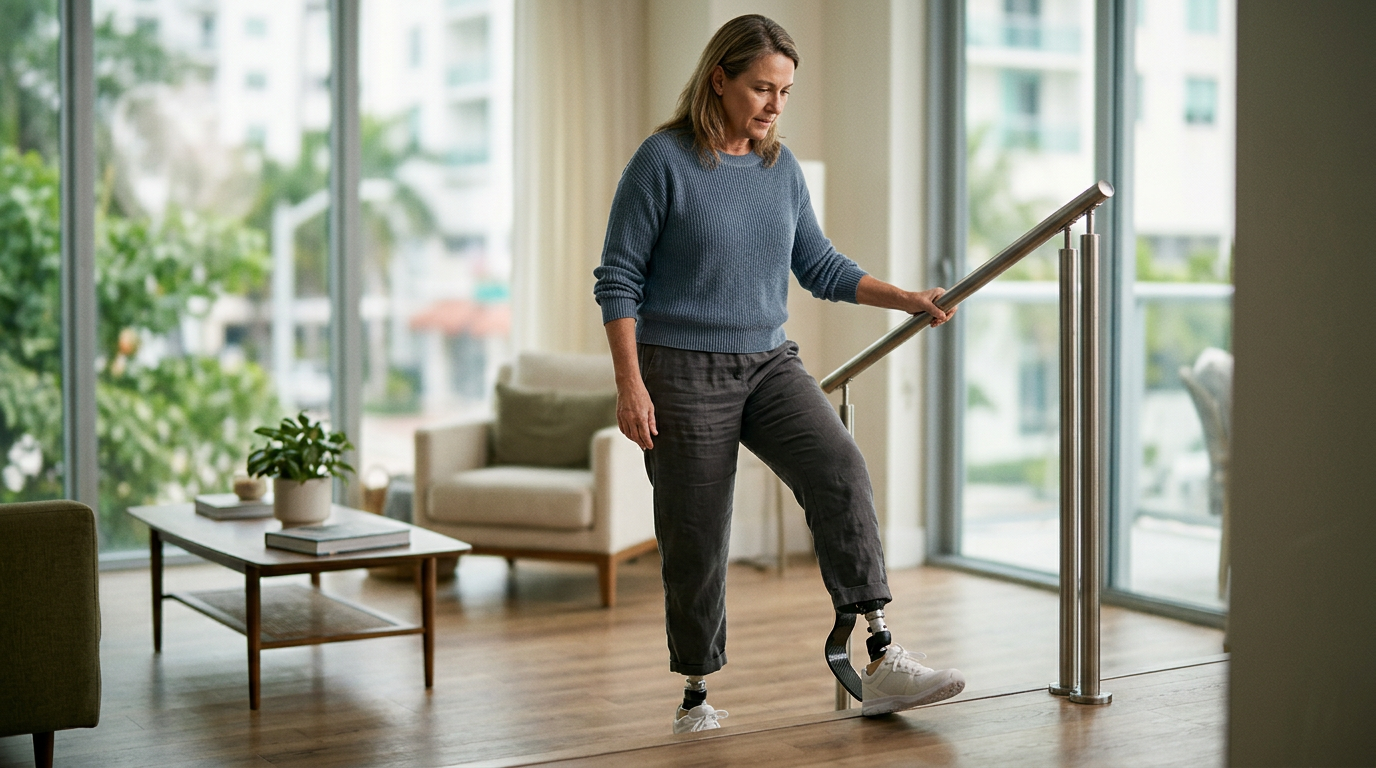
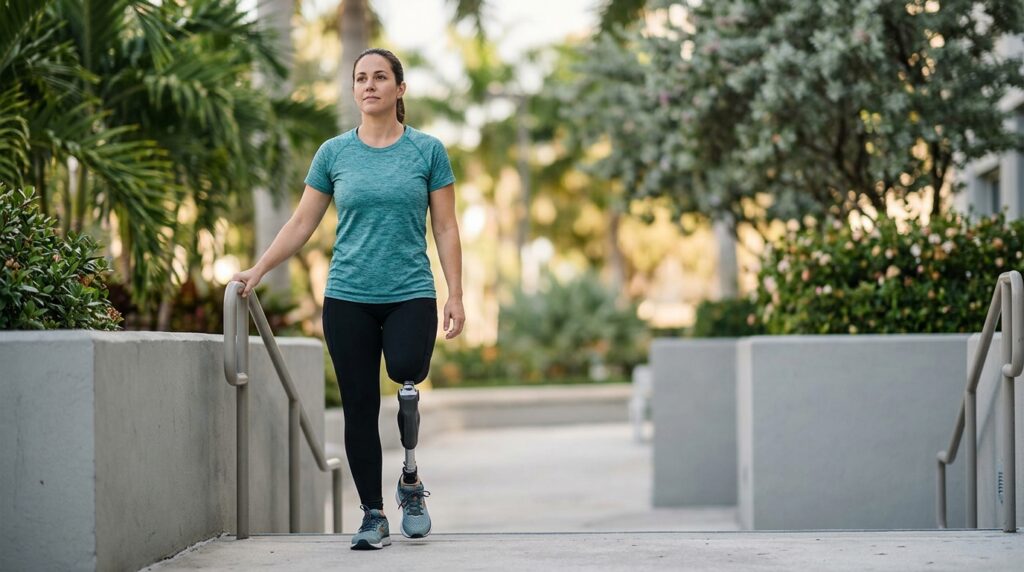
Amputation injuries may happen from crushing injuries, heat damage, or the need for surgery. Losing a limb can mean a lasting change in how the body works. Some people need prosthetic devices (artificial limbs) and ongoing fitting. They may also need retraining for daily tasks and work.
Needs and outcomes depend on each person’s medical care. Follow your doctors’ guidance.
Wrongful death is the most devastating outcome of any accident. When an accident is fatal, families lose a loved one. They may face funeral costs, lost income, and deep grief.
Under Florida’s Wrongful Death Act (§ 768.20, Florida Statutes), a wrongful death claim is generally brought by the decedent’s personal representative on behalf of the survivors and the estate, and which family members qualify as survivors depends on the facts and on Florida law. This depends on the facts and applicable Florida law.
Have questions about what happened?
Ask our team directly. The first conversation is free, confidential, and there is no obligation to continue.
What Compensation May Be Available
Survivors and families may be able to seek compensation for certain losses. These may include:
- Medical expenses: emergency care, surgery, hospitalization, rehabilitation, ongoing treatment, adaptive equipment, home modifications, and future medical care.
- Lost income and reduced earning capacity: wages lost during recovery and lower lifetime earning capacity from permanent disability.
- Pain and suffering: physical pain, emotional trauma, and loss of quality of life, where the law allows them and depending on the facts.
- Wrongful death damages: funeral and burial costs, loss of financial support, loss of companionship, and non-economic losses for surviving family members. These depend on the facts and applicable Florida law.
Whether any recovery is available, and in what form, depends on the facts of each case and on applicable law, which may include Florida law and the Montreal Convention, along with the insurance coverage that applies:
- The severity of the injury
- The degree of fault
- The strength of the evidence
Under § 768.81, fault assigned to the injured person can reduce damages. This is called comparative fault. The injured person’s share of blame lowers what they can recover.
Under § 768.81(6), Florida Statutes, a person found more than 50 percent at fault for their own harm generally may not recover damages in a negligence action filed after March 24, 2023, although this bar does not apply to medical negligence actions and other exceptions may apply. Whether the Montreal Convention applies to a flight depends on the passenger’s itinerary and on which states are parties to the Convention, and the Convention sets monetary thresholds for claims for death or bodily injury.
Thorough investigation and analysis by expert witnesses help document losses. They also help identify possible sources of recovery. No result can be predicted in advance.
Steps to Take After an Aviation Accident
Get prompt medical care. Follow your doctors’ care. Keep records of all injuries, treatment, and medical bills. Medical records are important evidence of the nature and extent of your injuries.
Preserve evidence. Keep photos, videos, personal belongings, and physical evidence in a safe place. Do not allow debris or evidence to be thrown away.
Gather witness information. Collect names and contact details for other survivors, crew members, airport staff, and bystanders. Include anyone who saw the accident or its aftermath.
Do not sign releases or agree to settlements without legal advice. Insurers or other parties may ask you to settle quickly. Talk with a lawyer before you sign anything.
Contact a lawyer promptly. Early legal help can protect your rights and preserve evidence. It can also make sure deadlines are checked. CHG charges no attorney’s fees and no case costs unless there is a recovery.
Keep up with your medical care. Serious injuries may need ongoing treatment. Needs depend on each person. Keep your appointments and follow your doctors’ guidance.
How We Help Survivors and Families in Miami
The CHG practice focuses on personal injury cases. These include catastrophic injury claims and aviation accident claims.
Igor Hernandez is a lawyer admitted in Florida as a member of The Florida Bar. Our team supports the firm’s work on each matter.
The firm’s work on a claim may include:
- Investigating the accident
- Working with expert witnesses, such as aviation engineers and accident reconstructionists
- Communicating with insurers
- Litigating in court, if needed
We understand the emotional and financial toll an accident can take. We can help you understand your options at each step. Whether a claim exists depends on the facts, the medical records, and the applicable law.
Frequently Asked Questions
Is there a deadline to file a lawsuit after an aviation accident in Florida?
Yes. Florida sets time limits for filing lawsuits in Fla. Stat. § 95.11. The deadline that applies depends on the type of claim, the facts, and any exceptions. Do not assume you have more time. Contact CHG promptly to review your situation. CHG charges no attorney’s fees and no case costs unless there is a recovery.
What is the Montreal Convention, and how does it affect my claim?
The Montreal Convention is an international treaty. It may control liability for injuries on international flights.
This is a treaty limit. It is not an estimate of what any claim may be worth. Domestic flights may follow different rules.
Can I sue an airline or airport for injuries in an aviation accident?
This may be possible, depending on the facts. Airlines, operators, maintenance contractors, manufacturers, and other parties may be responsible if negligence caused or contributed to an accident.
Claims against government bodies may be subject to special limits under § 768.28.
What affects a claim after a catastrophic aviation injury?
Each case is different, and any outcome depends on the facts of that case and the applicable law.
Damages may include medical expenses, lost income, pain and suffering, and wrongful death damages. This depends on the facts and applicable law. Comparative fault under § 768.81 may reduce recovery.
No amount can be predicted, and no result can be promised. For international flights, the Montreal Convention may limit damages.
If you or a family member was hurt in an aviation accident in Miami, or lost a loved one in one, you may have options. Whether a claim exists depends on the facts, the medical records, and the applicable law.
Florida filing deadlines apply (Fla. Stat. § 95.11). Contact CHG promptly to review your situation. CHG charges no attorney’s fees and no case costs unless there is a recovery.
Want to know where you stand?
Tell us what happened and our team will walk you through the options available to you, at no cost.
How CHG Can Help Your Family
Rooted in Florida
CHG is a Florida-based personal injury firm serving people across the state, including Miami and surrounding communities.
Attorney Licensed in Florida
Igor Hernandez is an attorney admitted in Florida as a member of The Florida Bar.
Focus on the Whole Person
Clear, Plain-Language Guidance
We explain the legal process in everyday terms so you can make informed decisions with your family.
Time Matters
Every aviation accident is different. Whether a claim exists depends on the facts, the medical records, and the applicable law. Contact our team promptly so we can review your situation.
Steps Families Often Take After an Aviation Accident
Get Medical Care
Follow your doctors' care and keep every appointment, prescription, and rehabilitation plan. Your health comes first.
Keep Your Records
Save medical bills, discharge papers, prosthetic and rehabilitation invoices, and records of time missed from work.
Write Down What You Remember
Note the date, location, and what happened while the details are still fresh. Share any photos or messages you have.
Talk With CHG
Contact CHG to review your situation. CHG charges no attorney's fees and no case costs unless there is a recovery.