


Amputation & Limb Loss
The True Lifetime Cost of Living With a Prosthetic Limb
Losing a limb is not a one-time expense. Prosthetics wear out, need replacing, and require ongoing care that can stretch across decades. Understanding the real numbers is the first step to demanding full and fair compensation.
What the Numbers Tend to Show
3-5 yrs
Typical lifespan of a prosthetic leg before replacement
Decades
Length of time replacements are needed
Ongoing
Fittings, repairs, and physical therapy costs
Nationwide
Catastrophic injury cases we handle
By CHG Lawyers · Published July 26, 2026
The Real Cost of a Prosthetic Limb Over a Lifetime
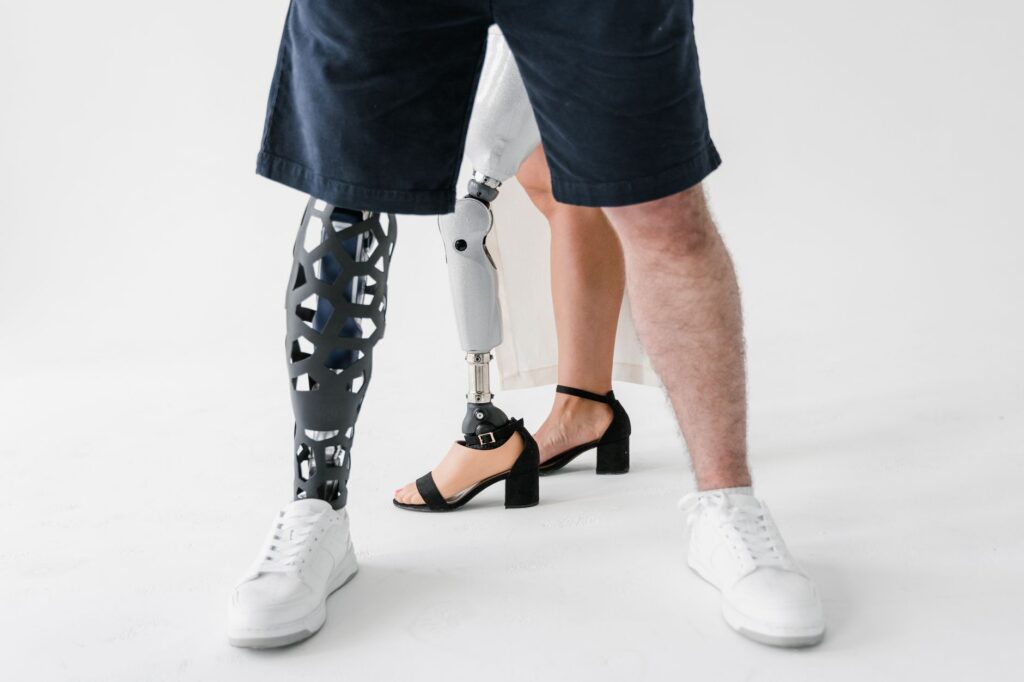
A prosthetic limb usually costs hundreds of thousands of dollars over a lifetime. That is not the price of one device. One prosthesis gets replaced many times over a normal life. You also pay for repairs, refits, therapy, and other care.
The price you see online is only the first payment. In the catastrophic-injury cases our attorneys handle, families are often shocked. The real number grows over decades. This page walks through device prices, how long each device lasts, replacement cycles, the hidden costs of limb loss, and where insurance falls short.
One important note first. Every dollar figure below is a general estimate. Real costs vary by person, injury, region, and technology. Nothing here is a promise of any specific recovery or claim value.

Not sure what your next step is?
Talk it through with our team — the first consultation is free, confidential, and carries no obligation.
Why a prosthetic limb costs far more than the price on the invoice
Losing a limb is a permanent, life-altering injury. Its financial impact lasts for decades. A prosthesis is not a one-time purchase. It is an ongoing need for the rest of a person’s life.
Think of it this way. A device may last only a few years. Then it needs replacing. In between, sockets loosen, liners wear out, and parts break. Bodies change too, and the prosthesis must change with them. Each of these steps costs money.
So the true picture spans many decades. To understand what limb loss really costs, add up every replacement and repair across a lifetime. The first invoice is just the start.
How much does a prosthetic limb cost up front?
A single prosthetic limb usually costs from a few thousand dollars to $70,000 or more. The price depends on the type and technology. The range is huge because devices differ so much.
Here are the general ranges providers often cite:
- Basic below-knee (transtibial) leg: roughly the low thousands up to about $10,000.
- Above-knee (transfemoral) leg: often more, because the knee joint adds complexity.
- Advanced or computerized legs: $70,000 or more.
- Upper-limb (arm) prosthetics: a wide range. Advanced myoelectric arms are among the most costly.
Why such a big gap? Technology drives it. A basic mechanical leg uses simple joints. A microprocessor-controlled (“bionic”) knee uses sensors and a small computer to adjust with each step. A myoelectric arm reads signals from the muscles to move the hand. These advanced devices cost far more than mechanical or body-powered ones.
What is the most expensive prosthetic limb? The priciest are usually advanced bionic legs with microprocessor knees. Myoelectric upper-limb systems are also very costly. These can run into the tens of thousands, sometimes far higher. Again, these are estimates. They shift by manufacturer, region, and how much technology the device includes.
How long does a prosthetic limb last?
A prosthetic limb usually lasts about three to five years before it needs replacing. That is a common industry estimate. The real lifespan varies from person to person.
Several things shorten that lifespan:
- Activity level. Someone who works, walks, or plays sports wears out parts faster.
- Body changes. Weight shifts, muscle changes, and aging all affect fit.
- Wear and tear. Sockets, liners, and moving parts break down with daily use.
Children and young amputees need replacements far more often. A growing child may outgrow a device in months, not years. Over childhood, that means many devices before adulthood even begins.
Now do the math. If a device lasts three to five years, a young adult could need it replaced ten or more times across a normal life span. Each replacement is a new major expense.
Adding it up: the lifetime cost of a prosthetic limb
Multiply one device by a lifetime of replacements. The total climbs fast — often into the hundreds of thousands of dollars or more. This is the number that matters most. It is the one most cost articles skip.
Here is a simple example. Say someone uses an advanced leg that costs $50,000 and needs replacing every four years. Over 40 years, that is ten replacements. Device costs alone could reach $500,000, before any repairs or extras. This is only an example, not a prediction of any person’s costs.
And devices are just part of it. These recurring costs add up between replacements:
- Repairs when parts fail or break.
- Socket refits as the residual limb changes shape.
- Liners and sleeves, which wear out and get replaced often.
- Component upgrades as needs and technology change.
For a young amputee, the lifetime total can be especially high. More years of use means more replacements, more refits, and more repairs. A child who loses a limb faces the longest and most expensive road of all.
Remember, these are illustrative estimates. They show how quickly costs stack up. They are not a forecast of any person’s expenses or any claim’s value.
The other costs that come with limb loss
Limb loss brings many costs beyond the prosthesis itself. They matter just as much to a family’s future. The device is one line item on a much longer list.
Medical care and therapy. After surgery come months of physical therapy, occupational therapy, and prosthetic training to learn the new limb. This care can continue for years.
Home and vehicle changes. Many people need ramps, wider doorways, grab bars, or a lower kitchen counter. A driver may need hand controls or a modified vehicle. These changes are expensive. Sometimes they need updating over time.
Backup equipment. Most people need a spare prosthesis. They also need wheelchairs, crutches, or other aids for when the main device is being repaired.
The emotional toll. Losing a limb affects mental health, not just the body. Many people live with grief, anxiety, or depression. Counseling has a real cost. Some also live with phantom limb pain — pain that feels like it comes from the missing limb. If this affects you, our phantom limb pain resource explains more.
Lost income. A serious injury can reduce or end someone’s ability to work. That lost earning power is one of the largest costs of all. Learn more in our guide to loss of earning capacity after a catastrophic injury.
Have questions about what happened?
Ask our team directly. The first conversation is free, confidential, and there is no obligation to continue.
Does insurance pay for prosthetic limbs?
Private insurance often pays part of the cost. But caps, coinsurance, and denials leave big gaps that patients must cover themselves. Coverage is rarely as complete as people expect.
Common problems include yearly or lifetime dollar caps and high coinsurance. Insurers may also deny an advanced device as “not medically necessary.” Many plans limit how often they will pay to replace a device. This happens even when the old one no longer fits or works.
How much will Medicare pay for a prosthetic leg? Medicare Part B usually pays 80% of the Medicare-approved amount for a covered prosthetic device, after you meet the deductible. You pay the remaining 20% plus any amount above what Medicare approves. Coverage tiers may not include the most advanced devices.
Prior authorization is another hurdle. This means insurers and Medicare often require approval before they pay. That delays care and sometimes ends in a denial. Higher-function devices — the ones that let people work and live actively — face the most pushback.
The bottom line is simple. Insurance and Medicare rarely cover the full lifetime cost of a prosthetic limb. This is especially true for the advanced devices many people need to return to work and daily life.
When someone else’s negligence caused the amputation
Did another party’s carelessness cause the amputation? Then the lifetime cost of the prosthetic limb can become part of a legal claim against them. These costs do not have to fall on the victim alone.
Limb loss often happens in preventable events. A large truck crash can cause injuries so severe that surgeons cannot save a limb. Our truck accident resource explains how these cases work. Dangerous machinery and defective equipment cause other amputations.
Some amputations come from violence. Say you were shot or attacked in an apartment complex parking lot, a garage, a hotel, or a gas station. The property had broken gates, no working lights, no cameras, or no security. And the owner should have known the area was dangerous. In plain terms, the owner failed to keep the property reasonably safe. The legal term for that kind of claim is negligent security (a form of premises liability). You can read more in our negligent security resource.
In these situations, the lifetime costs above can be part of a claim. That includes devices, replacements, therapy, home changes, and lost income. You may claim them against the at-fault party or property owner. A strong claim looks at future costs, not just today’s bills. That is why careful planning matters so much.
How a catastrophic-injury claim accounts for lifetime prosthetic costs
A well-built claim projects decades of future prosthetic and care costs. It uses experts to put a real number on a lifetime of need. This is where the true lifetime picture becomes central to the case.
Attorneys often work with a life-care planner. This expert maps out every future device, refit, therapy session, and piece of equipment a person will need. A forensic economist then calculates what all of that will cost over the years. They adjust for inflation and life expectancy. Together, they turn a lifetime of estimated costs into a documented figure.
Timing and evidence matter too. In Florida, most personal-injury claims that accrue on or after March 24, 2023 must be filed within two years under Fla. Stat. §95.11. Florida also follows a modified comparative-negligence rule under Fla. Stat. §768.81. This can reduce or bar recovery if the injured person is found more than 50% at fault. Preserving evidence early helps protect the full value of a claim.
Have you or a loved one lost a limb because of someone else’s negligence? Our licensed attorneys offer a free, no-obligation case evaluation. We take catastrophic-injury cases nationwide from our base in Florida. You can contact us here. For the full picture of these injuries, visit our main resource on amputation and limb loss.
Frequently asked questions
What is the life expectancy of a prosthetic leg?
A prosthetic leg usually lasts about three to five years before it needs replacing. The exact lifespan varies with activity level, body changes, and wear.
What is the most expensive prosthetic limb?
Advanced bionic legs with microprocessor knees are usually the most expensive. So are myoelectric (muscle-signal) upper-limb systems. They can cost many tens of thousands of dollars or more.
How much will Medicare pay for a prosthetic leg?
Medicare Part B usually pays 80% of the approved amount for a covered prosthetic device after the deductible. You pay the rest, plus anything above the approved amount.
Does insurance pay for prosthetic limbs?
Private insurance often covers part of the cost. But caps, coinsurance, replacement limits, and “not medically necessary” denials often leave large gaps that patients must pay themselves.
Can I recover the future cost of prosthetic replacements in an injury claim?
When another party caused the amputation, future replacements and care can be part of a claim. That is why life-care planners and economists project these costs over a lifetime.
This article is general information, not legal or medical advice, and does not guarantee any outcome. For advice about your situation, speak with a licensed attorney.
Don't Accept an Offer Based on One Prosthetic
An insurance settlement that only covers the cost of your first prosthetic limb can leave you paying out of pocket for every replacement, repair, and adjustment for the rest of your life. A catastrophic injury claim must account for the full lifetime cost.
What Drives the Lifetime Cost
Replacement Cycle
A prosthetic leg usually lasts about three to five years before it needs replacing. Over a lifetime, that means many devices, each with its own cost.
Technology Level
Advanced bionic legs with microprocessor knees and myoelectric (muscle-signal) arms are among the most expensive options, but often the most functional.
Body Changes
Weight changes, muscle loss, and healing can all require new sockets and refittings over time, adding to the running cost.
Care & Rehabilitation
Physical therapy, prosthetist visits, repairs, and adaptive equipment continue long after the initial fitting.
Want to know where you stand?
Tell us what happened and our team will walk you through the options available to you, at no cost.
How a Catastrophic Injury Claim Accounts for These Costs
Life-Care Planning
We work with medical and financial experts to project the full lifetime cost of prosthetics, replacements, and care.
Lost Earnings
Amputation can change or end your ability to work. A claim can address lost income and reduced earning capacity.
Human Impact
Pain, adjustment, and the changes to daily life matter. We help document how the injury has affected you and your family.
Holding the Right Party Accountable
Whether caused by a truck crash, an unsafe property, or medical negligence, we identify who is responsible and pursue them.