

Negligent Security | Amputation Injury
Attacked on Someone Else's Property and Lost a Limb
If you were assaulted, shot, or violently attacked on an apartment complex, parking lot, hotel, or other property and suffered an amputation, the property owner may be legally responsible for failing to provide reasonable security.
By CHG Lawyers · Published September 02, 2026
Amputation from Assault on Property: Hold the Owner Liable for Negligent Security
Not sure what your next step is?
Talk it through with our team — the first consultation is free, confidential, and carries no obligation.
You were attacked on property you didn’t own—and it cost you a limb
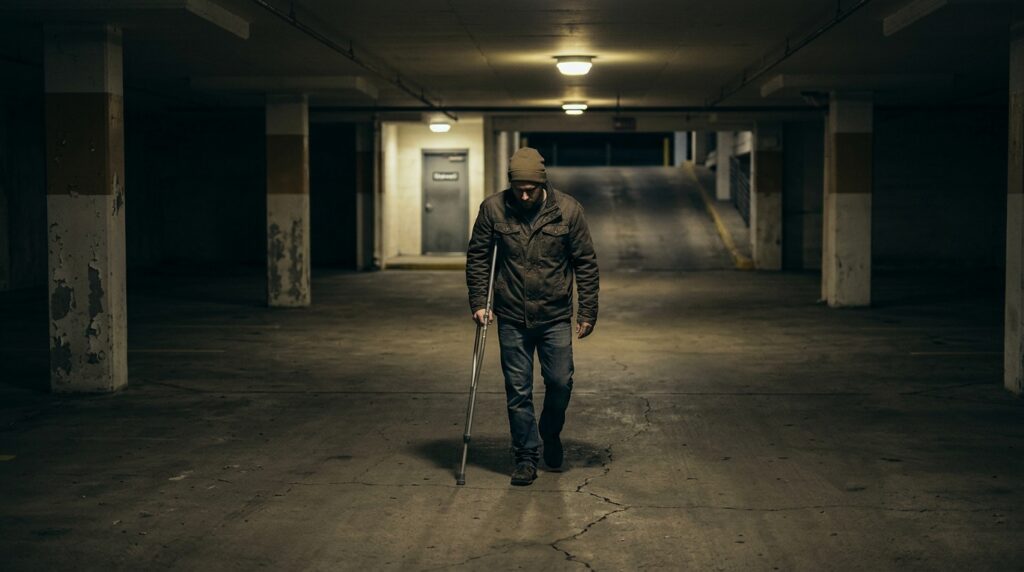
You were shot, stabbed, beaten, or attacked somewhere you should have felt safe. An apartment where you live. A parking garage after work. A hotel hallway. A bar, gas station, or ATM. The attack took a hand, arm, foot, or leg. Now you face surgeries, prosthetics, and a completely changed life.
Here is what most people never learn: the attacker may not be the only one responsible. If the property owner failed to provide reasonable security—working locks, lighting, cameras, or guards—that owner may share the blame. When an amputation from assault on property happens because of inadequate security, you may have a claim against the owner.
Lawyers call this negligent security. It is a type of premises liability claim—a legal term for injury on unsafe property. But you don’t need legal terms to understand: you were somewhere you should have been safe, and no one protected you.
Your claim against the owner is separate from any criminal case. It does not depend on police catching the attacker.
Request a free, confidential case evaluation. We’re Florida-based and handle qualifying catastrophic cases nationwide, in English and Spanish.
Who this page is for
This is for people who survived a violent attack and lost a limb—and for families speaking for a loved one still recovering.
You may be in the right place if:
- You lost a hand, arm, foot, leg, finger, or toe in the attack.
- You’re a family member acting for someone still hospitalized or in early recovery.
- Your loved one did not survive. A wrongful-death claim may be available.
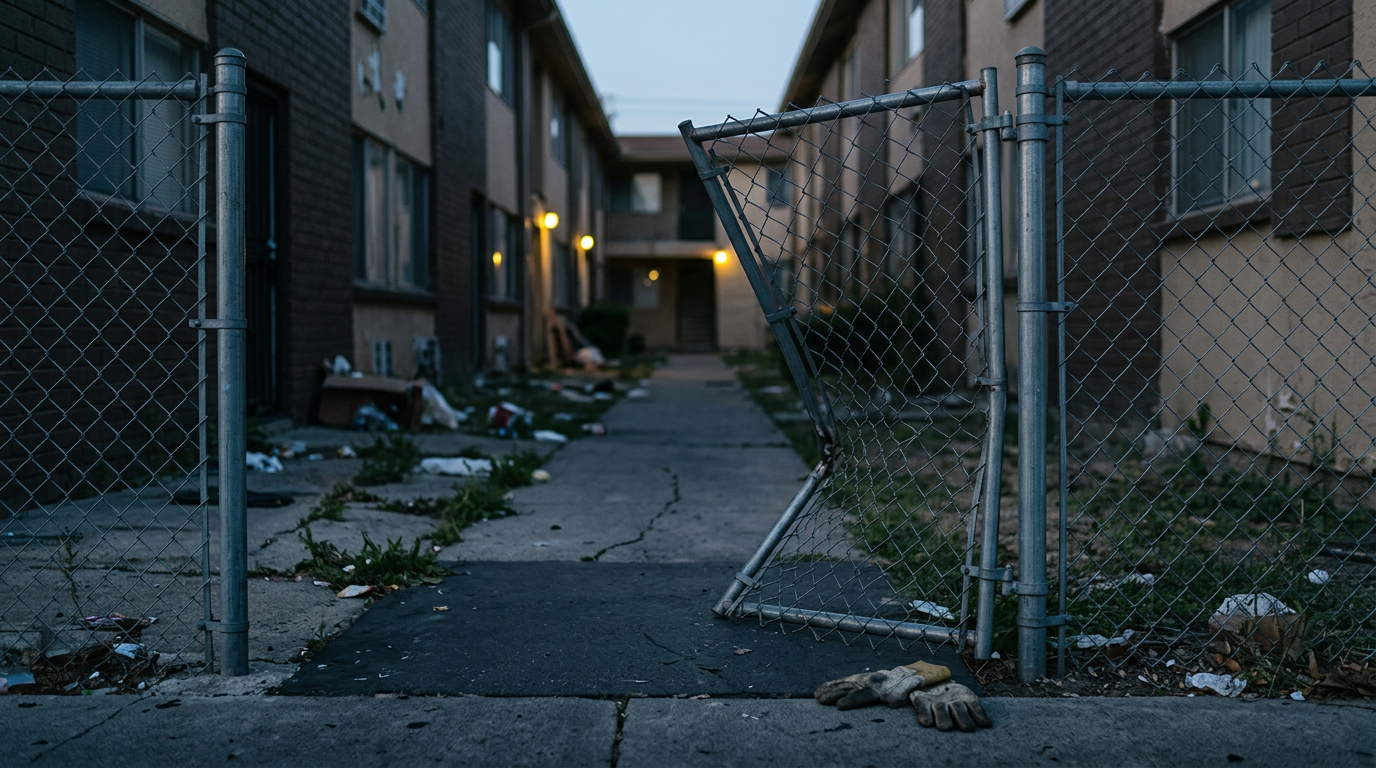
- The attack happened on property with clear security failures: broken gates, non-working locks, dead cameras, dark areas, or missing guards.
Traumatic vs. surgical amputation—why it matters to your claim
Limb loss after an attack happens two ways:
- Traumatic amputation—the limb is severed during the attack by gunshot, blade, or crushing force.
- Surgical amputation—the limb survives the attack but surgeons remove it later because tissue, nerves, or blood supply cannot be saved, or infection sets in.
Why this matters: if surgeons amputate your leg three weeks after a shooting, an insurer may claim the surgery—not the attack—caused the loss. That argument is wrong.
Why lifetime costs are so large
Limb loss is not a one-time bill. In a widely cited study in the Archives of Physical Medicine and Rehabilitation, MacKenzie and colleagues estimated lifetime health-care costs of a single amputation at roughly $500,000—before today’s higher prosthetic and rehab prices.
A modern myoelectric (motor-powered) prosthetic arm costs tens of thousands per device. Prosthetics wear out and need replacement every three to five years. Someone injured young may need a dozen or more over a lifetime, plus repairs and refittings.
That is why serious claims project decades of cost—not just the first hospital stay.
What “reasonable security” means in plain terms
Property owners have a legal duty to take reasonable steps to protect visitors from foreseeable harm—including violent crime in high-risk areas.
In plain language: if crime was predictable and the owner did little to prevent it, the owner may be liable.
Security failures that support a claim include:
- Broken, propped-open, or missing gates and doors
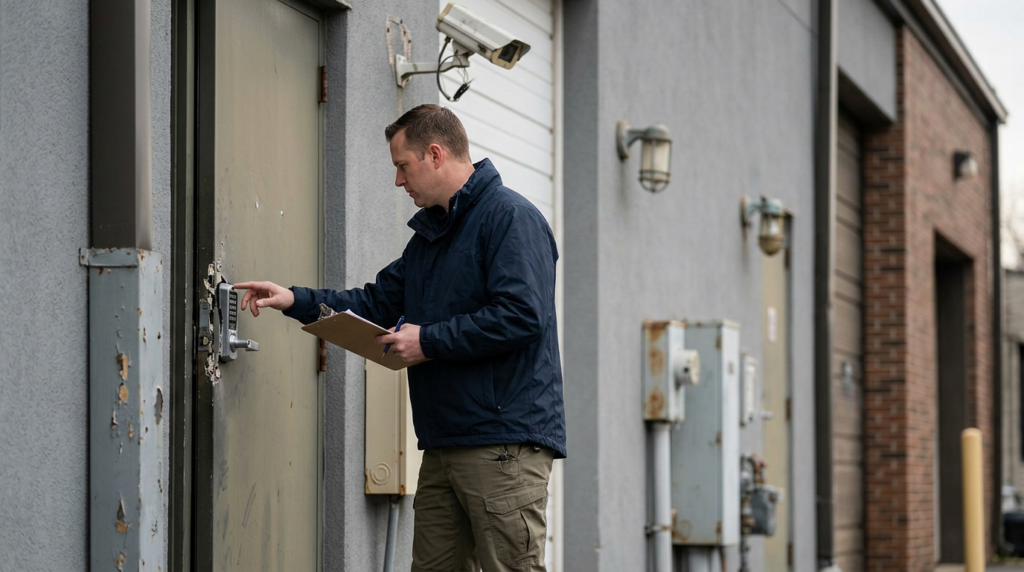
- Non-working locks
- Dark or broken lighting in lots, stairwells, hallways
- Missing or non-working security cameras
- Too few guards or untrained guards
- A history of similar crimes the owner ignored
The key word is foreseeability—whether the danger could have been predicted. Florida courts ask whether the owner knew or should have known about the risk. They often examine prior similar crimes on or near the property.
Investigation is crucial. We routinely obtain a property’s crime history—police calls-for-service records, incident reports, and other documents under Florida’s public-records law, Fla. Stat. Ch. 119. A pattern of past violence the owner ignored often makes the difference between a case and a strong case.
We handle negligent security lawsuits at apartment and condo complexes, parking lots and garages, hotels and motels, bars and nightclubs, stores, gas stations, and ATMs. The focus stays on what the owner should have done to keep you safe—not on blaming you.
Who can be held responsible
More than one party may owe you after an attack on unsafe property:
- The property owner
- The management company responsible for security
- A separate security contractor hired to protect the site
Here is the practical difference: the attacker answers to criminal courts. Your civil claim seeks money from businesses that failed to protect you. Those businesses usually carry liability insurance that can pay a valid claim.
Your civil claim can move forward even if the attacker is never caught, charged, or has no money. The two cases are separate and judged by different standards of proof.
Have questions about what happened?
Ask our team directly. The first conversation is free, confidential, and there is no obligation to continue.
What a claim can seek to recover
A claim for limb loss after an attack looks at full lifetime cost—not just initial bills. Depending on facts, it may seek:
- Medical costs—emergency care, surgery, hospital stays, future operations
- Prosthetics—fittings, repairs, upgrades, lifetime replacements
- Rehabilitation—physical therapy, occupational therapy, mental-health care
- Home and vehicle changes—ramps, wider doors, hand controls
- Lost income—wages lost now, plus reduced future earning power
- Pain and suffering—disfigurement, loss of independence, phantom limb pain
- Wrongful-death damages—for families who lost a loved one
Two honest legal notes:
First, outcomes depend entirely on facts. No lawyer can lawfully promise a result.
Second, Florida follows a modified comparative-negligence rule under Fla. Stat. §768.81. Fault can be shared. Under the 2023 amendment, if you are found more than 50% at fault, you generally cannot recover. Below that, your recovery is reduced by your share of fault. This is why defense often blames the victim—and why early investigation matters so much.
When the attack was fatal
The most catastrophic outcome is losing the person entirely. If your loved one did not survive an attack that a property owner could have prevented, Florida’s Wrongful Death Act (Fla. Stat. §§768.16–768.26) allows certain surviving members to bring a claim. It can seek funeral and medical costs, lost support and services, and loss of companionship and guidance.
We handle these cases with the care they deserve. The focus stays on your loved ones and what comes next—never on graphic detail.
How the claim process works, step by step
- Free case evaluation. We listen to what happened and explain your options at no cost and with no obligation.
- Investigation. We move quickly to preserve evidence—security video before it’s erased, incident and police reports, past calls for service, and the condition of lights, locks, and cameras.
- Proving foreseeability. We build the record of prior crimes and ignored complaints that shows the owner knew or should have known about the danger.
- Documenting damages. We work with treating doctors, a certified life-care planner, and a forensic economist to project lifetime cost.
- Filing and negotiation. We present the claim to responsible parties and their insurers.
- Settlement or trial. We resolve the case when the offer is fair—and try it when it isn’t.
Why acting quickly matters: evidence and deadlines
Move fast. The proof you need can disappear within days. A missed deadline can end even a strong claim.
- Surveillance video is often recorded over within days or weeks. A preservation letter can be decisive.
- Property conditions change—broken locks get replaced, dark lots get relit, and the scene is gone.
- Witnesses move and memories fade.
- Deadlines apply. In Florida, most negligence claims arising on or after March 24, 2023 must generally be filed within two years under Fla. Stat. §95.11(5)(a). Claims that arose before that date generally had four years. Deadlines vary by state, and missing one can end a valid claim.
Contact us now for a free evaluation to protect your rights.
Why CHG Personal Injury Lawyers
We focus exclusively on catastrophic, life-altering injuries—including amputation injury compensation. We don’t handle routine cases.
- Licensed and admitted. Our attorneys are admitted to the Florida Bar. We’re Florida-based and handle qualifying catastrophic cases nationwide.
- Built for complex proof. These cases turn on crime-foreseeability evidence, medical experts, and lifetime-cost projections. That is the work we do.
- Bilingual support. We guide people in English and Spanish, so you understand every step.
- No upfront fee. We handle these cases on a contingency-fee basis—you typically pay no attorney fee unless there’s a recovery.
Frequently asked questions
Can I sue the property owner if the attacker was never caught or charged?
Yes. Your civil claim against the property owner is separate from the criminal case and can move forward on its own.
My leg was amputated weeks after the attack, not during it. Does that hurt my claim?
No. A surgical amputation performed later—because the limb couldn’t be saved—connects directly back to the attack injury. Medical records and treating doctors establish that link. The delay does not break the chain of cause.
What does it cost to hire the firm?
We work on a contingency fee, so the first evaluation is free and you typically owe no attorney fee unless there’s a recovery.
How long do I have to file?
Deadlines vary by state. In Florida, most negligence claims arising on or after March 24, 2023 must generally be filed within two years. Contact us promptly so a deadline doesn’t end your claim.
What if my loved one died from the attack?
A wrongful-death claim may be available to surviving members under Florida’s Wrongful Death Act. We can explain your options with care.
Want to know where you stand?
Tell us what happened and our team will walk you through the options available to you, at no cost.
Talk to us about what happened—free and confidential
You don’t have to figure this out alone. Understanding your options costs nothing and carries no pressure.
Did you or someone you love lose a limb after a shooting or attack on property that wasn’t kept safe? We can help you hold the property owner accountable.
Request your free case evaluation now. We’re available in English and Spanish.
Your Civil Claim Is Separate from the Criminal Case
Even if the attacker was never caught, charged, or convicted, you can still pursue a claim against the property owner. The criminal investigation and your civil lawsuit operate independently. You do not need a criminal conviction to hold the property owner accountable for negligent security.
What Property Owners Must Provide
Adequate Lighting
Parking lots, garages, walkways, and entry points must be well-lit to deter crime and allow residents and visitors to see potential threats.
Secure Locks and Gates
Working locks on doors, gates, and access points prevent unauthorized entry and reduce the risk of violent crime on the premises.
Surveillance Cameras
Security cameras in common areas, parking facilities, and entry zones serve as both a deterrent and a record of criminal activity.
Security Personnel or Patrols
Depending on the property type and location, security guards or regular patrols may be necessary to prevent and respond to violent incidents.
Why Property Owners Can Be Held Liable
Duty of Care
Property owners have a legal obligation to maintain reasonably safe premises and protect visitors and residents from foreseeable criminal acts.
Known or Foreseeable Risk
If prior crimes, complaints, or reports of security issues existed at the property, the owner knew or should have known about the danger.
Failure to Act
When an owner fails to install working locks, lighting, cameras, or hire security despite known risks, that negligence can make them liable for resulting injuries.
Your Catastrophic Loss
An amputation—whether immediate or resulting from surgical removal weeks later—is a life-altering injury that entitles you to pursue damages for your permanent disability and losses.
Common Questions About Amputation and Negligent Security Claims
Can I sue even if the attacker was never caught?
Yes. Your civil claim against the property owner is completely separate from any criminal case. You do not need an arrest, conviction, or criminal charges to hold the property owner accountable for negligent security.
What if my amputation happened weeks after the attack?
A surgical amputation performed later—because the limb could not be saved due to the injury—is still part of your claim. The amputation is a direct result of the violent attack that occurred on inadequately secured property.
What damages can I recover?
Damages in a negligent security case may include medical and surgical costs, rehabilitation and prosthetic expenses, lost income, pain and suffering, and compensation for permanent disability and loss of quality of life.
How long do I have to file a claim?
Time limits apply to negligent security claims. Contact CHG Personal Injury Lawyers immediately to protect your rights and ensure your claim is filed within the required deadline.