
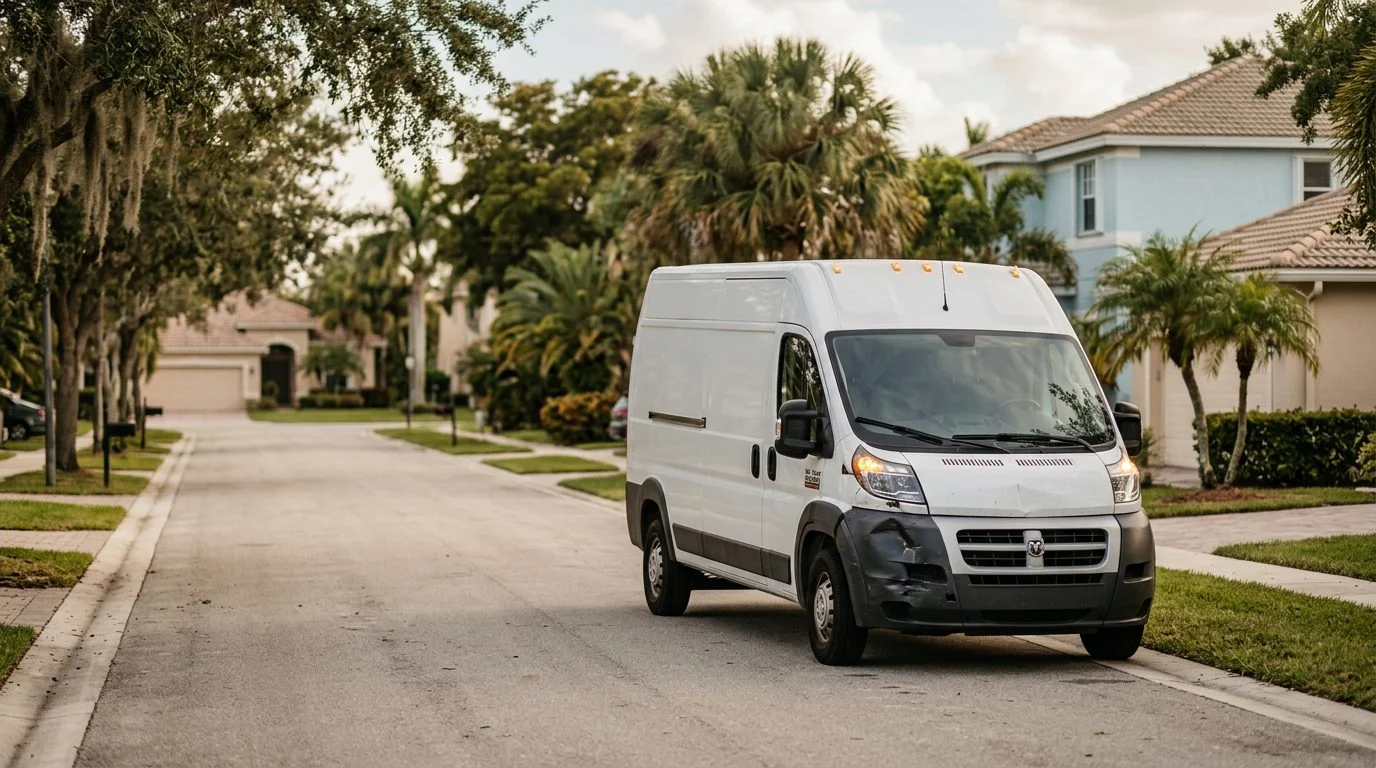
Florida Amazon Delivery Van Accidents
Hurt in a Crash With an Amazon Delivery Van? Find Out Who May Be Responsible
Delivery vans carry Amazon's name, but the person behind the wheel often works for a separate company. Here is how to think about the people and companies that may be involved.
Why Injured Floridians Call CHG
Florida
Florida-based personal injury firm serving clients throughout the state
Free
Confidential first consultation with no obligation to continue
Florida Bar
Attorneys admitted to The Florida Bar
By CHG Lawyers · Published November 22, 2026
If an Amazon delivery van or truck hurt you or someone you love, one question usually comes first: who is responsible?
The name on the side of the vehicle may not tell you who employed the driver. It may not show who owned the vehicle. It may not show who set the schedule the driver followed.
Many Amazon-branded routes are run by separate Delivery Service Partner companies. These companies often employ the drivers.
In Florida, several parties may be part of a claim. These can include the driver, the partner company, the vehicle manufacturer, and sometimes Amazon. Which parties are involved depends on the facts of the crash. It also depends on how the companies work together.
What an Amazon Delivery Service Partner Crash Claim Is
An Amazon delivery service partner crash claim is a legal claim for injuries or losses. The claim comes from a delivery vehicle. The vehicle carries Amazon packages, but an outside company runs it.
Amazon works with independent businesses called Delivery Service Partners, or DSPs. These businesses run many of Amazon’s routes. The person driving is often the partner company’s employee. He or she is usually not an Amazon employee.
This is hard to see at the scene. Drivers often wear uniforms. They drive vehicles marked with Amazon’s name. Injured people reasonably assume the company on the van is responsible. Finding the real employer often takes records most people do not have.
This page covers road crashes involving delivery vans and trucks. It is written for injured drivers, passengers, pedestrians, and cyclists. It also covers families of people killed in these crashes. The same analysis applies to other delivery fleets that use contracted drivers. Injuries inside a warehouse raise different questions. This page does not cover them.
If you were hurt, write down the vehicle’s markings. Note any company name on paperwork. Also note the time and place of the crash. These details can help later.
If a delivery van crash has left you or someone you love facing bills and hard questions, you don't have to work out who is responsible alone. Our team can review the facts with you. Talk it through with our team — the first consultation is free, confidential, and carries no obligation.
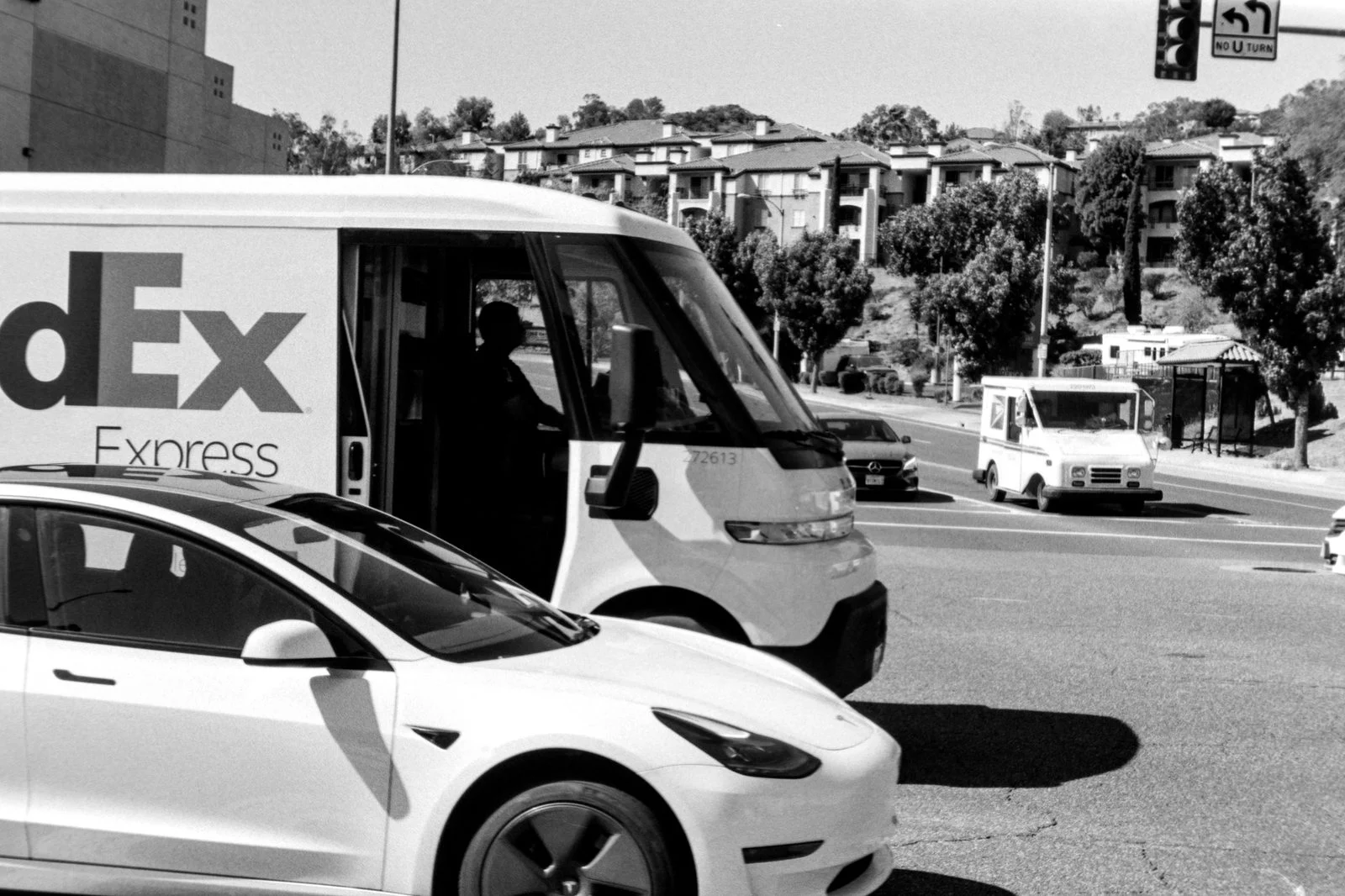
Who Can Be Held Responsible, and the Florida Rule for Each
Several parties may be part of a claim. Each party’s role depends on what it did, what it controlled, and how the crash happened.
- The driver. Florida law requires drivers to operate “in a careful and prudent manner.” Drivers must not “endanger the life, limb, or property of any person.” Failing to do so is careless driving under Fla. Stat. § 316.1925. A violation is cited as a moving violation.
- The partner company, for the driver’s work. In general, an employer can answer for harm an employee causes while doing the job. Lawyers call this vicarious liability.
- The partner company, for its own conduct. A claim can also argue the company was careless itself. Examples include hiring, training, supervising, or maintaining vehicles. Lawyers call this direct negligence.
- A note on background checks. Florida has a statute, Fla. Stat. § 768.096. It creates a presumption about background checks. It applies to civil actions over an employee’s intentional tort. It does not describe ordinary negligent driving. So it is not the usual rule in a crash case.
- The vehicle manufacturer, if the design made injuries worse. Florida recognizes claims where a defect did not cause the crash. The defect may still have caused more injury than would otherwise have occurred.
- Under Fla. Stat. § 768.81, a products claim covers injuries greater than they would have been without the defective product. In a products liability action alleging that injuries were enhanced by a defective product, the jury must also consider the fault of everyone who contributed to the accident.
- The vehicle’s owner or leasing company. Whether an owner or lessor can be named depends on who owned, leased, and maintained the vehicle. These records are often among the first we request.
- Amazon. Whether Amazon can be part of the claim depends on how the companies relate. It also depends on who controlled what. The answer comes from the contracts and the evidence. It does not come from the logo on the van.
How Fault Is Divided
Florida divides fault among liable parties. The court enters judgment against each party based on its percentage of fault.
This is why naming only the driver can leave parts of the loss unaddressed. The employer and the vehicle’s owner may not yet be identified.
Why Control Over Routes, Metrics, and Workload Matters
Control matters. It can show who set the rules a driver worked under.
Lawsuits in this area often allege that Amazon exerts heavy control over its partner companies. The allegations may involve delivery routes, quotas, timing, uniforms, and vehicle branding. These are claims to be tested in court. They are not established facts.
Testing them usually means reviewing documents, including:
- contracts between Amazon and the partner company
- operating standards and written company policies
- app and dispatch data showing route timing and stop times
- testimony from drivers and managers
Written documents often carry more weight than general impressions. A timing requirement written into a standard tells a clearer story. An assumption about who is in charge does not.
Evidence That Can Disappear Quickly
Much of the proof in these cases sits with companies, not with the injured person. Each item below matters. Each can be lost or changed for a different reason.
- Under Fla. Stat. § 316.066, a Florida Traffic Crash Report, Long Form, must be submitted to the department for crashes that resulted in death of, personal injury to, or any indication of complaints of pain or discomfort by any of the parties or passengers involved in the crash, or that involved a commercial motor vehicle. This must happen within 10 days after the investigating officer completes the investigation. The report lists each party’s vehicle, address, and insurance company. Under Fla. Stat. § 316.066, crash reports held by the agency may be made immediately available to the parties involved in the crash, their legal representatives, and certain other listed persons, subject to the conditions the statute sets. Ask for the report early. Do not wait for it to appear.
- Dashcam video. Many camera systems record over older footage on a loop. Once footage is overwritten, footage of a lane change, a stop, or following distance is gone. Request preservation in writing as early as possible.
- Telematics data. Fleet systems store GPS, speed, hard-braking, and seatbelt data. They follow the company’s own settings. Vehicles are often reassigned or serviced. Their data can change with them.
- App and dispatch data. Route timing, scan times, and stop sequences show how the driver was directed. These records sit in company systems. They can be altered, purged, or lost when accounts, devices, or software change.
- Driver logs and hours records. Federal rules for property-carrying commercial vehicles require a driver to take 10 consecutive hours off duty before driving. They limit driving to 11 hours within a 14-hour period. A driver may not drive after more than 8 hours of driving without at least a consecutive 30-minute interruption, except for drivers who qualify for certain short-haul exceptions. There are also limits on hours on duty over 7 or 8 days. A motor carrier must require observance of those duties.
- Logs showing a driver went over these limits can be the most important records in a case.
- They are at risk if they are not preserved.
- Witness names and scene photos. Witnesses move, change phone numbers, and forget details. Photos of the vehicle markings, the van’s position, and road conditions are only as good as the copies you keep.
- The vehicle itself. Damaged vehicles get repaired, sold, or declared total losses. Ask the insurer not to dispose of the vehicle until it has been inspected. Keep your own photos and repair estimates.
Do not wait for these records to arrive on their own. In our experience, early steps keep key evidence available. Preservation letters go to the driver, the partner company, and the insurers.
Florida Deadlines and Fault Rules
Florida’s fault rules and filing deadlines affect both the value of a claim and when it must be filed. Deadlines apply to these cases. Do not wait.
- Filing deadlines. Florida sets time limits for lawsuits in Fla. Stat. § 95.11. The statute lists the limit for each type of action.
- The 2023 changes. For the limitations rule in § 95.11, the applicability provision of the same law reads: “Except as otherwise expressly provided in this act, this act shall apply to causes of action filed after the effective date of this act.”
- The filing deadline that applies to your claim can depend on the facts of your case, so contact our firm promptly so a lawyer can review your timeline.
- Those dates include when the crash happened and when a lawsuit is filed.
- Bring the crash date to your first consultation. This helps identify the right rule.
- Comparative fault. In a negligence action covered by Florida’s comparative fault statute, any party found to be greater than 50 percent at fault for his or her own harm may not recover any damages, although this bar does not apply to personal injury or wrongful death actions arising out of medical negligence under chapter 766 (Fla. Stat. § 768.81). A smaller share of fault can still reduce what you recover.
- Federal driving-hour rules. These are the rules described in the evidence checklist above. They apply to commercial vehicles. They can shape how the driver’s schedule is examined.
What a Claim May Cover
A claim may seek money for losses the crash caused. These can include medical bills, lost income, and pain and suffering.
- Medical bills, past and future. These include emergency care, surgery, rehabilitation, and equipment.
- If any treatment was provided under a letter of protection, Florida requires disclosure before those charges can be claimed.
- Under Fla. Stat. § 768.0427, as a condition precedent to asserting any claim for medical expenses for treatment rendered under a letter of protection, the claimant must disclose a copy of the letter of protection.
- The claimant must also share information about any health care coverage. They must say whether they were referred for treatment under a letter of protection.
- Follow your doctors’ care plan. This page does not offer medical advice.
- Lost income and earning capacity. This applies when an injury affects work now or later.
- Pain and suffering. This covers physical pain, emotional distress, and loss of enjoyment of life.
- Property and travel costs. Examples include vehicle damage, rental cars, and rides to medical visits.
Catastrophic injuries often need long-term planning. These include traumatic brain injury, spinal cord injury, paralysis, amputation, and severe burns. Planning may cover care, equipment, and home changes.
Medicare. If the injured person has Medicare, CMS guidance on secondary payers says liability insurance pays first for accident-related care.
- Medicare may make conditional payments.
- Those payments must be repaid from a settlement, judgment, or other payment.
- A claim against a liability insurer must be reported, as described in CMS reporting guidance.
- Medicare’s repayment rights can affect how much of a settlement reaches the injured person. Identify them early.
Not sure what your next step is?
Talk it through with our team — the first consultation is free, confidential, and carries no obligation.
When a Crash Causes a Death
Under Fla. Stat. § 768.21, every potential beneficiary must be named in the complaint. This includes the decedent’s estate. Their relationship to the decedent must also be stated.
Damages may include:
- A surviving spouse may recover for loss of the decedent’s companionship and protection. The spouse may also recover for mental pain and suffering from the date of injury.
- Minor children may recover for lost parental companionship, instruction, and guidance. They may also recover for mental pain and suffering. All children may recover these if there is no surviving spouse.
- Each parent of a deceased minor child may recover for mental pain and suffering.
- A survivor who paid medical or funeral expenses may recover them.
For a surviving spouse, the Florida Supreme Court held in Ripple v. CBS Corp. that the spouse does not bring a separate loss of consortium claim. This applies when the injured person dies. The spouse’s damages are recovered in the wrongful death action under § 768.21(2). The same opinion held that the “marriage before injury” rule does not bar a surviving spouse’s recovery of damages under § 768.21(2).
Families who are grieving do not have to decide anything on the spot. A consultation gives you time to understand who may be included. It also explains the next steps.
How the Claim Process Typically Works
A typical claim starts with a free consultation. Next comes evidence gathering and insurance talks. A lawsuit is filed only if needed.
- Free, confidential consultation. We review the crash, the injuries, and who was involved. The consultation is free and confidential. It carries no obligation to continue.
- Evidence requests. Letters go to the driver, the partner company, and insurers. They ask each to preserve key evidence.
- Investigation. We gather the crash report, medical records, and vehicle and app data. We may work with accident reconstruction professionals.
- Identifying parties and coverage. We determine who may be responsible. We also determine which insurance policies may apply.
- Demand and negotiation. A demand is made to insurers based on documented losses.
- Lawsuit if needed. If a fair resolution is not reached, a lawsuit may be filed. Many cases resolve without trial. Timelines vary with injury severity and complexity.
CHG charges no attorney’s fees and no case costs unless there is a recovery.
Common Questions About Suing a Delivery Company
Most people first ask whether a claim is possible at all. The answer usually depends on three things:
- Who employed the driver?
- Who owned the vehicle?
- How did the crash happen?
Can I still make a claim if I was partly at fault?
Possibly. The percentage matters. Anything less can still be recovered, reduced by your share of fault.
Do I need to know the driver’s employer first?
No. Identifying the employer is one of the first things we do. We use the crash report, the vehicle markings, and records requested from the companies involved.
Should I talk to the insurance adjuster?
Be careful. Adjusters work for insurers. Early recorded statements or signed papers can affect a claim. Speak with a lawyer before you give a detailed account.
Does a claim go against Amazon automatically?
No. Responsibility depends on the relationship between the companies. It depends on who controlled the work and on the evidence.
Who can file after a fatal crash?
Florida’s Wrongful Death Act lets certain family members and the estate seek damages.
Is a claim worth pursuing?
That depends on the injuries, the documented losses, and the rules that apply to your case. A free consultation is the way to learn how those rules apply to you.
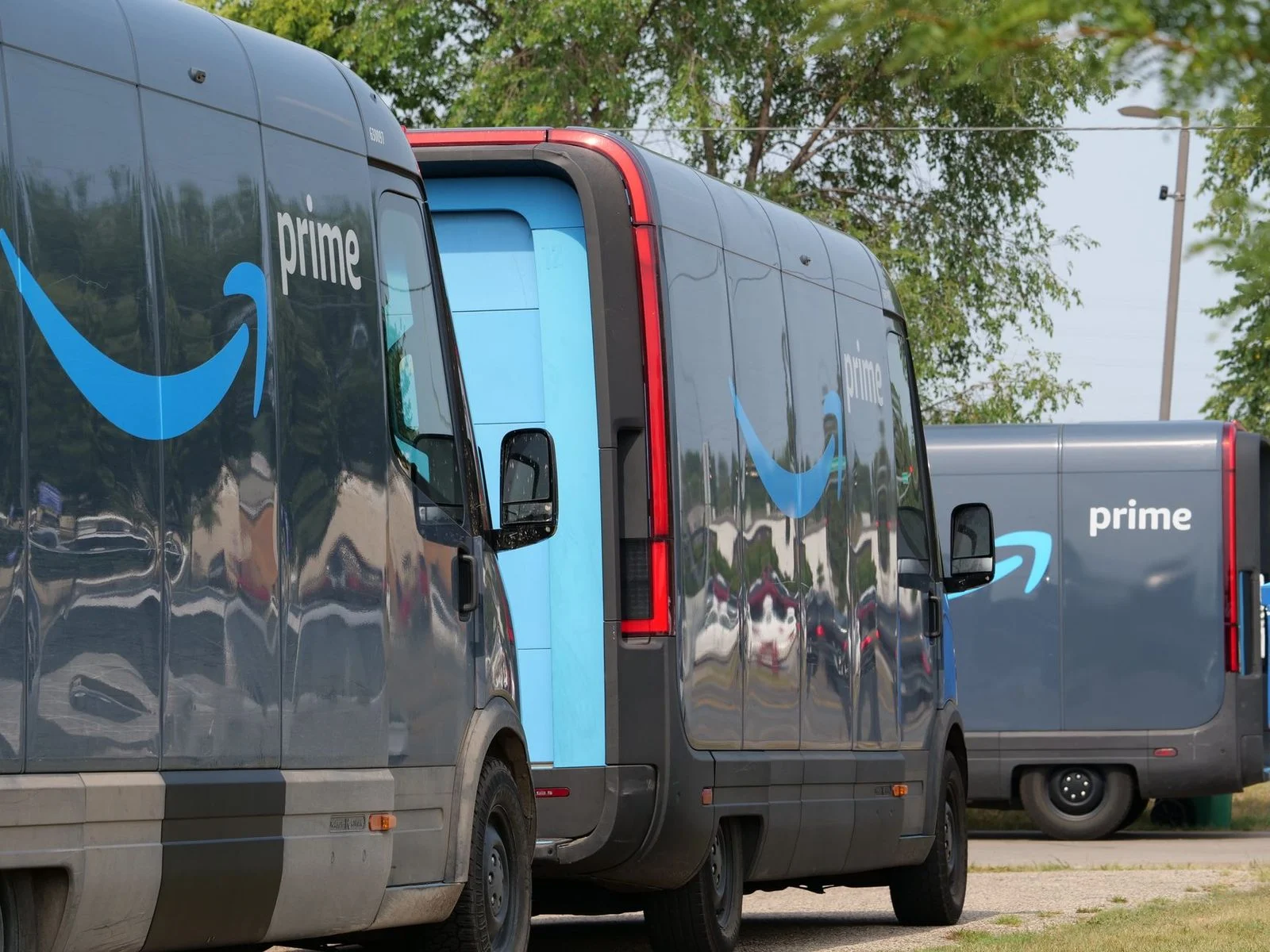
Why Work With CHG Personal Injury Lawyers
CHG Personal Injury Lawyers is a Florida-based firm. It handles personal injury claims for people throughout Florida, including Miami, Orlando, Tampa, and Jacksonville.
- Our attorneys are licensed and admitted to The Florida Bar.
- Igor Hernandez is the responsible lawyer for this page. He is one of the firm’s lawyers.
- The firm handles truck accidents, catastrophic injury claims, and wrongful death cases. These include claims involving Amazon and FedEx trucks.
- Our team handles evidence requests and communication with insurers. This lets you focus on recovery.
- We publish educational resources in English and Spanish for families who prefer Spanish. La consulta inicial es gratuita, confidencial y sin compromiso de continuar.
If a delivery van crash has left you or a family member facing medical bills and hard questions, you do not have to sort out responsibility alone. You can contact CHG Personal Injury Lawyers for a free, confidential consultation. There is no obligation to continue.
How Our Team Approaches Your Delivery Accident Claim
We Gather the Facts Early
Crash reports, vehicle markings, dashcam footage, and delivery records can point to the companies involved. We work to preserve this evidence while it is still available.
We Look Past the Logo
Our attorneys examine who employed the driver, who owned and insured the van, and who controlled the route and schedule, so that no responsible party is overlooked.
We Keep Your Family at the Center
Serious injuries affect work, home, and daily life. We explain each step in plain language so you can focus on recovery and on the people who depend on you.
No Fees Unless There Is a Recovery
CHG charges no attorney's fees and no case costs unless there is a recovery. Your first consultation is free, confidential, and carries no obligation to continue.
Before You Speak With an Insurance Adjuster
Insurance adjusters work for the insurance company, not for you. Before you give a recorded statement or sign any release, consider speaking with a lawyer about what you are being asked to do.
Parties That May Be Involved in an Amazon Delivery Crash
The Delivery Service Partner
Many Amazon vans are operated by independent delivery companies. The company that employs and supervises the driver is often a central party in these claims.
The Driver
The driver's conduct on the road, including speed, distraction, fatigue, and route pressure, is part of how a crash is investigated.
Vehicle Owners and Insurers
Who owns the van and which insurance policies apply can affect where a claim is made and how it is handled.
Other Companies Connected to the Delivery
Depending on the facts, other businesses in the delivery chain, or the maker of a defective vehicle part, may also be part of the investigation.