

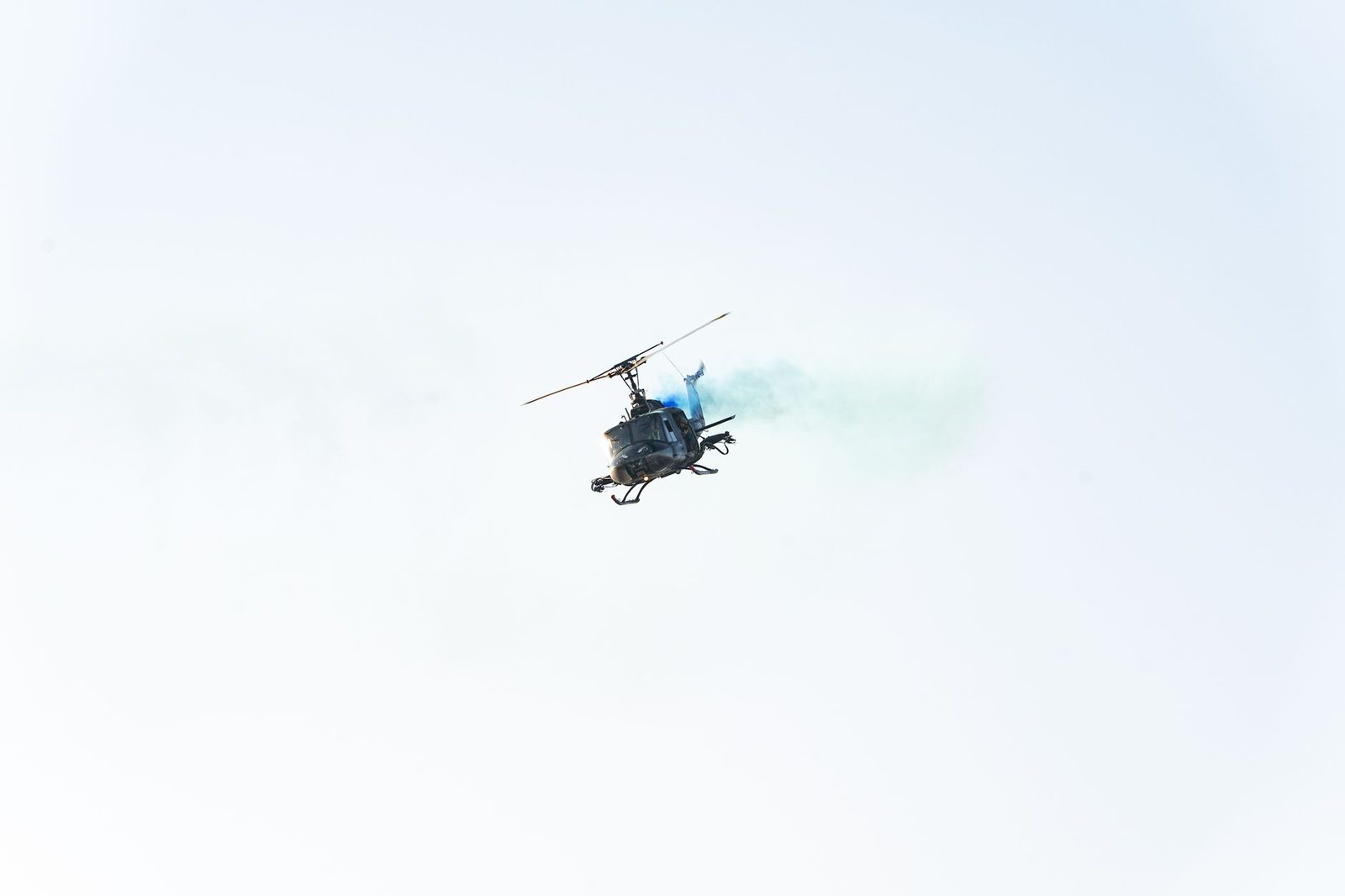
Helicopter Crash Lawyer: Catastrophic Injury & Wrongful Death Claims
Helicopter crashes cause severe, life-altering injuries. These include spinal cord damage, paralysis, traumatic brain injury, amputation, and severe burns. Many crashes result in death.
If you or a family member survived a helicopter crash or lost someone in one, you may have a legal claim. You can seek compensation from the pilot, operator, aircraft manufacturer, or other responsible parties.
Helicopter crash claims are different from car accidents. They involve federal aviation law, multiple defendants, manufacturer liability, and investigations by the National Transportation Safety Board (NTSB). This complexity requires attorneys who understand aviation regulations and catastrophic injuries.
Helicopter Crash Claims: When You Have a Right to Compensation
A helicopter crash claim arises when someone is killed or catastrophically injured. The cause may be negligence, mechanical failure, design defect, or regulatory violation.
These claims can involve commercial tour operators, private charters, medical transport helicopters, corporate travel, or emergency-services aircraft.
Who can bring a claim:
- Survivors with catastrophic, permanent injuries (spinal cord injury, paralysis, traumatic brain injury, amputation, severe burns)
- Families of those killed in the crash (wrongful-death claims brought by the estate or surviving family members under Florida Statute § 768.19)
Why helicopter crashes differ from car accidents:
Helicopter crashes involve federal aviation regulations enforced by the FAA. The NTSB investigates them. Often multiple defendants are involved across state lines.
The causes are frequently traced to: – Pilot training and certification – Mechanical maintenance records – Manufacturer design – Air-traffic-control communication – Weather factors
The injuries are almost always catastrophic because of the impact forces and limited survivability in aviation accidents.
If you or a family member survived a helicopter crash or lost someone in one, you may have a legal claim. Talk it through with our team — the first consultation is free, confidential, and carries no obligation.
Catastrophic Injuries from Helicopter Crashes
Helicopter crashes produce extreme impact forces. Survivors typically suffer permanent, life-altering injuries. These require lifelong medical care and support.
Spinal cord injuries and paralysis.
Impact and crushing forces often damage the spinal cord. This results in paraplegia (lower-body paralysis) or quadriplegia (all-four-limb paralysis). These injuries are classified using the ASIA Impairment Scale (AIS), which measures the extent of neurological damage from complete (A) to incomplete (D) injury.
Survivors face permanent loss of motor function, sensation, and independence. According to the Mayo Clinic, recovery plateaus within 6–12 months. Most gains require years of intensive rehabilitation.
Traumatic brain injuries (TBI).
Blunt-force trauma to the head during impact causes diffuse axonal injury, bleeding, and swelling. TBI survivors often experience permanent cognitive impairment, memory loss, behavioral changes, and loss of consciousness.
Recovery requires years of rehabilitation and ongoing neurological care. Severity is classified by the Glasgow Coma Scale (GCS). Scores below 9 indicate severe injury with high risk of permanent disability.
Amputation and limb loss.
Entrapment in wreckage or severing from impact forces result in loss of arms, legs, hands, or feet. Survivors require prosthetics, extensive rehabilitation, and lifelong adaptive equipment. Phantom limb pain and psychological adjustment add to the burden.
Severe burn injuries.
Post-crash fires or fuel ignition cause severe thermal burns affecting large body-surface areas. These injuries require specialized burn care, skin grafting, and long-term wound management.
Burns covering more than 20% of body-surface area (BSA) in adults are considered major. They often result in permanent scarring, contractures, and functional impairment.
Catastrophic back and neck injuries.
Compression and fracture of the spine with permanent neurological damage cause chronic pain, loss of function, and disability.
Wrongful death.
When a helicopter crash is fatal, the most catastrophic outcome is the loss of life itself. Families may bring wrongful-death claims. These recover funeral and burial costs, lost financial support, loss of companionship, and guidance.
The death of a breadwinner, parent, or spouse creates both immediate financial hardship and long-term emotional devastation.
Common Causes of Helicopter Crashes
Understanding what caused the crash is essential to identifying who is liable.
Pilot error is a leading cause. This includes spatial disorientation, loss of situational awareness, poor decision-making, inadequate training, or failure to follow procedures. The FAA requires helicopter pilots to meet strict certification standards. Violations of those standards can establish negligence.
Mechanical failure and inadequate maintenance include engine failure, rotor malfunction, hydraulic failure, structural defects, and failure to inspect or repair known issues. The FAA mandates specific maintenance schedules and inspections. Failure to comply is negligence.
Manufacturer defects involve design flaws, defective components, or failure to warn pilots of known hazards. These claims require expert engineering testimony and are often pursued under product-liability law.
Weather and environmental factors such as fog, wind shear, icing, or terrain collision (controlled flight into terrain, or CFIT) can cause crashes. This is especially true if the pilot failed to avoid unsafe conditions or was not trained for those conditions.
Air-traffic-control errors or communication breakdown between the helicopter and ground control may contribute to collision or disorientation.
Fuel contamination or improper fueling procedures can cause engine failure.
Overloading or improper weight distribution affects helicopter stability and control.
In many crashes, multiple factors combine. For example, pilot error combined with inadequate maintenance or a design defect. Identifying all contributing causes and all responsible parties is critical to maximizing your claim.
What Helicopter Crash Claims Cover
Compensation in helicopter crash claims includes both economic and non-economic damages.
Economic damages (quantifiable losses):
- Emergency medical care, surgery, hospitalization, and ongoing treatment
- Rehabilitation, physical therapy, occupational therapy, and cognitive therapy
- Assistive devices, prosthetics, wheelchairs, and adaptive equipment
- Home modifications (ramps, accessible bathrooms, specialized beds)
- Lost income and loss of earning capacity (permanent disability)
- Cost of future care and long-term support (often spanning decades for catastrophic injuries)
- Vocational retraining, if applicable
Non-economic damages (pain and suffering):
- Physical pain and suffering
- Emotional distress, anxiety, and depression
- Loss of enjoyment of life and loss of normal activities
- Disfigurement and scarring
- Loss of consortium (for spouses)
Wrongful-death damages:
- Funeral and burial costs
- Lost financial support (income the deceased would have earned)
- Loss of companionship, guidance, and emotional support
- Loss of services the deceased provided to the family
Punitive damages may be available in cases of gross negligence or willful misconduct by the operator or manufacturer. They are not guaranteed and are awarded only in exceptional circumstances.
How Helicopter Crash Claims Work: The Legal Process
Helicopter crash claims follow a structured legal process. They are more complex than typical personal-injury cases.
Step 1: Investigation and evidence preservation.
Immediately after a crash, evidence is critical. Wreckage must be preserved. Maintenance records must be obtained. Pilot logs must be reviewed. Air-traffic-control recordings must be secured. Weather data must be collected. Manufacturer records must be gathered.
The NTSB will conduct its own investigation. Your attorney must act quickly to preserve evidence before it is lost or destroyed. Federal regulations require retention of certain records. Proactive preservation prevents disputes.
Step 2: Determining liability.
Your attorney works with aviation experts and accident reconstructionists to determine what caused the crash and who is responsible. Was it pilot error? Mechanical failure? A design defect? Inadequate maintenance? Air-traffic-control error? Often, liability is shared among multiple parties.
Step 3: Identifying all responsible parties.
Helicopter crashes typically involve multiple defendants: the pilot, the operator (charter company or tour operator), the aircraft manufacturer, component manufacturers, maintenance providers, and potentially the FAA or air-traffic control. Each party may have insurance and may be liable under different legal theories.
Step 4: Quantifying damages.
Your attorney works with medical experts to document your injuries and prognosis. Vocational experts calculate lost earning capacity. Life-care planners estimate the cost of future care. For catastrophic injuries, these costs can reach millions of dollars over a lifetime. For wrongful-death claims, economists calculate the lost earnings and support the deceased would have provided.
Step 5: Negotiation and settlement or litigation.
Your attorney negotiates with the defendants’ insurers and attorneys. If a fair settlement cannot be reached, the case proceeds to litigation and potentially trial.
Timeline: Helicopter crash claims typically take 2–5 years or longer to resolve. This is due to the complexity of aviation law, federal investigations, multiple defendants, and the need for expert testimony. Wrongful-death claims often follow a similar timeline. Setting realistic expectations upfront helps families plan for the long journey ahead.
Not sure what your next step is?
Talk it through with our team — the first consultation is free, confidential, and carries no obligation.
Why Helicopter Crash Cases Are Complex
Helicopter crashes involve layers of complexity that require specialized knowledge.
Federal aviation law. The FAA enforces strict regulations on aircraft maintenance, pilot certification, and operational procedures under Title 14 of the Code of Federal Regulations (CFR). Violations of these regulations can establish negligence.
NTSB investigations. The NTSB investigates all helicopter crashes and issues findings about probable cause. However, NTSB findings are not binding in civil court. You may still have claims against the operator, manufacturer, or other parties even if the NTSB blames the pilot.
Multiple defendants. Unlike a car accident with one or two parties, helicopter crashes often involve the pilot, operator, manufacturer, maintenance provider, and air-traffic control. Each has different insurance policies and legal defenses.
Manufacturer liability. Aircraft manufacturers may be liable for design defects, manufacturing defects, or failure to warn. These claims require expert engineering testimony and are often hotly contested.
Expert testimony. Helicopter crash cases require testimony from aviation engineers, accident reconstructionists, medical specialists, vocational experts, and life-care planners. Retaining and preparing these experts is time-consuming and expensive.
Sovereign immunity. If the helicopter is operated by the government or military, sovereign immunity may apply. This limits your ability to sue. However, exceptions exist under the Federal Tort Claims Act for certain negligent acts.
What Happens to Someone in a Helicopter Crash
Understanding the nature of helicopter crashes helps explain why injuries are so severe.
Helicopter crashes involve extreme impact forces. Often they occur at high speed with little or no time for emergency procedures. Survivors are subjected to crushing, blunt-force trauma, and exposure to fire or fuel ignition. The human body cannot withstand these forces without catastrophic injury.
Survivors of helicopter crashes typically face:
- Immediate, life-threatening injuries requiring emergency surgery and intensive care
- Permanent neurological damage (paralysis, brain injury) that does not fully heal
- Lifelong medical needs: ongoing doctor visits, medications, therapy, assistive devices, and home care
- Psychological trauma from the crash itself and the realization of permanent disability
- Loss of independence and need for assistance with daily activities
- Vocational disability: inability to return to work or previous career
Families of those killed face sudden, traumatic loss. They must handle funeral arrangements. They lose financial support. They experience profound grief. The emotional and financial impact on surviving spouses, children, and parents is immeasurable.
Recovery from catastrophic helicopter injuries is measured in years and decades, not weeks or months. The costs are enormous, and the emotional toll is immeasurable.
Why This Firm Handles Helicopter Crash Claims
Our practice focuses exclusively on catastrophic, permanent injuries and wrongful death. We do not handle minor or routine claims.
What we bring to helicopter crash cases:
- Licensed Florida attorneys with deep experience in catastrophic-injury and wrongful-death claims
- Nationwide practice: helicopter crashes are not limited to Florida or one state; we handle cases across the U.S.
- Exclusive focus on permanent injuries: spinal cord injury, paralysis, traumatic brain injury, amputation, severe burns, and wrongful death
- Access to aviation experts: accident reconstructionists, aviation engineers, and specialists who understand helicopter design, maintenance, and operations
- Medical expertise: relationships with neurologists, neurosurgeons, physiatrists, and other specialists who treat catastrophic injuries
- Understanding of federal aviation law: FAA regulations, NTSB procedures, and multi-party aviation litigation
- Commitment to those affected: we understand the emotional and financial devastation of helicopter crashes and work to secure the maximum compensation available
We do not make promises about outcomes. Every case is unique. But we bring the knowledge, resources, and dedication that catastrophic helicopter crash cases demand.
Frequently Asked Questions
How long do I have to file a lawsuit after a helicopter crash?
The statute of limitations varies by state, but is typically 2–4 years for personal injury and 2–3 years for wrongful death from the date of the crash. Florida’s statute of limitations is two years. Time is critical. Contact an attorney immediately to preserve your rights.
What percentage do helicopter crash lawyers take?
Most personal-injury attorneys work on contingency fees, typically 25–40% of the recovery. You pay no upfront costs. We advance expenses and are paid only if we recover money for you.
What should I tell a helicopter crash lawyer?
Be honest and complete. Describe the crash, your injuries, medical treatment, lost income, communications with the operator or manufacturer, and any other relevant details. Do not speculate about the cause or admit fault.
What should I NOT say to a helicopter crash lawyer?
Do not discuss the case with others or post about it on social media. Do not accept settlement offers without legal advice. Do not sign any documents without an attorney’s review.
Can I sue the helicopter manufacturer?
Yes, if the crash was caused by a design defect, manufacturing defect, or failure to warn of a known hazard. Manufacturers are often liable in helicopter crashes.
Can I sue the operator or pilot?
Yes, if the operator or pilot was negligent, failed to maintain the aircraft, violated FAA regulations, or failed to provide adequate training. Pilot error is a common basis for claims.
What if the NTSB investigation blames the pilot?
NTSB findings are not binding in civil court. You may still have claims against the operator, manufacturer, or others even if the NTSB concludes the pilot was at fault.
What if I was a passenger on a tour or charter?
You have the same rights as any passenger. The operator has a legal duty of care to you and is liable if negligence caused your injuries.
What if my loved one was killed in the crash?
Wrongful-death claims are brought by the estate or surviving family members under Florida law. You may recover funeral costs, lost financial support, loss of companionship, and guidance. These claims honor the life of the deceased and provide financial recovery for those left behind.
Have questions about what happened?
Ask our team directly. The first conversation is free, confidential, and there is no obligation to continue.
Next Steps
If you or a family member survived a helicopter crash with catastrophic injuries—spinal cord damage, paralysis, traumatic brain injury, amputation, or severe burns—or if you lost someone in a helicopter crash, you likely have questions about your legal options and what compensation may be available.
We offer a free, confidential case evaluation. An attorney will listen to your situation, explain your rights, and discuss next steps—with no obligation.
People who have survived helicopter crashes or lost loved ones in them reach out to us regularly. You do not have to face this alone. Contact us today to speak with an attorney who focuses exclusively on catastrophic injuries and wrongful death.