

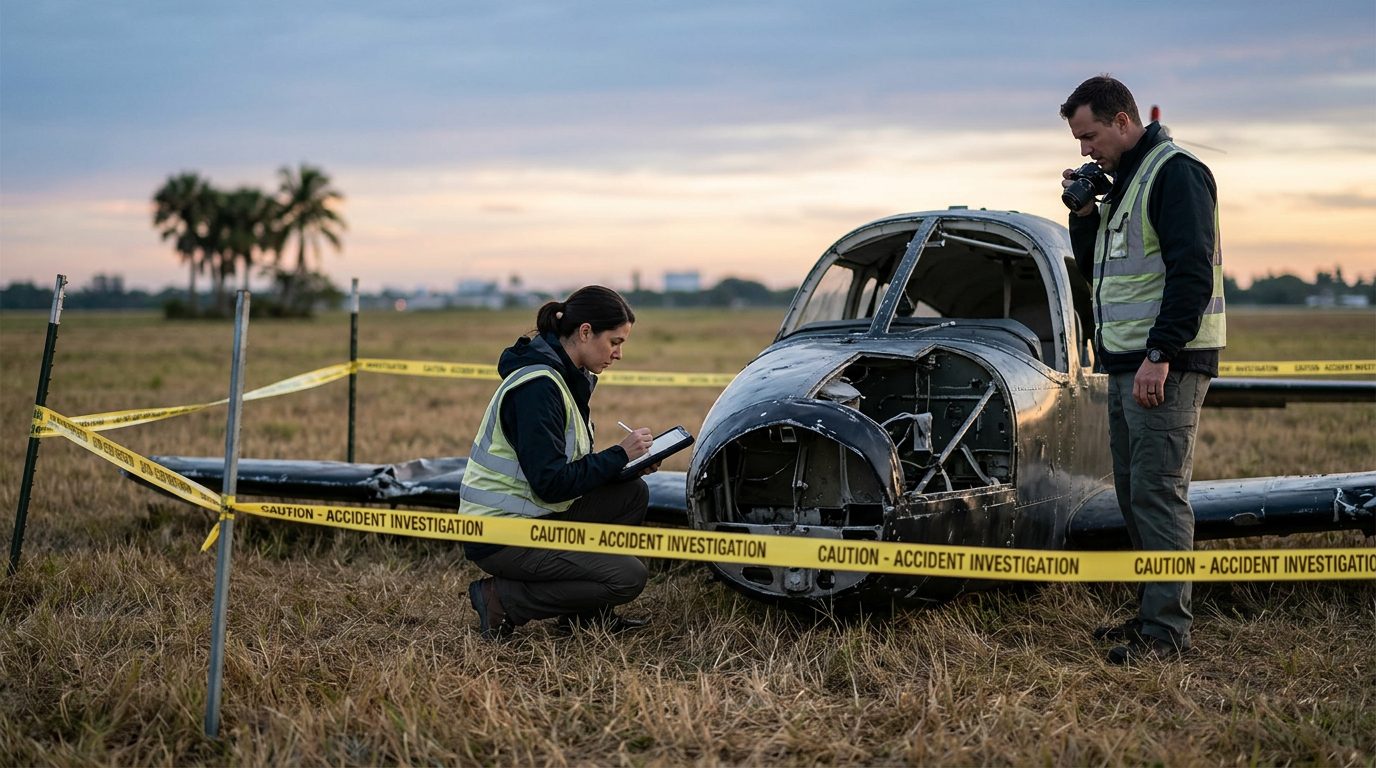
Miami Aviation Accident Attorney
Catastrophic Aviation Injuries: Legal Help When You Need It Most
If you or a loved one suffered a life-altering injury in a plane crash, you deserve representation that understands the stakes. CHG Personal Injury Lawyers focuses exclusively on catastrophic injuries and fights to hold responsible parties accountable.
By CHG Lawyers · Published September 01, 2026
Miami Aviation Accident Attorney for Catastrophic Injuries
If you or a loved one suffered a catastrophic injury in a plane crash, you may need legal help with the severe, life-altering injuries aviation accidents cause.
Aviation law is different from routine personal injury law. It is governed by federal regulations, international treaties, and accident investigation protocols. We handle catastrophic aviation injury claims—spinal cord damage, paralysis, traumatic brain injury, amputation, severe burns, and wrongful death. You pay nothing unless we recover compensation for you.
Not sure what your next step is?
Talk it through with our team — the first consultation is free, confidential, and carries no obligation.
Why Aviation Accident Claims Require Focused Legal Knowledge
When a plane crashes, a federal investigation looks into the cause, but it is not conducted to determine who is liable.
The National Transportation Safety Board (NTSB) investigates all civil aviation accidents and publishes detailed reports. These reports examine aircraft systems, maintenance records, pilot actions, air traffic control communications, and weather data. This evidence must be interpreted correctly to identify who is responsible.
Multiple parties may be liable: – The airline – The aircraft manufacturer – The maintenance contractor – The pilot – Air traffic control – A combination of these parties
Each party has separate insurance, separate legal defenses, and separate liability exposure under federal law.
Federal Aviation Administration (FAA) regulations establish design standards, maintenance requirements, and operational rules. International flights may be governed by the Montreal Convention, which has its own procedural rules.
We work directly with aviation experts, accident reconstructionists, and medical specialists. We interpret NTSB findings, identify regulatory violations, and build evidence of liability. We understand the investigative process and know which questions to ask and which records to obtain before they disappear or become unavailable.
Can You Sue After a Plane Crash?
Yes. You can pursue a claim against the airline, aircraft manufacturer, maintenance provider, pilot, air traffic control, or any other party whose negligence or regulatory violation contributed to the crash.
Liability depends on what caused the accident. Common causes include: – Pilot error – Mechanical failure – Maintenance negligence – Design defects – Air traffic control error – Inadequate crew training – Failure to follow FAA procedures
What Damages Can You Recover?
Medical expenses: emergency care, hospitalization, surgery, rehabilitation, ongoing treatment, assistive devices, and home modifications.
Lost income: wages lost during recovery and future earning capacity if the injury prevents you from working.
Pain and suffering: compensation for physical pain, emotional trauma, and loss of quality of life.
Permanent disability costs: lifetime care, attendant services, and adaptive equipment for catastrophic injuries.
Wrongful death benefits: if a loved one died in the crash, the decedent’s personal representative can bring a wrongful death claim for the benefit of the surviving family members and the estate.
Punitive damages: in cases of gross negligence or willful misconduct, additional damages may be available.
Time Limits Are Critical
Florida’s statute of limitations for personal injury claims is generally two years from the date of injury. For wrongful death, the limit is two years.
Federal rules and airline liability limits may also apply. Delays reduce your legal options. Evidence disappears, witness memories fade, and the airline’s legal team is already investigating. Do not wait.
Have questions about what happened?
Ask our team directly. The first conversation is free, confidential, and there is no obligation to continue.
What Aviation Accident Cases We Handle
We focus exclusively on catastrophic aviation injuries and wrongful death claims arising from:
- Commercial airline crashes
- Private aircraft and small-plane accidents
- Helicopter crashes
- Accidents caused by mechanical failure, pilot error, maintenance negligence, design defects, or air traffic control error
- Catastrophic spinal cord injuries and paralysis (paraplegia and quadriplegia)
- Traumatic brain injuries
- Amputation and limb loss
- Severe burn injuries
- Catastrophic back and neck injuries
- Wrongful death claims brought by surviving family members
How Aviation Accident Claims Work: What to Expect
Step 1—Initial Consultation
We listen to your account, review available records, and explain your rights. There is no cost and no obligation.
Step 2—NTSB Investigation and Record Gathering
We obtain the NTSB accident report, FAA records, maintenance logs, cockpit voice recordings (if available), and aircraft technical data. The NTSB investigation is the foundation of liability analysis. We review it thoroughly to understand what caused the crash and which parties failed in their duties.
Step 3—Liability Analysis and Expert Consultation
We identify all responsible parties and determine the legal basis for your claim under federal law, FAA regulations, and any applicable international treaties. We consult with aviation experts and accident reconstructionists to interpret technical evidence.
Step 4—Claim Filing and Negotiation
We file claims with the airline’s insurance and pursue settlement discussions. Many aviation cases settle at this stage.
Step 5—Litigation (if necessary)
If settlement is not reached, we file suit and prepare for trial. We are prepared to litigate aggressively on your behalf.
Timeline: Aviation cases typically take 2–5 years, depending on complexity and whether the case settles or goes to trial. Your role is to focus on recovery. We handle the investigation, legal analysis, and negotiations.
Why Choose CHG Personal Injury Lawyers
We focus exclusively on catastrophic injuries and the accidents that cause them. We do not handle minor injuries, soft-tissue damage, or routine cases.
Our team is admitted to the Florida Bar. We represent clients nationwide, including Miami and throughout South Florida.
We work on contingency. You pay no attorney’s fee unless we recover compensation for you. Clients may still be responsible for certain case costs, which we explain upfront. This arrangement removes the financial barrier that many families face while managing catastrophic medical costs and care expenses.
We work with aviation experts, accident reconstructionists, and medical specialists to build strong cases. We understand the NTSB investigative process and know how to use its findings to establish liability. We are prepared to litigate complex federal claims and to negotiate with well-resourced airline defense teams.
The Complexity of Aviation Accident Law
Aviation accidents are governed by federal law, not just state law. Federal Aviation Administration regulations establish design, maintenance, and operational standards. Violations can establish negligence.
If the flight crossed international lines, the Montreal Convention may apply and affect your claim.
Multiple defendants mean multiple insurance policies and multiple legal defenses. Proving liability requires expert testimony on aircraft design, maintenance standards, pilot training, FAA compliance, and accident causation.
The NTSB report is critical evidence. But interpreting it correctly and connecting its findings to legal liability requires specialized knowledge.
Want to know where you stand?
Tell us what happened and our team will walk you through the options available to you, at no cost.
Frequently Asked Questions
Q: How long do I have to file a claim after a plane crash?
Florida’s statute of limitations is generally two years for personal injury and two years for wrongful death. But federal rules may apply. Contact us immediately to protect your rights.
Q: Who can be held liable in an aviation accident?
The airline, aircraft manufacturer, maintenance contractor, pilot, air traffic control, or any party whose negligence or regulatory violation contributed to the crash.
Q: What if the crash was caused by bad weather?
Weather alone does not eliminate liability if the airline, pilot, or manufacturer failed to take reasonable precautions, deviate from flight plans, or follow FAA procedures.
Q: Will my case go to trial?
Many aviation cases settle. But we are prepared to litigate if necessary and will advise you of the best path forward.
Q: What if I was a passenger on a commercial airline?
You have the right to pursue a claim against the airline and any other responsible party under federal law and international treaties.
Q: What is the NTSB and why does it matter?
The National Transportation Safety Board investigates all civil aviation accidents and publishes detailed factual reports that identify the cause and contributing factors. Under federal law, however, no part of the Board’s report on an accident may be admitted into evidence or used in a civil action for damages.
Q: What is the Montreal Convention?
The Montreal Convention is an international treaty governing airline liability for international flights. It may limit damages in some cases. But catastrophic injury and wrongful death claims may exceed those limits.
Q: Can I pursue a wrongful death claim if my family member died in the crash?
Yes. The personal representative of the estate can bring a separate wrongful death claim for the benefit of surviving family members, subject to Florida’s two-year statute of limitations.
Q: How is this different from a car accident claim?
Aviation law is governed by federal regulations, international treaties, and specialized investigation procedures. The NTSB investigates aviation accidents. For car accidents, the NTSB investigates only the highway accidents it selects. Aviation cases involve complex technical evidence and multiple federal defendants.
Q: Do you work on contingency?
Yes. We handle aviation accident claims on a contingency-fee basis. You pay nothing unless we recover compensation for you. This arrangement removes financial barriers while you focus on recovery and managing catastrophic medical care.
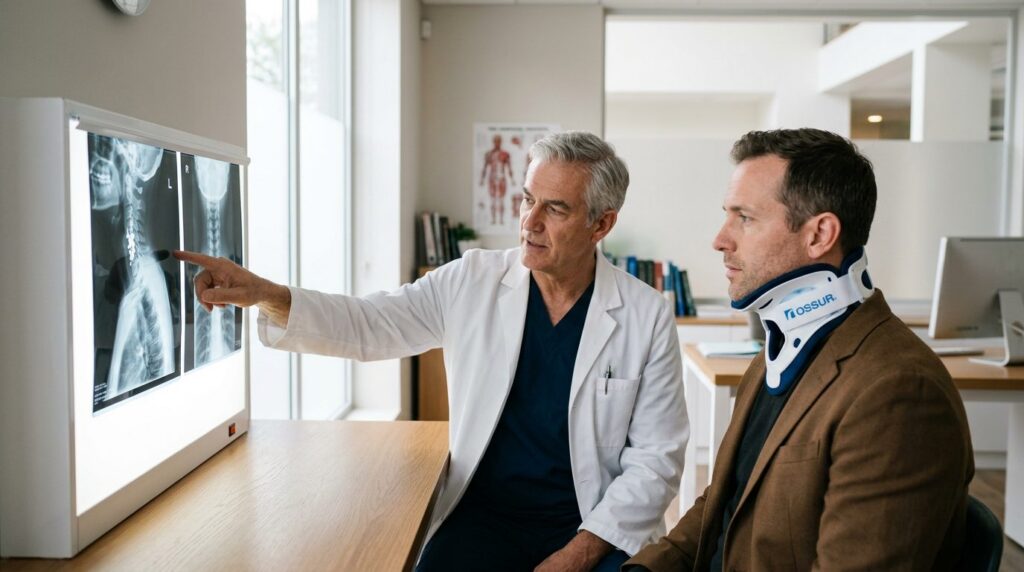
What Happens After You Contact Us
When you reach out, we provide a free case evaluation at no cost and with no obligation. We explain your rights, the claims process, and what we can do for you.
If we take your case, we handle all investigation, negotiation, and litigation. We keep you informed throughout the process and answer your questions. While we pursue your claim, you can focus on healing and rebuilding your life.
Catastrophic aviation injuries change everything. If you or a loved one suffered spinal cord damage, paralysis, traumatic brain injury, amputation, severe burns, or wrongful death in a plane crash, your claim may involve aviation law, federal regulations, and the NTSB investigative process.
Contact us today for a free case evaluation. People in your situation reach out regularly, and we are ready to help.
Why CHG Personal Injury Lawyers
Catastrophic Injury Focus
We focus exclusively on the most serious, life-altering injuries—spinal cord damage, paralysis, traumatic brain injury, amputations, and wrongful death. We understand the permanent impact these injuries have on you and your family.
Aviation Accident Experience
Aviation claims involve federal regulations, multiple liable parties, and complex liability questions. We know how to navigate these cases and identify everyone responsible for your harm.
Florida-Based, National Reach
Based in Florida and licensed to practice here, we handle catastrophic injury cases nationwide. Wherever your accident occurred, we can help.
Empathetic Representation
We communicate in plain language, never legal jargon. We listen to your story and fight for the compensation your family deserves.
Time Matters
Aviation accident claims are subject to strict legal deadlines. The sooner you contact us, the sooner we can investigate, preserve evidence, and protect your rights. Do not wait.
Key Questions About Aviation Accident Claims
Who Can Be Held Liable?
The airline, aircraft manufacturer, maintenance contractor, pilot, airport operator, or other third parties may share responsibility for your injury. We investigate every angle to identify all liable parties and pursue maximum compensation.
What Damages Can I Recover?
Catastrophic aviation injuries often result in lifetime medical care, lost income, disability accommodations, and profound pain and suffering. We pursue claims that reflect the true cost of your injury and your family's future.
How Long Do I Have to File?
Legal deadlines vary depending on whether federal rules, state law, or international treaties apply. This is why immediate legal consultation is critical—we protect your rights and ensure no deadline is missed.
What If Someone Died?
Wrongful death claims allow surviving family members to pursue compensation when a loved one is killed in an aviation accident. We handle these cases with dignity and fight for the justice your family deserves.