

Aviation Accident Injury Lawyer
Catastrophic Plane Crash Injuries: Legal Help for Florida Victims
If you or a family member was seriously injured or killed in an airplane accident, you may have a claim against the airline, manufacturer, or other responsible parties. We focus exclusively on catastrophic injuries and wrongful-death cases nationwide.
By CHG Lawyers · Published August 31, 2026
Florida Aviation Accident Injury Lawyer: Catastrophic Plane Crash Claims
If you or a family member survived a plane crash with life-altering injuries, you may have a legal claim. These injuries include spinal cord damage, paralysis, traumatic brain injury, amputation, or severe burns.
You can pursue compensation from the airline, aircraft manufacturer, maintenance contractor, pilot, or airport.
Aviation crashes cause severe, permanent injuries. This guide explains what aviation accident claims cover, how they work in Florida, and why acting quickly matters.
If you or a family member survived a plane crash with life-altering injuries, you may have a legal claim. Talk it through with our team — the first consultation is free, confidential, and carries no obligation.
What Aviation Accident Claims Cover
Aviation accident claims recover compensation for catastrophic, life-altering injuries and wrongful death. These include:
- Spinal cord injuries and paralysis (paraplegia and quadriplegia)
- Traumatic brain injuries (TBI) with cognitive impairment
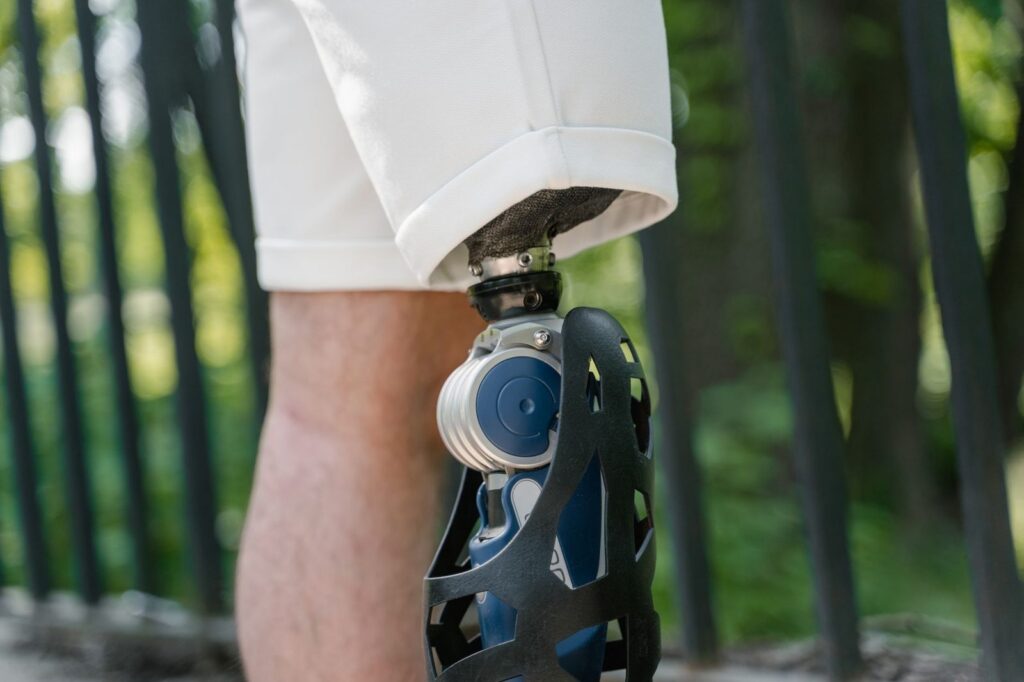
- Amputation and limb loss
- Severe burn injuries
- Catastrophic back and neck injuries
- Wrongful death when a family member is killed
You can recover:
- Past and future medical expenses
- Rehabilitation and ongoing care costs
- Lost wages and lost earning capacity
- Pain and suffering
- Loss of enjoyment of life
- In wrongful death cases: loss of companionship and funeral expenses
- Punitive damages may be available for gross negligence or reckless conduct
Who Can File an Aviation Accident Claim
Aviation accident claims are for survivors of commercial airline crashes, private aircraft accidents, charter flights, and helicopter crashes. They’re also for families who lost a loved one.
You don’t have to be a Florida resident. We represent crash survivors and families nationwide.
People injured in airport incidents or in-flight emergencies caused by negligence also have claims. This includes unsafe conditions, inadequate crew training, or failure to maintain equipment.
What Makes Aviation Cases Different
Aviation cases are far more complex than routine injury claims. They involve federal regulations from the Federal Aviation Administration (FAA) and investigation by the National Transportation Safety Board (NTSB).
Multiple parties may be liable: airlines, manufacturers, maintenance contractors, pilots, airports, and ground crews.
These cases require technical evidence:
- Aircraft design specifications
- Maintenance logs
- Pilot training records
- Weather data
- Air traffic control communications
Liability may rest on strict liability (holding a manufacturer responsible for a defective product), negligence, or both. Evidence must be preserved quickly. The NTSB investigation can seal records, and witnesses may become unavailable.
How Aviation Accident Claims Work
Initial Consultation
You meet with an attorney for a free case evaluation. We assess the accident, your injuries, the parties involved, and potential liability.
Investigation Phase
We immediately gather FAA records, NTSB reports, maintenance logs, pilot records, and eyewitness testimony. Time is critical—records can be sealed or lost.
Identifying Liable Parties
We determine whether the airline, aircraft manufacturer, maintenance provider, pilot, airport, or another entity bears responsibility. Most crashes involve multiple defendants.
Medical Documentation
We secure expert medical testimony to establish the severity and permanence of your injuries. For spinal cord injuries, we document paralysis and loss of function. For traumatic brain injury, we use neuropsychological testing to prove cognitive impairment.
Demand and Negotiation
We present evidence to insurers and defendants to negotiate a fair settlement.
Litigation if Necessary
If settlement fails, we file suit in Florida state or federal court and prepare for trial.
Timeline
Aviation accident claims typically take 2–5 years from accident to resolution. This depends on complexity and whether trial is required.
Understanding Florida’s Comparative Fault Rule
Florida follows a comparative fault system under Fla. Stat. §768.81. You can recover damages even if you’re partially at fault, as long as you’re not more than 50% responsible.
Example: If you’re found 49% at fault and the defendant 51% at fault, you recover 51% of your damages. If you’re more than 50% at fault, you cannot recover.
Depending on the facts, liability in aviation cases may rest with the airline, manufacturer, or crew.
How Much Can You Recover After a Plane Crash
Damages in aviation accident claims depend on injury severity, permanence, and the liable party’s insurance coverage.
Recoverable damages include:
- Past and future medical expenses (often millions for lifelong care of spinal cord injuries or TBI)
- Rehabilitation and ongoing care
- Lost wages and lost earning capacity
- Pain and suffering
- Loss of enjoyment of life
- In wrongful death cases: loss of companionship and funeral expenses
Punitive damages may be available if the defendant’s conduct was grossly negligent or reckless. No two cases are identical. The value of your claim depends on the specific facts, injuries, and evidence.
If you were injured on a charter flight or air tour in Florida, you may have a claim against the operator, pilot, or aircraft owner. Talk it through with our team — the first consultation is free, confidential, and carries no obligation.
What Not to Say to an Injury Lawyer
- Do not minimize or exaggerate your injuries. Be truthful about your medical condition and recovery.
- Do not speculate about what caused the crash or who is at fault. Let the investigation and evidence speak.
- Do not discuss the accident or your injuries on social media or with insurance adjusters without legal guidance.
- Do not sign any documents or accept settlement offers before consulting an attorney.
- Do not delay reporting your injuries or seeking medical care. Gaps in treatment can weaken your claim.
Honesty with your attorney is essential. They’re bound by confidentiality and need the full picture to represent you effectively.
Why Our Practice Focuses Exclusively on Catastrophic Aviation Injuries
Our practice focuses exclusively on catastrophic, life-altering injuries—spinal cord injuries, paralysis, traumatic brain injury, amputation, severe burns, and wrongful death. We do not handle minor or routine claims. This focused approach means our work centers on the most serious cases.
We’re licensed Florida attorneys, and aviation accident claims can involve both Florida law and federal regulations. We accept cases nationwide, not just from Florida residents. We move immediately to preserve evidence, secure FAA and NTSB records, and identify all liable parties before critical information is lost.
We have access to aviation engineers, accident reconstructionists, medical specialists, and economists to help build a strong case. We understand the trauma of a crash and the permanent changes it brings. We advocate fiercely for injured survivors and families left behind.
Identifying Every Liable Party in Aviation Accident Claims
Aviation crashes may involve liability from:
- Commercial airlines and operators
- Aircraft manufacturers (Boeing, Airbus, Cessna, and others)
- Maintenance and repair contractors
- Pilots and crew members
- Air traffic control facilities and the FAA
- Airports and ground service providers
- Fuel suppliers and catering services
- Third-party vendors and contractors
Early investigation is critical. Evidence can be destroyed, records sealed, or witnesses lost to time.
Federal Oversight, Florida Courts, and Where Liability Is Determined
Aviation is heavily regulated by the FAA and governed by federal law. However, injury claims are litigated in state and federal courts.
The NTSB investigates accidents for safety purposes. Under federal law, no part of an NTSB Board report on an accident may be admitted into evidence or used in a civil action for damages (49 U.S.C. § 1154). Your case may be filed in Florida state court or federal court, depending on the parties involved and the amount in controversy.
An aviation accident injury claim can involve both federal regulations and Florida law.
Charter Flights, Air Tours, and Accident Risk in Florida
Florida’s tourism industry relies heavily on charter flights and scenic air tours, increasing accident risk. Charter operators that fly on-demand operations under an FAA Air Carrier or Operating Certificate are governed by 14 CFR Part 135.
Common causes of charter and tour crashes include:
- Pilot error
- Inadequate training
- Mechanical failure
- Poor weather decision-making
- Maintenance negligence
Passengers on charter flights and air tours have the same legal rights to compensation as commercial airline passengers.
If you were injured on a charter flight or air tour in Florida, you may have a claim against the operator, pilot, or aircraft owner.
Proving Traumatic Brain Injury in Aviation Cases
Traumatic brain injuries (TBI) can be difficult to prove because symptoms are often invisible and may not appear immediately. Cognitive and psychological injuries require expert medical testimony and neuropsychological testing to document.
Long-term effects of TBI—memory loss, personality changes, difficulty concentrating—must be linked to the accident through medical evidence. In aviation cases, medical experts can establish the mechanism of injury (the forces and impact involved) to support TBI claims.
Early medical evaluation and ongoing documentation are essential to building a strong TBI case.

If you or a family member survived a plane crash with catastrophic injuries or lost someone in an aviation accident, you may have a legal claim. Talk it through with our team — the first consultation is free, confidential, and carries no obligation.
Common Questions About Aviation Accident Claims in Florida
Can I sue the airline if I was injured on a commercial flight?
Yes, if the airline’s negligence or unsafe conditions caused your injury. Airlines have a duty to maintain safe aircraft and provide competent crew.
What if the aircraft manufacturer is at fault?
Manufacturers can be held liable for design defects, manufacturing flaws, or failure to warn of known hazards.
Does the NTSB investigation affect my lawsuit?
The NTSB looks into crashes to improve safety, not to assign blame, and federal law keeps any part of a Board report on the accident out of evidence in a civil suit for damages, so an injury claim has to be built on other proof.
What if I was injured in a private aircraft or charter flight?
The same principles apply. Private operators and charter companies have a duty to maintain safe aircraft and employ qualified pilots.
Can I bring a wrongful death claim if my family member was killed?
Yes. Florida law allows surviving spouses, children, and parents to recover damages for the loss of a loved one in an aviation accident. Learn more about wrongful death lawsuits in Florida.
How long do I have to file a claim?
Aviation cases may have different deadlines depending on federal law. Do not delay. Contact an attorney immediately.
If you or a family member survived a plane crash with catastrophic injuries or lost someone in an aviation accident, you may have a legal claim. Learn more about the catastrophic injury compensation process and your options.
The clock starts ticking immediately. Evidence must be preserved and liability determined before records are sealed or witnesses become unavailable. Contact us today for a free, confidential case evaluation. People in your situation can reach out to us, and we’re ready to help.
Why Choose CHG Personal Injury Lawyers
Focused on Catastrophic Cases
We focus exclusively on serious, life-altering injuries—including those from aviation accidents. We do not handle minor or routine claims.
Florida Bar–Admitted Attorneys
Our licensed attorneys understand the complex regulations governing commercial aviation, aircraft manufacturers, and airline liability.
National Case Experience
Compassionate, Plain-Language Guidance
We explain your legal options clearly and treat your case with the dignity and care it deserves during an incredibly difficult time.
Who May Have a Claim After a Plane Crash
Injured Passengers or Crew
If you survived a crash or in-flight accident with serious injuries—spinal cord damage, traumatic brain injury, severe burns, amputations, or other catastrophic harm—you may have a claim against the airline, aircraft manufacturer, or other parties whose negligence or defects caused your injury.
Family Members of Deceased Victims
If a loved one died in a plane crash or aviation accident, your family may pursue a wrongful-death claim to recover damages for your loss and hold responsible parties accountable.
Commercial and Private Aircraft Accidents
We handle claims arising from commercial airline crashes, charter flights, private aircraft accidents, and other aviation incidents where negligence, mechanical failure, pilot error, or manufacturer defects played a role.
Accidents at Airports and Facilities
Catastrophic injuries can also occur on airport grounds, in terminals, or during ground operations. If unsafe conditions or negligent security led to your injury, we can help you pursue a claim.
Act Quickly—Time Limits Apply
Aviation accident claims are subject to strict legal deadlines and complex federal regulations. The sooner you contact us, the sooner we can investigate your case, preserve evidence, and protect your rights.
Common Questions About Aviation Accident Claims
Can I sue the airline if I was injured on a commercial flight?
Yes, if the airline's negligence or unsafe conditions caused your injury. Airlines have a duty to maintain safe aircraft, provide competent crew, and follow federal safety regulations. If they fail to do so and you suffer catastrophic harm, you may have a claim.
What if the aircraft manufacturer is at fault?
Manufacturers can be held liable for design defects, manufacturing flaws, or failure to warn of known hazards. If a defective part or unsafe design contributed to the crash or your injuries, the manufacturer may be responsible for your damages.
What damages can I recover?
In a successful claim, you may recover compensation for medical care, lost income, pain and suffering, permanent disability, and other losses. In wrongful-death cases, family members may recover for funeral expenses, loss of financial support, and loss of companionship.
How much does it cost to hire an attorney?
We work on a contingency-fee basis: no attorney’s fees and no case costs unless there is a recovery. You pay nothing upfront, and if there is no recovery, you owe nothing.