
Serving Florida | Wrongful Death
Florida Wrongful Death vs. Survival Action: The Key Differences
When a loved one dies after an accident or injury, the family often hears two legal terms at once. Here is what each one means and how they fit together.
By CHG Lawyers · Published November 26, 2026
Florida Wrongful Death vs Survival Action: Key Differences
When a family loses someone in an accident, the paperwork can feel as heavy as the grief.
If you're trying to sort out these claims after losing someone in an accident, you don't have to do it alone. Our team can talk with you in a free, confidential consultation. Talk it through with our team — the first consultation is free, confidential, and carries no obligation.
What Is the Difference Between a Wrongful Death Claim and a Survival Action Under Florida Law?
A wrongful death claim compensates the surviving family for their own losses after a death. A survival-type recovery pays the estate for a narrower set of losses, mainly the injured person’s lost earnings and certain medical and funeral bills. Under Fla. Stat. § 768.20, the action shall be brought by the decedent’s personal representative, who recovers for the benefit of the decedent’s survivors and estate all damages specified in the act.
Many families face both at once, which is why the difference matters. Florida’s general rule, in Fla. Stat. 46.021, says no cause of action dies with the person. The Florida Wrongful Death Act adds a limit. Under Fla. Stat. 768.20, when a personal injury results in death, the injured person’s own injury action does not survive. A case still pending at death ends.
In practice, the injured person’s own pain and suffering is not a separate claim that carries on after death. Florida handles the losses that follow through the wrongful death framework instead. Those losses differ for each family, and the facts of each accident shape them.
What Is a Wrongful Death Claim?
A wrongful death claim lets certain survivors seek compensation when another person’s wrongful act, negligence, or default causes a death. Fla. Stat. 768.19 sets out this right of action. The rules sit within the Florida Wrongful Death Act, which covers Sections 768.16 through 768.26 of the Florida Statutes.
The claim is brought by the decedent’s personal representative, the person appointed to handle the deceased person’s estate. The representative files for the benefit of the survivors and the estate. The same statute, 768.20, sets out that structure.
Who counts as a survivor? Fla. Stat. 768.18 lists the spouse, children, and parents. Blood relatives and adoptive siblings can also count if they depended on the person for support or services. Florida treats children under 25 as “minor children” for this purpose, even though they are adults in other settings.
The damages follow Fla. Stat. 768.21. Each survivor may recover lost support and services. A surviving spouse may recover for lost companionship and protection, and for mental pain and suffering.
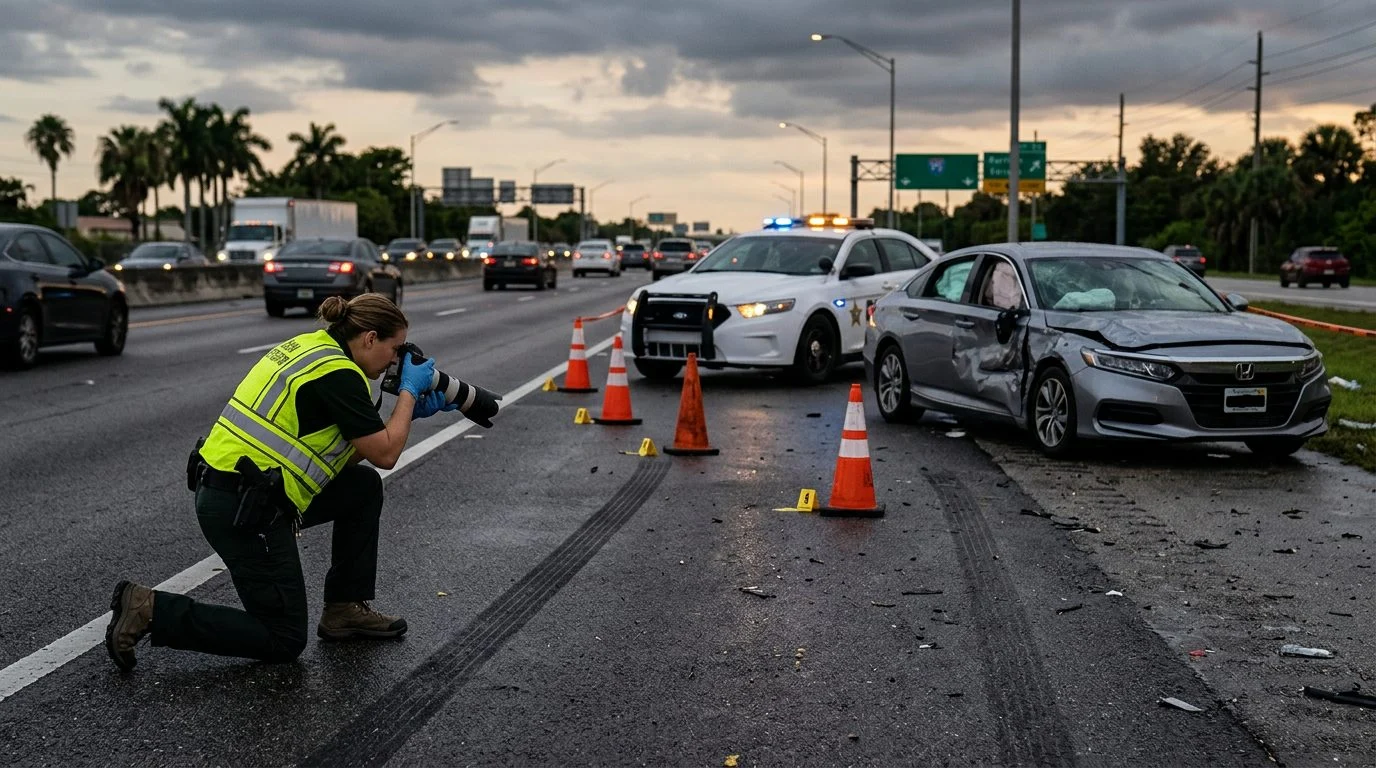
Picture a parent who worked and cared for two teenagers, killed in a highway crash caused by another driver’s negligence. The family’s claim centers on what they lost: the parent’s income, help at home, and guidance. That is the heart of a wrongful death claim.
What Is a Survival Action?
In Florida, a survival-type recovery belongs to the estate. It covers the injured person’s lost earnings from the date of injury to the date of death, less lost support of survivors excluding contributions in kind. It also covers certain medical and funeral bills. Fla. Stat. 768.21 sets out these estate items.
Many families expect a survival action to cover the pain their loved one endured before death. Under Fla. Stat. 768.20, the injured person’s own personal injury action does not continue after a death from that injury.
The personal representative pursues the estate’s share and also recovers for the benefit of the decedent’s survivors. The personal representative brings the action and recovers for the survivors and estate, and under Fla. Stat. § 768.21(5), a survivor who paid medical or funeral expenses may recover those expenses. Keep receipts and records of every bill, because they can matter to the claim.
Summary of Differences Between a Wrongful Death Claim and a Survival Action
The two claims differ in four main ways:
| Wrongful death claim | Estate recovery (survival-type) | |
|---|---|---|
| Who brings it | The personal representative, for the survivors and the estate | The personal representative, for the estate |
| Who receives it | The survivors named in the statute | The estate |
| What it covers | Survivors’ lost support and services, companionship, and mental pain and suffering | The injured person’s lost earnings from injury to death, plus medical and funeral bills |
| Timing | Based on the death caused by the injury | Based on the period from injury to death |
The law also keeps the numbers clean. Florida requires the verdict to state each survivor’s award and the estate’s award separately, under Fla. Stat. 768.22.
Can You Pursue Both Claims at the Same Time?
Yes. Florida law has the personal representative bring one wrongful death action. That action recovers for both the survivors and the estate, as Fla. Stat. 768.20 provides.
Timing shapes the case. If the injured person dies while their own injury case is pending, that personal injury action stops. The family’s and the estate’s claims continue through the wrongful death action the personal representative brings after the death.
A surviving spouse’s losses follow a separate rule. In Ripple v. CBS Corp. (Fla. 2024), the Florida Supreme Court held that a spouse does not bring a separate loss of consortium claim when the injured person dies from the injury. The spouse’s damages are recovered in the wrongful death action. The court also held that a marriage that came after the injury does not bar those damages.
Not sure what your next step is?
Talk it through with our team — the first consultation is free, confidential, and carries no obligation.
How Florida’s 51% Rule Can Affect Both Claims
Fla. Stat. 768.81 says that in a negligence action to which this section applies, a party found greater than 50 percent at fault for their own harm may not recover any damages, but this does not apply to an action for personal injury or wrongful death arising out of medical negligence under chapter 766.
People call this the 51% rule. The bar applies only above 50 percent. If the person is found 50 percent at fault or less, this bar does not apply.
The modified fault bar applies to causes of action filed after March 24, 2023, under Ch. 2023-15, Laws of Fla., regardless of when the cause accrued. Because it reaches negligence claims, other than personal injury or wrongful death actions arising out of medical negligence under chapter 766, it can affect both the wrongful death claim and the estate’s recovery from the same accident. Fault is decided on the facts of each case, so follow your attorney’s and your doctors’ guidance as the case moves forward.
Florida Deadlines and Government Claims to Keep in Mind
Florida sets deadlines for filing these claims, and a missed deadline can end a case. Under Fla. Stat. § 95.11, an action founded on negligence must be commenced within two years. Deadlines can differ by claim type and by the parties involved.
Fla. Stat. 768.28 limits when the state and its agencies can be sued in tort. Because these rules are technical, contact a lawyer promptly instead of waiting.
Many families also need a certified death certificate early on. The Florida Department of Health’s death certificate guidance explains who may request one and what documents are needed.
Talk With Our Lawyers About Your Family’s Situation
If you’re reading this for a family member, you may be making decisions you never expected to face. That is a hard place to be, and you don’t have to sort out the legal questions on your own.
Igor Hernandez is the responsible lawyer for this page. Our attorneys are admitted to The Florida Bar.
Common Questions
Who can file a wrongful death claim in Florida?
The decedent’s personal representative files it, for the survivors and the estate named under Florida law.
Does a survival action cover pain before death?
Florida’s statute does not continue the injured person’s own personal injury action after a death from that injury.
If you’re trying to understand what your family can pursue after a loss, contact our team for a free, confidential consultation, with no obligation to continue. CHG charges no attorney’s fees and no case costs unless there is a recovery.
How Our Firm Can Help Your Family
Focus on Families
CHG Personal Injury Lawyers handles wrongful death claims for families across Florida, and we keep the people left behind at the center of every decision.
Clear Explanations
We explain the claims in plain language so you understand what is being pursued, who is involved, and what the next steps look like.
Careful Case Preparation
Our team works to gather the records, reports, and evidence needed to present the claims fully and accurately.
Licensed Florida Attorneys
Our lawyers are licensed to practice law in Florida, and Igor Hernandez is the responsible attorney for this page.
Act Promptly
Deadlines apply to wrongful death and survival claims in Florida. Waiting can limit your options, so contact our firm as soon as you are able.
Common Questions Families Ask
Is the claim for the person who died?
A survival action is tied to the injured person's own losses before death. A wrongful death claim is tied to the losses of the surviving family.
Who brings these claims?
Florida law designates a personal representative to bring the claims on behalf of the estate and the survivors. Our firm can explain how this applies to your family's situation.
Can both claims be pursued?
Florida's rules govern whether and how each claim may be brought. Because the rules are technical, families benefit from a review of the specific facts.
Where do I start?
Start by speaking with our team. We will listen to your family's story, answer your questions, and explain the options that may apply.