
Wrongful Death | Serving Florida Families
After a Wrongful Death in Florida, Your Family Has Legal Options
By CHG Lawyers · Published November 20, 2026
Losing someone you love is painful. The legal questions can feel overwhelming.
If you are asking who can file a civil wrongful death lawsuit in Florida, here is the short answer. The claim is generally brought by the personal representative of the person’s estate. It is brought for the benefit of the surviving family members.
This page explains who that person is. It also explains who counts as a survivor and how the deadlines work. This is general education. It is not legal advice about your situation.
Why Families Ask Who Can File a Civil Wrongful Death Lawsuit in Florida
Families ask this question for a reason. Florida law does not let just anyone sue after a death.
The rules name one person to bring the claim. They also name a defined group of people who benefit from it. Knowing these roles early can prevent confusion later.
Many families ask while they are still planning a funeral or sorting through paperwork. A sudden death from a crash, a fall, or an attack can leave people with urgent questions. There is often very little time to think.
Under section 768.26, the personal representative pays attorneys’ fees and other litigation expenses. These costs are then deducted from the awards to the survivors and the estate. Each share is reduced in proportion to the amount awarded to that person. Expenses made for the benefit of one survivor or the estate come out of that survivor’s or the estate’s award.
This guide follows the order most families face:
- First, who files.
- Then, who benefits.
- Next, what the claim can seek.
- Last, how long families have to file.
If your family is facing a death from a crash, a fall, or an attack, you do not have to sort out who can file on your own. Talk it through with our team — the first consultation is free, confidential, and carries no obligation.
What a Civil Wrongful Death Lawsuit in Florida Is
A Florida wrongful death lawsuit is a civil claim for money damages. It applies when a person dies because of another party’s wrongful act, negligence, or default.
Florida law says the party who would have been liable if the person had lived stays liable after the death.
Put simply, if the person who died could have sued for their injuries, the family may be able to pursue a claim after the death.
A wrongful death case is civil, not criminal. A criminal case asks whether someone broke a criminal law. A civil case is a dispute between parties about who must pay.
The statute also says the civil claim can go forward even when the death happened under circumstances that were also a felony.
The Personal Representative Brings the Claim
The Florida statute on parties says the personal representative of the decedent brings the action. The “decedent” is the person who died. That personal representative recovers for the benefit of the survivors and the estate.
In plain terms, the personal representative stands in for the person who died. This person manages the estate, which means the property and affairs that person left behind. Families often ask who should hold this role. Settle that question early. The answer decides who files the case.
Many families miss one more point. When an injury causes a death, the injury claim does not carry on by itself. The statute says no personal injury action survives the death. Any case already pending at the time of death ends. The family’s claim moves into the wrongful death action.
Which Surviving Family Members Can Recover
Florida law lets a surviving spouse, children, and parents recover. A parent of an adult child may recover for mental pain and suffering only if there are no other survivors, and such damages are not recoverable by parents of an adult child in claims for medical negligence. Other relatives who depended on the person who died can also recover. The definition of survivors sets out these groups.
Survivors include the decedent’s spouse, children, and parents. Blood relatives and adoptive brothers and sisters count too. But they count only when they were partly or wholly dependent on the decedent for support or services. Support includes help in kind, not just money.
The statute defines minor children as children under 25. This is true even though the age of majority is lower. Under Fla. Stat. § 768.18, “minor children” means children under 25 years of age, regardless of the age of majority.
The damages statute sets out what each group may seek:
- A surviving spouse may recover the value of lost support and services. A spouse may also recover loss of companionship and protection, and mental pain and suffering.
- Minor children, and all children if there is no spouse, may recover lost parental companionship, instruction, and guidance. They may also recover mental pain and suffering from the date of injury.
- A parent of a deceased minor child may recover mental pain and suffering.
- A survivor who paid medical or funeral bills may recover those costs.
In Ripple v. CBS Corp. (2024), the Supreme Court of Florida held that a surviving spouse does not bring a separate loss of consortium claim. The spouse’s losses are recovered in the wrongful death action. The court also held that the “marriage before injury” rule does not bar those damages, even if the marriage came after the injury.
What the Lawsuit Seeks From the Person or Company Responsible
The claim is brought against the person or company whose wrongful act or negligence caused the death. That could be a driver, a trucking company, or a property owner.
Families often face situations like these:
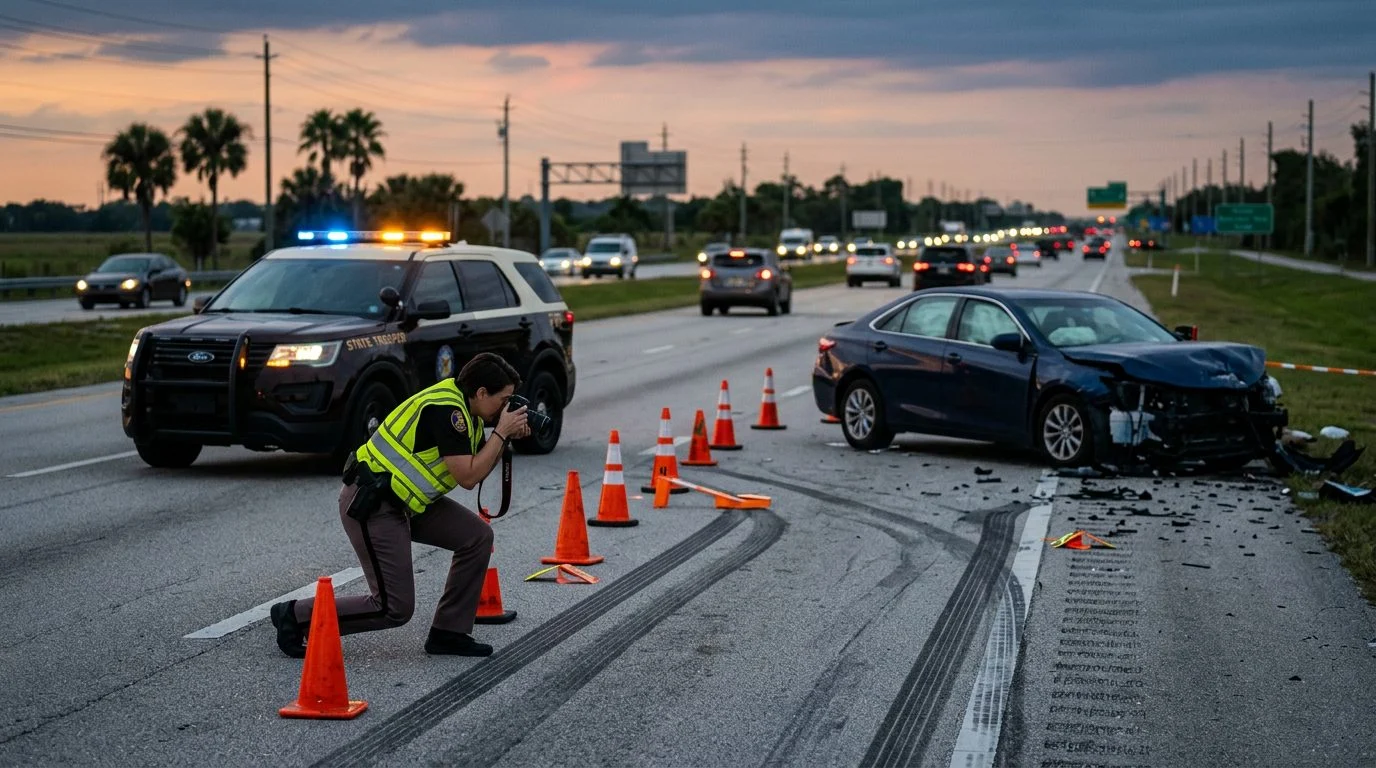
- A loved one dies in a car, truck, motorcycle, or bicycle crash caused by someone else’s careless driving.
- A person dies after a fall on property with a hazard the owner should have fixed.
- A person is shot or attacked in an apartment complex, a parking garage, or a hotel. The property lacked basic protection, such as working locks and gates, lighting, cameras, or guards.
When an attack happens on someone else’s property, and the owner failed to provide reasonable security, the law calls that negligent security.
Who is responsible depends on the facts. Identifying every party early matters. More than one person or company may share responsibility.
How Serious Is a Civil Wrongful Death Lawsuit?
A civil wrongful death lawsuit is a serious legal case. It asks a court to decide who is responsible. It also asks the court to decide what the family is owed in money.
The work can include gathering records and reviewing the crash or incident. It can also include questioning witnesses and dealing with insurance companies. In some cases, the case goes all the way to trial.
Florida law adds protections for families. While a wrongful death action is pending, a settlement is not effective unless the court approves it in certain cases. This applies when a survivor objects to the amount or to how money is split among the beneficiaries. It also applies when the settlement affects a minor or an incompetent survivor. The settlement rule covers this.
The court must also protect any award for a minor child under the minors’ protection rule. The verdict rule requires each survivor’s amount and the estate’s amount to be stated separately.
This process is hard on families who are grieving. Having a lawyer handle calls with insurers and court filings can give you room to focus on your family.
Not sure what your next step is?
Talk it through with our team — the first consultation is free, confidential, and carries no obligation.
How Long Families Have to File in Florida
Florida sets a two-year deadline for actions based on negligence (Fla. Stat. § 95.11(5)(a)). Many crash and fall claims are negligence claims. Families should treat two years as a key date.
The same statute lists an action for wrongful death within the two-year group (§ 95.11(5)(e)).
Florida treats some intentional deaths differently. Under § 95.11, a wrongful death action may be filed at any time in certain cases. This applies to a claim for damages under s. 768.21. It must be brought against an individual for an intentional tort that caused a death from acts described in s. 782.04 or s. 782.07. No arrest, criminal charge, or conviction is required first.
If the event happened years ago, two key questions matter. Which deadline applies? And when did the claim begin? The 2023 civil-remedies law, Chapter 2023-15, was approved by the Governor on March 24, 2023.
Families should contact our firm promptly rather than wait.

Talking With CHG Personal Injury Lawyers About Your Family’s Next Step
If your family member died in a crash, a fall, or an attack on someone else’s property, you may be deciding who should file. You may also be deciding whether to act now.
CHG Personal Injury Lawyers is a Florida-based personal injury firm. It handles wrongful death claims and other personal injury matters for families throughout Florida, including Orlando, Tampa, and Jacksonville. Igor Hernandez is the responsible lawyer for this page.
CHG charges no attorney’s fees and no case costs unless there is a recovery.
For more background, read our Florida wrongful death guide.
Who counts as a survivor under Florida law?
Survivors include the spouse, children, and parents. Blood relatives or adoptive siblings can count if they depended on the person who died.
Can a surviving spouse file a wrongful death claim?
The spouse’s losses are recovered within the wrongful death case. They are not recovered through a separate claim.
Is a wrongful death lawsuit criminal or civil?
It is civil. It seeks money damages whether or not a criminal case exists.
If your family is facing a death from a crash, a fall, or an attack, you do not have to sort out who can file on your own. Contact our firm for a free, confidential consultation with no obligation to continue.
How Our Firm Can Help Your Family
Compassionate Guidance
We understand that a death in the family is a loss first and a legal matter second. We take time to listen and explain each step in plain language.
Clear Answers About Who Can File
Our team can review your family's situation and explain how those rules may apply.
No Fees Unless There Is a Recovery
The firm charges no attorney's fees and no case costs unless there is a recovery. Ask us to explain how this works for your family.
Free, Confidential Consultation
La consulta inicial es gratuita, confidencial y sin compromiso de continuar. You may speak with us in English or Spanish, with no obligation to move forward.
Florida-Based Attorneys
Our licensed attorneys are admitted to The Florida Bar and represent families throughout Florida, including Miami, Orlando, Tampa, and Jacksonville.
Act Promptly
Florida sets deadlines for filing wrongful death claims, and missing one can affect a family's options. Do not wait to ask questions. Contact our firm as soon as you can so we can review the timing in your case.
Questions Families Often Ask
Who Can Bring the Claim?
Our attorneys can explain how the rules apply to your relationship with the person who died.
Can a Spouse File?
A surviving spouse's losses are pursued within the wrongful death case itself. Your attorney will explain how the case is organized and what it covers.
Who Pays Attention to These Cases?
A wrongful death claim may involve insurers, property owners, employers, or other parties. Our team can identify who may be responsible and what evidence matters most.