
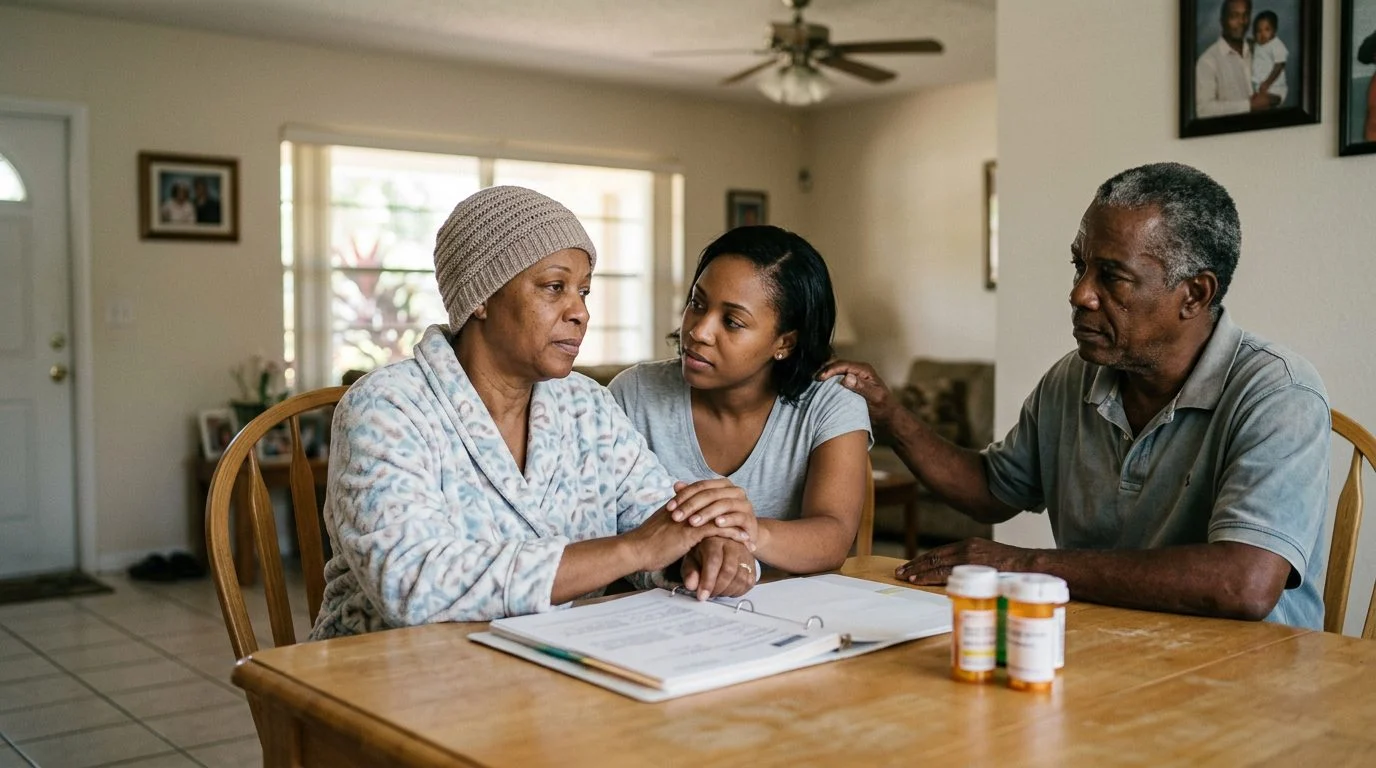
Wrongful Death in Hollywood, FL: A Family Guide
By CHG Lawyers · Published November 15, 2026
When a loved one dies in a Hollywood crash, fall, drowning, or attack, the questions arrive fast, often before the grief has settled. Florida law lets a family bring a wrongful death claim when another person’s wrongful act or negligence caused that death.
This guide explains what that means, who can bring a claim, how deadlines and damages work, and what your family can do next. CHG Personal Injury Lawyers is a Florida-based personal injury firm that represents families throughout Florida. Igor Hernandez is the responsible attorney for this page.
When a Loved One Dies in a Hollywood Accident: Where to Start
The first steps protect evidence and give your family a clear record of what happened. You can take them while you grieve.
Ask for the police or crash report number as soon as you can. Write down the names and phone numbers of witnesses while their memories are fresh. Keep your loved one’s belongings, including phones, bags, and clothing, as they were found.
Save any photos, videos, texts, and social media posts about the event. If the death happened on private property, note the lighting, locks, gates, and warning signs. Take photos only if you can do so safely.
Keep a folder for bills, funeral receipts, and letters from insurers. You won’t need to sort all of it on day one.
Medical questions belong with your loved one’s doctors and the medical examiner. Follow their guidance. Insurance companies may call soon after a death, and it’s reasonable to speak with a lawyer before giving a recorded statement.
What Is Considered Wrongful Death in Florida?
Florida treats a death as wrongful when another party’s wrongful act, negligence, or default caused it. The person who died must have been able to sue for their injuries had they lived.
The Florida Wrongful Death Act covers sections 768.16 through 768.26 of the Florida Statutes. Under Fla. Stat. § 768.19, the party who would have been liable if the injured person had lived stays liable after the death. The statute also reaches deaths on navigable waters, which matters in boating and watercraft cases.
A wrongful death claim is a civil case. It asks the court for money damages to support the surviving family.
Keep these two tracks apart in your mind. A family may hear about one and assume it covers the other.
Examples of Wrongful Death Cases in Hollywood
Wrongful death cases in Hollywood often begin with an ordinary trip: a drive to work, a walk on the beach, or a night out. These are the kinds of situations families may face:
- A fatal crash on US-1, I-95, or Sheridan Street where a driver was distracted or impaired. The CDC’s impaired driving facts describe traffic deaths involving alcohol-impaired drivers.
- A pedestrian or bicyclist struck near the Hollywood Beach Broadwalk, where people walk, ride, and cross busy roads.
- A fatal fall on property where stairs, railings, or walkways were unsafe.
- A drowning at a pool, canal, or waterfront where a barrier, gate, or warning sign was missing.
- A fatal truck crash, or an attack at an apartment complex, parking garage, or hotel where locks, gates, lighting, or cameras were missing or broken.
Each example turns on its own facts. Two crashes that look alike can have very different causes. The evidence tells the story, and a family should not assume a case looks like one they’ve read about.
Famous Wrongful Death Cases and What They Show
Well-known cases mostly show how the law works. They do not show how a new family’s case will end.
A useful Florida example is Ripple v. CBS Corp., decided by the Supreme Court of Florida on May 9, 2024. The spouse’s damages are recovered in the wrongful death action instead.
Big verdicts and settlements in other cases can sound like a roadmap. They are not a prediction of what any family will receive. Every family still needs proof, and the proof is built from the facts of its own loss.
Proving Negligence in a Florida Wrongful Death Case
A family must show that someone failed to use reasonable care and that this failure caused the death.
For example, a property owner who knows a gate is broken and leaves it that way may have failed to use reasonable care. The question is what happened, who had control, and what the evidence shows.
Evidence that often matters includes:
- Police and crash reports, and any citations issued.
- Surveillance, dash-camera, and phone video.
- Witness statements, written soon after the event.
- Maintenance, repair, and security records for the property or vehicle.
- Medical and personal records of the person who died, shared as the law allows.
Outside professionals, such as accident reconstruction professionals, can study skid marks, vehicle damage, and other physical evidence. Medical professionals can review how the death occurred. What they conclude depends on the facts of each case.
Who Can File a Wrongful Death Lawsuit in Florida?
The decedent’s personal representative brings the wrongful death action for the survivors and the estate. A personal representative is the person legally in charge of the deceased person’s estate.
Under Fla. Stat. § 768.20, the personal representative recovers damages for the survivors and the estate. The personal injury claim does not continue as a separate claim when the injury leads to death. The personal representative of the decedent brings a wrongful death action instead.
Survivors can include a spouse, children, and parents, depending on the family. Under Fla. Stat. § 768.21, the complaint must name every potential beneficiary, including the estate, and explain how each is related to the person who died.
A few points are worth knowing early:
- Family roles can be unclear after a sudden death. Ask early who will serve as personal representative.
How Long Do I Have to File a Wrongful Death Lawsuit in Florida?
Florida gives two years to file a wrongful death action under its general limitations law, Fla. Stat. § 95.11. Deadlines apply to actions other than recovery of real property, and waiting can limit your options.
The same statute has an exception for certain violent acts. A wrongful death action against a natural person for an intentional tort resulting in death from acts described in sections 782.04 or 782.07 may be commenced at any time. The statute says it does not require an arrest, formal criminal charges, or a conviction.
Other rules can also affect timing. The facts of each death matter, so don’t wait to have them reviewed. Contact our firm promptly so the time limits can be checked against your family’s situation.
What Damages Can Families Recover From a Wrongful Death Claim?
Florida law lets survivors recover specific kinds of loss, and the categories depend on who survived. Florida’s wrongful death law lists the main categories of damages that families may be able to recover:
- Lost support and services. Each survivor may recover the value of the support and help they lost, from the injury to the death and into the future.
- Companionship and mental pain and suffering. A surviving spouse may recover for loss of companionship and protection, and for mental pain and suffering from the date of injury.
- Losses for children and parents. Minor children of the decedent, and all children of the decedent if there is no surviving spouse, may recover for lost parental companionship, instruction, and guidance. Each parent of a deceased minor child may recover for mental pain and suffering.
- Expenses and earnings. A survivor who paid medical or funeral bills may recover them. The estate may recover the decedent’s lost earnings from injury to death, less lost support of survivors excluding contributions in kind, with interest.
Which categories apply depends on who the survivors are and what the family lost.
If the Person Who Died Was Partly at Fault
Florida uses comparative fault, which divides responsibility by percentage. Under Fla. Stat. § 768.81, in a negligence action to which this section applies, a party found greater than 50 percent at fault for his or her own harm may not recover any damages.
The statute also says each liable party pays based on its own percentage of fault.
Here is a simple illustration, not a prediction. Suppose a court found a driver 70 percent at fault and the person who died 30 percent at fault. The 50 percent bar would not apply, and each share would be measured by its percentage.
Don’t assume that a question about partial fault ends the matter. Those questions are reviewed with the evidence, and the outcome is not known until the facts are examined.
How Much Is a Wrongful Death Lawsuit Worth in Florida?
No fair figure can be given without the facts, and no amount can be promised. Anyone who names a number before reviewing the evidence is guessing.
Several factors shape the value of a claim. These include the survivors’ relationships to the person who died, the loss of support and services, the person’s age and earnings, and the evidence of negligence.
Verdicts and settlements in other cases do not set the value of your family’s claim. Each claim stands on its own proof. The right next step is a review of your family’s specific facts.
Talk With Igor Hernandez About Your Family’s Next Steps
If your family is deciding whether to pursue a wrongful death claim, the first step is a conversation about who can file, how soon, and what the facts show.
Grief and paperwork can arrive at the same time. You shouldn’t have to sort out the legal questions alone. Igor Hernandez and the firm’s lawyers can review the facts of your loss with you.
CHG charges no attorney’s fees and no case costs unless there is a recovery. The first consultation is free, confidential, and carries no obligation to continue. Reach out through our contact page to schedule yours.
Frequently asked questions
Who files a wrongful death lawsuit in Florida?
The decedent’s personal representative files it for the survivors and the estate.
How long do families have to file?
Florida gives two years for most wrongful death actions. Wrongful death actions brought against a natural person for an intentional tort resulting in death from acts described in s. 782.04 or s. 782.07 may be filed at any time.
Can a claim be reduced if the person was partly at fault?
Yes, Florida’s comparative fault rule can reduce the amount recovered for an injury attributable to the injured person’s own fault (Fla. Stat. § 768.81(6)). Under Fla. Stat. § 768.81(6), a party found greater than 50 percent at fault for his or her own harm may not recover any damages in a negligence action to which that section applies.