
Head Injuries | Serving Florida
A Head Injury Can Hide a Brain Bleed. Know the Warning Signs.
Some serious bleeding in the brain does not show up right away, so a person can seem fine at first. Here is how to recognize the danger and protect your health and your rights.
By CHG Lawyers · Published November 28, 2026
Did you hit your head and worry that something is bleeding inside? That fear is common after a crash, a fall, or an attack. A brain bleed can cause warning signs right away. It can also cause them hours or days later. If you notice any red-flag symptom, get emergency care right away.
This guide covers the signs to watch for. It also covers what to do next and how Florida law may apply when someone else caused the injury.
What a Brain Bleed Is After a Head Injury
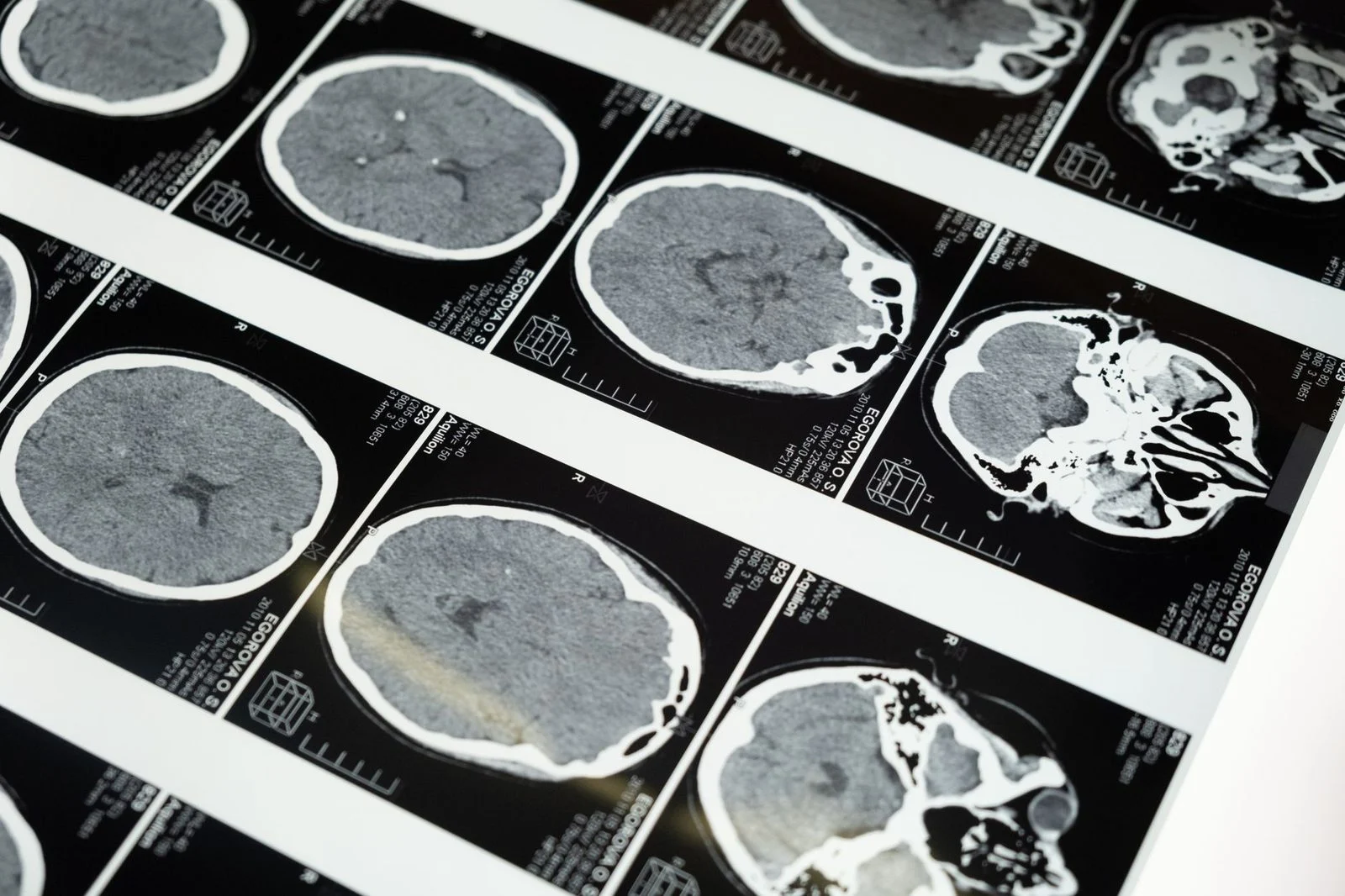
A brain bleed is blood that collects inside the skull after a blow or fall. The blood can press on brain tissue. Doctors group these bleeds by where the blood sits:
- Epidural: blood between the skull and the tough outer covering of the brain.
- Subdural: blood between the brain’s protective layers.
- Intraparenchymal: bleeding within the brain tissue itself.
A hit does not have to look severe. From the outside, you cannot tell whether bleeding has started. Doctors use imaging, such as a CT scan, to check.
Head injuries can also have longer effects. A peer-reviewed concussion study found that persistent concussion symptoms were linked to functional and occupational limitations. Concussion is one form of traumatic brain injury. That is why a head injury deserves a medical check, even when it seems minor.
If someone else's crash, fall, or attack caused your head injury in Florida, you may have a claim, and our team can review it with you in a free, confidential consultation. Talk it through with our team — the first consultation is free, confidential, and carries no obligation.
Warning Signs That Need Emergency Care Right Away
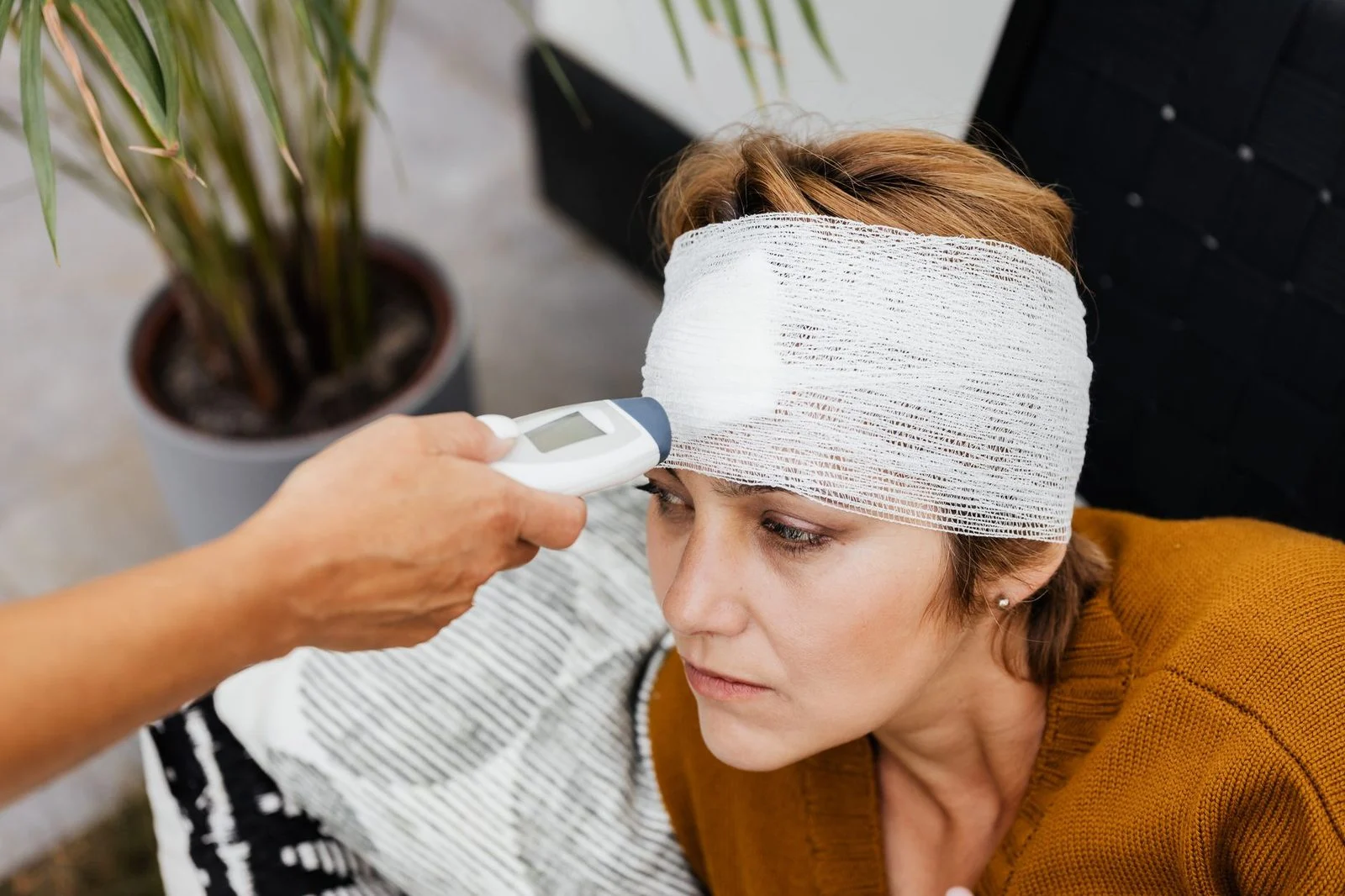
Get emergency care right away if you notice any of these signs after a head injury:
- A headache that gets worse or becomes severe
- Repeated vomiting or nausea
- Confusion, unusual behavior, or agitation
- Drowsiness or trouble waking up
- Slurred speech
- Weakness or numbness on one side of the body
- A seizure
- Pupils of unequal size
- Loss of balance or coordination
- Clear fluid or blood from the nose or ears
Loss of consciousness is also a reason to be checked, even if it lasted only briefly.
Some people feel fine at first. Symptoms can develop hours or days later. Do not wait for symptoms before getting evaluated. Tell the care team when the injury happened. Timing helps them decide what to check.
These signs call for emergency care. They are not a way to diagnose yourself. Follow your doctors’ instructions.
What to Do Right Now After Hitting Your Head
Call 911 if any warning sign appears. Call 911 also if the person is hard to wake or is acting strangely.
Do not drive yourself. Have someone else drive you, or call for transport.
Tell medical staff exactly how the injury happened. Include the crash, fall, or attack. These details matter for your care and for any later claim.
If it is safe to do so, write down:
- The date, time, and place
- What happened, in your own words
- Names and phone numbers of any witnesses
- Photos of the scene, including lighting, wet floors, or broken locks or gates
Keep every medical record, discharge paper, and bill. Follow the treatment plan your doctors give you.
When Someone Else’s Actions Caused the Head Injury
A head injury caused by someone else’s carelessness may give you and your family a claim. The claim may be against the person or business responsible. Common examples include:
- A driver who runs a red light and crashes into you
- A wet floor in a store with no warning sign
- An attack in an apartment complex parking garage where the owner did not provide working locks, gates, lighting, or cameras
When a property owner does not provide reasonable security, and a person is hurt in a criminal attack, lawyers call this negligent security. In a lawsuit against the owner, lessor, operator, or manager of commercial or real property by a person lawfully on the property who was injured by a third party’s criminal act, Florida law requires that everyone who contributed to the injury be considered. See Florida Statute § 768.0701.
Florida courts also say businesses must keep their property reasonably safe. They must also warn of hidden dangers they knew or should have known about. See Valladares v. Bank of America.
In a car crash case, Florida law limits pain-and-suffering damages to certain serious injuries. See Florida Statute § 627.737. Every claim depends on its own facts. Medical records and scene evidence matter.
How a Florida Head Injury Claim Works
A head injury claim usually moves through four steps:
- Free, confidential consultation. The firm reviews what happened, your injuries, and any medical records you have. There is no obligation to continue.
- Investigation. The firm gathers police and crash reports, scene evidence, property records, and medical records. It works with medical providers to understand the effects of the injury.
- Evaluation. The firm reviews fault and losses. These include medical costs, lost income, and how the injury affects daily life.
- Negotiation or lawsuit. The firm talks with insurers or property owners. If needed, it files a lawsuit in Florida court.
Deadlines matter. Under Florida Statute § 95.11, negligence actions have a two-year limit.
Fault also matters. See Florida Statute § 768.81, which provides that in a negligence action to which the section applies, any party found to be greater than 50 percent at fault for his or her own harm may not recover any damages, subject to the exceptions stated in the section. Fla. Stat. § 768.81 reads: “This subsection does not apply to an action for damages for personal injury or wrongful death arising out of medical negligence pursuant to chapter 766.”
Why Readers Contact CHG Personal Injury Lawyers
CHG Personal Injury Lawyers is a Florida-based personal injury firm. We serve clients throughout Florida.
Our licensed attorneys are admitted to The Florida Bar. Igor Hernandez is the responsible attorney for this page.
The firm handles car and truck crashes, slip and falls, negligent security, wrongful death, and catastrophic injuries. Catastrophic injuries include traumatic brain injuries. The firm takes personal injury cases of every severity.
Our team investigates crash and property cases. We work with medical providers and outside professionals when a case calls for them.
Not sure what your next step is?
Talk it through with our team — the first consultation is free, confidential, and carries no obligation.
Questions Readers Ask About Brain Bleed Symptoms
Yes. A brain bleed can cause symptoms that appear hours or days later. Get checked even if you feel fine.
Can a brain bleed happen if I felt fine after hitting my head?
Yes. Some symptoms appear later. Get checked promptly and follow your doctors’ advice.
Should I wait to see if symptoms develop?
No. Get evaluated promptly. Seek emergency care if any warning sign appears.
Do I have a claim if someone else caused my head injury?
It depends on the facts. A free, confidential consultation lets the firm review them with you.
Is there a deadline to file?
Yes. Florida deadlines apply, so contact the firm promptly.
Will I pay a lawyer up front?
CHG charges no attorney’s fees and no case costs unless there is a recovery.
If a head injury came from someone else’s crash, fall, or attack, you do not have to sort out the deadlines and paperwork alone. Contact CHG Personal Injury Lawyers for a free, confidential consultation. We will review what happened and your medical records, and explain your options. There is no obligation to continue.
Symptoms that need emergency care now
Seizure
Any seizure after a head injury requires immediate emergency care.
Severe or worsening headache
A headache that grows stronger over time or does not respond to ordinary relief needs prompt evaluation.
Repeated vomiting
Vomiting more than once, or vomiting that keeps coming back, is a warning sign.
Confusion or unusual drowsiness
Trouble staying awake, difficulty waking up, or new confusion should never be ignored.
Weakness or numbness
Weakness, numbness, or drooping on one side of the face or body is a reason to call 911.
Unequal pupils or slurred speech
One pupil larger than the other, or new trouble speaking clearly, needs immediate care.
Do not wait to see if symptoms improve
If any warning sign appears after a head injury, call 911 or go to the nearest emergency room right away. Symptoms can appear hours or days later, and early care matters.
After a head injury: practical next steps
Get medical care first
Follow your doctors' care and attend every follow-up visit. Your health comes first, and your medical records will matter later.
Keep your records
Save discharge papers, test results, bills, and work notes. Write down symptoms as they change, including the date and time.
Note how the injury happened
Record where and how the injury occurred, who was involved, and any photos, reports, or witnesses. These details can shape a claim.
Talk with our team
Our attorneys handle personal injury cases throughout Florida, including serious brain injuries and other life-altering harm. We can explain your options at no cost to you.
Injured in a Florida accident?
Speak with Igor Hernandez and our team. Your initial consultation is free, confidential, and carries no obligation to continue.