
Brain Injury Claims | Serving Florida
When the Brain Loses Oxygen: Understanding Life After Anoxic Brain Injury in Florida
A plain-language guide for families who are learning what this injury can mean and what steps they can take next.
By CHG Lawyers · Published November 28, 2026
Life expectancy after anoxic brain injury depends on the person, the injury, and the care that follows. Treating doctors make that estimate. Lawyers do not. Florida law may still let a family pursue a claim for the accident that caused the injury.
If your family is facing this, you probably have many questions at once. This page explains the injury. It covers the accidents that cause it, what shapes the outlook, and the steps a Florida claim may involve.
What Anoxic Brain Injury Is, and Who This Page Is For
Anoxic brain injury is brain damage. It happens when the brain goes without enough oxygen for a period of time.
Doctors sometimes use related terms, such as hypoxic-ischemic brain injury. They use these terms when blood flow to the brain is also affected.
Many crashes and falls can cause both oxygen loss and a blow to the head. That is why one accident can cause more than one kind of brain harm. To learn more, read about traumatic brain injury.
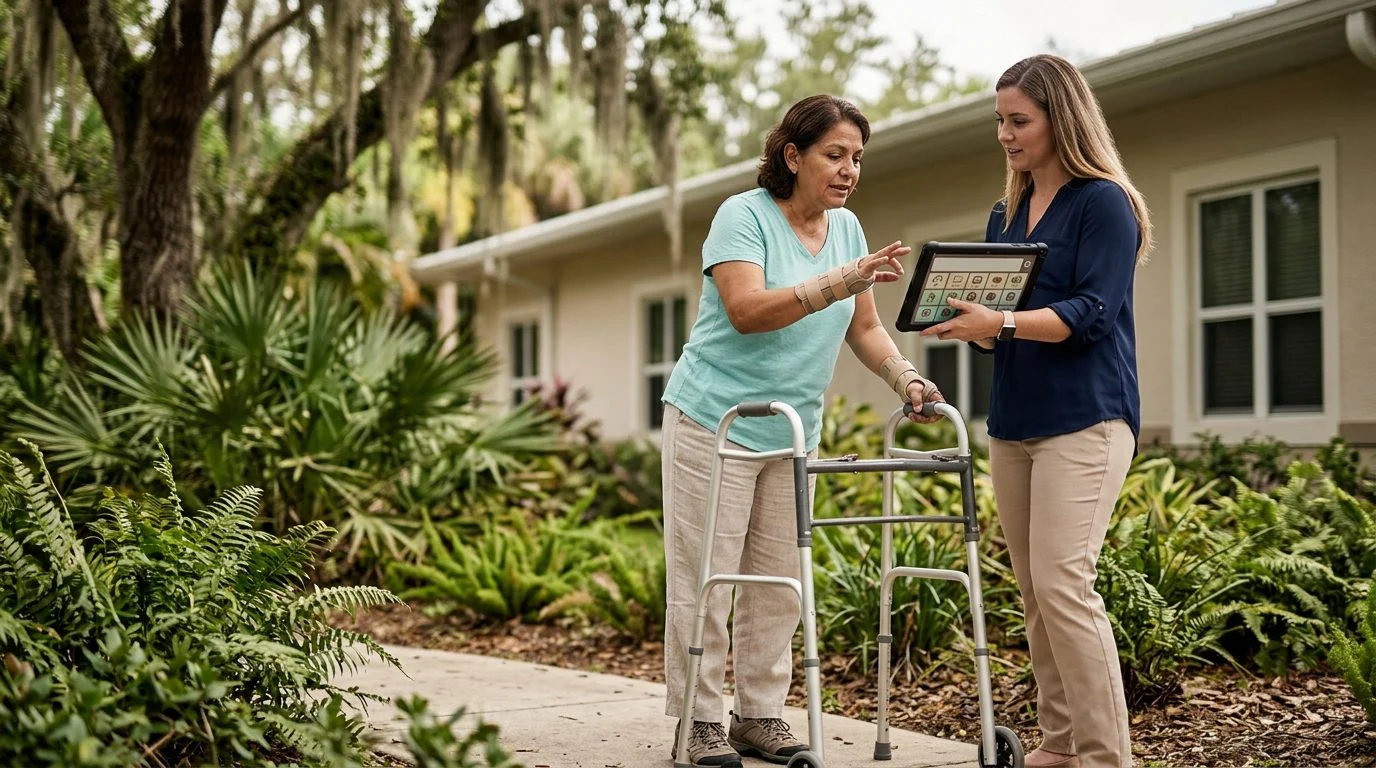
Surviving the emergency is not the same as recovering. A person may live through the event. Even so, they may face lasting problems with memory, movement, speech, or daily tasks.
This page is for injured adults. It is also for the parents, spouses, and adult children who now carry the daily load. It covers the accident side and the legal options.
Treating physicians handle the medical prognosis, which is the expected course of the illness. Families should follow their doctors’ care.
If a loved one's brain went without oxygen after an accident, you may have a claim, and our team can review it with you in a free, confidential consultation. Talk it through with our team — the first consultation is free, confidential, and carries no obligation.
Accidents That Can Cause Oxygen Loss to the Brain
Drowning, serious crashes, falls, electrocution, and violent attacks can all cause the brain to lose oxygen. The cause shapes what a family may need to show in a claim.
- Drowning and near-drowning in pools, canals, or at Florida beaches, when breathing stops in the water.
- Serious crashes involving cars, trucks, motorcycles, ATVs, or Jet skis. These crashes can interrupt breathing or blood flow.
- Falls, slip-and-fall incidents, and electrocution that lead to cardiac arrest (the heart stopping) or breathing failure.
- Wrongful death when the injury proves fatal. The claim centers on the family left behind.
Some families first learn of this risk after an attack on someone else’s property. Suppose a person was strangled or badly hurt during an assault in an apartment complex, parking garage, or hotel.
The owner may have failed to provide reasonable security. Reasonable security can include working locks, gates, lighting, cameras, or guards. Lawyers call this a negligent security claim.
Under Fla. Stat. § 768.0701, in an action for damages against the owner, lessor, operator, or manager of commercial or real property brought by a person lawfully on the property who was injured by the criminal act of a third party, the trier of fact must consider the fault of all persons who contributed to the injury.
What Shapes Life Expectancy After Anoxic Brain Injury
Life expectancy is an estimate. Treating neurologists (brain doctors) and rehabilitation doctors make it for each person. No single number applies to every case.
Doctors commonly weigh several factors:
- How long the brain went without oxygen.
- The person’s age and health before the accident.
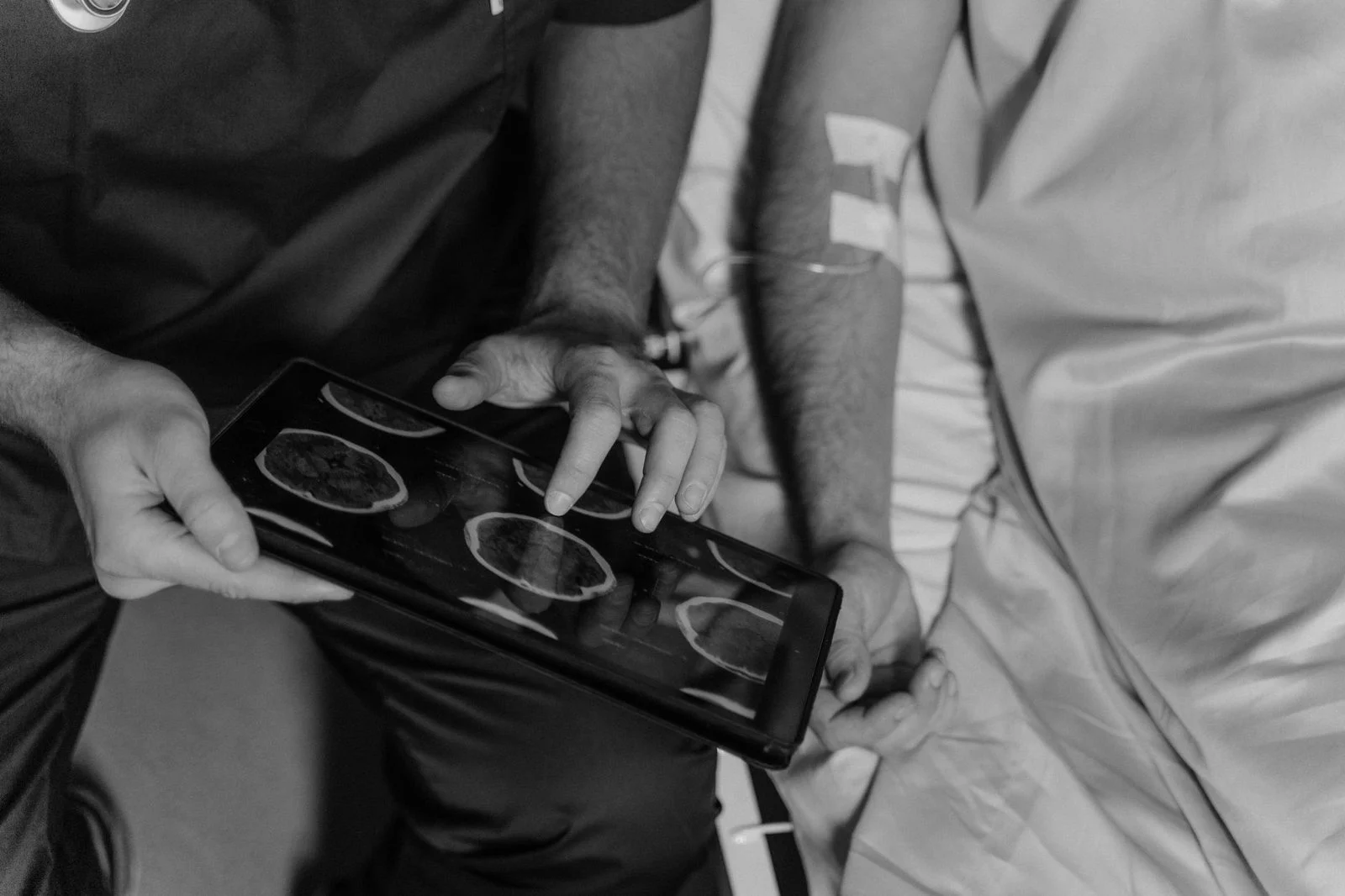
- The extent of brain damage shown on imaging (scans) and exams.
- Complications, such as infections, pneumonia, or seizures.
- How the person responds to rehabilitation over time.
The outlook can change over months and years. Families should follow their doctors’ care. They should bring written questions to the medical team at each visit.
Long-term needs often include rehabilitation, attendant care (help with daily activities), cognitive and physical therapy, and adaptive equipment. Planning for these needs is a central part of any claim.
What a Family Can Pursue After an Accident
In a death case, Florida law also sets out who may recover and what they may recover.
For a living injured person:
- Past and future medical expenses. These include hospital stays, rehabilitation, medications, and home modifications. Florida sets rules for how medical expense evidence is handled, as described in Fla. Stat. § 768.0427.
- Lost income and lost ability to earn in the future.
- Household and caregiving help the injured person used to provide.
- A life care plan. This is a written estimate of long-term needs, prepared with medical input.
For a wrongful death claim:
- The claim is brought by the decedent’s personal representative (the person appointed to act for the deceased person’s estate) for the survivors and estate (Fla. Stat. § 768.20).
- Survivors include the spouse, children, and parents. In some cases, blood relatives who depended on the person also qualify (Fla. Stat. § 768.18).
- Survivors may recover lost support and services. A surviving spouse may recover for lost companionship and mental pain and suffering (Fla. Stat. § 768.21).
Deadlines and fault:
- Florida’s general deadline for a negligence or wrongful death claim is two years, but the statute includes exceptions, so families should contact the firm promptly to learn which deadline applies to their situation (Fla. Stat. § 95.11). Deadlines apply, so timing matters.
- Under Fla. Stat. § 768.81, in a negligence action, a person found more than 50 percent at fault for their own harm may not recover any damages, but this does not apply to personal injury or wrongful death claims arising out of medical negligence under chapter 766.
- For suits filed after March 24, 2023, Chapter 2023-15, Laws of Florida applies this rule.
How a Claim Moves Forward, Step by Step
A claim usually starts with a free consultation. It then moves through fact review and evidence gathering. From there, it goes to settlement talks or a lawsuit.
- Free consultation. The first consultation is free, confidential, and carries no obligation to continue.
- Fact review. We review how the accident happened. We look at police or incident reports and medical summaries, with the family’s permission.
- Identify responsible parties. These may include a driver, a trucking company, or a property owner. Our team gathers evidence while records are still available.
- Document the injury. We work with treating physicians. When needed, we also work with outside medical and life-care professionals. They help record current and future needs.
- Negotiate or file suit. Timelines depend on the case.
- Medicare repayment. If Medicare paid for care, it may have a conditional payment. That payment must be repaid from a settlement. This is explained by CMS on the Medicare Secondary Payer rules.
CHG charges no attorney’s fees and no case costs unless there is a recovery.
Why Families Bring These Cases to CHG Personal Injury Lawyers
CHG Personal Injury Lawyers is a Florida-based personal injury firm. It serves people throughout Florida. Igor Hernandez is the responsible lawyer for this page. The firm’s lawyers are admitted to The Florida Bar.
The firm handles car and truck crashes, drowning, electrocution, negligent security, wrongful death, and other catastrophic injury claims. Its practice focuses on catastrophic injuries, including brain injuries, spinal cord injuries, and burns. It also handles everyday accidents, such as slip-and-fall cases.
The firm publishes educational content in English and Spanish. Our team explains each step in plain language. That way, families know what to expect.
A consultation gives you a clear look at your options. No result or amount can be promised. Each case turns on its own facts.
Not sure what your next step is?
Talk it through with our team — the first consultation is free, confidential, and carries no obligation.
Common Questions About Life Expectancy and Claims
Can a family pursue a claim while the person is still living?
An injured person may have a claim based on the accident. Filing deadlines apply, so timing matters.
Does a claim change medical care?
No. A claim runs apart from treatment. Families should keep following their doctors’ care.
How long does a claim take?
Timelines depend on the medical picture, the parties involved, and whether the case settles or goes to court.
Will the family receive a specific amount?
No one can promise a result or an amount. Each case depends on its facts.
What if the attack happened on someone else’s property?
Under Florida law, in an action for damages against the owner, lessor, operator, or manager of commercial or real property brought by a person lawfully on the property who was injured by the criminal act of a third party, the trier of fact must consider the fault of all persons who contributed to the injury (Fla. Stat. § 768.0701).
If your loved one’s brain went without oxygen after an accident, contact CHG Personal Injury Lawyers for a free, confidential consultation. We will walk you through your options and what happens next.
How CHG Personal Injury Lawyers Can Help
No Fees Unless There Is a Recovery
CHG charges no attorney's fees and no case costs unless there is a recovery.
Free, Confidential First Consultation
The first consultation is free, confidential, and comes with no obligation to continue.
Licensed Florida Attorneys
Our attorneys are licensed and admitted to The Florida Bar, and we serve injured people and their families throughout Florida.
Guidance for Families
We explain your options in plain language, so your family can focus on your loved one while we handle the legal questions.
Important
If someone you love is living with a brain injury, follow the care plan set by their doctors. Do not delay medical treatment while you explore legal questions.
Questions Families Often Ask
What is anoxic brain injury?
It is brain damage that happens when the brain is deprived of oxygen for a period of time. In accident cases, it can follow drowning, near-drowning, strangulation, or a crash that interrupts breathing.
Can a claim move forward while my loved one is living?
An injured person may have a claim based on the accident itself. Timing matters, so we encourage families to speak with our team early.
Does a legal claim change medical care?
No. A claim runs apart from treatment. Families should keep following their doctors' care.
What should families gather?
Medical records, accident reports, photos, and a written timeline of events help our attorneys understand what happened.