


Traumatic Brain Injury
A Normal CT Scan Doesn't Rule Out a Brain Injury
Microscopic damage, torn nerve fibers, and cellular-level trauma are invisible to standard imaging—but they are real and can cause lasting symptoms.
By CHG Lawyers · Published August 23, 2026
Proving a Traumatic Brain Injury When Your CT Scan Is Normal: Real Evidence That Matters
You’re in the emergency room after a truck crash or a fall. The doctor says your CT scan is normal. But you still can’t remember what happened. Your head throbs. You feel foggy and confused.
If the scan is normal, why do you still feel so injured?
This gap is real, common, and deeply frustrating. A normal CT scan does not rule out a traumatic brain injury (TBI). In fact, most people with real, disabling brain injuries have CT scans that look completely normal. Understanding why—and what evidence actually proves a brain injury when imaging misses it—is essential right now.
If you're experiencing ongoing symptoms after a head injury—even with a normal CT scan—and you're unsure what comes next, reach out. Talk it through with our team — the first consultation is free, confidential, and carries no obligation.
Why a “Normal” CT Scan Doesn’t Detect Most Brain Injuries
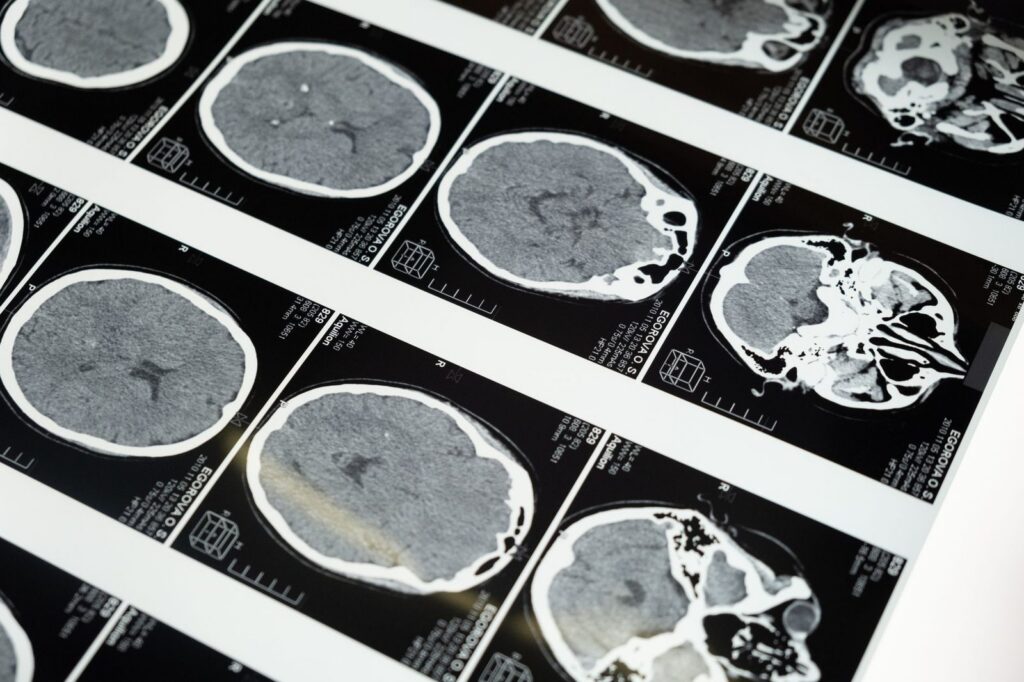
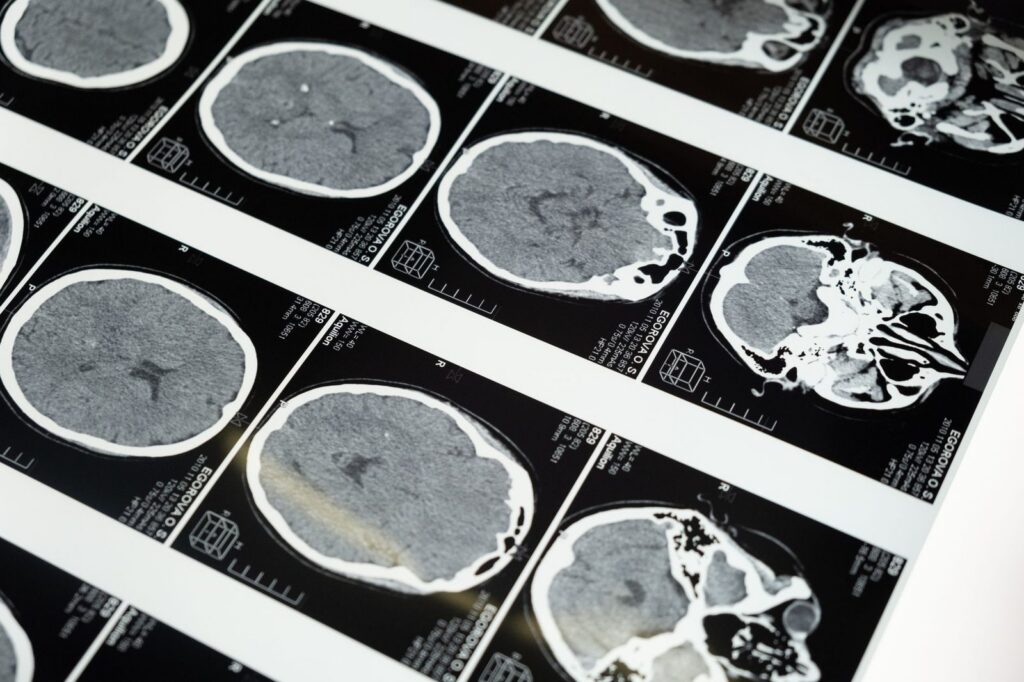
CT scans find one thing: bleeding, fractures, and large structural damage that needs emergency surgery. They are excellent at that job. But they cannot see the microscopic injury that happens in most traumatic brain injuries.
When your head is struck—in a truck crash, car collision, fall, or assault—your brain moves inside your skull. At the cellular level, nerve fibers tear (called diffuse axonal injury, or DAI). Brain tissue bruises. Neural connections that let you think, remember, and process information are disrupted. None of this shows up on a CT scan.
According to the American Society of Neuroradiology, CT scans are typically normal in patients with mild to moderate TBI, including concussion. The National Institutes of Health notes that diffuse axonal injury—the hallmark of many brain injuries—is often not visible on conventional CT or even standard MRI.
A normal scan is reassuring for ruling out life-threatening bleeding or skull fractures. But the absence of these findings does not mean your brain was not injured.
Military service members with documented, disabling brain injuries from blast exposure often have normal CT scans. Professional athletes with repeated concussions have normal scans. Ordinary people with real, lasting cognitive and physical symptoms have normal scans. The injury is real. The imaging just cannot see it.
What Your CT Scan Is Actually Looking For
When you arrive at an emergency room after a head injury, the CT scan searches for specific, acute threats that need immediate treatment:
- Epidural, subdural, or subarachnomial hemorrhage (bleeding between the brain and skull, or within brain tissue)
- Skull fractures
- Brain contusions (visible bruising of brain tissue)
- Cerebral edema (swelling of the brain)
- Shift of brain structures (a sign of dangerous pressure inside the skull)
CT is excellent at detecting these emergencies. A normal CT tells you only that these specific injuries are not present. It does not tell you whether your brain was injured in other ways—at the cellular level, in ways that will affect how you think, remember, and function for months or years.
When Symptoms Persist: Advanced Imaging That Reveals Injury
If your symptoms persist weeks or months after the injury, advanced imaging can often reveal damage that a standard CT scan missed.
MRI (magnetic resonance imaging) detects smaller areas of injury, tiny bleeding, and diffuse axonal injury that CT cannot see. MRI shows injury in the brain’s white matter, where many nerve fibers are located.
Diffusion tensor imaging (DTI), a specialized form of MRI, maps the brain’s white-matter tracts in detail. It shows disrupted nerve connections and fiber damage that standard MRI may miss.
Functional MRI (fMRI) shows which brain regions are active during specific tasks. It reveals dysfunction in how your brain is working even when its structure looks normal on a standard scan.
PET scans detect metabolic abnormalities in brain tissue—areas where the brain is not using energy the way it should—suggesting injury.
These advanced studies are not routine after every head injury. But they can be critical evidence when your symptoms persist despite a normal CT. A neurologist or neurosurgeon may recommend them if your symptoms warrant further investigation. In a claim, this imaging can be powerful proof that your injury is real.
Neuropsychological Testing: The Gold Standard for Proving Brain Injury
If one test carries the most weight in proving a brain injury, it is neuropsychological testing.
A neuropsychologist—a specialist trained in brain function and behavior—administers a comprehensive battery of standardized tests. These measure memory, attention, processing speed, executive function (planning, organizing, decision-making), language, and other cognitive abilities.
The tests are objective and scored against normative data. Your performance is compared to what is expected for someone your age and education level.
The results show measurable deficits that correlate directly with brain injury. Testing is often done weeks or months after the injury, capturing the real-world impact on how you think, remember, and function in daily life.
In court or settlement negotiations, neuropsychological evidence carries significant weight because it is based on validated science and is difficult to dispute. Insurance companies and defense attorneys take it seriously. Unlike a CT scan, which shows structure, neuropsych testing shows function—and function is what matters in proving that a brain injury affects your life.
Proving Brain Injury: Before-and-After Testimony From People Who Know You
Some of the most powerful evidence of a brain injury is testimony from family, friends, coworkers, or supervisors about changes they have observed in you since the injury. Specific examples are most persuasive:
- “Before the crash, he managed the whole project and remembered every detail. Now he can’t remember meetings from yesterday.”
- “She was always organized and on top of everything. Now she can’t keep track of her own schedule or remember appointments I told her about.”
- “Before the accident, he was easygoing. Now he gets angry over small things. His personality has changed.”
- “She used to work full-time and manage the household. Now she needs to rest most afternoons and can’t do both.”
These observations are powerful because they come from people who knew you before the injury. They describe real changes in your behavior, memory, mood, and ability to function. A jury or claims adjuster can relate to this kind of testimony. It is concrete, specific, and believable in a way that medical jargon often is not.
Not sure what your next step is?
Talk it through with our team — the first consultation is free, confidential, and carries no obligation.
Building Your Record: Documentation You Can Start Right Now
You do not have to wait for a lawyer to gather evidence. You can start documenting your injury today, and this record will strengthen your position.
Keep a symptom journal. Write down what you are experiencing, when it happens, and how it affects your day. Include:
- Cognitive symptoms: memory loss, difficulty concentrating, confusion, trouble finding words, slow processing, difficulty with multitasking, getting lost in familiar places.
- Physical symptoms: headaches (location, intensity, frequency), dizziness, balance problems, sensitivity to light or sound, fatigue, sleep disturbance, nausea.
- Emotional or behavioral changes: irritability, mood swings, anxiety, depression, personality changes, impulsivity, withdrawal from social activities, crying spells.
Preserve medical records. Collect and keep copies of all medical records from the time of injury forward: emergency room notes, imaging reports, follow-up visit summaries, prescriptions, therapy notes, and any specialist evaluations.
Document changes in your daily life. If you had to take time off work, if your job performance changed, if you needed accommodations at school or work, if you had to stop activities you enjoyed—keep records. Emails to your employer, school records, or messages to family documenting these changes are all evidence.
Ask people close to you to document changes. A text message from your spouse saying “You’ve been so forgetful lately, you never used to be like this” or an email from a coworker noting changes in your work is evidence. These contemporaneous observations are valuable.
Preserve social media and other records from before the injury. Posts, photos, and messages from before the accident show what you were like then. The contrast with your current state is powerful evidence.
Symptom persistence or worsening over weeks or months is a red flag that the injury is real and not just a minor concussion that will resolve on its own. This documentation becomes the foundation of your case.
Delayed Detection: Brain Injuries Diagnosed Months or Years Later
Not all brain injuries are caught immediately. Some people do not seek medical care right after an injury. Others experience delayed symptom onset—symptoms develop or worsen over time. Still others have symptoms that are not recognized as brain-injury-related until much later.
A person might have a fall at home and hit their head but not go to the hospital. Weeks later, they notice they are more forgetful, more irritable, or more fatigued than before. They see a doctor, who orders an MRI or refers them to a neurologist. Neuropsychological testing reveals cognitive deficits consistent with brain injury.
The question then becomes: Can this injury be connected to the fall that happened weeks or months ago?
The answer is yes—but it requires strong corroborating evidence. Medical records from the time of injury (even if they do not mention brain injury specifically), witness statements about the accident, and documentation of symptom changes create a timeline. If you were injured in an accident and are now experiencing cognitive or neurological symptoms—even if months or years have passed—it is worth discussing with a medical professional and an attorney who handles brain injury claims.
The longer the delay, the more important it is to have strong evidence: records from the time of the accident, witness statements, and documentation of when symptoms appeared or worsened. But delayed diagnosis does not disqualify a claim. It just means the evidence needs to be more carefully assembled.
Concussion vs. Mild TBI: What the Labels Mean—and Why They Matter Less Than Your Outcome
Concussion and mild TBI are often used interchangeably, and the distinction can be confusing. Concussion is a type of TBI caused by a blow or jolt that changes how the brain works. Even a “mild” TBI can cause lasting disability.
The term “mild” refers to the initial severity—typically defined as loss of consciousness lasting less than 30 minutes, or an initial Glasgow Coma Scale score of 13–15. It does not describe the long-term outcome. Many people recover fully from a single concussion within weeks. Others develop post-concussion syndrome with symptoms lasting months or years. Some people with multiple concussions or pre-existing conditions experience cumulative effects.
In a claim, the label matters less than your outcome. If you are still suffering—still experiencing memory problems, headaches, mood changes, or difficulty working—that is what matters. Your symptoms and their impact on your life determine the value of your claim and what you deserve in compensation.
What Permanent Brain Damage Looks Like
Permanent brain damage can manifest as:
- Ongoing cognitive deficits: persistent memory problems, difficulty concentrating, slow processing, trouble with planning or organization.
- Chronic headaches: frequent or constant headaches that do not respond to standard treatment.
- Balance or coordination problems: dizziness, vertigo, clumsiness, or difficulty with fine motor tasks.
- Mood or personality changes: persistent irritability, anxiety, depression, or changes in how you relate to others.
- Fatigue: exhaustion that does not improve with rest.
- Sensitivity to light or sound: ongoing difficulty in bright or noisy environments.
Permanence is determined by neuropsychological testing, imaging, and medical evaluation over time—usually at least 12–18 months post-injury. Some people recover fully; others plateau with residual symptoms that require ongoing management or accommodation. Permanent symptoms often require lifestyle adjustments, ongoing therapy, medication, vocational retraining, or modifications to your home or workplace.
In a claim, permanent injury justifies higher compensation because it affects earning capacity, quality of life, and future medical needs. If your symptoms have not improved after 12–18 months of treatment, that is strong evidence of permanence.
How Insurance Companies Argue Against Brain Injury Claims—And How Evidence Overcomes These Arguments
Insurance companies often use predictable arguments to deny or minimize brain injury claims. Understanding these arguments and the evidence that counters them is essential.
Argument: “Your CT scan is normal, so there is no brain injury.”
This argument ignores the science. According to Mayo Clinic, normal imaging does not rule out TBI. Advanced imaging, neuropsychological testing, and medical evidence counter this argument by showing that injury exists even when CT is normal.
Argument: “Your symptoms are psychological or exaggerated.”
Neuropsychological testing and medical evidence counter this by providing objective data. A neuropsychologist’s report showing measurable cognitive deficits is difficult to dismiss as psychological.
Argument: “You’re not following treatment recommendations or you’re malingering.”
Medical records documenting your compliance with treatment, specialist testimony, and ongoing documentation of your condition rebut this. If you are actively engaged in therapy, taking prescribed medication, and still experiencing symptoms, that shows the injury is real.
Argument: “Your symptoms are due to pre-existing conditions or other causes.”
A thorough medical history and expert analysis address this. If you had no cognitive or neurological symptoms before the accident, and you developed them after, the timeline and medical evidence support causation.
In the catastrophic-injury cases our attorneys handle, building a strong case with advanced imaging, neuropsychological testing, medical records, and witness testimony makes these insurance arguments much harder to sustain.
Have questions about what happened?
Ask our team directly. The first conversation is free, confidential, and there is no obligation to continue.
Building a Complete Case: The Evidence That Works Together
A successful TBI claim rests on multiple types of evidence working together, not on imaging alone.
Medical records from the time of injury, emergency room notes, and follow-up visits establish that a head injury occurred and symptoms were reported.
Neuropsychological testing provides objective, measurable proof of cognitive deficits and their severity.
Testimony from people who know you—family, friends, coworkers, supervisors—shows real-world impact and specific changes in your function and behavior.
Advanced imaging (MRI, DTI, fMRI) can reveal injury when CT is normal and provides visual evidence of damage.
Expert medical testimony from neurologists, neurosurgeons, neuropsychologists, or other specialists explains the injury, its cause, and its likely permanence.
Documentation of ongoing treatment, therapy, medication, or accommodations shows the injury is real and ongoing.
Your own documentation—symptom journal, records of changes in work or school performance, preserved communications—shows the injury’s real-world impact.
Together, this evidence tells a coherent story that a jury or claims adjuster can understand and believe. Each piece reinforces the others. A normal CT scan becomes irrelevant when you have neuropsychological testing showing deficits, medical records documenting symptoms, family testimony about changes, and your own documentation of ongoing struggles.
Key Takeaways
- A normal CT scan does not rule out a real, disabling brain injury.
- Many TBIs are invisible on standard imaging but show up on advanced imaging or neuropsychological testing.
- Neuropsychological testing is the gold standard for proving brain injury because it provides objective, measurable evidence.
- Before-and-after testimony from people who know you is powerful and often decisive.
- You can start documenting your injury right now—keep a symptom journal, preserve medical records, and ask people close to you to note changes they observe.
- Brain injuries diagnosed months or years after an accident can still be proven with strong corroborating evidence.
- If you are experiencing ongoing symptoms after a head injury, even with a normal CT scan, that injury deserves investigation and may support a claim.
Frequently Asked Questions
Why do I still have symptoms if my CT scan is normal?
Your brain can be injured at the cellular level—torn nerve fibers and disrupted connections—that CT scans cannot see. A normal scan rules out bleeding and fractures but not these microscopic injuries. These injuries are real and can cause lasting symptoms.
What is the best test to prove a brain injury?
Neuropsychological testing is the gold standard because it provides objective, measurable proof of cognitive deficits that correlate with brain injury and are difficult to dispute in court or settlement negotiations.
Can I prove a brain injury without advanced imaging?
Yes. Medical records, neuropsychological testing, before-and-after witness testimony, and your own documentation of symptoms can prove a brain injury without advanced imaging. Imaging strengthens the case when available, but it is not required.
How long after a head injury can symptoms appear?
Symptoms can appear immediately or develop over days, weeks, or even months. Some people experience delayed symptom onset or delayed recognition of changes in their function. This is why ongoing documentation is important.
Is a concussion the same as a mild TBI?
Concussion is a type of mild TBI. The terms are often used interchangeably, but “mild” refers to initial severity (loss of consciousness duration, Glasgow Coma Scale score), not outcome. Some people recover fully from a concussion; others have lasting symptoms.
If you’re experiencing ongoing symptoms after a head injury—even with a normal CT scan—and you’re unsure what comes next, reach out. Our team works with people in exactly this situation. Many people contact us during recovery or investigation, uncertain whether they have a claim or what evidence matters. We can help you understand whether your injury qualifies as catastrophic and what your next steps might be.
Contact us for a free case evaluation to discuss what happened and what evidence might support your situation.
Why Your Symptoms Matter
If you have persistent headaches, memory problems, balance issues, or other symptoms after a head injury, but your CT scan came back normal, you are not imagining it. A normal scan does not mean you are uninjured. Many brain injuries occur at the microscopic level—damage that standard imaging cannot detect.
How Brain Injuries Hide on Standard Imaging
What CT Scans Can See
CT imaging detects bleeding, skull fractures, and large structural damage. It is useful for ruling out these emergencies, but it captures only part of the picture.
What CT Scans Cannot See
Torn axons (nerve fibers), disrupted neural connections, and cellular-level damage do not show up on CT. These microscopic injuries are common in traumatic brain injury and can cause serious, long-lasting symptoms.
Why Symptoms Persist
Diffuse axonal injury (DAI) and other microscopic trauma can cause cognitive, physical, and emotional changes—memory loss, concentration problems, mood shifts, dizziness, and fatigue—even when CT and basic X-rays appear normal.
Other Tests Tell the Story
Advanced imaging (MRI, DTI), neuropsychological testing, and clinical evaluation by a neurologist can reveal injuries that CT misses and help document the extent of your harm.
Building Your Record After a Brain Injury
Medical Documentation
Seek evaluation by a neurologist or neurosurgeon. Detailed clinical notes, symptom tracking, and imaging beyond CT (MRI, functional MRI, DTI) create a medical record that reflects your actual injury.
Neuropsychological Testing
Formal cognitive and psychological testing by a qualified neuropsychologist can measure memory, attention, processing speed, and emotional function—objective evidence of injury that imaging alone cannot provide.
Expert Medical Review
Neurologists, neurosurgeons, and other medical specialists can review your imaging, clinical history, and test results to explain how your injury occurred and why your symptoms are consistent with brain trauma.
Accident Reconstruction & Causation
Understanding the force, impact, and mechanism of your injury helps connect the accident to your symptoms. Accident reconstruction experts and biomechanical specialists can analyze how the injury happened.
Common Questions About Brain Injury and Imaging
Why do I still have symptoms if my CT scan is normal?
Your brain can be injured at the cellular level—torn nerve fibers and disrupted connections—that CT scans cannot see. A normal scan rules out bleeding and fractures but not these microscopic injuries. These injuries are real and can cause lasting symptoms.
What tests are better than CT for finding a brain injury?
MRI, diffusion tensor imaging (DTI), functional MRI (fMRI), and PET scans can detect microscopic damage and abnormal brain activity. Neuropsychological testing measures cognitive and emotional changes. Clinical evaluation by a neurologist is essential.
How do I prove my brain injury happened in the accident?
Medical records showing your symptoms before and after the accident, imaging and testing results, expert medical opinions, and accident details all help establish the connection. An attorney can help gather and organize this evidence.
Should I see a neurologist even if my CT was normal?
Yes. A neurologist can perform a thorough clinical exam, order appropriate advanced imaging or testing, and document your symptoms and findings. This creates a strong medical foundation for your case.
You Don't Have to Prove This Alone
If you suffered a head injury in a truck crash, a fall at an unsafe property, a rideshare collision, or another accident, and you are experiencing ongoing symptoms—even with a normal CT scan—an attorney can help you understand your options and connect you with the medical professionals who can properly evaluate and document your injury.