


Rideshare Accident | Traumatic Brain Injury
Uber and Lyft Accident Brain Injury Lawyer
If you or a loved one suffered a traumatic brain injury in a rideshare crash, we investigate all liable parties and pursue your claim. Free case evaluation.
By CHG Lawyers · Published August 22, 2026
Rideshare Brain Injury Claims: Your Legal Rights After an Uber or Lyft Crash
If you were injured as a passenger in an Uber or Lyft crash and suffered a traumatic brain injury (TBI), you have legal rights. You may recover compensation from the at-fault driver, the rideshare company, or both. Brain injuries are catastrophic, permanent injuries. They often require lifelong medical care and rehabilitation. The law holds negligent parties responsible for those costs.
This guide explains what a rideshare brain injury claim covers. It walks you through how the legal process works. It helps you decide whether to move forward.
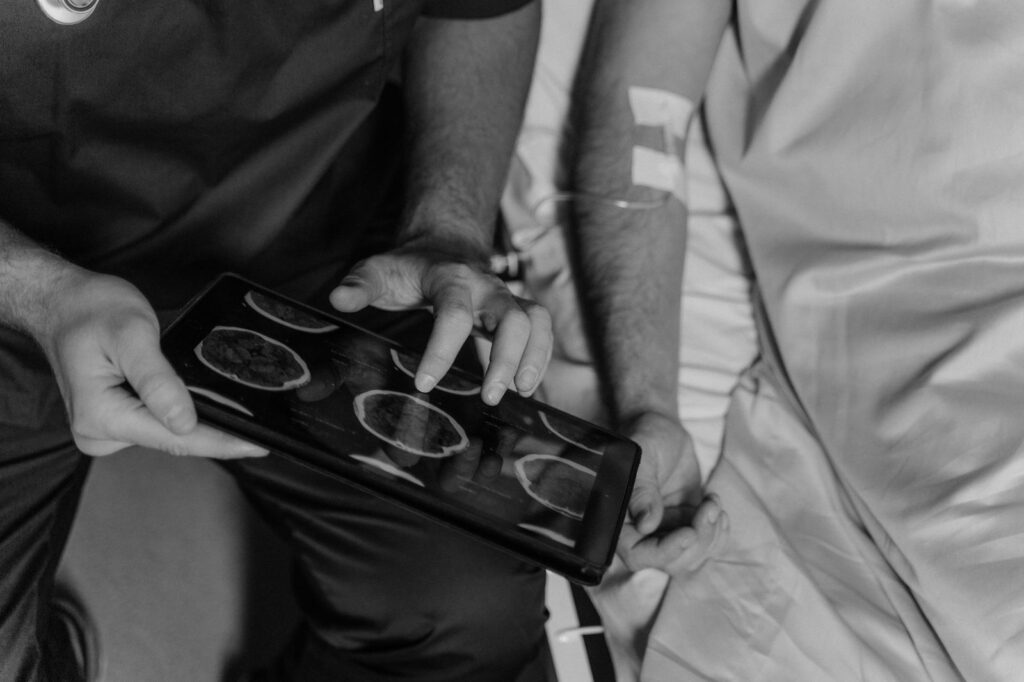
If you or a loved one suffered a traumatic brain injury in a rideshare crash, we investigate all liable parties and pursue your claim. Talk it through with our team — the first consultation is free, confidential, and carries no obligation.
What Is a Rideshare Brain Injury Claim?
A rideshare brain injury claim is a legal action for compensation. It applies when a passenger suffers a traumatic brain injury in an Uber or Lyft crash. The crash must be caused by driver negligence, reckless driving, mechanical failure, or unsafe conditions.
You—the injured passenger—or your family members can file a claim. This applies if the injury was fatal. You can file against the driver, the rideshare company, or both.
Brain injuries from rideshare crashes are catastrophic. They are permanent and often invisible. They frequently require years of medical care, cognitive rehabilitation, and adaptive support. A single crash can result in lifelong disability. It can cause lost earning capacity. It can bring profound changes to your quality of life.
Who This Is For
This information is for you if:
- You were a passenger in an Uber or Lyft vehicle involved in a crash
- You sustained a traumatic brain injury—concussion with ongoing symptoms, diffuse axonal injury, brain contusions, or other serious brain damage
- The crash was caused by driver error, reckless driving, distraction, impairment, or vehicle maintenance failure
- You face medical bills, lost income, cognitive or physical disabilities, or permanent life changes
- You want to understand your rights and whether you have a viable claim
What a Rideshare Brain Injury Claim Covers
Compensation in a rideshare brain injury claim includes:
Medical Expenses
Emergency care, hospitalization, CT and MRI imaging, neurology consultations, rehabilitation, physical therapy, occupational therapy, speech therapy, ongoing treatment, and future medical care related to your brain injury.
Lost Income
Wages you lost during recovery and ongoing disability. If your brain injury prevents you from returning to prior work or reduces earning capacity, you can recover compensation. This includes both past and future lost income.
Pain and Suffering
Compensation for physical pain, cognitive impairment, emotional distress, loss of enjoyment of life, and permanent disability caused by your brain injury.
Rehabilitation and Adaptive Equipment
Costs for specialized therapy, home modifications, assistive devices, or personal care attendants. These support your recovery and daily functioning.
Wrongful Death Damages
If a passenger died from brain injuries in the crash, the family may recover funeral costs, loss of financial support, and loss of companionship.
Punitive Damages
In cases of gross negligence or reckless conduct by the driver, the court may award additional damages. These punish the wrongdoer and deter similar conduct.
How Rideshare Liability Works
Understanding who is responsible for your injuries is critical to your claim.
Rideshare Driver Liability
Uber and Lyft drivers are independent contractors, not employees. However, the rideshare company may still be liable. This includes inadequate driver screening, failure to remove unsafe drivers, or negligent retention of drivers with violation histories.
Insurance Coverage
Rideshare companies carry commercial insurance that covers passenger injuries. Coverage limits vary based on driver status at crash time:
- Driver logged in but no ride accepted: Coverage is typically lower.
- Driver en route to pick up a passenger: Coverage increases.
- Driver actively transporting a passenger: Coverage is highest.
Third-Party Liability
If another vehicle caused the crash, that driver’s insurance may also be liable. We identify all liable parties and pursue recovery from each source.
Comparative Fault
Florida law allows you to recover compensation even if you share some responsibility for the accident. You must be less than 50% at fault under Fla. Stat. §768.81. Your recovery is reduced by your percentage of fault. For example: if you are 10% at fault and damages are $100,000, you recover $90,000.
The Rideshare Brain Injury Claim Process: What to Expect
Most rideshare brain injury claims follow a predictable process.
Step 1: Initial Consultation
We discuss your accident, injuries, medical records, and insurance details. We evaluate whether you have a viable claim. We explain your options. There is no cost or obligation.
Step 2: Investigation
We obtain police reports, crash data, driver records, vehicle maintenance logs, and witness statements. We may retain accident reconstruction experts. They establish liability and prove driver negligence.
Step 3: Medical Evaluation
We work with neurologists and specialists to document your brain injury severity. We establish your prognosis and long-term care needs. This medical evidence is your claim’s foundation.
Step 4: Demand and Negotiation
We prepare a detailed demand letter with medical evidence and damages calculations. We negotiate with the rideshare company’s insurance carrier. We work toward a fair settlement.
Step 5: Settlement or Litigation
If a fair settlement is reached, we finalize the agreement. You receive compensation. If not, we file a lawsuit and proceed to trial. We are prepared to litigate aggressively on your behalf.
Timeline
Most claims take 6–18 months to resolve. This depends on injury severity, case complexity, and whether litigation is necessary. We keep you informed at every stage.
If you suffered a traumatic brain injury as a passenger in an Uber or Lyft crash, you may have a claim for compensation. Talk it through with our team — the first consultation is free, confidential, and carries no obligation.
Why We Handle Rideshare Brain Injury Claims Differently
Catastrophic Injury Focus
We focus exclusively on severe, permanent injuries—including traumatic brain injuries—not routine or minor claims. We understand the long-term medical, financial, and personal impact of TBI. We build cases accordingly.
Rideshare-Specific Knowledge
We understand the unique liability issues, insurance coverage structures, and company policies that apply to rideshare accident crashes.
Medical Collaboration
We work with leading neurologists, neuropsychologists, life-care planners, and rehabilitation specialists. We build comprehensive, evidence-based cases. We accurately value your claim.
Nationwide Reach
Although based in Florida, we represent rideshare injury victims across the country. We understand how state laws and insurance regulations differ. We apply that knowledge to your case.
No Upfront Costs
We work on contingency—you pay nothing unless we recover compensation. You never pay out of pocket for investigation, medical records, expert reports, or litigation costs.
Common Questions About Rideshare Brain Injury Claims
Can I sue Uber or Lyft directly, or only the driver?
You can pursue claims against both the driver and the rideshare company, depending on circumstances. We investigate all potential sources of liability. We maximize your recovery.
What if another vehicle caused the crash?
You can still pursue a claim against the other driver’s insurance. We identify all liable parties. We pursue recovery from each source.
How much is my brain injury claim worth?
The value depends on injury severity, your age, prior earning capacity, permanent disability extent, and liability evidence strength. We provide a realistic estimate after thorough evaluation.
What if I was partially at fault?
Florida law allows recovery even if you share some responsibility. You must be 50% or less at fault (Fla. Stat. § 768.81(6)). Your recovery is reduced proportionally.
How long do I have to file a claim?
Florida law generally allows two years from the injury date to file a lawsuit under Fla. Stat. §95.11. Act quickly—evidence can be lost. Early investigation is critical.
Will my case go to trial?
We advise you on the best strategy for your situation.
What Makes a Strong Rideshare Brain Injury Claim
The strength of your claim depends on several factors:
- Clear liability: Evidence that the rideshare driver or another party was negligent or at fault
- Documented injury: Medical records, imaging, and specialist reports confirming traumatic brain injury and its severity
- Causation: Medical evidence linking the crash directly to your brain injury
- Damages: Documentation of medical expenses, lost income, rehabilitation costs, and ongoing care needs
- Credibility: Consistent medical treatment and testimony from qualified specialists
Related Resources
Learn more about catastrophic injury cases and your legal options. Explore how we handle traumatic brain injury compensation. Understand your rights in rideshare accident claims.

Not sure what your next step is?
Talk it through with our team — the first consultation is free, confidential, and carries no obligation.
Get Your Free Case Evaluation
If you suffered a traumatic brain injury as a passenger in an Uber or Lyft crash, you may have a claim for compensation. We offer a free, confidential consultation. We will review your accident, your injuries, and your rights. There is no obligation. We only move forward if we believe you have a strong claim. We can help you recover fair compensation.
Contact us now for your free case evaluation.
Why Choose CHG for Your Rideshare TBI Claim
We Focus Exclusively on Catastrophic Injuries
Our practice focuses exclusively on severe, life-altering injuries—including traumatic brain injuries. We understand the medical, financial, and emotional weight of a TBI diagnosis and build claims accordingly.
We Investigate All Liable Parties
In a rideshare crash, liability may rest with the driver, the rideshare company, another vehicle, or multiple parties. We conduct a thorough investigation to identify every source of recovery.
No Attorney’s Fees Unless There Is a Recovery
We work on contingency. You pay no attorney fees unless we recover compensation for you. We discuss case costs and expenses upfront.
National Reach, Florida-Based Firm
We represent clients nationwide in rideshare accident claims. Our Florida Bar–admitted attorneys bring deep knowledge of accident law and insurance recovery.
Understanding Rideshare TBI Claims
Can I Sue Uber or Lyft Directly?
Yes. You can pursue claims against the driver, the rideshare company, and any other liable party—such as the driver of another vehicle involved in the crash. We investigate all potential sources of liability to build the strongest claim.
What If Another Vehicle Caused the Crash?
You can still pursue a claim against the other driver's insurance. We identify all liable parties and their insurance coverage to ensure you recover from every available source.
What Damages Can I Recover?
A traumatic brain injury often requires ongoing medical care, rehabilitation, lost income, and long-term support. We pursue compensation for medical expenses, lost wages, pain and suffering, and other harms caused by the crash.
How Long Does a Rideshare TBI Claim Take?
Timeline depends on the severity of your injury, the complexity of liability, and whether the case settles or goes to trial. We keep you informed at every step and work toward fair resolution on your behalf.
Act Quickly After a Rideshare Accident
Evidence—dashcam footage, witness statements, vehicle data, and medical records—can disappear quickly. The sooner you contact us, the sooner we can preserve critical evidence and begin building your claim.