

Slip and Fall | Tampa
Slip and Fall on Public Property in Tampa: Know Your Rights
Government property is different. Sovereign immunity limits claims, but it doesn't eliminate them. Learn how to pursue compensation when a city, county, or state agency fails to maintain safe conditions.
By CHG Lawyers · Published October 03, 2026
Slip and Fall on Public Property in Tampa: Government Liability, Immunity, and How to File a Claim
You may have a claim against a government entity even though the property is publicly owned. But the rules are different from private-property slip-and-fall cases, and the procedures are stricter. Government agencies in Florida have legal protections called sovereign immunity. However, that protection has real limits when the government fails to maintain safe conditions or warn of known hazards.
This guide explains how public-property slip-and-fall claims work in Tampa and Florida, what you must prove, and the specific steps you need to take to protect your rights.
If you've slipped and fallen on public property in Tampa—a sidewalk, park, or government building—and you're unsure whether you have a claim or what to do next, reach out to discuss what happened; people in your situation contact us regularly. Talk it through with our team — the first consultation is free, confidential, and carries no obligation.
What Happens When You Slip and Fall on Public Property
A slip and fall on public property means you were injured on land or in a facility owned or operated by a government entity—a city, county, state, or federal agency. Common examples include:
- Sidewalks and public walkways
- Parks and recreational areas
- Government office buildings and courthouses
- Public libraries and community centers
- Public parking lots and garages
- Schools and public facilities
Public-property slip-and-fall claims differ from private-property claims in several important ways. The government entity has legal protections (called sovereign immunity) that private property owners don’t have. However, that immunity is not absolute. You may still recover damages if you can prove the government failed to keep the property reasonably safe.
Slip and falls on public property often result in serious injuries: broken bones (wrists, hips, ankles, legs), head injuries, traumatic brain injuries, spinal cord injuries, and soft-tissue damage. The severity of your injury and the strength of your evidence about the hazard will affect the value of your claim.
Government Immunity and How It Affects Your Claim
Sovereign immunity protects government entities from most lawsuits. But Florida law creates an exception for dangerous conditions on public property.
Sovereign immunity exists because the law traditionally held that “the king can do no wrong.” This principle was carried into U.S. law to protect government from endless litigation. However, Florida has limited this immunity in cases involving slip and falls and other premises-liability injuries.
Under Florida law, a government entity can be held liable for a slip and fall if:
- A dangerous condition existed on the property.
- The government entity knew or reasonably should have known about the condition.
- The government failed to fix the condition or warn people about it.
- You were injured as a result.
A “dangerous condition” is any defect or hazard that creates an unreasonable risk of injury. Examples include:
- A broken or cracked sidewalk
- A wet floor without a warning sign
- Debris, potholes, or uneven surfaces
- Poor lighting that obscures hazards
- Inadequate maintenance of stairs or railings
- Ice or snow left uncleared after a reasonable time
The key difference from private property is the notice requirement: the government must have had a reasonable opportunity to discover and fix the hazard, or to warn visitors about it. If the government had no way of knowing about the condition, liability is harder to establish. If the hazard was obvious and you should have seen it, the government may argue comparative fault—that you share responsibility.
Key Differences Between Public and Private Property Claims
Understanding how public-property claims differ from private ones is essential to protecting your rights.
Notice and Knowledge
On private property, the owner is responsible for knowing about hazards on their premises. On public property, the government must have had a reasonable opportunity to know about the condition. A broken sidewalk that has existed for months should have been discovered.
Duty of Care
Both private and government property owners must maintain their premises in a reasonably safe condition. However, government entities may argue that budget constraints or resource limitations affected their ability to repair hazards. Courts generally don’t accept this excuse, but it may be raised during settlement negotiations.
Comparative Fault
Florida follows modified comparative fault: if you are found more than 50% at fault for your own injury, you recover nothing. If you are 50% or less at fault, your damages are reduced by your percentage of fault. For example, if you were awarded $10,000 but found 20% at fault, you would recover $8,000. This applies to both public and private claims. Government attorneys often argue comparative fault more aggressively in public-property cases.
Damage Caps
Florida does not impose a blanket cap on damages in slip-and-fall cases, whether on public or private property. However, some government entities may have limits on their liability under state or local law. This is one reason it’s important to understand which government agency owns or operates the property.
Insurance and Claims Procedures
Government entities often self-insure—they pay claims from their own budgets rather than carry commercial liability insurance. This affects how and when claims are paid. Additionally, you must file a formal notice of claim with the government entity before you can sue. This requirement doesn’t apply to private-property claims.
How to File a Slip and Fall Claim Against a Government Entity in Tampa
Filing a claim against a government entity requires following specific procedures. Missing a deadline or failing to notify the right agency can cost you your right to recover.
Step 1: Report the Incident Immediately
Contact the government agency that owns or operates the property as soon as possible. If you fell on a city sidewalk, contact the City of Tampa. If it was a county park, contact Hillsborough County. Report the incident in person if you can, and ask for a written incident report. Get the name and contact information of the person who takes your report.
Step 2: Document Everything
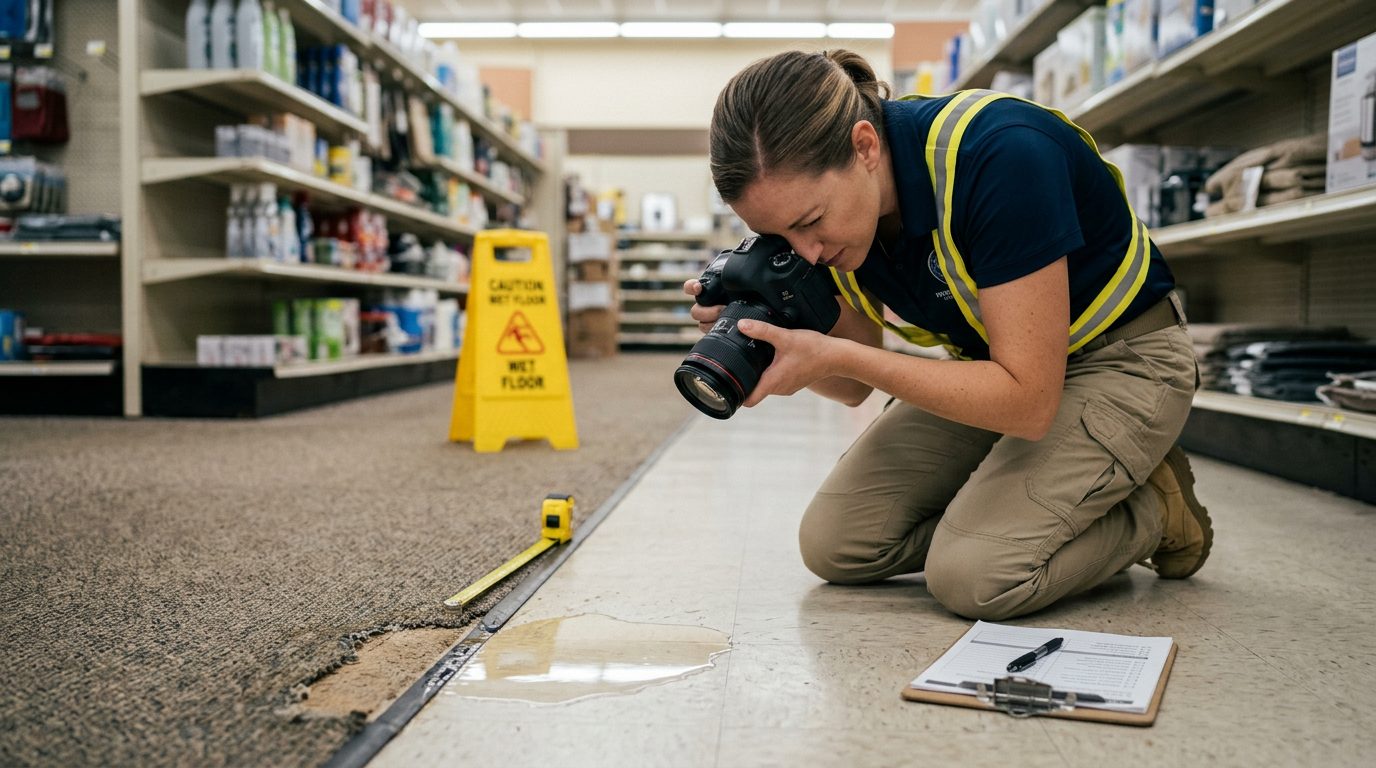
Photograph the hazard, the surrounding area, and your injuries. Collect names and phone numbers from anyone who witnessed the fall. Preserve your shoes and clothing if they were damaged. Keep all medical records, receipts, and documentation of lost wages. Take photos of your injuries over time as they heal or worsen.
Step 3: File a Notice of Claim
Before you can file a lawsuit against a government entity in Florida, you must file a written notice of claim. This notice must include:
- Your name and contact information
- A description of the incident and the property
- The date and time of the fall
- A description of your injuries
- The amount of damages you are claiming
- The government agency’s name and address
The notice must be filed within a specific timeframe—typically within three years, but some government entities have shorter deadlines. Check with the specific agency or consult with an attorney to confirm the deadline that applies to your case.
Step 4: Wait for the Government’s Response
Once you file a notice of claim, the government entity has time to investigate and respond. This process can take weeks or months. The government may deny the claim, offer a settlement, or request more information. Do not accept a settlement offer without understanding the full value of your claim.
Step 5: Negotiate or File a Lawsuit
If the government offers a fair settlement, you may accept it. If the offer is too low or the claim is denied, you can file a lawsuit. A lawsuit against a government entity must follow specific procedural rules and may take one to three years or longer to resolve.
What You Must Prove in a Public-Property Slip and Fall Case
To win a slip-and-fall claim against a government entity, you must establish four key elements:
1. A Dangerous Condition Existed
You must prove that a hazard—a broken sidewalk, wet floor, debris, poor lighting, or other defect—actually existed at the time of your fall. Photos, witness testimony, and the government’s own maintenance records can support this.
2. The Government Knew or Should Have Known
You must show that the government entity knew about the hazard or should have discovered it through reasonable inspection and maintenance. A broken sidewalk that has existed for months is easier to prove than a spill that occurred minutes before your fall.
3. The Government Failed to Fix or Warn
You must demonstrate that the government had a reasonable opportunity to repair the hazard or post a warning, and failed to do so. If the hazard was temporary and the government responded promptly, liability may not attach.
4. You Were Injured as a Result
You must connect your injury directly to the hazard. Medical records, doctor’s testimony, and your own account of the fall establish causation.
5. Your Damages
You must quantify your losses: medical bills, lost wages, pain and suffering, and any ongoing treatment or disability. Medical evidence is crucial. The more thorough your medical documentation, the stronger your damages claim.
Not sure what your next step is?
Talk it through with our team — the first consultation is free, confidential, and carries no obligation.
Common Injuries from Slip and Falls on Public Property
Slip-and-fall injuries on public property range from minor sprains to catastrophic, life-altering harm.
Broken Bones and Fractures
Broken wrists, hips, ankles, and legs are among the most common slip-and-fall injuries. Older adults are at higher risk of serious fractures. Recovery can take weeks to months and may require surgery, physical therapy, and ongoing care.
Head Injuries and Traumatic Brain Injury
A blow to the head during a fall can cause concussions, contusions, or more severe traumatic brain injuries (TBI). Symptoms may not appear immediately. They can include headaches, memory loss, confusion, balance problems, and cognitive changes. TBI can be permanent and life-altering.
Spinal Cord and Back Injuries
Falls that impact the spine can cause herniated discs, fractures, or spinal cord injury. Spinal cord injuries may result in partial or complete paralysis, loss of sensation, and permanent disability. These are among the most catastrophic outcomes of a slip and fall.
Soft-Tissue Injuries
Sprains, strains, and muscle tears may seem minor but can cause chronic pain and limit your ability to work or enjoy daily activities.
Why Medical Documentation Matters
In government liability cases, thorough medical documentation is essential. It proves the severity of your injury, supports your damages claim, and establishes the causal link between the fall and your harm. Seek medical attention immediately after a fall, even if you feel okay. Some injuries develop over hours or days.
What Is the Average Settlement Amount for a Slip and Fall in Florida?
Settlement amounts in Florida slip-and-fall cases vary widely based on injury severity, medical costs, lost income, and the strength of liability evidence.
No two cases are identical. A minor sprain might settle for a few thousand dollars. A serious fracture or head injury could be worth tens of thousands or more. A catastrophic spinal cord injury or permanent disability could result in a six-figure or seven-figure settlement.
Factors that affect settlement value include:
- Severity of injury: Permanent injuries are worth more than temporary ones.
- Medical expenses: Higher medical bills generally support higher settlements.
- Lost income: If you missed work or lost earning capacity, this increases your claim value.
- Age and life expectancy: Younger people with longer working lives may recover more for lost future earnings.
- Pain and suffering: Non-economic damages based on the impact of the injury on your quality of life.
- Strength of liability: Clear evidence that the government knew about the hazard and failed to fix it strengthens your negotiating position.
- Comparative fault: If you are found partially at fault, your recovery is reduced.
Government claims may settle differently than private claims. Government entities often have different insurance or self-insurance arrangements. They may be more or less willing to settle depending on their risk tolerance and budget.
How Long Does It Take to Settle a Slip and Fall Case in Florida?
Most slip-and-fall cases against government entities take six months to two years to resolve. The timeline depends on injury severity, medical treatment completion, and whether the case settles or goes to trial.
Timeline for Government Claims
- Weeks 1–2: Report the incident and seek medical attention.
- Weeks 2–4: Document the scene and gather evidence; file a notice of claim with the government entity.
- Weeks 4–12: The government investigates and responds to your claim.
- Months 3–6: Negotiation and settlement discussions.
- Months 6–12+: If no settlement, file a lawsuit and proceed through discovery (exchange of evidence).
- Year 1–3: Continued litigation, depositions, and trial preparation.
- Trial or Final Settlement: Case resolves at trial or through final settlement negotiation.
Factors That Speed Up or Delay Resolution
- Medical treatment completion: Your case cannot fully settle until you’ve finished treatment or reached maximum medical improvement.
- Liability clarity: Clear evidence of a dangerous condition and the government’s knowledge speeds settlement.
- Injury severity: Minor injuries settle faster; catastrophic injuries require more investigation and negotiation.
- Government cooperation: Some agencies respond quickly; others are slower.
- Dispute over comparative fault: Disagreement about your share of responsibility can delay settlement.
How Much Can You Sue for Pain and Suffering in Florida?
Pain and suffering damages in Florida slip-and-fall cases are non-economic damages calculated based on injury severity, medical evidence, and impact on your quality of life. There is no fixed limit.
Pain and suffering includes:
- Physical pain and discomfort during recovery
- Emotional distress, anxiety, and depression
- Loss of enjoyment of life and daily activities
- Permanent scarring or disfigurement
- Chronic pain or disability
- Loss of consortium (impact on your relationship with a spouse or family)
How Florida Courts Calculate Pain and Suffering
Florida courts do not use a formula. Instead, judges and juries consider:
- The nature and severity of your injury
- The duration of pain and recovery
- Medical evidence of your suffering (doctor’s notes, treatment records, testimony)
- Your age and life expectancy
- The impact on your ability to work, exercise, or engage in hobbies
- Expert testimony about long-term effects
Caps and Limits
Florida does not impose a statutory cap on pain-and-suffering damages in slip-and-fall cases. However, some government entities may have limits on total liability under state or local law. This is another reason to understand which agency is responsible for the property.
Common Mistakes to Avoid After a Slip and Fall on Public Property
Failing to Report the Incident
Report the fall to the government agency immediately. Delay weakens your credibility and may cause the agency to argue they had no notice of the hazard.
Not Seeking Medical Attention
Even if you feel okay, see a doctor. Some injuries develop over hours or days. Medical records are crucial evidence of your injury and damages.
Posting on Social Media
Do not post about your fall, your injuries, or your claim on social media. The government’s insurance company will review your posts and may use them to argue you are not as injured as you claim.
Giving a Recorded Statement Without Legal Advice
If the government asks you to give a recorded statement, consult an attorney first. Your words can be used against you.
Missing Statutory Deadlines
Florida law imposes a two-year deadline to file a lawsuit for personal-injury claims that arose on or after March 24, 2023. Additionally, you must file a notice of claim with the government entity before filing a lawsuit. Missing either deadline can cost you your right to recover.
Accepting the First Settlement Offer
Government entities often make low initial offers. Do not accept without understanding the full value of your claim, your long-term medical needs, and your lost earning capacity.
If you've slipped and fallen on public property in Tampa—a sidewalk, park, or government building—and you're unsure whether you have a claim or what to do next, reach out to discuss what happened; people in your situation contact us regularly. Talk it through with our team — the first consultation is free, confidential, and carries no obligation.
What to Do Next If You’ve Slipped and Fallen on Public Property
If you’ve slipped and fallen on public property in Tampa or elsewhere in Florida, take these steps:
- Gather evidence: Photograph the hazard, your injuries, and the surrounding area. Collect witness names and phone numbers.
- Seek medical attention: See a doctor and keep all medical records.
- Report to the government agency: Contact the city, county, or state agency that owns or operates the property.
- Preserve documentation: Keep receipts for medical bills, lost wages, and other expenses.
- Understand the deadlines: Know the notice-of-claim deadline and the two-year statute of limitations for filing a lawsuit.
- Consider legal guidance: Government liability cases involve complex rules and procedures. An attorney can help you navigate the process and protect your rights.
If you’ve slipped and fallen on public property in Tampa and are unsure whether you have a claim or what steps to take, reach out to discuss your situation. People in your circumstances contact us regularly to understand their options and next steps.
Critical: Strict Deadlines Apply
Claims against government entities in Florida follow different rules and shorter timelines than private-property cases. Notice requirements and filing deadlines are strict. Acting quickly is essential—delay can cost you your claim.
How Public-Property Claims Work
Sovereign Immunity Has Limits
Government agencies have legal protections, but they don't apply when the agency knew of a hazard, failed to warn you, or neglected maintenance. You may still have a valid claim.
Notice Requirements Are Strict
Before filing a lawsuit against a government entity, you must send written notice within a short window. Missing this step can bar your entire claim.
Different Rules Than Private Property
Public-property slip-and-fall cases follow Florida's Tort Claims Act. The procedures, timelines, and liability standards differ significantly from claims against private owners or businesses.
Liability Depends on Agency Knowledge
The government is liable only if it knew (or should have known) about the dangerous condition and failed to fix it or warn you. Proving this requires evidence and investigation.
Why You Need an Attorney for a Public-Property Claim
Notice Requirements Are Non-Negotiable
The law requires specific written notice to the government agency within strict deadlines. An attorney ensures compliance and protects your claim from dismissal.
Sovereign Immunity Defenses Are Complex
Government agencies will assert immunity. An attorney knows which exceptions apply to your situation and how to overcome these defenses.
Time Is Your Enemy
Public-property claims move fast and have narrow windows for action. Delay in filing notice or suit can eliminate your right to recover.
Evidence Gathering Is Critical
You must prove the agency knew of the hazard. An attorney investigates maintenance records, prior complaints, and incident reports to build your case.
We Handle the Complexity
CHG Personal Injury Lawyers focuses exclusively on injury claims. We manage all procedural requirements so you can focus on recovery.