

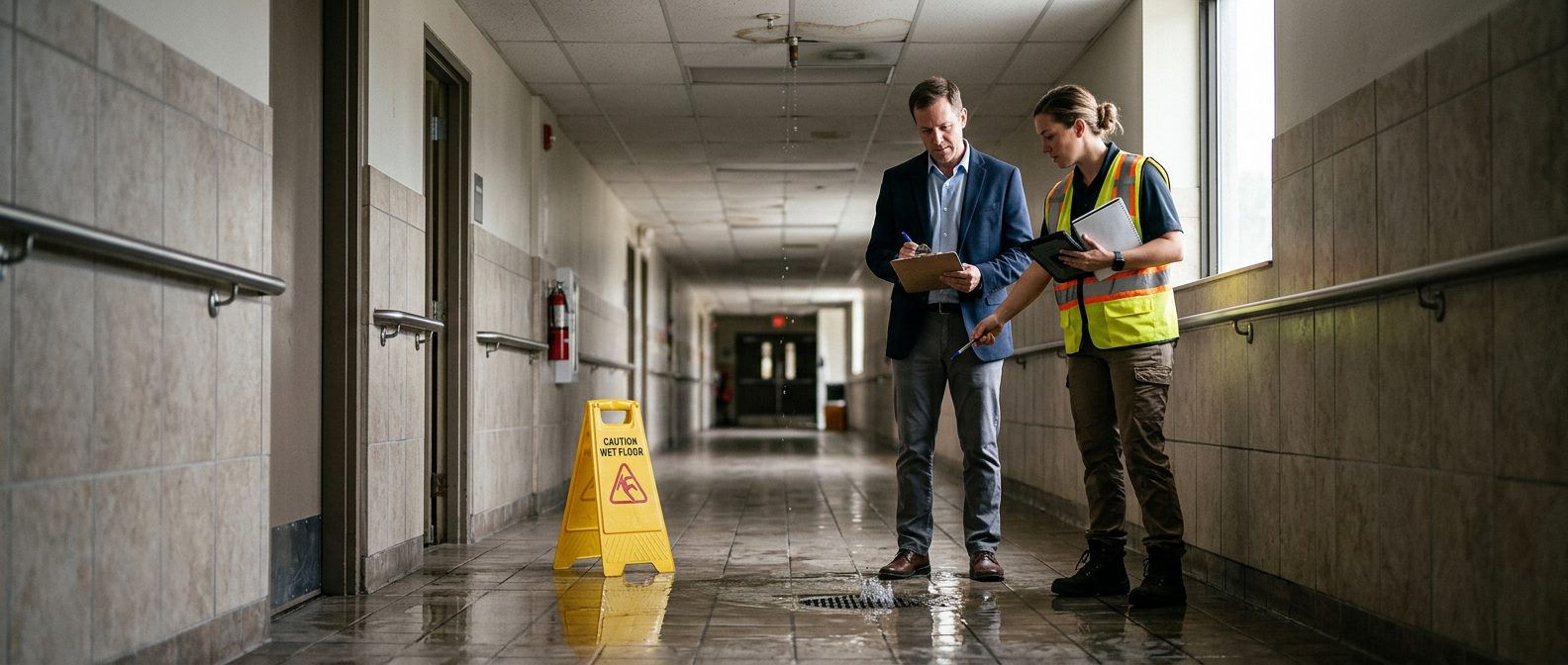
Slip and Fall Claims
What Is Your Slip and Fall Claim Worth in Florida?
Understanding compensation for injuries caused by unsafe property conditions.
By CHG Lawyers · Published September 28, 2026
Slip and Fall Compensation Amounts in Florida: What Your Claim May Be Worth
When you slip and fall on someone else’s property in Florida and get hurt, you may be entitled to compensation. This money covers medical bills, lost income, pain, and other damages. The amount depends on how serious your injury is, how strong your evidence is, and other specific facts.

Not sure what your next step is?
Talk it through with our team — the first consultation is free, confidential, and carries no obligation.
What Slip and Fall Compensation Covers
Slip and fall compensation aims to make you whole. It covers all costs and losses caused by your injury:
- Medical expenses: emergency care, hospital stays, surgery, ongoing treatment, physical therapy, and assistive devices.
- Lost wages: income you missed while recovering, plus reduced earning capacity if the injury prevents you from returning to work.
- Pain and suffering: compensation for physical pain, emotional distress, anxiety, and loss of enjoyment of life.
- Permanent disability or disfigurement: lasting impairment or visible scarring from the fall.
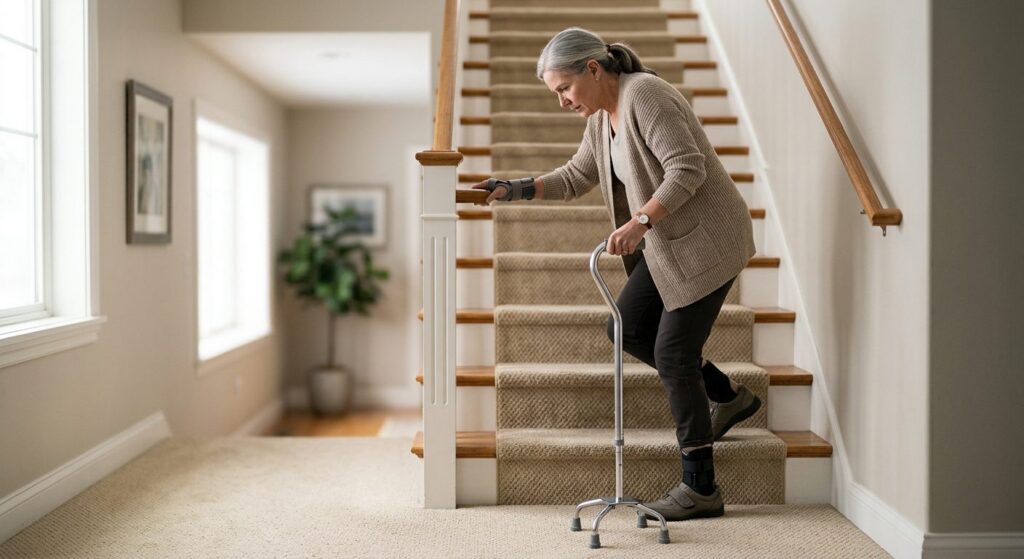
- Home modifications and long-term care: accessibility upgrades, in-home nursing, or assisted living for severe injuries.
Compensation restores you to your position before the fall. It is not meant to punish the property owner.
How Are Slip and Fall Compensation Amounts Determined?
Settlement amounts are based on several factors. Each one strengthens or weakens your claim.
Injury Severity
The worse your injury, the higher the compensation. A minor sprain settles for far less than a fractured spine or head injury.
Medical Evidence
Your medical records, doctor’s notes, imaging (X-rays, MRIs), and treatment history prove the injury. They show how serious it is.
Liability and Fault
The property owner is liable if they knew—or should have known—about the hazard. They must have failed to fix it, warn you, or maintain safe conditions. Security footage, witness statements, and maintenance records strengthen your case.
Property Owner’s Insurance and Assets
The defendant’s insurance coverage limits what you can recover. A business with robust coverage can pay more than a small property owner with minimal insurance.
Lost Income Documentation
Pay stubs, tax returns, and employer statements proving lost wages increase your settlement.
Age and Earning Capacity
Younger injured persons often recover more. They have more years of lost earning potential ahead.
Pre-Existing Conditions
If you had prior back problems and the fall made them worse, that’s still recoverable. The property owner isn’t responsible for your baseline condition—only the worsening.
Comparative Negligence
Under Fla. Stat. §768.81, if you were partially at fault, your recovery is reduced by your percentage of fault. If you’re more than 50% at fault, you recover nothing.
Typical Slip and Fall Settlement Ranges in Florida
Settlement amounts vary widely based on injury type and circumstances:
| Injury Type | Typical Range |
|---|---|
| Minor injuries (sprains, minor fractures) | $1,000–$10,000 |
| Moderate injuries (significant fractures, extended treatment) | $10,000–$50,000 |
| Serious injuries (multiple fractures, surgery, substantial lost wages) | $50,000–$250,000+ |
| Severe or catastrophic injuries (permanent disability, spinal cord damage, traumatic brain injury) | $250,000–$1,000,000+ |
Important: These ranges reflect typical slip and fall compensation amounts based on real cases. Every claim is unique. Your actual settlement depends on specific facts, evidence, and jurisdiction.
What Is a Good Settlement Offer?
A good offer covers all your documented damages plus reasonable pain and suffering. Here’s how to evaluate one:
- Add up your actual losses: medical bills, lost wages, and prescription costs.
- Apply a pain-and-suffering multiplier: typically 1.5 to 5 times your medical costs, depending on severity.
- Consider liability strength: if negligence is clear and injury well-documented, demand a higher offer.
- Factor in litigation costs and time: settling now may be better than fighting for years.
- Never sign without understanding what you’re giving up: a release ends your right to sue.
Is It Worth Suing for a Slip and Fall?
Yes, if:
- The property owner was negligent in maintaining safe conditions or warning of hazards.
- Your injury required medical treatment or caused lost income.
- You have evidence supporting negligence (photos, witness statements, maintenance records, security footage).
- Your damages exceed the cost and time of pursuing the claim.
Even “minor” injuries that cause lasting effects on your work or daily life can justify a claim. Most personal injury attorneys work on contingency. You pay nothing upfront, so financial risk is low.
Have questions about what happened?
Ask our team directly. The first conversation is free, confidential, and there is no obligation to continue.
Key Factors That Increase Slip and Fall Compensation Amounts
Settlements are higher when:
- Clear negligence is proven: security camera footage, witness statements, or maintenance records showing the owner knew about the hazard.
- Injury is severe or permanent: surgery, hospitalization, ongoing treatment, or permanent disability.
- Medical costs are high: documented expenses for specialists, rehabilitation, assistive devices, or long-term care.
- Lost income is substantial: significant wages lost or reduced earning capacity.
- The injured person is young: more years of lost earning potential.
- The property owner knew about the hazard: prior complaints, maintenance requests, or inspection reports strengthen the claim.
- Building codes were violated: evidence that the property violated safety standards.
Real-World Florida Slip and Fall Examples
These illustrative cases show how injuries and circumstances affect slip and fall compensation amounts:
- Grocery store slip on unmarked wet floor, fractured ankle, 6 weeks lost work: typically $35,000–$60,000.
- Fall in apartment complex stairwell due to broken handrail, fractured hip, surgery, ongoing physical therapy: typically $150,000–$300,000.
- Slip on ice in parking lot, head injury, concussion, ongoing headaches: typically $40,000–$100,000.
- Fall in hotel bathroom due to missing grab bar, spinal injury, permanent partial disability: typically $250,000–$500,000+.
Note: These are illustrative only. Actual amounts depend on specific facts, medical evidence, and jurisdiction.
How Long Does a Slip and Fall Settlement Take?
Timeline varies by case complexity:
- Simple cases (clear liability, minor injury): 3–6 months.
- Moderate cases (documented injury, some dispute): 6–12 months.
- Complex cases (severe injury, ongoing treatment, disputed liability): 1–3 years.
The process includes investigation, medical treatment completion, demand letter, negotiation, and settlement or trial. Settling before trial is usually faster and less costly.
How to Maximize Your Slip and Fall Compensation Amounts
Take these steps now to strengthen your claim:
- Seek medical attention immediately, even if you feel okay. Some injuries appear days later.
- Document everything: photos of the hazard, the scene, your injuries. Keep all medical records and receipts.
- Report the incident in writing to the property owner or manager. Request a copy of the incident report.
- Gather witness contact information and statements while memories are fresh.
- Keep a journal of your pain, limitations, lost work, and how the injury affects daily life.
- Follow all medical advice and complete recommended treatment. Gaps in treatment weaken your claim.
- Avoid social media posts about the incident. Insurers monitor these.
- Don’t accept a quick settlement offer without understanding your full damages.
- Consult an attorney before signing any release or settlement agreement.
Want to know where you stand?
Tell us what happened and our team will walk you through the options available to you, at no cost.
What Happens If You’re Partially at Fault?
Florida’s comparative negligence law allows you to recover even if you were partially responsible for the fall. Your recovery is reduced by your percentage of fault. For example, if you’re found 20% at fault, you recover 80% of your damages. However, if you’re found more than 50% at fault, you cannot recover anything. This is why evidence of the property owner’s negligence is critical.
Frequently Asked Questions
Do I need a lawyer for a slip and fall claim?
Not legally required, but an attorney can help you understand your rights, gather evidence, negotiate with insurers, and maximize your recovery.
What if the property owner says I was careless?
Florida’s comparative negligence law still allows recovery. The question is whether the owner was also negligent in maintaining the property.
Can I sue a business if I was a customer?
Yes. Businesses have a legal duty to keep their premises safe for customers. If they failed and you were injured, you may have a claim.
What if I signed a waiver before entering the property?
Waivers may not protect a property owner from liability for negligence. An attorney can review whether it applies to your situation.
How much does it cost to hire a slip and fall attorney?
Most personal injury attorneys work on contingency. They take a percentage of your settlement or award, and you pay nothing upfront.
What is the statute of limitations for a slip and fall claim in Florida?
You have 2 years from the date of the fall to file a lawsuit. After that, your claim is barred.
Why Consult a Florida Slip and Fall Attorney
An attorney focuses exclusively on cases like yours and can:
- Investigate the property owner’s negligence and gather evidence (maintenance records, prior complaints, security footage).
- Calculate your full damages, including costs you may not have considered (future medical care, lost earning capacity).
- Handle all communication with the property owner’s insurance company, protecting your rights.
- Understand how courts in your area typically value slip and fall claims.
- Negotiate a fair settlement or take your case to trial if necessary.
- Charge nothing upfront. The attorney’s fee comes from your recovery.
Learn more about how to document your injury and property owner liability to strengthen your claim.
If you’ve been injured in a slip and fall and you’re trying to understand what your claim might be worth, our team can review the details of your case at no cost. People in your situation reach out regularly, and we’re here to help you understand your options.
Get a free case evaluation or contact our Florida slip and fall lawyers today.
Factors That Affect Your Compensation
Medical Costs
Emergency care, hospital stays, surgery, physical therapy, and ongoing treatment—all documented expenses are recoverable.
Lost Wages and Income
Time away from work during recovery, reduced earning capacity if your injury limits future employment.
Pain and Suffering
Compensation for physical pain, emotional distress, and reduced quality of life caused by your injury.
Property Owner Negligence
Whether the owner knew or should have known about the hazard, and whether they failed to fix it or warn you.
Florida's Comparative Negligence Rule
Even if you were partly at fault for your fall, Florida law may still allow you to recover damages. What matters is whether the property owner was also negligent in maintaining safe conditions or warning of known hazards.
How CHG Personal Injury Lawyers Helps
We Handle the Legal Work
Gathering evidence, documenting your injuries, and negotiating with property owners and their insurers so you can focus on recovery.
Building Your Case
We review incident reports, medical records, witness statements, and property maintenance logs to establish what went wrong.
Plain-Language Guidance
We explain your rights and options in straightforward terms, never legal jargon, so you understand every step.
No Fees Unless There Is a Recovery
We work on contingency—you pay attorney fees only if we recover compensation for you.
Common Questions About Slip and Fall Claims
Do I need a lawyer?
Not legally required, but an attorney can help you understand your rights, gather evidence, negotiate with insurers, and pursue fair compensation.
What if I was partly careless?
Florida's comparative negligence law still allows recovery if the property owner was also negligent. The key is whether they failed to maintain safe conditions or warn of hazards.
How long do I have to file?
Time limits apply to slip and fall claims. Contact us promptly so we can review your situation and protect your rights.
What counts as a hazard?
Wet floors, broken stairs, poor lighting, torn carpet, debris, icy walkways, and other conditions that create an unreasonable risk of injury—especially if the owner knew or should have known about them.
Ready to Discuss Your Slip and Fall Injury?
Related practice areas
- Slip and Fall Attorneys Near You: Nationwide Help From a Florida Firm
- Miami Slip and Fall Lawyers: When a Fall Causes a Catastrophic Injury
- Tourist Jet Ski Accident Florida: Visitor Rights