

Slip and Fall Claims
What Is a Typical Slip and Fall Settlement in Florida?
Understanding settlement ranges, what affects your claim's value, and how to pursue fair compensation for your injuries.
By CHG Lawyers · Published September 28, 2026
Slip and Fall Lawsuit Settlement Amounts in Florida
Slip and fall lawsuit settlements in Florida vary widely. A minor ankle sprain might settle for $5,000. A catastrophic spinal cord injury or permanent paralysis can reach millions. Your recovery depends on how severe your injury is, how negligent the property owner was, and how strong your evidence is.
This guide explains how settlement amounts are determined. It covers the factors that drive value. It shows why catastrophic slip and fall injuries differ from routine falls.

Not sure what your next step is?
Talk it through with our team — the first consultation is free, confidential, and carries no obligation.
What Is a Slip and Fall Lawsuit Settlement?
A settlement is an agreement between you and the property owner—or their insurance company. It resolves your claim without going to trial. The settlement compensates you for:
- Medical expenses
- Lost wages
- Pain and suffering
- Permanent disability or disfigurement
Most slip and fall cases settle. Both sides prefer certainty over the risk and cost of litigation.
Who We Represent
Our firm represents anyone injured in a slip and fall on someone else’s property in Florida:
- People with minor injuries (sprains, fractures, soft-tissue damage)
- People with serious injuries requiring surgery or extended recovery
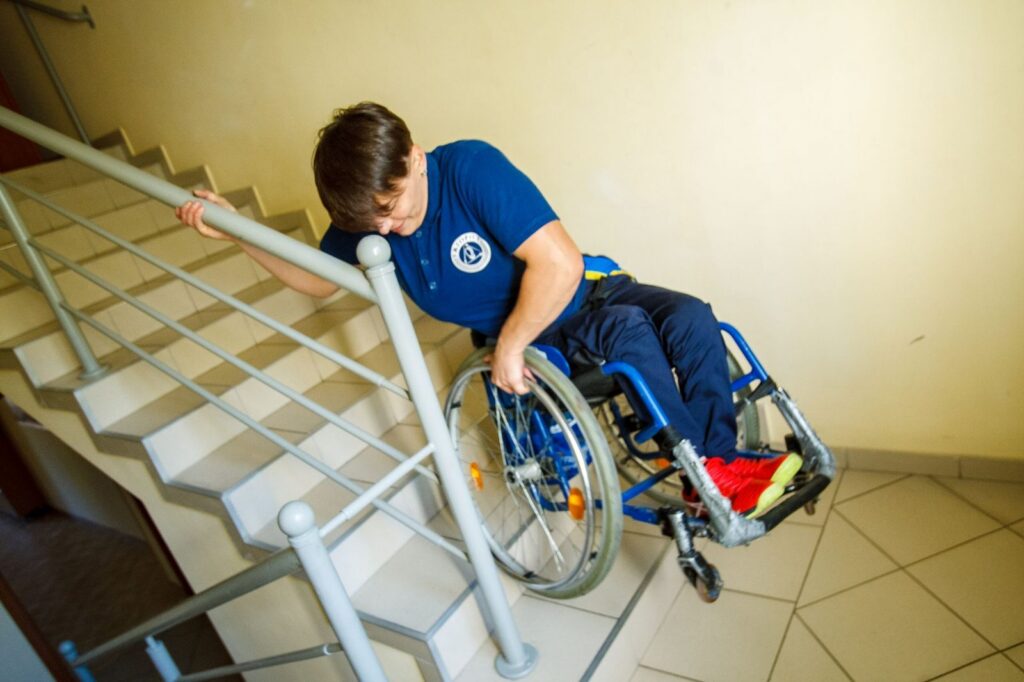
- People with catastrophic, life-altering injuries: spinal cord damage, paralysis (paraplegia or quadriplegia), traumatic brain injury, amputation, or severe burns
- Family members of someone who died from a slip and fall
- People unsure whether they have a claim
What Slip and Fall Cases Cover
We handle slip and fall injuries where the property owner failed to maintain safe conditions or warn of a known hazard.
Residential property: – Apartment complexes and condominiums – Rental homes – Common areas, stairwells, and hallways
Commercial property: – Retail stores and restaurants – Hotels and offices – Parking lots, garages, and warehouses
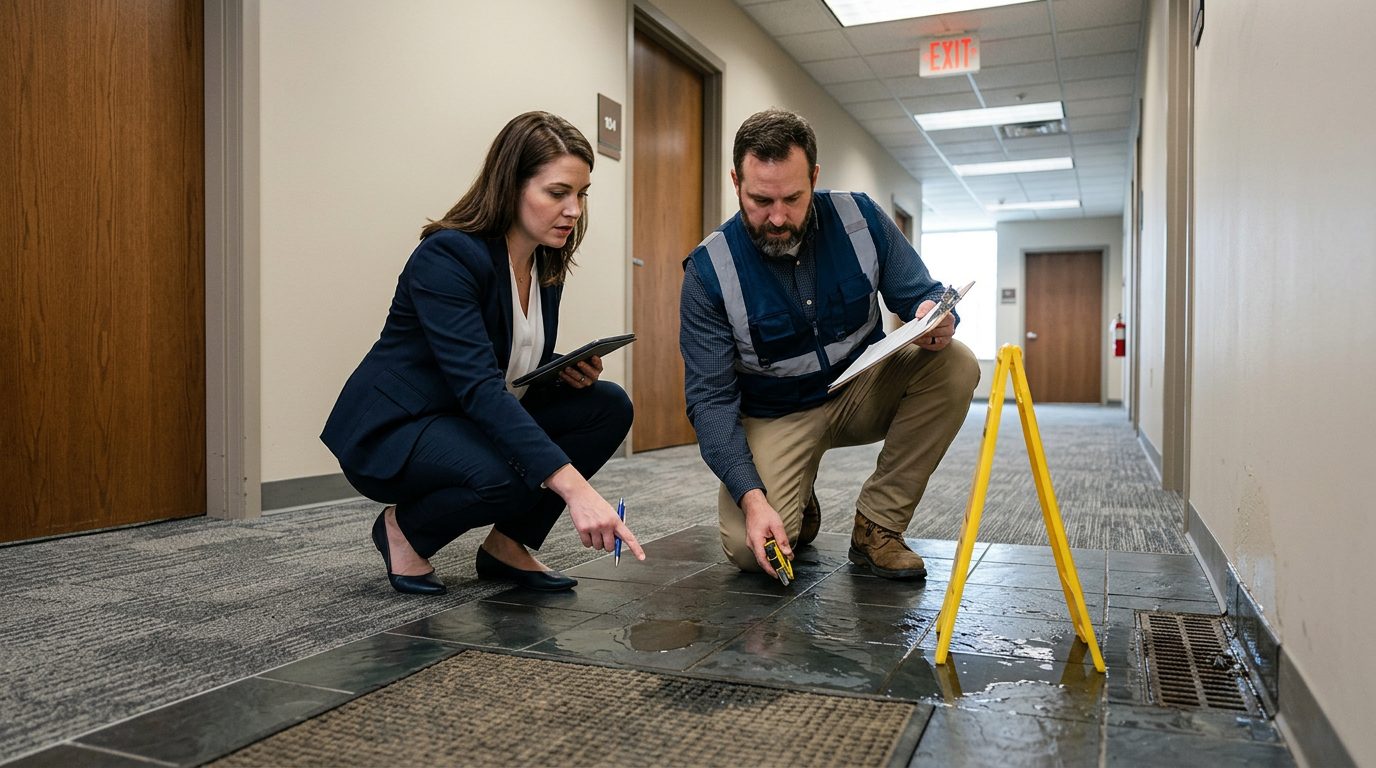
Hazardous conditions that cause falls: – Wet floors with no warning sign – Broken or uneven stairs – Missing or broken handrails – Poor lighting – Debris or obstacles – Uneven surfaces or potholes – Inadequate maintenance
Any injury severity: from minor sprains to permanent spinal cord injury, paralysis, traumatic brain injury, amputation, or death.
The key is that the property owner knew—or should have known—about the hazard and failed to fix it or warn you.
How Slip and Fall Lawsuit Settlement Amounts Are Determined
Settlement value depends on several factors:
Medical expenses
All treatment costs matter: emergency care, surgery, rehabilitation, physical therapy, and ongoing care. Include future medical needs. Catastrophic injuries require lifetime care, which significantly increases value. A spinal cord injury can cost $500,000 to $3 million over a lifetime, according to the National Spinal Cord Injury Statistical Center.
Lost wages
Income you lost during recovery counts. In catastrophic cases, include permanent loss of earning capacity. If you cannot work again, this number spans decades.
Pain and suffering
Compensation for physical pain, emotional distress, and reduced quality of life. Permanent injuries command higher awards than temporary ones.
Permanent disability or disfigurement
Injuries causing lasting impairment or appearance changes are worth more than injuries that heal completely.
Liability clarity
If the property owner’s negligence is obvious (a wet floor with no warning sign, a broken staircase), the settlement is higher. If liability is disputed, the settlement is lower.
Comparative fault
Under Fla. Stat. §768.81, if you are found partially at fault, your settlement is reduced by your percentage of fault. If you are found more than 50% at fault, you recover nothing.
Insurance policy limits
The property owner’s insurance coverage caps what can be recovered, even if damages are higher.
Jurisdiction
Florida law and local court practices influence settlement ranges and jury awards.
Typical Slip and Fall Lawsuit Settlement Amounts in Florida
Settlement ranges depend on injury severity:
Minor injuries (sprains, minor fractures, soft-tissue damage): $1,000–$15,000
Moderate injuries (significant fractures, extended recovery, ongoing pain): $15,000–$100,000
Serious injuries (permanent scarring, chronic pain, significant lost wages, long-term treatment): $100,000–$500,000+
Catastrophic injuries (spinal cord injury, paralysis, traumatic brain injury, amputation, severe burns): $500,000–$5,000,000+
Wrongful death: varies widely based on the deceased’s age, earning potential, and family circumstances.
These ranges are illustrative only. Every case is unique. Actual settlements depend on specific facts, evidence, and jurisdiction.
Why Catastrophic Slip and Fall Injuries Settle for More
Catastrophic injuries—spinal cord damage, paralysis, traumatic brain injury, amputation, severe burns—settle for dramatically higher amounts. The lifetime impact is profound.
Lifetime medical care
Spinal cord injuries and paralysis require ongoing treatment, therapy, adaptive equipment, home modifications, and specialized care. A person with paraplegia (lower-body paralysis) needs routine medical visits, catheterization supplies, pressure-relief equipment, and home accessibility modifications. A person with quadriplegia (all-four-limb paralysis) requires 24-hour attendant care, specialized medical equipment, and extensive home modifications. These costs accumulate over decades.
Permanent loss of income
Catastrophic injuries often prevent a person from ever working again. This eliminates decades of earning potential. A 35-year-old earning $60,000 annually who becomes permanently paralyzed loses 30 years of income—$1.8 million or more—before accounting for raises and benefits.
Pain and suffering
The emotional and physical toll of permanent disability is substantial. Courts and juries recognize this impact.
Reduced quality of life
Permanent paralysis or brain injury fundamentally changes how someone lives, works, and relates to family and community.
Clear liability
Catastrophic injuries often result from obvious negligence (a missing handrail on a staircase, a severely broken step). This makes liability easier to prove and settlements higher.
What Is the Typical Payout for a Slip and Fall?
There is no single “typical” payout. Slip and fall injuries range from minor to catastrophic. A minor ankle sprain might settle for $5,000. A spinal cord injury might settle for $2,000,000 or more.
Your settlement depends on your specific injury, medical treatment, lost income, and your claim’s strength. An attorney can review your case and provide a realistic estimate based on comparable cases and local settlement data.
Have questions about what happened?
Ask our team directly. The first conversation is free, confidential, and there is no obligation to continue.
Is It Worth Suing for a Slip and Fall?
Yes, if the property owner was negligent and you suffered a genuine injury. Your injury must have documented medical treatment and expenses. Even minor injuries can justify a claim if the property owner failed to maintain safe conditions or warn of a known hazard.
Catastrophic injuries almost always justify legal action. The lifetime costs are substantial. The decision to pursue a claim should be based on your evidence’s strength, how clear the property owner’s negligence is, and the extent of your damages—not on whether the injury “seems big enough.”
An attorney can advise whether your specific situation warrants a claim.
How Slip and Fall Lawyer Fees Work
Most slip and fall attorneys work on a contingency-fee basis: you pay nothing upfront. The attorney is paid only if you recover money.
The contingency fee is typically 25–40% of the settlement or judgment. This depends on case complexity and stage.
You are responsible for case costs (medical records, expert witnesses, court filing fees). These are deducted from your recovery.
If you do not recover money, you owe nothing—not the attorney’s fee or case costs.
This arrangement aligns the attorney’s incentive with yours. The attorney is motivated to maximize your recovery. You can pursue your claim without fear of upfront legal costs.
How Long Can a Slip and Fall Settlement Take in Florida?
Timeline depends on injury severity and case complexity:
Simple cases with clear liability and minor injuries: 3–6 months
Moderate cases with significant injuries and some liability dispute: 6–12 months
Complex or catastrophic cases: 1–3 years or longer, especially if trial is needed.
Timeline also depends on how quickly medical treatment is completed, how responsive the insurance company is, and whether the case settles or requires litigation.
An attorney can provide a more specific timeline after reviewing your case.
How to Maximize a Slip and Fall Settlement
Strengthen your claim and increase settlement value by taking these steps:
- Seek immediate medical attention. Document all injuries, even if they seem minor at first.
- Keep detailed records of all medical treatment, prescriptions, therapy, and follow-up care.
- Document lost wages: pay stubs, employer statements, tax returns.
- Photograph the hazardous condition that caused your fall (if safe to do so) and the scene.
- Gather witness contact information and statements about how the fall happened.
- Report the incident to the property owner or manager. Request a written incident report.
- Avoid posting about the injury on social media. Insurance companies monitor these accounts.
- Do not accept an early settlement offer without consulting an attorney. Initial offers are often low.
- Work with an attorney who has experience handling slip and fall cases in Florida. They understand local settlement ranges and can negotiate effectively.
Comparative Fault: How Small Percentages Can Reduce a Settlement
Florida follows a “comparative negligence” rule under Fla. Stat. §768.81: if you are found partially at fault, your settlement is reduced by your percentage of fault.
Example: If a settlement would be $100,000 but you are found 20% at fault, you receive $80,000.
The property owner’s insurance company will argue you were careless. An experienced attorney can counter these arguments and defend your claim.
Medical Expenses: Why Treatment History Strengthens Your Claim
Comprehensive medical documentation is the foundation of a strong settlement. Cases with extensive treatment records—emergency room visits, imaging, surgery, physical therapy, ongoing care—are worth significantly more than cases with minimal documentation.
Future medical expenses (ongoing therapy, adaptive equipment, home modifications, lifetime care for catastrophic injuries) are included in the settlement. An attorney can work with medical professionals to calculate the full lifetime cost of your injury.
How Might Taxes Affect a Slip and Fall Injury Settlement?
Personal injury settlements are generally not taxable income under federal law. However, if the settlement includes interest or is structured as an annuity, some portions may be taxable. Punitive damages (rare in slip and fall cases) are taxable.
Consult a tax professional or accountant to understand the tax implications of your specific settlement.
What Happens After You Contact CHG Personal Injury Lawyers
Free case evaluation
An attorney reviews your case, your injuries, and the circumstances of your fall at no cost.
Investigation
If you decide to move forward, we investigate the property. We gather evidence. We interview witnesses.
Demand letter
We send a detailed claim to the property owner’s insurance company. We explain your injuries and damages.
Negotiation
We negotiate with the insurance company to reach a fair settlement.
Settlement or litigation
If a settlement is reached, you receive your payment (minus attorney fees and case costs). If not, the case proceeds to trial.
Throughout the process, you are kept informed. Your questions are answered.
Want to know where you stand?
Tell us what happened and our team will walk you through the options available to you, at no cost.
Frequently Asked Questions
Q: Do I have to go to trial, or can my case settle?
Most slip and fall cases settle without trial. Your attorney will advise whether settlement or trial is in your best interest based on your case’s strength and the insurance company’s offer.
Q: What if I was partially at fault for the fall?
Florida’s comparative negligence rule means your settlement is reduced by your percentage of fault. You may still recover. An attorney can defend against unfair fault assignments.
Q: How long do I have to file a slip and fall claim?
In Florida, the statute of limitations is generally two years from the date of the fall under Fla. Stat. §95.11. Do not wait; evidence can disappear and witnesses’ memories fade.
Q: What if the property owner does not have insurance?
You may still have a claim against the property owner’s personal assets. Recovery may be more difficult. An attorney can advise on your options.
Q: Can I settle my case without an attorney?
You can, but you may receive far less than you deserve. Insurance companies are experienced negotiators. They often take advantage of unrepresented claimants.
Q: What if my injury is catastrophic?
Catastrophic injuries (spinal cord damage, paralysis, traumatic brain injury, amputation, severe burns) warrant aggressive legal representation. Lifetime medical costs and lost earning capacity can be substantial. Settlements often reach six or seven figures.
Why CHG Personal Injury Lawyers
We focus exclusively on personal injury cases, including slip and fall injuries of all severity levels. We have experience handling catastrophic injuries—spinal cord injuries, paralysis, traumatic brain injuries, amputations, severe burns, and wrongful death. Lifetime costs and permanent disability demand skilled negotiation and litigation.
Our licensed Florida attorneys have deep knowledge of Florida slip and fall law and local settlement practices. We work on a contingency-fee basis: you pay nothing unless we recover money for you. We provide bilingual services in English and Spanish for Miami-area clients. We handle cases nationwide.
Most importantly, we commit to understanding your specific situation. We fight for fair compensation. Whether your injury is minor or catastrophic, you deserve an attorney who listens and advocates for you.
Get Your Free Case Evaluation
If you have suffered a slip and fall injury in Miami or anywhere in Florida—whether the injury is minor or catastrophic—you deserve to know what your case is worth. You deserve to know what your legal options are.
Contact CHG Personal Injury Lawyers today for a confidential, no-obligation review of your case. An attorney will listen to what happened. They will answer your questions. They will explain your next steps.
Factors That Determine Your Settlement Amount
Severity of Your Injury
Medical bills, ongoing treatment, and permanent disability drive settlement value. More serious injuries—fractures, head trauma, or long-term pain—typically result in higher awards.
Property Owner's Negligence
How clearly the owner failed to maintain safe conditions matters. Documented hazards, ignored maintenance, or lack of warning signs strengthen your claim.
Lost Wages and Future Earnings
If the fall kept you from work or reduced your earning capacity, those losses are part of your settlement. Documentation of income loss is key.
Medical Evidence and Documentation
Hospital records, doctor's reports, imaging, and treatment plans prove the extent of your injury and its connection to the fall.
Important: Comparative Negligence in Florida
If you were partly at fault for the fall—for example, you weren't paying attention or wore inappropriate footwear—Florida law reduces your settlement proportionally. Your recovery is lowered by your percentage of fault. This makes it critical to have an attorney review the full facts of your case.
Common Questions About Slip and Fall Settlements
Do Most Cases Go to Trial?
No. The majority of slip and fall claims settle without trial. Your attorney will evaluate the strength of your case and the insurance company's offer to advise whether settlement or trial is in your best interest.
How Long Does a Settlement Take?
Timelines vary. Simple cases with clear liability and documented injuries may settle in months. Complex cases with disputed fault or serious injuries can take longer. Your attorney will keep you informed throughout the process.
What Damages Can I Recover?
You may recover medical expenses, lost wages, pain and suffering, and costs of ongoing care or rehabilitation. The specific damages depend on your injury and its impact on your life.
How Much Does It Cost to Hire an Attorney?
CHG Personal Injury Lawyers works on a contingency basis: no fees unless there is a recovery. You pay nothing upfront, and we only collect a fee if your case settles or wins at trial.
Why Choose CHG Personal Injury Lawyers for Your Slip and Fall Claim
Focused on Slip and Fall Cases
Our practice focuses exclusively on personal injury claims, including slip and fall accidents. We understand Florida property liability law and how to build strong cases.
Thorough Case Investigation
We gather evidence—incident reports, photos, witness statements, maintenance records—to establish how the property owner's negligence caused your fall and injury.
Clear Communication
We explain your options in plain language, answer your questions, and keep you updated. You'll understand what to expect at every stage.
Compassionate Advocacy
We listen to your story and fight for fair compensation. Your recovery and peace of mind matter to us.