


Rideshare Injury Cases
Injured in an Uber or Lyft in Jacksonville?
You may have a claim against the driver, the rideshare company, or both. We handle rideshare injury cases nationwide and can help you understand your options.
By CHG Lawyers · Published September 21, 2026
Rideshare Cases in Jacksonville: Your Rights After an Uber or Lyft Injury
If you were injured as a passenger in an Uber or Lyft ride in Jacksonville, you may have a legal claim. You can pursue compensation from the driver and the rideshare company. Catastrophic rideshare injuries—spinal cord damage, paralysis, traumatic brain injury, amputation, severe burns, and wrongful death—are life-altering events. You deserve fair compensation and experienced legal representation.
This guide explains how rideshare liability works in Jacksonville. It covers what injuries warrant legal action and why injured passengers need experienced counsel.

If you were injured as a passenger in an Uber or Lyft ride in Jacksonville, you may have a legal claim. Talk it through with our team — the first consultation is free, confidential, and carries no obligation.
What Counts as a Rideshare Case in Jacksonville
A rideshare case arises when you are injured during an active Uber or Lyft ride. The injury must result from driver negligence, reckless driving, vehicle failure, or company negligence.
Rideshare accidents and collisions
Vehicle collisions caused by driver error, speeding, impaired driving, or poor maintenance are rideshare cases. Serious injuries from these collisions count: spinal cord injuries, paralysis (paraplegia or quadriplegia), traumatic brain injuries, amputations, and severe burns.
Rideshare assault and safety failures
If you were attacked or assaulted by a driver or third party during a rideshare trip, you may have a claim. This applies when the company failed to conduct adequate background checks, remove dangerous drivers, or implement proper safety protocols. You may hold the rideshare company liable for negligent security and inadequate driver vetting.
Wrongful death claims
When a rideshare accident or assault results in death, surviving family members may pursue compensation. This includes funeral costs, lost financial support, and loss of companionship.
How Rideshare Liability Works in Jacksonville and Florida
Rideshare liability is more complex than a typical car accident. Multiple parties may share responsibility. Insurance coverage is layered across different policies.
Driver negligence
If the Uber or Lyft driver caused the accident through reckless or negligent driving, the driver is liable for your injuries. The rideshare company may also be liable under vicarious liability—meaning the company is responsible for the driver’s negligence while the driver is working.
Company negligence
Rideshare companies have a duty to screen drivers adequately and remove dangerous drivers from the platform. If Uber or Lyft failed to conduct thorough background checks, ignored complaints about a dangerous driver, or failed to warn passengers of known risks, the company itself may be liable. This is called negligent hiring, negligent retention, or negligent security.
Third-party liability
If another vehicle or person caused the collision or injury, that third party and their insurance may also be liable.
Comparative fault
Under Fla. Stat. §768.81, Florida applies a modified comparative negligence rule. You can recover damages even if you are partially at fault, as long as you are less than 51% responsible. This means you may still recover from other liable parties.
Is the Rideshare Lawsuit Real?
Yes—rideshare injury claims are legitimate legal actions brought by injured passengers against drivers and rideshare companies.
Thousands of passengers nationwide have filed claims for injuries sustained in rideshare vehicles. Rideshare companies maintain commercial insurance policies specifically designed to cover passenger injury claims. Coverage limits typically reach millions of dollars. Settlements and verdicts in rideshare cases are documented and publicly available.
In 2026, a federal jury ordered Uber to pay $8.5 million to a woman who reported being raped by an Uber driver during a 2023 trip. This demonstrates that rideshare companies are held accountable for serious harm.
Injured passengers have the same legal rights as passengers in traditional taxi or transportation services. The rideshare business model does not shield companies from liability for negligence or safety failures.
Types of Rideshare Injuries That Warrant Legal Action
Catastrophic rideshare injuries include:
Spinal cord injuries and paralysis
High-impact collisions can cause permanent spine damage. This results in paraplegia (lower-body paralysis) or quadriplegia (full-body paralysis). According to the Christopher & Dana Reeve Foundation, approximately 17,700 new spinal cord injuries occur each year in the United States. Motor vehicle accidents account for a significant portion.
Traumatic brain injuries (TBI)
Head trauma from a collision can cause permanent cognitive, physical, and emotional impairment. This ranges from mild concussion to severe brain damage.
Amputations and limb loss
Severe crush injuries or entrapment in vehicle wreckage can result in loss of limbs or digits.
Severe burns
Vehicle fires or explosions can cause catastrophic burn injuries. These require extensive surgical reconstruction and lifelong care.
Catastrophic back and neck injuries
High-speed collisions can cause severe spinal fractures, disc herniation with neurological compromise, or injuries requiring surgery and long-term rehabilitation.
Wrongful death
Fatal rideshare accidents or fatal assaults by drivers leave surviving family members with the right to pursue wrongful death cases.
Assault and sexual assault injuries
Passengers attacked or sexually assaulted by drivers or third parties may suffer physical injury, psychological trauma, and emotional distress.
How Much Compensation Is Available in Rideshare Cases?
Compensation in rideshare cases depends on several factors: injury severity, permanence of impairment, medical costs, lost income, and pain and suffering.
Catastrophic injuries—spinal cord injury, paralysis, traumatic brain injury, amputation—typically result in higher compensation. These injuries require lifetime medical care, assistive devices, home modifications, and ongoing rehabilitation.
Medical expenses
These include emergency care, surgery, rehabilitation, ongoing treatment, specialized equipment, and home modifications to accommodate disability.
Lost wages and earning capacity
These are recoverable, especially if the injury prevents you from returning to work or limits your future earning ability.
Pain and suffering
Emotional distress and loss of quality of life are also compensable.
Wrongful death compensation
This includes funeral and burial costs, loss of financial support the deceased would have provided, and loss of companionship to surviving family members.
Rideshare companies’ commercial insurance policies often carry substantial coverage limits—sometimes $1 million or more per incident—making meaningful recovery possible even in severe cases.
If you were attacked or assaulted by a driver or third party during a rideshare trip, you may have a claim. Talk it through with our team — the first consultation is free, confidential, and carries no obligation.
Do I Qualify for a Rideshare Case?
You likely qualify for a rideshare case if:
- You were a passenger in an active Uber or Lyft ride when injured.
- Your injury is catastrophic or life-altering: permanent impairment, significant disability, or death.
- The injury was caused by driver negligence, reckless driving, vehicle failure, or company negligence.
- You have medical documentation of your injury and its severity.
- You were not the driver or a rideshare employee (different liability rules apply).
- Your claim is filed within Florida’s statute of limitations. Under Fla. Stat. §95.11, the general statute of limitations for personal injury claims is two years. Do not delay—deadlines matter.
Rideshare Cases in Jacksonville: Local Considerations
Jacksonville’s rideshare landscape creates unique legal and practical considerations.
The city’s high volume of Uber and Lyft activity means frequent rideshare trips on major corridors like Interstate 95 and Interstate 10. High-speed collisions on these interstates often result in catastrophic injuries. Local arterial roads and congested urban streets also pose collision risks, especially during peak hours.
Rideshare companies maintain registered agents and commercial insurance in Florida. This makes the administrative process of filing a claim straightforward. Florida’s comparative negligence law applies to all rideshare cases filed in Jacksonville courts (Fla. Stat. § 768.81(6)). This means you can recover even if you bear some responsibility for the accident.
Jacksonville’s trauma centers—including UF Health Jacksonville and other regional medical facilities—document and treat catastrophic rideshare injuries. This creates a robust medical record foundation for your claim.
Steps to Take After a Rideshare Accident or Injury in Jacksonville
Immediate action after a rideshare injury protects your health, preserves evidence, and strengthens your legal claim.
1. Seek immediate medical attention
Do not minimize your symptoms. Catastrophic injuries require emergency evaluation and documentation. Medical records are critical evidence.
2. Report the incident to the rideshare company
Use the Uber or Lyft app to report the accident or assault. This creates an official record with the company.
3. Document the scene
Take photos of vehicle damage, road conditions, traffic signals, weather, and any visible injuries. If you cannot do so, ask a witness or emergency responder.
4. Obtain driver information
Get the driver’s name, license plate number, vehicle identification number (VIN), and insurance information from the rideshare app.
5. Collect witness contact information
If other passengers, bystanders, or emergency responders witnessed the incident, obtain their names and phone numbers.
6. Keep all medical records and receipts
Preserve every bill, receipt, prescription, medical report, and imaging study related to your injury. These documents establish the cost and severity of your injury.
7. Do not accept a settlement offer without legal review
Initial settlement offers from the rideshare company are often far below the true value of catastrophic injuries. An experienced attorney can evaluate whether an offer is fair.
8. Contact a catastrophic-injury attorney before the statute of limitations expires
Florida’s deadline is two years for personal injury. Do not wait.
Why Rideshare Cases Require Experienced Legal Representation
Rideshare liability is complex, and injured passengers face well-resourced corporate opponents.
Rideshare companies employ sophisticated legal teams and have substantial financial resources to defend claims. They also have incentives to minimize payouts and settle quickly for less than fair value. An injured passenger navigating this alone is at a significant disadvantage.
Multiple parties may share liability—the driver, the rideshare company, other vehicles, and third parties. Determining who is responsible and to what degree requires careful investigation and legal analysis.
Insurance coverage is layered. The driver may have personal auto insurance, the rideshare company carries commercial insurance, and other parties may have additional coverage. An attorney must identify all available insurance sources and pursue claims against each.
Catastrophic injuries require medical testimony, life-care planning, and economic analysis to establish the full scope of damages. Spinal cord injuries, for example, may require focused neurological assessment and long-term rehabilitation planning. An attorney focused exclusively on catastrophic injuries understands the medical and financial complexity of these cases.
Wrongful death claims demand careful, dignified handling of family grief while pursuing complex financial calculations for lost support and companionship. This requires both compassion and legal rigor.
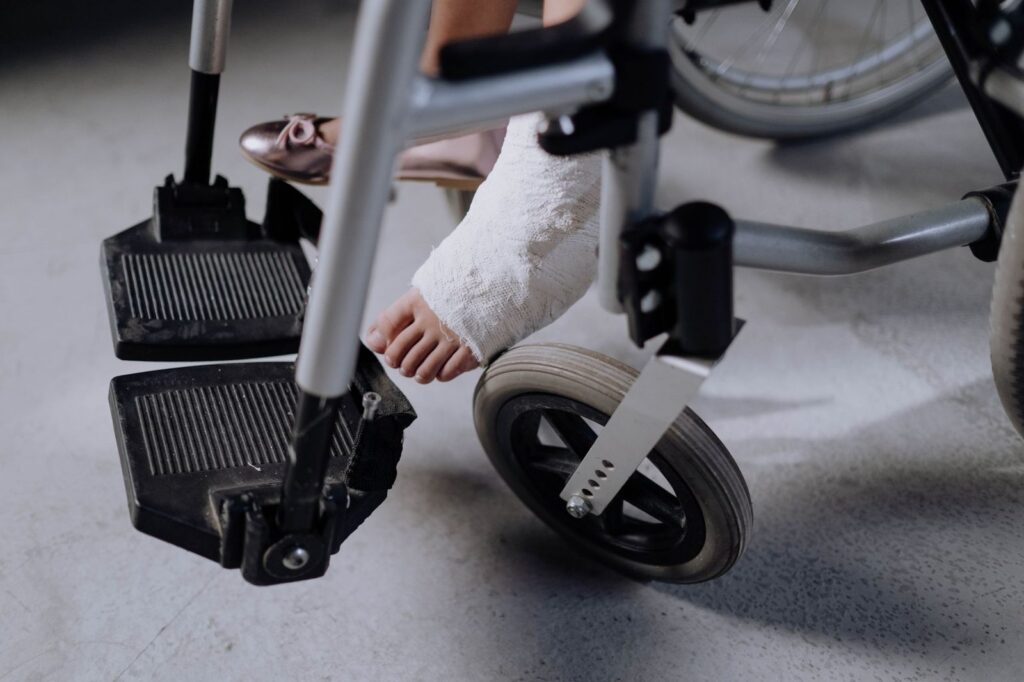
If you or a family member suffered a catastrophic injury in a rideshare accident or assault in Jacksonville, contact our firm for a free case evaluation. Talk it through with our team — the first consultation is free, confidential, and carries no obligation.
Frequently Asked Questions About Rideshare Cases in Jacksonville
Q: Can I sue Uber or Lyft directly if I was injured as a passenger?
Yes. If the company’s negligence—inadequate driver screening, failure to remove a dangerous driver, insufficient safety measures, or failure to warn of known risks—contributed to your injury, you can pursue a claim against the rideshare company directly. You can do this in addition to claims against the driver.
Q: What if the rideshare driver was impaired or reckless?
If the driver was driving under the influence, speeding, distracted, or otherwise driving recklessly, the driver is liable for your injuries. The rideshare company may also be liable under vicarious liability. The company may also be liable under its own negligence if it failed to screen or monitor the driver adequately.
Q: How long do I have to file a claim?
Under Fla. Stat. §95.11, the statute of limitations is generally two years for personal injury claims. Do not delay—contact an attorney as soon as possible.
Q: Does Florida’s comparative negligence law apply to rideshare cases?
Yes. Under Fla. Stat. §768.81, you can recover damages even if you are partially at fault. You must be less than 51% responsible for the accident. The rideshare company cannot use your partial fault as a complete bar to recovery.
Q: What if I was partially at fault for the accident?
Florida’s comparative negligence law allows you to recover even if you bear some responsibility (Fla. Stat. § 768.81(6)). Your recovery is reduced by your percentage of fault, but you are not barred from suing.
Q: Will my case go to trial?
Most rideshare cases settle before trial. However, your attorney must be prepared to litigate aggressively if the rideshare company refuses fair compensation. A willingness to go to trial strengthens your negotiating position.
Q: How long does a rideshare injury case typically take to resolve?
Timeline varies. Catastrophic cases may take 1–3 years or longer, depending on the medical stability of your condition, the complexity of liability, and the willingness of the rideshare company to settle. Your attorney will keep you informed throughout the process.
If you or a family member suffered a catastrophic injury in a rideshare accident or assault in Jacksonville, contact our firm for a free case evaluation. We focus exclusively on catastrophic, life-altering injuries and understand the complexity of rideshare liability. Let us help you pursue the compensation you deserve.
Why CHG Handles Rideshare Cases Differently
We Know Rideshare Liability
Rideshare companies have unique insurance structures and safety obligations. We understand how to build claims against drivers, companies, and their insurers.
We Handle the Paperwork
Rideshare cases involve multiple parties and insurance policies. We manage discovery, communications with insurers, and all legal filings on your behalf.
We Work on Your Timeline
No attorney’s fees unless there is a recovery. You focus on healing while we handle the legal work and negotiations.
We're Available to Answer Questions
Injury cases are stressful. We explain your options in plain language and stay in touch throughout the process.
Common Rideshare Injury Scenarios
Passenger Injured by Driver Negligence
You were injured because the driver was speeding, distracted, reckless, or violated traffic laws. You can pursue a claim against the driver and Uber or Lyft for failing to screen or monitor the driver.
Assault or Violence During a Ride
You were attacked, assaulted, or threatened by the driver or another passenger. Rideshare companies have a duty to provide a safe environment and remove dangerous drivers.
Vehicle Defect or Mechanical Failure
The rideshare vehicle had a mechanical problem, faulty brakes, or safety defect that caused or worsened your injury. The driver, the company, or the vehicle owner may be liable.
Hit by Another Vehicle
You were injured when another driver hit the rideshare vehicle. You may have a claim against the other driver, their insurer, and potentially the rideshare company depending on the circumstances.
Act Quickly
Rideshare companies and their insurers move fast to limit liability. Evidence—dashcam footage, driver records, maintenance logs—can disappear. The sooner you contact us, the sooner we can preserve critical information and protect your claim.
What Happens in a Rideshare Injury Claim
We Investigate and Gather Evidence
We obtain the rideshare company's records, driver history, vehicle maintenance logs, police reports, and any available video footage. We identify all liable parties and their insurers.
We Demand Compensation
We calculate your damages—medical bills, lost wages, pain and suffering, and future care—and make a demand to the responsible parties and their insurers.
We Negotiate or Litigate
If insurers won't offer fair compensation, we prepare your case for trial. Most cases settle, but we're ready to fight in court if needed.
You Recover—We Get Paid Only If You Do
No attorney’s fees unless there is a recovery. If we reach a settlement or win at trial, we take our fee from the proceeds. You keep the rest.