


Rideshare Accidents & Injuries
Uber and Lyft Injury Claims in Tampa
If you suffered a catastrophic injury in a rideshare vehicle—spinal cord damage, paralysis, traumatic brain injury, amputation, severe burns, or assault—you may have a claim against the driver or the platform.
By CHG Lawyers · Published September 02, 2026
Rideshare Cases in Tampa: What You Need to Know After an Uber or Lyft Injury
When the Tampa Bay Buccaneers pack Raymond James Stadium, rideshare vehicles flood the streets. Millions of Uber and Lyft rides happen across Tampa every year. Serious injuries happen too. If you’ve been hurt in a rideshare vehicle or by a rideshare driver in Tampa, you’re not alone. You may have legal rights you don’t yet know about.
Rideshare cases are lawsuits brought by injured passengers, drivers, and pedestrians. They’re filed against Uber, Lyft, and their drivers when negligence, reckless driving, or inadequate safety measures cause serious, permanent harm. These aren’t minor fender-benders or routine complaints—they’re claims for catastrophic injuries that change lives.
This guide explains what rideshare cases are, who qualifies, how liability works, and what your next steps should be.
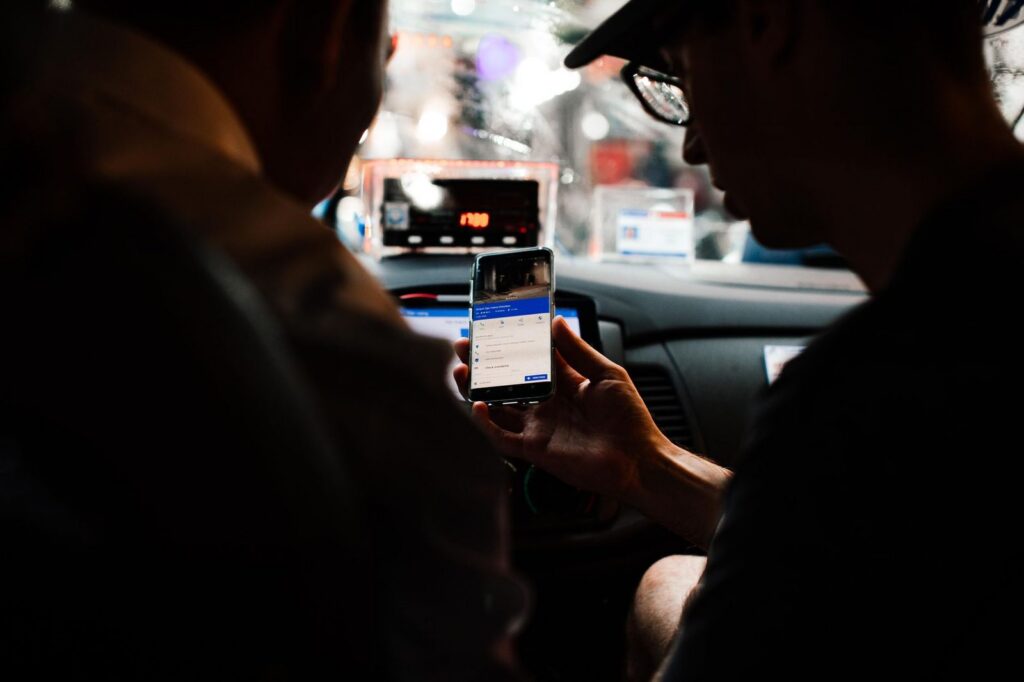
If you've been hurt in a rideshare vehicle or by a rideshare driver in Tampa, you're not alone. Talk it through with our team — the first consultation is free, confidential, and carries no obligation.
What Are Rideshare Cases?
A rideshare case is a legal claim for injury or harm during an Uber or Lyft ride. These cases cover motor vehicle accidents, driver negligence, assault, sexual assault, and injuries to passengers, drivers, and pedestrians hit by rideshare vehicles.
In Tampa, rideshare usage is heavy. Passengers use Uber and Lyft to reach the airport, downtown, and events. Drivers work full-time or part-time for the platforms. When accidents or crimes happen, the injured person may have a claim against the driver, the rideshare company, or both.
Rideshare cases aren’t new. Thousands are filed every year across the United States, including in Florida. Uber and Lyft have settled and paid claims for injuries, assaults, and wrongful death. These are real lawsuits with real outcomes.
Types of Rideshare Injuries in Tampa
Rideshare injuries fall into two main categories: accidents and assaults. Both can cause catastrophic harm.
Rideshare Accidents
Motor vehicle accidents during a rideshare trip can result from driver negligence, reckless driving, speeding, distracted driving, impaired driving, or failure to follow traffic laws. A rear-end collision, intersection crash, or rollover can happen in seconds.
In Tampa’s busy urban environment and along the I-275 corridor, serious crashes occur regularly. When they do, passengers can suffer:
- Spinal cord injuries and paralysis (loss of movement and feeling in the legs or all four limbs)
- Traumatic brain injuries with lasting cognitive and physical effects
- Severe fractures requiring surgery and long-term rehabilitation
- Amputations and limb loss
- Severe burns from vehicle fires or explosions
These injuries aren’t minor. According to the Christopher & Dana Reeve Foundation, approximately 17,700 new spinal cord injuries occur in the United States each year. Many result in permanent disability, ongoing medical care, lost income, and profound life changes.
Rideshare Assault and Sexual Assault
Some rideshare injuries result from violent crime. A passenger or driver may be assaulted, robbed, or sexually assaulted by a rideshare driver or another passenger. When this happens, the rideshare company may be liable if it:
- Failed to conduct adequate background checks on the driver
- Ignored prior complaints or incidents involving the driver
- Knew the driver had a history of violence or crime and failed to remove them
- Provided inadequate safety features, communication tools, or emergency protocols
Assault cases carry both criminal and civil dimensions. The driver may face criminal charges. The injured person may pursue a civil lawsuit against the driver and the rideshare company for negligent hiring, inadequate vetting, or failure to maintain safety standards.
How Rideshare Liability Works
Liability in a rideshare case depends on who caused the injury and what duties they owed you.
The Rideshare Company’s Duty
Uber and Lyft have a responsibility to passengers and the public. They must:
- Maintain safe, well-maintained vehicles
- Conduct thorough background checks on drivers
- Remove drivers with records of violence, crime, or serious safety violations
- Respond to safety complaints and prior incidents
- Provide working safety features (door locks, emergency buttons, communication tools)
- Maintain adequate commercial insurance
When a rideshare company fails in these duties and someone is injured, the company may be liable.
Driver Negligence
A rideshare driver who causes an accident through reckless or negligent driving is liable for injuries. Examples include:
- Speeding or aggressive driving
- Running red lights or stop signs
- Distracted driving (phone use, eating, adjusting the app)
- Impaired driving (alcohol or drugs)
- Failure to maintain the vehicle
- Unsafe lane changes or turns
Comparative Fault in Florida
Florida law recognizes comparative fault (shared responsibility). Under Fla. Stat. §768.81, if you were partially at fault for your injury, your recovery is reduced by your percentage of fault. However, if you are 50% or less at fault, you can still recover damages. If you’re more than 50% at fault, you generally cannot recover.
Insurance Coverage
Rideshare companies carry commercial insurance. Coverage depends on the driver’s status at the time of injury:
- App off: The driver’s personal auto insurance may apply, which often excludes rideshare activities
- App on, no passenger: Rideshare company’s coverage may apply
- Passenger in vehicle: Rideshare company’s commercial insurance typically covers the injury
Understanding which insurance applies is critical to your claim.
Are Rideshare Lawsuits Real?
Yes. Rideshare injury lawsuits are legitimate, documented, and ongoing.
Thousands of rideshare injury claims are filed annually across the United States, including in Florida and Tampa. Rideshare companies have settled and paid claims for motor vehicle accidents, assaults, sexual assaults, and wrongful death. Court records, news reports, and settlement agreements confirm these cases are real.
Tampa residents have filed successful claims for catastrophic injuries and assault. If you’ve been seriously injured in a rideshare vehicle, you’re not the first—and you won’t be the last.
Do I Qualify for a Rideshare Case?
You may qualify if:
- You were a passenger, driver, or pedestrian injured during or by a rideshare vehicle in Tampa
- Your injury resulted from driver negligence, reckless driving, or the rideshare company’s failure to maintain safety standards or vet drivers properly
- You were assaulted or sexually assaulted by a rideshare driver or another passenger, and the company failed to provide adequate security, background checks, or driver removal
- Your injury is serious and permanent—catastrophic injuries requiring ongoing medical treatment, causing disability, lost wages, or resulting in wrongful death
- You have medical records and documentation of the incident and your injuries
Many people believe they don’t have a claim when they do. The specifics of your case—how the injury happened, who was at fault, the severity of harm, and what the rideshare company knew or should have known—determine whether you qualify. An attorney who focuses exclusively on catastrophic rideshare injuries can evaluate your situation.
If you've been seriously injured or assaulted in an Uber or Lyft in Tampa, you may have a claim against the driver or the company. Talk it through with our team — the first consultation is free, confidential, and carries no obligation.
Rideshare Accidents vs. Rideshare Assault: What’s the Difference?
Accidents arise from vehicle collisions, driver error, unsafe road conditions, or mechanical failure during a rideshare trip. Liability typically rests on driver negligence or the company’s failure to maintain the vehicle or vet the driver.
Assault involves physical harm, sexual assault, robbery, or violent crime committed by the driver or another person during the ride. Liability may rest on the driver’s criminal conduct and the company’s negligent hiring, inadequate background checks, or failure to remove a known dangerous driver.
Both can result in catastrophic injury. Both may create liability for the rideshare company. The legal theories differ, but the outcome for the injured person—permanent disability, trauma, medical debt, lost income—can be equally devastating.
What Happens After a Rideshare Injury in Tampa?
Immediate steps matter.
Seek medical care right away. Document all injuries, treatments, and medical records. Even if you feel okay initially, some injuries (like traumatic brain injury or internal bleeding) show symptoms later. Medical records are critical evidence.
Report the incident to the rideshare company through the app. Uber and Lyft maintain incident reports that become part of your claim.
File a police report if the injury involved assault, crime, or a serious accident. Police reports create an official record and may help your case.
Gather evidence: Take photos of the vehicle, road conditions, and your injuries. Write down the driver’s name, vehicle details, and license plate. Get contact information for witnesses. Save all communications with the rideshare company.
Do not sign any settlement or waiver from the rideshare company without legal advice. These documents often waive your right to sue.
Consult an attorney who focuses exclusively on catastrophic rideshare injuries. Time is critical: Florida law sets a deadline to file your claim.
Damages in Rideshare Cases
If your claim succeeds, you may recover damages for:
- Medical expenses: emergency care, surgery, hospitalization, rehabilitation, ongoing treatment, assistive devices, home modifications, and future medical care
- Lost income and earning capacity: wages lost during recovery and reduced future earning potential if the injury causes permanent disability
- Pain and suffering: compensation for physical pain, emotional trauma, loss of enjoyment of life, and permanent impairment
- Wrongful death: if the rideshare injury was fatal, the family may recover damages for loss of companionship, funeral costs, and lost financial support
- Punitive damages: in cases of gross negligence or intentional misconduct, additional damages may be available to punish the company and deter similar conduct
The amount depends on the severity of your injury, your age, income, prognosis, and the facts of your case.
The Statute of Limitations: Time Matters
Under Fla. Stat. §95.11, you generally have two years from the date of injury to file a negligence or personal-injury claim, including rideshare injury claims. After two years, your claim is barred and you cannot recover.
Two years sounds like a long time, but it passes quickly. Evidence can be lost, witnesses’ memories fade, and video footage may be deleted. The sooner you consult an attorney, the sooner your case can be preserved and investigated.
Not sure what your next step is?
Talk it through with our team — the first consultation is free, confidential, and carries no obligation.
Why Tampa Rideshare Cases Matter
Tampa’s high rideshare usage means thousands of rides happen every day. Uber and Lyft serve residents, tourists, business travelers, and airport passengers. The city’s busy streets, intersections, and I-275 corridor create conditions for serious accidents.
When a rideshare company or driver causes injury through negligence or inadequate safety measures, accountability matters. Injured passengers and drivers have the right to pursue compensation for catastrophic injuries and losses. Holding rideshare companies accountable also sends a message: safety standards must be maintained, drivers must be vetted, and dangerous drivers must be removed.
Your case matters—not just for you, but for the safety of other riders in Tampa.
What to Do Next
If you or a loved one has been seriously injured or assaulted in an Uber or Lyft in Tampa, you have legal options.
An attorney who focuses exclusively on catastrophic rideshare injuries can evaluate your case, explain your rights, and guide you through the claims process. Most rideshare injury claims are handled on a contingency basis, meaning you don’t pay unless your case is resolved.
Time is critical. Evidence must be preserved, medical documentation must be gathered, and the statute of limitations is a hard deadline. The sooner you reach out, the sooner your case can move forward.
Frequently Asked Questions
What types of injuries qualify for a rideshare lawsuit in Tampa?
Catastrophic injuries—spinal cord injuries, paralysis, traumatic brain injuries, amputations, severe burns, and wrongful death—qualify for rideshare lawsuits. Minor injuries like soft-tissue damage or uncomplicated fractures typically do not.
Can I sue Uber or Lyft if I was assaulted by a driver?
Yes, if the rideshare company failed to conduct adequate background checks, ignored prior complaints, or knew the driver had a history of violence and failed to remove them, you may have a claim against the company for negligent hiring or inadequate vetting.
How long do I have to file a rideshare injury claim in Tampa?
You generally have two years from the date of injury to file a negligence or personal-injury claim under Florida law (Fla. Stat. § 95.11(5)(a)).
Do rideshare companies have insurance for passenger injuries?
Yes, Uber and Lyft carry commercial insurance, but coverage depends on the driver’s status (app on/off, passenger in vehicle) at the time of injury.
What should I do immediately after a serious rideshare accident?
Seek medical care, report the incident to the rideshare company, file a police report, gather evidence (photos, witness contact information), and consult an attorney before signing any settlement.
What damages can I recover in a rideshare accident case?
You may recover medical expenses, lost income and earning capacity, pain and suffering, wrongful death damages (if fatal), and in some cases, punitive damages.
How much is a typical rideshare injury settlement?
Settlement amounts vary widely depending on the severity of injury, your age, income, prognosis, and the facts of your case. An attorney can evaluate your specific situation.
If you’ve been seriously injured or assaulted in an Uber or Lyft in Tampa, you may have a claim against the driver or the company. People in your situation can reach out to us for a free case evaluation. Contact us today to discuss what happened and learn about your legal options.
Assault or Violence in a Rideshare?
If you were attacked, assaulted, or sexually assaulted by an Uber or Lyft driver, or if the platform failed to screen a driver with a known history of violence, you may have a claim against both the driver and the company for negligent hiring, retention, or security.
What Rideshare Injuries Qualify for a Claim?
Spinal Cord Injuries & Paralysis
Catastrophic spine damage, paraplegia, and quadriplegia from high-impact rideshare crashes or vehicle rollovers.
Traumatic Brain Injuries
Severe head trauma, loss of consciousness, and permanent cognitive or neurological impairment from rideshare accidents.
Amputation & Limb Loss
Crush injuries, severed limbs, and permanent loss of function from catastrophic rideshare collisions.
Severe Burns & Assault
Life-altering burn injuries, sexual assault, robbery, or violent attack by a driver or on a rideshare platform's property.
Why Choose CHG Personal Injury Lawyers for Your Rideshare Claim
Focused on Catastrophic Injury
We focus exclusively on life-altering injuries—spinal cord damage, paralysis, brain injury, amputation, and severe burns—not minor claims.
Tampa & Nationwide Experience
Based in Florida and handling rideshare cases across the country, we understand local liability laws and national rideshare platform practices.
No Attorney’s Fees Unless There Is a Recovery
We work on contingency—you pay nothing upfront, and we only collect fees if your case results in a recovery.
Bilingual Support
We serve English and Spanish-speaking clients with the same level of care and attention to detail.