

Rideshare Accidents in Miami
Catastrophic Injuries from Uber & Lyft Collisions
When a rideshare driver's negligence causes spinal cord injury, paralysis, traumatic brain injury, or amputation, you have legal options. CHG Personal Injury Lawyers focuses exclusively on catastrophic injury claims.
By CHG Lawyers · Published August 24, 2026
Rideshare Cases Miami: Catastrophic Injuries from Uber & Lyft Collisions
When you request an Uber or Lyft in Miami, you expect to arrive safely. But when a driver causes a serious collision—or commits sexual assault—the consequences can be permanent: spinal cord injury, paralysis, traumatic brain injury, amputation, or death. This page explains what happens when rideshare cases go catastrophically wrong, who may be liable, and what your legal options are.

If you were sexually assaulted by a rideshare driver in Miami, you may have a claim against the company for: These cases are complex. Talk it through with our team — the first consultation is free, confidential, and carries no obligation.
What Makes a Rideshare Injury Catastrophic
A catastrophic rideshare injury is not a minor fender-bender. It is an injury that permanently changes your body and your life.
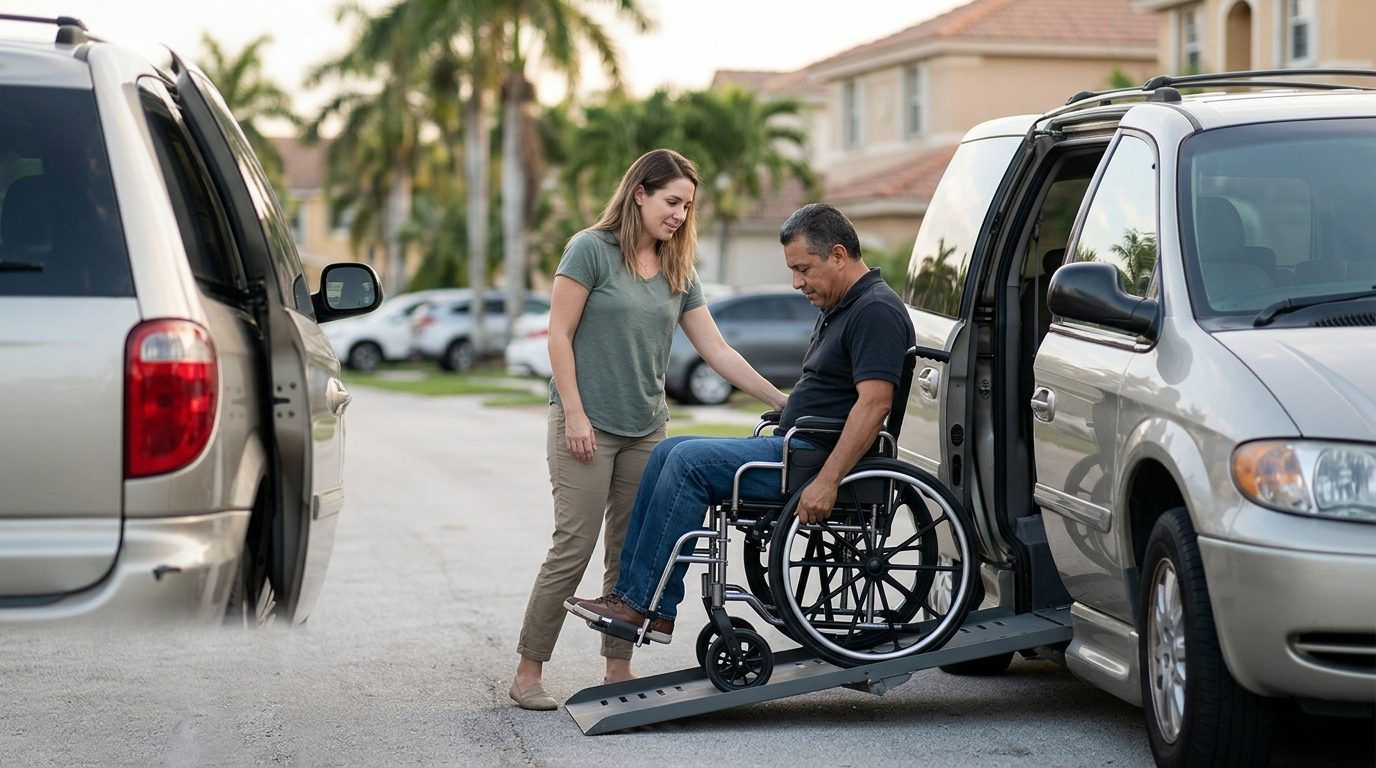
Examples include: – Paralysis requiring a wheelchair and lifelong care – A brain injury that alters thinking or speech – Loss of a limb – Severe burns requiring skin grafts – Death
Miami-Dade County has heavy traffic, Interstate 95 congestion, and many rideshare vehicles. These conditions create danger. When a driver is negligent—distracted by the app, speeding, running a red light, or driving impaired—serious crashes happen. A passenger can be left paralyzed from a spinal cord injury, permanently disabled from a brain injury, or dead.
If you or a family member suffered a catastrophic injury in a Miami rideshare accident, you face urgent questions: Was the driver at fault? Is Uber or Lyft liable? What insurance covers your injury? What do you do next?
Catastrophic Rideshare Injuries: The Medical Reality
Spinal cord injury and paralysis. High-impact collisions can sever or severely damage the spinal cord. According to the National Spinal Cord Injury Statistical Center (NSCISC), motor vehicle accidents account for approximately 38% of all spinal cord injuries in the United States.
Paraplegia (paralysis of the lower body) or quadriplegia (paralysis of all four limbs) results in permanent dependence on wheelchairs, catheters, and caregivers. Lifetime medical costs for a 25-year-old with paraplegia average $1.3 million. For quadriplegia, costs average $4.7 million.
Traumatic brain injury (TBI). A sudden impact or violent deceleration causes the brain to move within the skull, damaging tissue. Mayo Clinic defines moderate to severe TBI as causing loss of consciousness lasting hours to days, memory loss, and permanent disability. These disabilities affect speech, movement, sensation, and personality. Many passengers never fully recover.
Amputation and limb loss. Crushing injuries or severe cuts result in the loss of a finger, hand, arm, leg, or foot. Amputation ends a person’s career, independence, and sense of self. It requires prosthetics, physical therapy, and lifelong adaptation.
Severe burns. Vehicle fires or fuel-related incidents cause severe burns. These require hospitalization, skin grafts, and lifelong pain and scar management.
Catastrophic back and neck injuries. Impact can cause fractures, herniated discs, or ligament tears. These result in chronic pain, loss of function, and permanent impairment.
Wrongful death. When a rideshare accident is fatal, the family is left to grieve and to pursue a wrongful-death claim against the driver and platform.
Sexual Assault by Rideshare Drivers: A Catastrophic Harm
Beyond collision injuries, passengers in Miami have been sexually assaulted by rideshare drivers. In June 2026, an Uber driver in Miami-Dade was charged with sexual battery and kidnapping after assaulting a passenger. These incidents reflect a pattern of inadequate driver screening by rideshare platforms.
Uber and Lyft have faced lawsuits and regulatory scrutiny over insufficient background checks. They have failed to remove drivers with histories of dangerous or criminal behavior. If you were sexually assaulted by a rideshare driver in Miami, you may have a claim against the company for:
- Negligent hiring: The company failed to conduct a thorough background check or ignored red flags.
- Negligent retention: The company knew or should have known the driver was dangerous but failed to remove him.
- Negligent supervision: The company failed to monitor driver conduct or implement safety protocols.
These cases are complex. They require investigation into the company’s hiring and retention practices. They require proof that the company knew or should have known of the driver’s dangerousness. Your injury is real, and the company’s failure to protect you may be actionable.
Who Is Liable: Driver, Platform, or Both?
The driver’s liability. If the Uber or Lyft driver was negligent—speeding, running a red light, driving while distracted, or driving under the influence—the driver is liable for your injuries. The driver’s personal auto insurance may provide coverage. However, limits are often inadequate for catastrophic injury.
Uber and Lyft’s liability. Uber and Lyft classify drivers as independent contractors, not employees. However, that classification does not shield the company from liability. Under Florida law, rideshare platforms have a duty to provide reasonably safe transportation. That duty includes:
- Conducting thorough background checks on drivers
- Removing drivers with histories of dangerous, reckless, or criminal behavior
- Maintaining vehicles in safe condition
- Implementing safety features and protocols to protect passengers
If Uber or Lyft breached any of these duties and that breach caused your injury, the company may be liable. In catastrophic-injury cases, we investigate whether the platform’s negligence—not just the driver’s—contributed to the harm.
Comparative negligence. Florida follows a modified comparative-negligence rule. Under Fla. Stat. §768.81, if you are found to be more than 50% at fault for the accident, you recover nothing. If you are 50% or less at fault, you can recover damages reduced by your percentage of fault. This rule underscores the importance of thorough investigation and skilled representation.
Not sure what your next step is?
Talk it through with our team — the first consultation is free, confidential, and carries no obligation.
Insurance Coverage for Rideshare Accidents: What Actually Covers Your Injury
Insurance coverage for rideshare accidents is complicated and often inadequate for catastrophic injuries.
Uber and Lyft’s coverage. Both platforms provide insurance. Coverage depends on the driver’s status at the time of the accident:
- Waiting for a ride request: Limited or no coverage. The driver’s personal auto insurance applies.
- Actively transporting a passenger: Coverage increases to $1 million per accident for bodily injury.
The coverage gap. Even when platform coverage applies, limits fall far short of catastrophic-injury costs. Lifetime medical care for a spinal cord injury can exceed $1.3 million. Lost earning capacity, pain and suffering, and other damages push total claims far beyond available insurance. This gap is why injured passengers pursue claims against multiple parties—the driver, Uber, Lyft, and potentially other vehicles involved.
Protecting Your Rights After a Catastrophic Rideshare Injury
If you’ve been catastrophically injured in a Miami rideshare accident, take these steps immediately:
1. Seek emergency medical care. Your health is the priority. Document all injuries and treatment in your medical records.
2. Report the accident. File a police report. Report the accident to the rideshare company through the app. Request a copy of the police report.
3. Preserve evidence. Take photos and video of the accident scene, vehicle damage, your injuries, and the rideshare vehicle. Get contact information from witnesses. Save the rideshare app record of the ride, the driver’s profile, and any messages with the driver.
4. Notify your insurance. Tell your auto insurance company about the accident. Do not accept a settlement offer without legal counsel.
5. Do not settle quickly. Insurance companies and rideshare platforms may offer a quick settlement to close the claim. Do not accept it. Catastrophic injuries take time to fully manifest. Early settlements often undervalue lifetime damages.
6. Consult an attorney immediately. Contact a firm focused exclusively on catastrophic injury cases. An attorney will investigate the accident, identify all liable parties, review insurance coverage, and advise you on your legal options. Early legal guidance protects your rights and maximizes your recovery.
Statute of Limitations: Time Is Running
In Florida, you have a limited time to file a personal-injury lawsuit. Under Fla. Stat. §95.11, a personal-injury action must be filed within 2 years of the date the cause of action accrues. For a rideshare accident, that clock starts on the date of the accident. If you wait too long, you lose your right to sue.
Do not let time slip away. Contact an attorney as soon as possible after a catastrophic injury.
Frequently Asked Questions
What types of injuries qualify as catastrophic in a rideshare accident?
Catastrophic injuries cause permanent disability or death: spinal cord injury, paralysis, traumatic brain injury, amputation, severe burns, and wrongful death. Minor injuries—soft-tissue injuries, uncomplicated fractures, or whiplash—do not qualify.
Can I sue Uber or Lyft if a driver caused a collision?
Yes, if the company was negligent in hiring, retaining, or supervising the driver, or if the company breached its duty to provide safe transportation.
What if I was partially at fault for the accident?
Under Florida’s comparative-negligence rule, you can still recover if you are 50% or less at fault (Fla. Stat. § 768.81(6)). Your recovery is reduced by your percentage of fault.
What is the statute of limitations for a rideshare injury claim in Miami?
You have 2 years from the date of the accident to file a lawsuit (Fla. Stat. § 95.11(5)(a)).
Can I recover damages for sexual assault by a rideshare driver?
Yes, if you can prove the company negligently hired, retained, or supervised the driver.
What should I do immediately after a catastrophic rideshare injury?
Seek medical care, report the accident to police and the rideshare company, preserve evidence, and contact an attorney before accepting any settlement offer.
Have questions about what happened?
Ask our team directly. The first conversation is free, confidential, and there is no obligation to continue.
Next Steps: Get Help with Your Rideshare Cases Miami Claim
A rideshare collision left you paralyzed, with a traumatic brain injury, an amputation, or severe burns? Or were you assaulted by a driver? You may have a claim against Uber, Lyft, or the driver. These cases are complex. They require investigation, legal expertise, and resources to take on well-funded defendants.
Our firm focuses exclusively on catastrophic injury cases. We handle personal injury claims Miami and rideshare accidents across Florida and nationwide. We also handle Uber accident attorney and Lyft liability cases. People in your situation can reach out to us. We’re ready to help you understand your options and fight for the recovery you deserve.
Contact us for a free case evaluation. Your consultation is free, confidential, and carries no obligation.
Time Matters
Rideshare accident claims are subject to strict legal deadlines. The sooner you contact an attorney, the sooner we can investigate, preserve evidence, and protect your rights.
What Happens After a Catastrophic Rideshare Injury
Immediate Medical Care
Spinal cord injuries, traumatic brain injuries, amputations, and severe burns require emergency treatment and ongoing specialized care. Your health comes first—document everything.
Report the Accident
File a report with local police and notify Uber or Lyft through the app. Request a copy of the accident report and keep records of all communications.
Gather Evidence
Collect photos of the scene, vehicle damage, your injuries, and witness contact information. Rideshare apps retain trip data, driver records, and vehicle maintenance logs—evidence we can request.
Legal Consultation
Contact an attorney who focuses exclusively on catastrophic injuries. We handle insurance claims, negligent driver liability, and corporate accountability against Uber or Lyft.
Why Choose CHG for Your Rideshare Injury Claim
Focused on Catastrophic Injury
We focus exclusively on life-altering injuries—spinal cord damage, paralysis, traumatic brain injury, amputation, severe burns, and wrongful death. We do not handle minor or routine claims.
Comprehensive Investigation
We obtain driver records, vehicle maintenance logs, rideshare app data, traffic camera footage, and expert analysis to establish liability and the full scope of your damages.
Licensed Florida Attorneys
Our team is admitted to the Florida Bar and handles catastrophic injury cases nationwide, including rideshare collisions in Miami, Orlando, Tampa, Jacksonville, and beyond.
Compassionate Advocacy
We understand the permanent impact of catastrophic injury on you and your loved ones. We fight for fair compensation to cover medical care, lost income, and your future needs.