

Negligent Security · Florida & Nationwide
Paralyzed in an Attack That Better Security Could Have Stopped
If you or someone you love was left paralyzed by an assault, shooting, or attack on someone else's property, the owner who ignored the danger may be legally responsible. We help catastrophically injured victims and their families understand their options.
Why Families Turn to CHG
Licensed
Florida Bar–admitted attorneys
Nationwide
We take catastrophic cases across the U.S.
Bilingual
English & Spanish resources
$0
Upfront cost on contingency-fee cases
By CHG Lawyers · Published August 05, 2026
Paralysis From an Assault on Property: How a Lawyer Handles Negligent Security Claims
Were you paralyzed in an attack on someone else’s property? The owner may share the blame. The blame is not only on the person who hurt you. A lawyer can help you learn your options.
A property owner must provide reasonable security. What if they fail to do that? And what if a violent attack was likely? The law may let you hold that owner responsible.
This kind of claim has a name: negligent security. This page explains how it works in plain words. It also covers what a claim can pay for when you face a lifetime with paralysis.

Not sure what your next step is?
Talk it through with our team — the first consultation is free, confidential, and carries no obligation.
If You Were Paralyzed in an Attack on Someone Else’s Property
You went to an apartment complex, a parking garage, a hotel, or a store. You expected to be safe. Instead, someone shot, stabbed, or attacked you. Now you live with paralysis. Everything has changed.
Paraplegia means paralysis of the lower body. Quadriplegia means paralysis of all four limbs. Both change daily life. You may lose movement. You may feel ongoing pain. You may need care for life. The fear about how you’ll pay for it all is real.
Here’s what many survivors don’t know. The attacker may not be the only one at fault. The owner or manager of the property might share the blame.
A business or landlord must take reasonable steps to keep people safe. What if they fail, and violence follows? That failure has a legal name — negligent security. It’s a type of premises liability. That means a property owner’s legal duty to keep visitors reasonably safe.
You can talk to us at no cost. Request a free, confidential case evaluation. We’re based in Florida. We take catastrophic-injury cases nationwide.
Who This Page Is For
This page is for people who survived a violent crime on someone else’s property. It’s for those who now live with permanent paralysis. It’s also for the families helping them.
You may be a good fit if:
- You had a spinal cord injury that caused paraplegia or quadriplegia from an assault, shooting, or attack.
- You’re a family member or caregiver managing lifelong care for a paralyzed loved one.
- The attack happened on property owned or managed by someone else.
One key point. The criminal case against your attacker is separate from a civil claim against the property owner. Both can move forward. This page is about serious, permanent paralysis — not minor injuries.
How a Property Owner Can Be Legally Responsible
A property owner can be responsible when two things are true. First, they failed to take reasonable security steps. Second, a likely attack caused serious harm.
Owners of public places have a legal duty of reasonable care. So do landlords where people live. This duty means they must keep visitors reasonably safe.
Responsibility often turns on foreseeability. That means whether the owner could have expected the danger. Did violent crime happen before at or near the location? If so, the owner may have known the risk. Ignoring that risk can be negligent.
Here are common security failures we see in these cases:
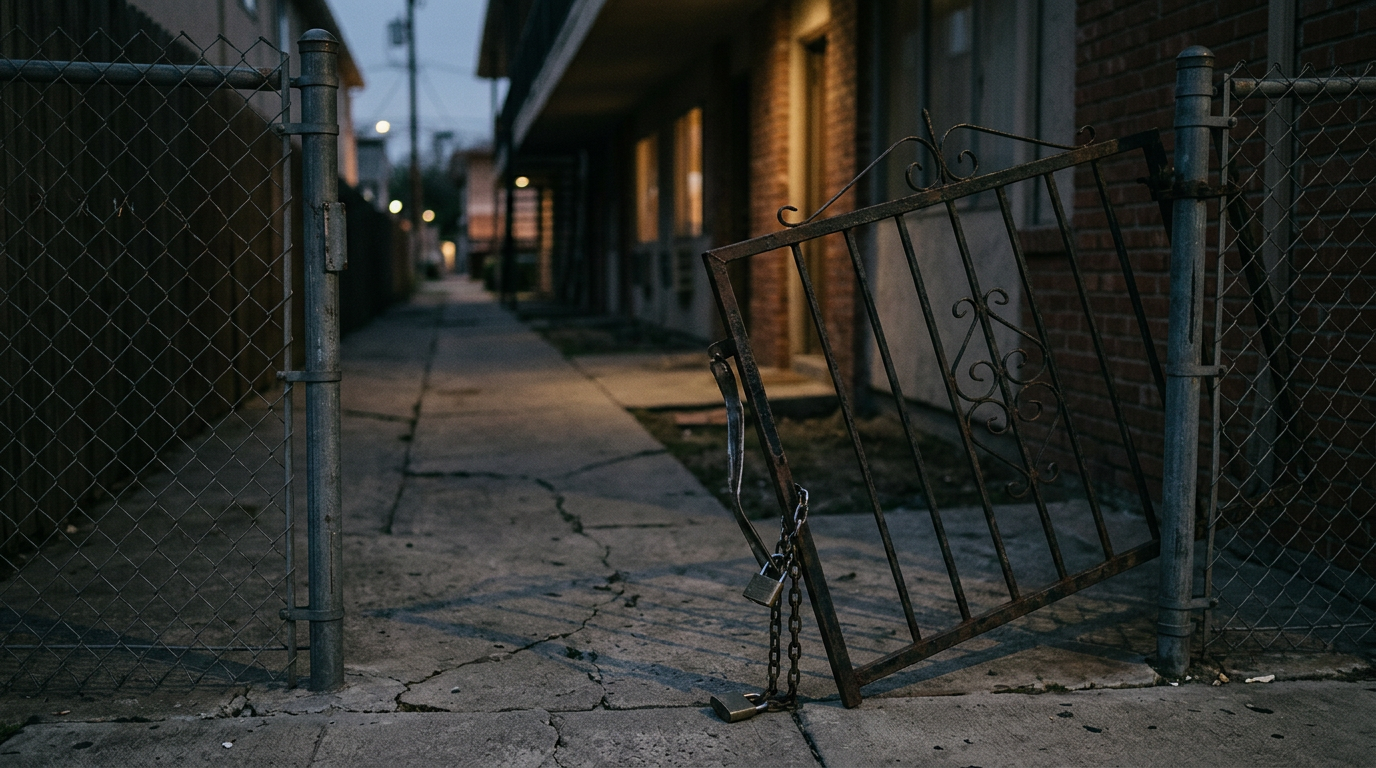
- Broken or missing locks and gates
- Broken or missing lighting in lots, garages, and stairwells
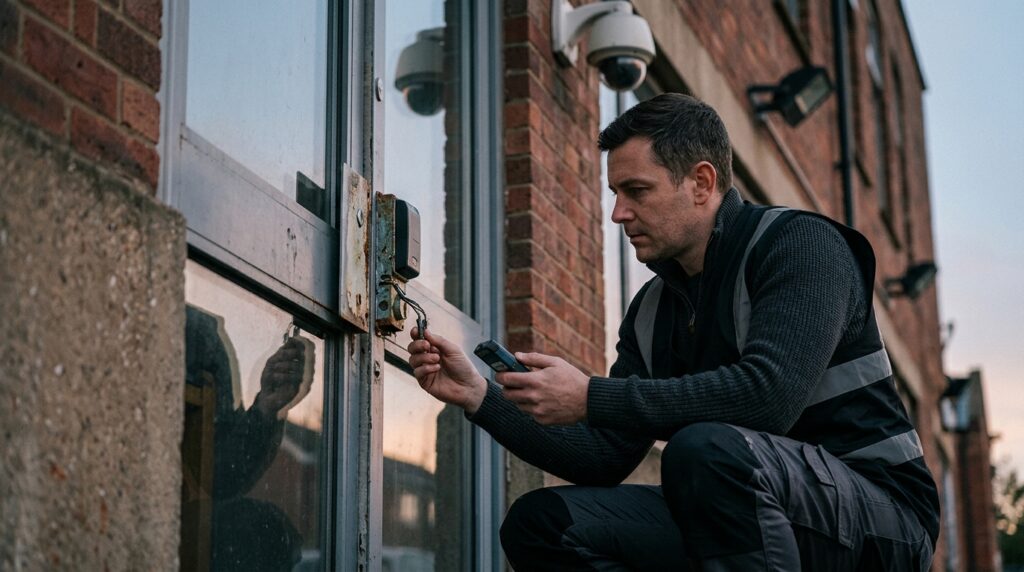
- No cameras, or cameras that don’t work
- No security guards where the danger clearly called for them
- Propped-open or unsecured outside doors
This is where the term negligent security applies. It means the owner failed to provide reasonable security. And that failure helped make the attack possible.
The attacker’s criminal responsibility and the owner’s civil responsibility are two different things. You can pursue a claim against the property owner even while the criminal case plays out.
Have questions about what happened?
Ask our team directly. The first conversation is free, confidential, and there is no obligation to continue.
Where These Attacks Happen
These attacks happen in ordinary places people trust every day. Negligent security paralysis claims often come from:
- Apartment and condominium complexes
- Parking lots and parking garages
- Hotels and motels
- Bars, nightclubs, and restaurants
- Gas stations, convenience stores, and shopping centers
- ATMs and near bank entrances
We serve clients across Florida — including Miami, Orlando, Tampa, and Jacksonville. We take these cases nationwide.
What a Paralysis From Assault on Property Claim Can Cover
A negligent security paralysis claim can seek money for the full lifetime cost of living with paralysis. That means more than your first bills.
Spinal cord injuries often cause lasting problems that need ongoing care. These include loss of bladder and bowel control, breathing problems, and chronic pain, according to Mayo Clinic. The Christopher & Dana Reeve Foundation reports that nearly 1 in 50 people in the U.S. lives with some form of paralysis.
A claim may seek to recover:
- Past and future medical care — surgeries, hospital stays, and rehab
- Long-term and in-home care — attendant and caregiver costs
- Durable medical equipment — wheelchairs, lifts, and special beds
- Home and vehicle changes for accessibility
- Lost income and lost earning power over a lifetime
- Pain, suffering, and loss of enjoyment of life
- Wrongful death damages for the family when an attack is fatal
To document future needs, our attorneys often work with experts to build a life care plan. This is a detailed estimate of lifetime medical and care costs. You can learn more in our resources on paralysis and spinal cord injury.
We can’t promise any specific result or amount. Every case is different. Outcomes depend on the facts.
How We Build the Case, Step by Step
We build these cases through a clear process based on evidence. Here’s what to expect:
- Free case evaluation. We listen to what happened and explain your options. There’s no cost and no obligation.
- Investigation. We gather police reports, the location’s past crime history, security footage, and lighting and access records.
- Proving foreseeability. We use past incidents, crime data, and security standards to show the owner should have acted.
- Documenting damages. We collect medical records, work with your doctors, and prepare a life care plan for lifetime needs.
- Identifying responsible parties. This can include the owner, the property management company, and a security contractor — sometimes more than one.
- Negotiation and, if needed, court. We aim to resolve your claim fairly. We also prepare to go to court when the case requires it.
Act early. Security footage is often erased within days or weeks. Legal deadlines also matter. In Florida, most negligence claims must be filed within two years. This applies to claims that started on or after March 24, 2023, under Fla. Stat. §95.11. Deadlines vary by state, so contact a lawyer promptly.
Why Families Choose CHG Personal Injury Lawyers
Families choose CHG because we focus on catastrophic, life-altering injuries — spinal cord injury and paralysis — not routine claims. That focus shapes how we work.
- Licensed attorneys admitted to The Florida Bar, handling cases nationwide.
- Experience working with medical and life-care experts to document lifetime needs.
- Bilingual support in English and Spanish.
- Clear talk about fees. Many injury cases are handled on a contingency basis. Ask us at your free consultation, so cost isn’t a barrier to getting answers.
We follow the rules that protect you. We don’t make win-rate claims. We don’t promise a specific outcome. What we offer is honest, plain-language guidance for families in crisis.
Florida also follows a modified comparative-negligence rule. This is a shared-fault rule. A person found more than 50% at fault generally recovers nothing, under Fla. Stat. §768.81. We’ll explain how fault could affect your case.
Want to know where you stand?
Tell us what happened and our team will walk you through the options available to you, at no cost.
Frequently Asked Questions
Can I file a claim if the attacker was never caught or arrested?
Yes. A civil claim against the property owner is separate from the criminal case. You can pursue it even if the attacker is never found.
How much does it cost to hire a negligent security lawyer?
Many injury cases are handled on a contingency-fee basis. That means the fee comes out of any money recovered. The case evaluation is free. Ask us about fees during your consultation.
How long do I have to file a negligent security paralysis claim?
Deadlines vary by state. In Florida, most negligence claims must be filed within two years under Fla. Stat. §95.11. Contact a lawyer promptly.
What if my loved one didn’t survive the attack?
The family may be able to bring a wrongful death claim against the property owner. We handle these cases with care and dignity.
Who else can be held responsible besides the attacker?
The property owner, the management company, and a security contractor may all share responsibility. It depends on the facts.
Talk to a Paralysis From Assault on Property Lawyer
You’re facing a hard road. You don’t have to handle the legal side alone. A talk with a lawyer costs nothing and carries no obligation.
Request your free, confidential case evaluation now. We offer bilingual (English/Spanish) support. We represent catastrophic-injury clients nationwide from our Florida base. Tell us what happened. We’ll listen, and we’ll explain your options.
The Attacker Doesn't Have to Be Caught
A civil claim against the property owner is separate from any criminal case. You can pursue it even if the person who hurt you is never identified or arrested. What matters is whether the property owner failed to provide reasonable security.
When a Property Owner May Be Responsible
Broken Locks & Gates
Entry points that were left unsecured or in disrepair, letting a dangerous person reach you.
Poor or Missing Lighting
Dark parking lots, garages, stairwells, and walkways that hide danger and invite crime.
No Cameras or Guards
Absent surveillance or security staff on a property with a known history of violence.
Ignored Warning Signs
Prior assaults, robberies, or complaints the owner knew about but did nothing to address.
Where These Attacks Happen
Apartment Complexes
Residents and guests attacked because of failed access controls, unlit grounds, or a landlord's neglect of known dangers.
Parking Lots & Garages
Assaults, robberies, and shootings in poorly lit or unmonitored parking areas at stores, offices, and events.
Hotels & Motels
Guests harmed after an operator ignored broken door locks, inadequate lighting, or a pattern of crime on site.
Bars, Stores & Gas Stations
Violence at businesses that failed to provide reasonable security despite foreseeable risk to customers.
Common Questions
Can I file a claim if the attacker was never caught?
Yes. A civil claim against the property owner stands on its own, apart from the criminal case, so you can pursue it even if the attacker is never found.
What does it cost to hire us?
Many injury cases are handled on a contingency-fee basis, meaning the fee comes out of any recovery. Ask us during your free evaluation how this applies to your situation.
What injuries do you handle?
We focus on catastrophic, life-altering harm — paralysis and spinal cord injuries, traumatic brain injury, amputation, severe burns, and wrongful death.
How soon should I call?
Time limits apply, and evidence like camera footage can disappear quickly. Reaching out early helps protect your claim.
Paralysis changes everything. Let us help you understand what comes next.
Related practice areas
- Paralysis After an Accident: A Complete Guide to Paraplegia & Quadriplegia Injury Claims
- Paralysis Wrongful Death Lawyer: Losing a Loved One to a Spinal Cord Injury
- Lifetime Cost of Paralysis: What Paraplegia and Quadriplegia Care Really Costs
- How Paralysis Settlements Are Calculated: Damages for Paraplegia & Quadriplegia
- What Is a Life Care Plan and Why It Matters in a Paralysis Case
- Ventilator-Dependent Quadriplegia: What Long-Term Care Really Costs
- Paraplegia vs. Quadriplegia: How the Difference Affects Your Injury Claim
- The Lifetime Cost of Paralysis: Medical Care, Equipment & Lost Income