
Mesothelioma Claims | Serving Florida Families
Received a Mesothelioma Diagnosis? Here Is What to Do Next
A diagnosis like this changes everything in a single day. Here is a calm, practical way to organize your medical care, your records, and your questions about what comes next.
By CHG Lawyers · Published November 27, 2026
A mesothelioma diagnosis often comes quickly. The next steps can feel hard to sort out. This guide explains what Florida families usually handle first, and in what order.
Three tasks come first:
- Follow the treating doctors’ care.
- Gather the medical records.
- Write down the asbestos exposure history.
Florida also sets filing deadlines for these claims. Learn the basics early.
The First Days: Medical Care Comes First
In the first days, the patient’s medical care comes first. The family’s job is to help the patient keep up with it.
Many families feel they must decide everything at once. They are still taking in the news. You do not have to answer every question this week.
Mesothelioma is a rare cancer. It affects the thin linings that cover the lungs, chest, or abdominal cavity (the belly area). This is according to the Agency for Toxic Substances and Disease Registry.
The location shapes the treatment conversation:
- Pleural mesothelioma affects the lining of the lungs.
- Peritoneal mesothelioma affects the lining of the abdomen.
Ask the treating team whether newer options apply to the patient’s case. These include targeted therapies. They also include surgery for peritoneal disease.
This guide is general information. It is not medical advice. Follow the plan your treating doctors give you. Bring your questions to them first.
This guide is written for the patient. It is also written for the adult children, spouses, and relatives who often handle calls, paperwork, and appointments.
Not sure what your next step is?
Talk it through with our team — the first consultation is free, confidential, and carries no obligation.
Build One Binder of Medical Records
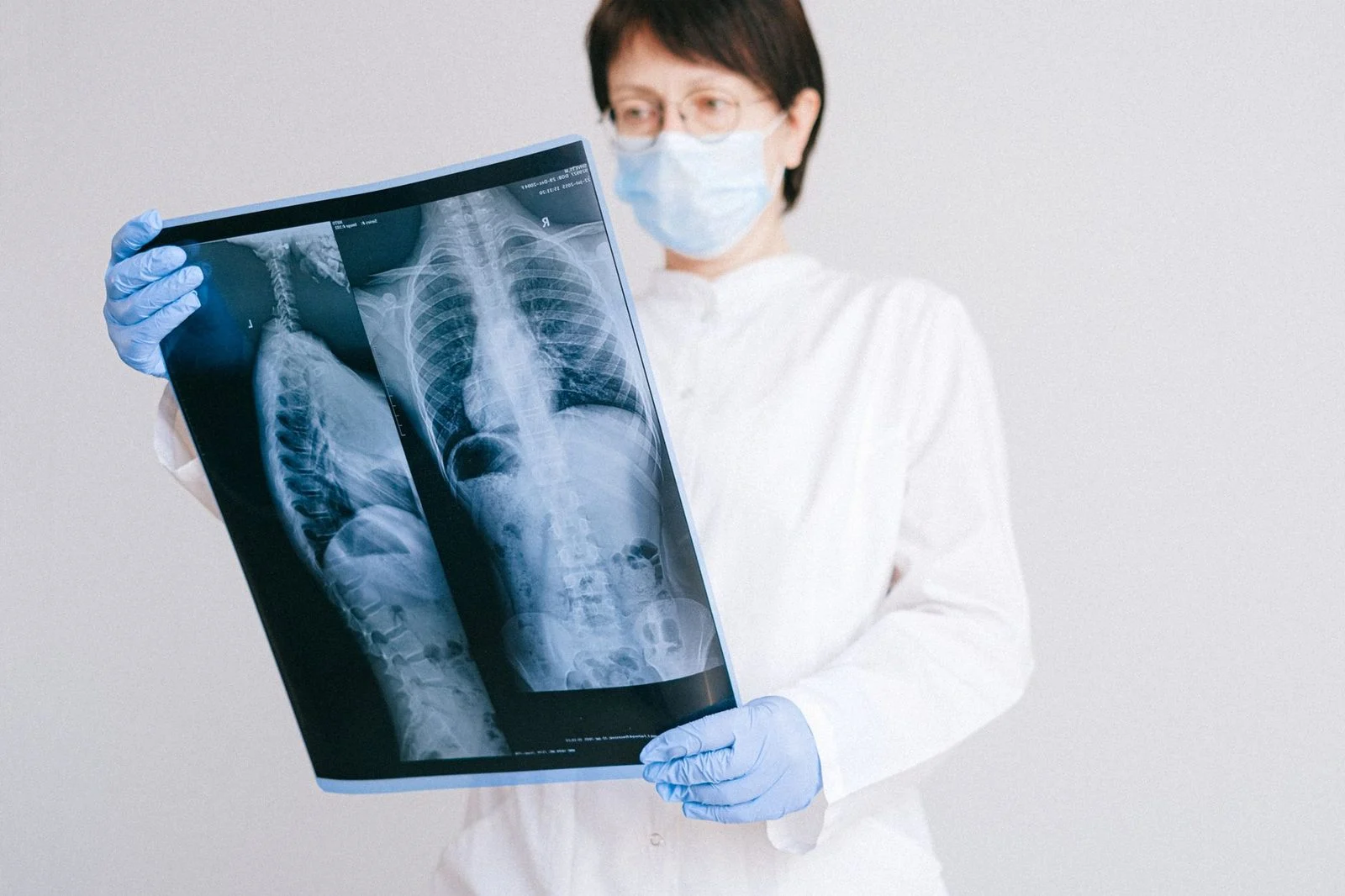
A single binder keeps the medical history in one place. Start it with every record you can get. Records can be on paper or digital.
A complete, dated file helps the patient, the doctors, and anyone who reviews the history later.
Request copies of these items:
- The pathology report from the biopsy (the lab report on the tissue sample)
- Imaging reports from CT or PET scans
- Staging results and notes from the cancer team (staging shows how far the cancer has spread)
- Surgical or biopsy notes
- The written treatment plan
Choose one family member to be the point of contact for the care team. That person keeps copies of every report and appointment summary. They also write down who said what, and on which day.
Why does this matter? Dates and test results blur together during a hard month. A clear record protects the patient’s care. It also saves time if the family needs the history for benefits or claims later.
Label each section by date and by test. File new results the same day.
Questions to Ask the Treating Doctors
Write your questions down before each visit. Bring a second person to take notes. It is hard to hear everything in an appointment.
Good questions focus on options and goals:
- What treatment options exist for this type and stage?
- How was the plan shaped around the patient’s health, age, and goals?
- Is surgery an option? Why do the doctors recommend it or not?
Asking for a second opinion is a normal part of cancer care. The family can raise it with the oncology team (the cancer doctors). They can explain what records another doctor would need.
Clinical trials (research studies testing new treatments) are another topic to raise. Ask whether the patient may qualify. Ask what a trial would involve.
Questions about the later stages of the illness are the hardest. This includes how much time the patient may have. This guide does not give timeframes. The answer depends on the pathology, the stage, and the patient’s overall health. Ask the team to explain what the results mean. Ask what the goals of care are.
Ask about palliative care (care focused on comfort and symptom relief). It can be offered at any stage.
Keep every answer in your binder. If something is unclear, ask the team to explain it again. Ask for written summaries after big decisions.
Understanding the Diagnosis: Latency and Why It Is Often Found Late
Mesothelioma usually appears decades after asbestos exposure. This is one reason it is often found late.
Latency is the time between exposure and the first signs of illness. The Agency for Toxic Substances and Disease Registry reports a latency period of 30 to 40 years for its signs.
Not every case follows that timeline. A peer-reviewed study on mesothelioma latency acknowledges that shorter-latency cases exist. Families should not assume one timeline fits their loved one’s history.
Symptoms can be vague. They can look like other illnesses. This can make diagnosis take longer. That is why the biopsy and imaging results matter so much.
Start the Asbestos Exposure History Now
A claim often turns on where and how the patient was exposed. Families often wait, then struggle to remember decades of jobs. Writing the history down early helps.
Begin with these items:
- Every job and employer, with approximate dates
- Trades held and job sites, including shipyards, plants, and construction projects
- Military service, including ship and base assignments
- Home renovation work, or household contact with a worker’s dusty clothing
- Names of co-workers who might remember the work
- Union or employer records, old pay stubs, and any products used on the job
- For each exposure, the first and last dates you can recall
Occupational asbestos exposure (exposure at work) is linked to lung cancer and mesothelioma. These diseases have a delayed onset. In other words, they show up years later. This is according to OSHA’s asbestos hazards guidance. It is why the history can reach back many years.
Write the history in the patient’s own words while memory is clear. Estimate dates when exact ones are unknown. Label them as estimates. Share the history with the medical team and with the lawyers the family chooses. Keep a copy in the binder.
Your Legal Options in Florida
Families may have more than one legal path. The right one depends on the facts. The main paths are:
- Lawsuits against companies
- Asbestos bankruptcy trusts
- Workers’ compensation
- A wrongful death claim, if the patient dies
Each path has its own rules.
Lawsuits Against Companies
Lawsuits often allege that asbestos-containing products caused the disease. These are allegations. A court would have to decide them. They are not proven facts.
Florida has its own rules for asbestos claims. A lawyer should review each claim against the facts of the exposure. The paperwork a court requires can be detailed. Keep every document about the patient’s exposure and treatment in the binder.
Non-Cancer and Cancer Claims May Differ
Florida may treat a non-cancer asbestos condition differently from an asbestos-related cancer. A lawyer should review which illness a claim covers. Do this before anyone signs a release (a document giving up the right to sue).
When the Clock Starts
Timing is one of the most important parts of an asbestos claim. Filing deadlines apply. When they start can depend on the facts.
Do not wait for every paper to be perfect. Contact a lawyer promptly.
Workers’ Compensation and Former Employers
Some job-related diseases may be covered by workers’ compensation. This is the system that pays benefits for work-related illnesses.
Workers’ compensation can also limit lawsuits against an employer. The rules can differ by employer and by case. That is why the exposure history matters. It helps identify which companies, products, and trusts may be relevant. This includes companies that were not the worker’s employer.
Asbestos Bankruptcy Trusts
Many companies that made asbestos-containing products went through bankruptcy. Some set up trusts to pay future claims.
Asbestos bankruptcy trusts may pay claims separately from a lawsuit. Eligibility depends on the exposure history and each trust’s rules. So the exposure history is the first thing to organize.
Military Service
Veterans should know about federal benefits.
Under 38 U.S.C. § 1110, the United States pays compensation to certain veterans. The veteran must have been discharged or released under conditions other than dishonorable. The veteran must be disabled from a personal injury or disease. The injury or disease must have been contracted in line of duty. It also counts if a preexisting injury or disease was made worse in line of duty. In either case, the service must have been active military, naval, air, or space service during a period of war, and no compensation is paid if the disability is a result of the veteran’s own willful misconduct or abuse of alcohol or drugs.
No compensation is paid if the disability results from the veteran’s own willful misconduct. No compensation is paid if it results from abuse of alcohol or drugs.
Under 38 C.F.R. § 3.303, a disease diagnosed after discharge may be service connected. Service connected means linked to military service. This can apply when the evidence shows the disease was incurred in service.
Keep discharge papers and ship and base records with the binder.
Wrongful Death
If a loved one dies, a wrongful death claim lets a family seek damages (money awarded for harm). This applies when the death was caused by a wrongful act or negligence.
Florida’s wrongful death law may allow certain family members to seek damages on that basis.
Families who have lost someone should not carry this alone. A lawyer can explain how the deadlines and the claim apply to their situation.
A mesothelioma claim may be handled together with, or referred to, another law firm. CHG Personal Injury Lawyers is a Florida-based firm. It represents clients throughout Florida, including families in Miami, Orlando, Tampa, and Jacksonville. Igor Hernandez is the responsible lawyer.
CHG charges no attorney’s fees and no case costs unless there is a recovery.
Not sure what your next step is?
Talk it through with our team — the first consultation is free, confidential, and carries no obligation.
Medicare: Reporting and Repayment in Plain Language
Many mesothelioma patients are on Medicare. Families often ask what happens to Medicare when a claim settles. Knowing the basics early helps avoid surprises.
When someone on Medicare is hurt in a situation involving liability insurance (insurance that pays when another party is at fault), that insurance generally pays first.
CMS explains that liability insurance is primary for accident-related care.
Under 42 U.S.C. § 1395y(b)(2), the United States may bring an action to recover Medicare payments. This can be done against entities that were required or responsible to pay first for the same item or service.
For exposure cases, the dates matter. CMS states that, as a matter of policy, Medicare does not claim a liability-insurance-based recovery. This applies where the date of incident was before December 5, 1980.
For continued exposure, Medicare looks at the date of last exposure. It checks whether that date was on or after December 5, 1980. This is why recording the first and last dates of each exposure matters.
Protecting Daily Life: Work, Benefits, and Support
Protecting income, insurance, and the caregiver’s health matters as much as the medical plan. Start with the paperwork that keeps the household steady.
Ask the patient’s employer or benefits office about these items:
- Work status
- Leave options
- The forms they need
Review health insurance and any disability benefits. Keep a copy of every form.
Federal Social Security disability insurance may be available. It may be available to people who are under a disability and meet the other requirements in 42 U.S.C. § 423(a).
The cancer center often connects families with social workers, counselors, and support groups. Ask about these directly. You do not have to wait for a referral.
Caregivers need rest too. Share tasks across family members. Plan regular breaks. Keep employment records and military discharge papers together in the binder. They may be needed for benefits and claims later.
When to Talk With a Lawyer About Your Family’s Situation
Many families talk with a lawyer once the records and exposure history are in hand. A lawyer can review what you have gathered. A lawyer can flag the Florida deadlines. A lawyer can explain which paths may apply.
Timing can matter. The exposure history may point to employers, products, or trusts. Each may have its own timing rules. Florida deadlines apply.
Do not wait until every paper is perfect before asking for a review.
Past results do not predict future outcomes. No outcome can be promised. Every family’s facts are different. The treating doctors’ care always comes first.
If you have started writing down jobs, dates, and exposures, you have already done important groundwork.
You can contact CHG Personal Injury Lawyers for a free consultation. The first consultation is free, confidential, and carries no obligation to continue.

Frequently Asked Questions
What should I do first after a mesothelioma diagnosis?
Follow the treatment plan your doctors recommend. Ask for copies of your medical records, including your pathology report.
Also write down every job, home, and place where you may have been around asbestos. Include first and last dates when you can recall them.
Can a mesothelioma diagnosis lead to a legal claim?
It may. A claim often depends on where and how you were exposed to asbestos. This could be at work, through military service, or at home.
Florida deadlines apply. Contact our attorneys promptly. The first consultation is free, confidential, and carries no obligation to continue.
Can asbestos bankruptcy trusts pay claims separately from a lawsuit?
Yes. Many companies that made asbestos-containing products set up bankruptcy trusts. These trusts may pay eligible claims without a lawsuit.
Eligibility depends on your exposure history and each trust’s rules. Review those details with a lawyer.
How long does mesothelioma last?
This page does not give timeframes for any individual patient. Your treating doctors can explain what your pathology, imaging, and overall health mean for your situation. They can also discuss palliative care for comfort at any stage.
Why does my family need to think about this now?
Mesothelioma usually appears decades after asbestos exposure. A detailed exposure history is important for that reason.
A lawyer can explain how those deadlines work.
Four Steps to Take Now
Follow your doctors' treatment plan
Your medical team is your first priority. Keep every appointment, ask questions, and write down the answers so you can refer back to them.
Request your medical records
Ask for complete copies of your records, including your pathology report and imaging results. These documents form the foundation of any review of your situation.
Write down your work and home history
List every job, workplace, military assignment, and home renovation you can remember, along with dates and locations. Details about where you may have encountered asbestos often matter most.
Talk with a Florida attorney promptly
Deadlines may apply to asbestos-related claims. Bringing your records and history to a lawyer early gives you more options to consider.
Do Not Wait to Ask Questions
Many people assume they have time to decide. Because deadlines may apply, speak with a lawyer as soon as you can, and do not sign any settlement papers or statements until you understand what they mean.
Why Families Contact CHG Personal Injury Lawyers
Florida-Based Attorneys
CHG Personal Injury Lawyers is a Florida firm that represents people across the state. Igor Hernandez, a licensed attorney admitted to The Florida Bar, is responsible for this page.
Plain-Language Guidance
We explain asbestos exposure, claim options, and paperwork in clear terms, so you can make decisions with confidence.
Respect for Your Family
We understand that a mesothelioma diagnosis affects the whole household. Our team takes the time to listen to your concerns.
No Fees Unless There Is a Recovery
CHG charges no attorney's fees and no case costs unless there is a recovery.