

Mesothelioma Medical Bills | Florida
Paying for Mesothelioma Care: Where Florida Families Can Turn for Help
Medical bills can grow quickly after a serious diagnosis. Igor Hernandez, responsible attorney for this page, and the CHG Personal Injury Lawyers team help Florida families understand their options.
By CHG Lawyers · Published November 22, 2026
A mesothelioma diagnosis means facing treatment costs. You are also still trying to understand the illness.
In Florida, these bills usually come from more than one source. Under Florida law, Medicaid pays last: health coverage, Medicare, and other sources of payment for medical care come first, so health coverage often pays first. A lawsuit, an asbestos bankruptcy trust claim, or workers’ compensation may add to payment. Which ones apply depends on where and how the person was exposed.
This page walks through each source. It follows the order families usually meet them. It also covers the repayment rules that can follow a settlement.
This is general information, not medical advice. Please follow your doctors’ care plan.
Who This Page Is For and What a Mesothelioma Claim May Cover
A mesothelioma claim may cover medical costs, lost income, and other losses tied to the illness. The losses that apply depend on the family’s records and circumstances.
Mesothelioma is a rare cancer. It affects the membranes around the lungs, chest, or abdominal cavity. The ATSDR asbestos health effects page explains this. Mesothelioma is linked to asbestos.
ATSDR says signs of asbestos-related mesothelioma may have a latency period of 30 to 40 years after exposure. A latency period is the time between exposure and illness. In plain terms, the illness can appear decades after the exposure.
That long gap makes exposure history hard to rebuild. Many families look back at old jobs, military service, or a home renovated years ago. These details shape every payment route on this page.
If a mesothelioma diagnosis and growing bills have your family asking who pays, our team can review your exposure history and coverage with you. Talk it through with our team — the first consultation is free, confidential, and carries no obligation.
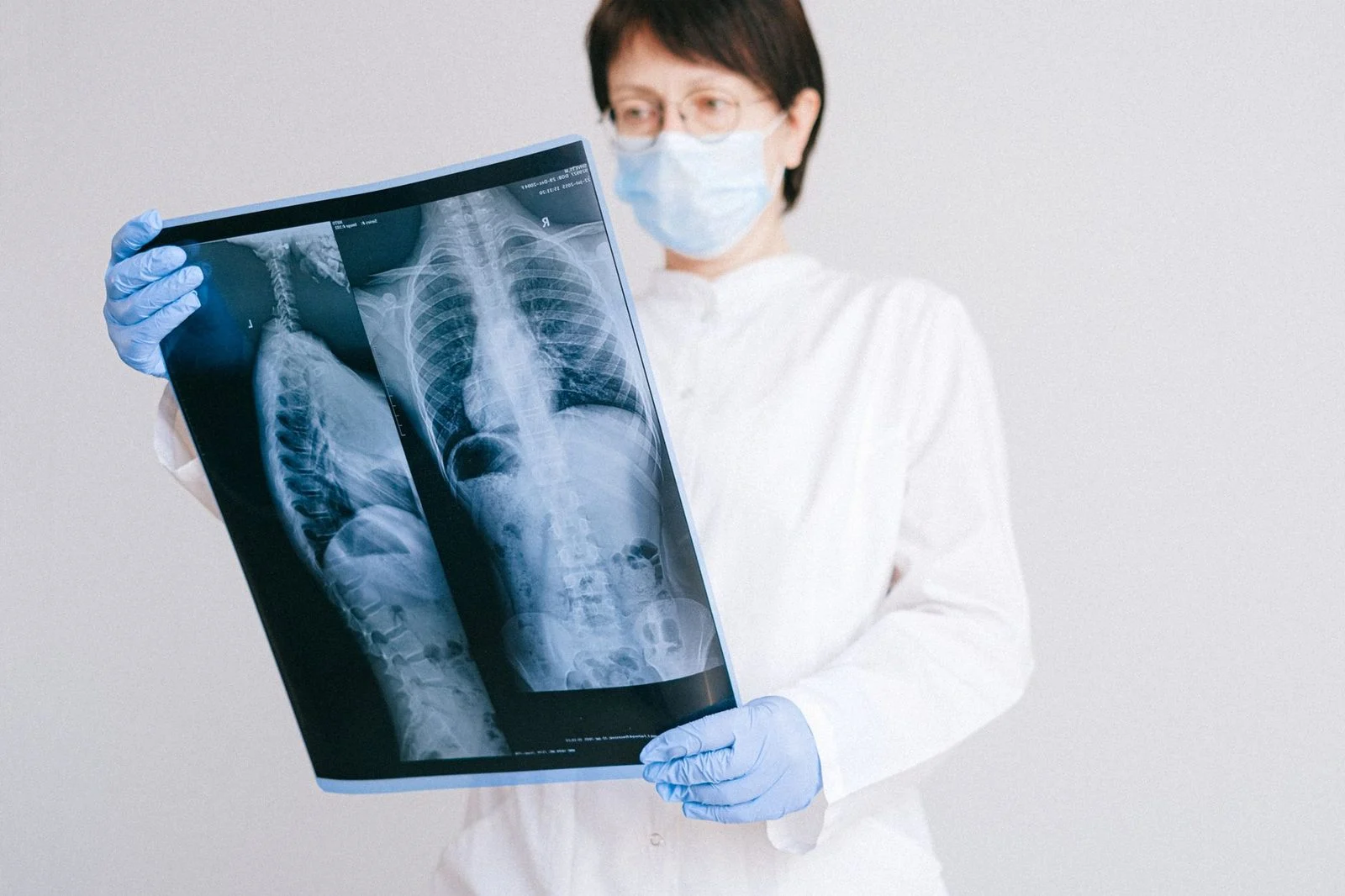
After a Diagnosis: The First Questions Families Ask
A diagnosis often brings many appointments, forms, and new terms. Families usually need answers to three things early:
- What treatment is planned?
- What will it cost?
- Who is covering it?
Start a folder today. Keep:
- Diagnosis records
- Treatment summaries
- Insurance cards
- Every bill and explanation of benefits
Also write a simple timeline. List jobs, military postings, and homes where asbestos may have been present. Include approximate dates. Memories fade. These notes matter for every payment route below.
Ask each billing office two questions:
- “What has been submitted to insurance, and what is still owed?”
- “Do you treat patients under a letter of protection?”
The answers help you see the real balance before it grows.
Health Insurance, Medicare, and Medicaid: The First Layer of Payment
Most patients first use existing health insurance, Medicare, or Medicaid. These programs usually come first. They are already in place.
Medicare works in a special way. Suppose an accident or other situation involves liability insurance. The CMS secondary payer overview says the liability insurance pays first for the related care.
When a liability insurer or other payer will not pay promptly, Medicare may make a conditional payment. This is a payment Medicare makes first and expects back later. The same CMS overview explains that this payment must be repaid when a settlement, judgment, award, or other payment is made. Federal law takes precedence over state laws and private contracts on this point.
Medicare.gov adds a timing detail. If an insurance company does not pay a claim promptly, usually within 120 days, a provider may bill Medicare. Medicare may later recover any payments the primary payer should have made.
Medicaid follows a different path. Florida calls Medicaid the payor of last resort. This means Medicaid pays after other sources. Fla. Stat. § 409.910 says Medicaid is to be repaid in full from third-party benefits.
If a recipient receives settlement money, the agency may recover Medicaid’s payments from it. Under Section 409.910(17)(a), a Medicaid recipient, the recipient’s legal representative, or anyone acting for them who has notice or actual knowledge of the agency’s rights and receives third-party benefits for a covered illness or injury must, within 60 days after receiving settlement proceeds, either pay the agency the full amount of the third-party benefits (but not more than the total medical assistance Medicaid provided) or hold that full amount in an interest-bearing trust account for the agency’s benefit until an administrative determination of the agency’s right to the benefits is made. Under Section 409.910(17)(a), the third-party benefits may be held in a trust account while an administrative decision is pending.
Keep every bill, insurance explanation, and payment receipt. These records show what was paid, by whom, and what is still owed. If coverage is already in place, a claim may work alongside it. It does not replace it.
Compensation From a Lawsuit: Who Can Be Sued and How Settlements Are Paid
A mesothelioma lawsuit names the companies whose products or work may have exposed the person to asbestos. These may include manufacturers, distributors, employers, or property owners. The facts decide which ones.
The claim turns on where and how the exposure happened. Examples include a job, military service, a home renovation, or asbestos fibers carried home on a family member’s work clothes. Each detail helps show the path from exposure to illness.
A claim may be referred to, or handled together with, another law firm.
Florida law sets some limits on asbestos claims. Fla. Stat. § 774.207 says punitive damages may not be awarded in an asbestos claim. Punitive damages are extra money meant to punish the wrongdoer.
The statute also requires the plaintiff to file a verified written report of collateral source payments when the complaint is filed. Collateral source payments are money from other sources, such as insurance. The plaintiff must update that report during the case.
Under Fla. Stat. § 768.76, Medicare and Medicaid benefits are not treated as collateral sources for reducing an award. The same statute says there is no reduction for collateral sources that carry a subrogation or reimbursement right. Subrogation means the right to be repaid from a settlement.
Once money is recovered, others may need to be paid. Medical providers, insurers, and other collateral source providers that have a subrogation or reimbursement right that complied with the statute have a right of reimbursement from the claimant, limited to the actual amount of collateral sources recovered from a tortfeasor, minus its pro rata share of costs and attorney’s fees. A lien is a legal claim on settlement money. What reaches the family depends on these obligations.
A lawsuit can settle, go to trial, or end in other ways. No outcome, timeline, or dollar amount can be promised.
Mesothelioma and Earlier Asbestos Conditions
Some people were diagnosed with a non-cancer asbestos condition years before mesothelioma appeared. Florida law treats these as separate matters.
Fla. Stat. § 774.206 says an asbestos or silica claim arising out of a nonmalignant condition is a distinct cause of action. So this is a separate claim from an asbestos or silica claim for cancer for the same exposed person.
The same section says damages may not be awarded for fear or risk of cancer. It also says a settlement of a nonmalignant asbestos claim concluded after the act’s effective date may not require, as a condition of settlement, giving up the right to bring a future cancer claim.
Families with older asbestos-related records should bring them to the first conversation. The order and dates of diagnoses can affect how a claim is organized.
Asbestos Bankruptcy Trusts: A Separate Source of Claim Payments
Some companies that made asbestos products went through bankruptcy. Some of them set up trusts to pay claims for asbestos diseases, including mesothelioma.
Trust claims are filed separately from a lawsuit. Each trust has its own rules, forms, and documentation requirements. One claim may draw on one or more trusts. It depends on the exposure history.
Federal bankruptcy law describes how these trusts pay claims. Payments may follow mechanisms such as structured, periodic, or supplemental payments, pro rata distributions, matrices, or periodic review of estimates of present and future claims. Pro rata distributions are payments shared in proportion.
The same statute allows a court that enters an order confirming a chapter 11 plan of reorganization, after notice and hearing, to issue an injunction. An injunction is a court order that stops lawsuits trying to collect claims a trust is set up to pay, except actions the injunction, the confirmation order, or the plan of reorganization expressly allows.
Exposure history is central to trust claims. Gather work records, military records, and past home addresses early. Write down dates and job sites while memories are fresh. These details help show which trusts may apply.
The lawyers who handle a claim may coordinate trust claims with a lawsuit, depending on the case.
Not sure what your next step is?
Talk it through with our team — the first consultation is free, confidential, and carries no obligation.
Workers’ Compensation and Work-Related Asbestos Exposure
If the asbestos exposure happened on the job, workers’ compensation may cover medical treatment. It may also cover some lost wages. Florida treats a disease caused by work as an injury by accident for compensation purposes.
Fla. Stat. § 440.151 reads: “Provided, however, that in no case shall an employer be liable for compensation under the provisions of this section unless such disease has resulted from the nature of the employment in which the employee was engaged under such employer, was actually contracted while so engaged, and the nature of the employment was the major contributing cause of the disease.” Medical evidence alone must show that, as demonstrated by physical examination findings and diagnostic testing.
For dust diseases, the only employer and insurance carrier liable are the last employer where the worker was exposed to the hazard for at least 60 days, and that employer’s carrier. For a death claim, the same statute says death must occur within 350 weeks after last exposure.
Workers’ compensation generally replaces a lawsuit against the employer itself. See Fla. Stat. § 440.11. Claims against other companies may still be possible, depending on the facts.
Workers’ compensation also has its own filing rules. These rules differ from lawsuit deadlines.
For more detail, read Workers’ Compensation for Asbestos Disease in Florida. Families whose exposure came from building work can read Construction and Renovation Asbestos Mesothelioma in Florida.
Unpaid Bills, Liens, and Repayment: What the Sources Say
Unpaid medical bills can be sent to collections. An unpaid balance can also become part of the lien picture in a claim. Talk with providers early, before a balance grows.
Some providers treat patients under a letter of protection. This is an arrangement. The provider gives treatment in exchange for a promise of payment from a judgment or settlement. See Fla. Stat. § 768.0427.
The same statute defines a factoring company. This is a company that buys a health care provider’s accounts receivable at a discount below invoice value. Accounts receivable are the amounts patients still owe. Ask each billing office two things:
- Does a letter of protection apply?
- Has the account been sold to another company?
Medicare has its own steps. After a claim is reported, Medicare sends a conditional payment letter. That letter does not provide a final conditional payment amount. Medicare may make more conditional payments while the claim is pending.
No formal recovery demand is issued until a settlement, judgment, award, or other payment occurs. Then the formal demand letter arrives. It lists the conditional payments Medicare made and the total demand. It also lists the waiver and administrative appeal rights that apply.
Florida also addresses notice to providers. Under Fla. Stat. § 768.76, a claimant sends a collateral-source provider notice of intent to claim damages. The notice goes by certified or registered mail. It must state that the provider waives subrogation or reimbursement. This applies unless the provider asserts its payment and its right within 30 days after receiving the notice.
Do not skip treatment because of cost. Ask your doctors’ offices about financial assistance or payment plans. Follow your doctors’ care plan.
If bills are piling up, contact the firm promptly. Options can be reviewed early.
Is There an Average Payout for Mesothelioma Victims?
Families often ask for an average settlement or verdict. We cannot give one. No reliable average figure is available to us for mesothelioma claims. A published number also would not reflect your family’s facts.
What drives a recovery is case-specific. Florida law points to several factors. The court considers:
- Any comparative negligence of the claimant
- Limits in the liability insurance available to the responsible company
- Other equitable factors, when it determines the actual amount of collateral sources recovered (Fla. Stat. § 768.76)
Other facts also shape a claim. These include the number of companies involved, the strength of exposure records, which trusts may apply, and how liens are resolved.
The most useful next step is an honest review of your facts. CHG can explain what the records show and what questions remain.
How Long a Mesothelioma Claim Can Take and Why Timing Matters
A claim’s length depends on several facts. These include:
- How many companies are named
- How well the exposure is documented
- Whether the case settles or goes to trial
- How liens get resolved
Florida deadlines apply. The general deadline for a negligence lawsuit is two years. See Fla. Stat. § 95.11.
For asbestos claims not barred as of the effective date of the act, Fla. Stat. § 774.206 says the limitations period does not begin to run until the exposed person discovers, or through the exercise of reasonable diligence should have discovered, that he or she is physically impaired by an asbestos-related or silica-related condition.
Do not treat that rule as a reason to wait. Timing rules are technical. Trust claims and workers’ compensation claims may have their own filing rules.
No timeline or payment amount can be promised. Families should still ask questions early. Bring diagnosis records, work history, and bills to the first conversation.

Free Consultation and No Fees Unless There Is a Recovery
The first consultation is free. It is confidential and carries no obligation to continue. CHG charges no attorney’s fees and no case costs unless there is a recovery.
Igor Hernandez is the responsible lawyer for this page. CHG Personal Injury Lawyers is a Florida-based firm. It serves people throughout Florida’s communities, including Miami, Orlando, Tampa, and Jacksonville.
A diagnosis, rising bills, and an unclear list of payment sources can feel like too much at once. If your family is facing this, reach out to CHG. We can talk through your loved one’s exposure history, coverage, and bills.
Who pays mesothelioma medical bills in Florida?
Health coverage, Medicare, or Medicaid often pays first. A lawsuit, an asbestos trust claim, or workers’ compensation may add to payment. It depends on how the exposure happened.
Does Medicare get repaid from a settlement?
Yes. Medicare’s conditional payments must be repaid when a settlement, judgment, award, or other payment is made. See the CMS secondary payer overview.
Is there a deadline to file a mesothelioma claim?
Yes. Florida deadlines apply, and they can be short. Contact the firm promptly.
Common Ways Mesothelioma Bills Are Paid
Health Coverage
Private health insurance, Medicare, or Medicaid may cover part of the treatment. How each plan applies depends on its terms and on the care received.
Asbestos Trust Claims
Many companies that used asbestos set up trusts to pay people with asbestos diseases. These claims are handled separately from a lawsuit.
Lawsuits
A lawsuit against a company or other party may be an option, depending on where and how the exposure occurred.
Workers' Compensation
If the exposure happened on the job, a workers' compensation claim may be part of the picture. Each claim has its own requirements.
Gather These Records Before Your Consultation
Medical Records and Bills
Keep diagnosis reports, treatment summaries, and every statement from doctors, hospitals, and pharmacies.
Work History
List past employers, job sites, and dates of work, including any jobs that involved insulation, construction, shipyards, or repairs.
Exposure Details
Write down where and when you may have come into contact with asbestos, including military service or household exposure.
Insurance and Benefit Letters
Bring any health insurance, Medicare, Medicaid, or workers' compensation paperwork you have received.
Do Not Wait to Ask for Help
Deadlines apply to mesothelioma claims, and records can be hard to locate years after an exposure. Contact the firm promptly so your options can be reviewed while information is still available. Continue following your doctors' care.