
Mesothelioma & Asbestos Exposure | Serving Florida
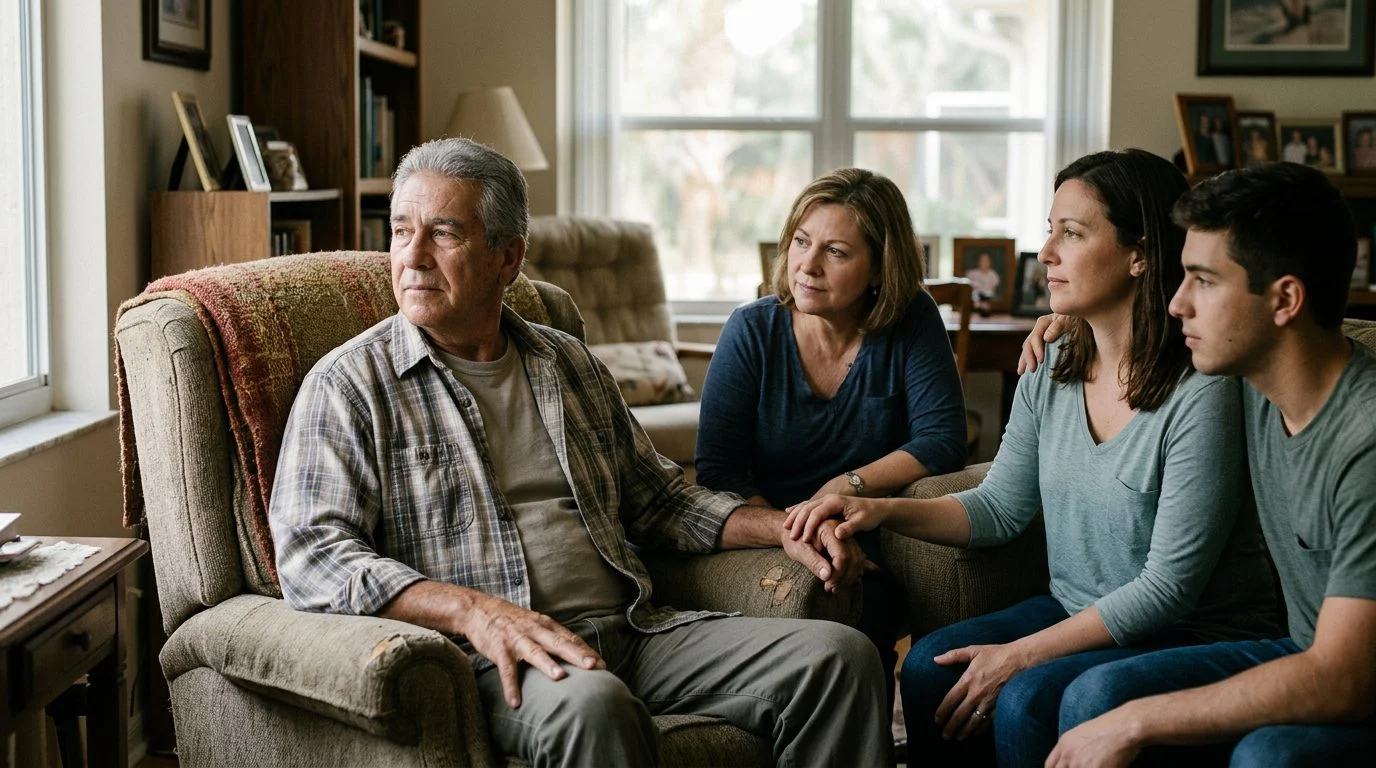
Asbestos Can Travel Home on Work Clothes. Florida Families Deserve Answers.
Mesothelioma can appear decades after asbestos exposure. If your family member was diagnosed, or you lost a loved one, CHG Personal Injury Lawyers can explain your options in plain language. Our practice focuses on catastrophic injury cases throughout Florida.
How We Work With Families
Free
First consultation, confidential and without obligation
No Fee
No attorney's fees or case costs unless there is a recovery
Florida
Serving clients throughout Florida
Bilingual
English and Spanish educational resources
Take-home asbestos exposure happens when asbestos fibers leave a job site. The fibers can ride on a worker’s clothing, hair, or gear. A family member at home can then breathe them in.
Whether this exposure leads to a claim depends on the facts and on Florida law. This guide explains the basics in plain language.
CHG Personal Injury Lawyers is a Florida personal injury firm. Igor Hernandez is the responsible lawyer for this page.
What is take-home asbestos exposure?
The exposure happens at home, but the fibers started at work. A worker may handle materials that contain asbestos. The worker may carry those fibers home without knowing it.
According to FloridaHealthFinder’s asbestosis information, household members may be exposed to fibers carried home on workers’ clothing.
Family members who never went to a job site can still be affected. For that reason, details about the household can be relevant to how a case is reviewed.
Not sure what your next step is?
Talk it through with our team — the first consultation is free, confidential, and carries no obligation.
How can asbestos fibers reach the home?
Asbestos fibers can be carried home on a worker’s clothing.
These details may shape how a claim is reviewed.
What is mesothelioma, and why does timing matter?
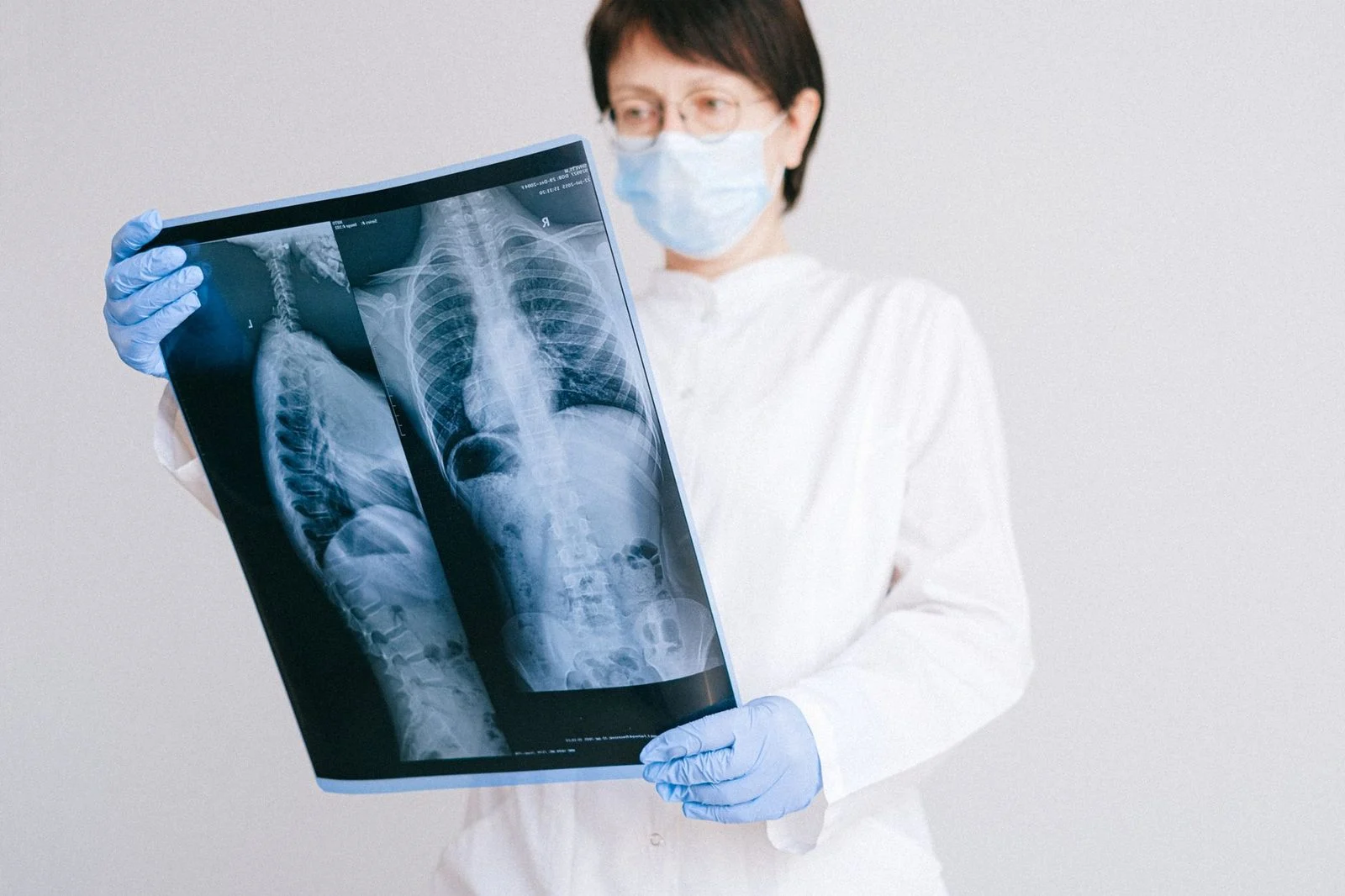
Mesothelioma is a cancer. It starts in the thin membrane that lines the chest and abdomen.
According to the OSHA asbestos standard appendix, exposure to asbestos has been shown to cause mesothelioma. The same appendix says symptoms can include shortness of breath and pain in the chest or abdomen.
The time between exposure and illness is long. FloridaHealthFinder’s mesothelioma page states that the disease can take many years to appear after exposure.
The OSHA appendix says mesothelioma has a much longer average latency period than lung cancer. Latency means the time between exposure and disease. The appendix gives 40 years for mesothelioma. It gives 15 to 20 years for lung cancer.
This long gap can make it hard for families to connect a diagnosis with an exposure that happened decades earlier. That is why the exposure history matters so much.
A diagnosis is hard on any family. Follow your doctors’ care plan. Their guidance on treatment comes first.
Can a family member have a claim in Florida?
A household member may have a claim. That depends on the facts and on Florida law. No one can tell you the answer from a description alone. A lawyer reviews the details first.
Here are the main questions a lawyer looks at:
- Where the exposure happened, such as a job site, a plant, or a home.
- When it happened, including the dates of work and of household contact.
- How the family member was exposed, such as through laundry, clothing, or shared transport.
- Who was involved, including the worker’s employer and any companies that made or handled the materials.
- What medical condition was diagnosed, and what the medical records show.
Whether an asbestos claim may be brought in Florida courts depends on the facts of each case and on applicable Florida law.
A nonmalignant claim is one for a condition that is not cancer.
Under Fla. Stat. § 774.204, a nonmalignant asbestos claim requires a prima facie showing of physical impairment. A prima facie showing is the initial proof a claim needs. The same section says that in a civil action based on mesothelioma, that showing is not required.
Under Fla. Stat. § 774.206, a claim from a nonmalignant condition is a separate cause of action from a claim from asbestos-related cancer. A cause of action is a legal basis to sue. Damages may not be awarded for fear or risk of cancer in a claim asserting a nonmalignant condition.
Florida also bars punitive damages in asbestos claims. Punitive damages are extra damages meant to punish. Under Fla. Stat. § 774.207, punitive damages may not be awarded in any civil action alleging an asbestos or silica claim.
If a family member has died
When a loved one dies, the family may have rights under Florida’s wrongful death law.
- Under Fla. Stat. § 46.021, certain causes of action survive a person’s death, but when a personal injury results in death, the injured person’s own action is replaced by a wrongful-death action under Fla. Stat. § 768.20.
- Under Fla. Stat. § 768.21, survivors may recover certain damages in a wrongful-death action, and who qualifies as a survivor and who may bring the action depends on the facts and applicable Florida law.
How long do you have to act?
Deadlines apply, and they can be complicated. Do not wait to ask about them.
Fla. Stat. § 774.206 says the limitations period does not begin to run until the exposed person or claimant discovers the impairment. The limitations period is the deadline to file.
- The clock starts when that person discovers it.
- It also starts when the person should have discovered it with reasonable diligence, meaning reasonable care.
- The impairment must be caused by an asbestos-related condition.
For negligence claims on causes of action accruing on or after March 24, 2023, the filing period is two years under Fla. Stat. § 95.11; earlier claims and other claim types, including products-liability claims, may be governed by different periods. Exceptions exist. The start date and the deadline need a careful review of your facts.
Have questions about what happened?
Ask our team directly. The first conversation is free, confidential, and there is no obligation to continue.
What happens after you reach out?
Here is what a first step can look like with CHG Personal Injury Lawyers:
- Free first consultation. You describe the exposure, the diagnosis, and your family’s situation. The consultation is confidential. It carries no obligation to continue.
- Gathering records. Work history, exposure details, medical records, and death certificates, if they apply, help show what happened.
- Reviewing Florida law. The team checks the venue rules (which court can hear the case), the deadlines, and the claim type under Florida law.
- Exploring the paths available. A lawsuit against responsible companies is one path. Some companies that went bankrupt set up trusts. These trusts may pay asbestos claims separately from a lawsuit. Whether a trust applies depends on the facts.
- Possible referral. Some asbestos matters may be referred to, or handled together with, another law firm. If that applies to your matter, the firm will explain it to you before you decide anything.
CHG charges no attorney’s fees and no case costs unless there is a recovery.
Why work with CHG Personal Injury Lawyers?
- Florida-based. The firm serves clients throughout Florida from its Coral Gables office.
- Licensed attorney. Igor Hernandez is licensed to practice law in Florida.
- Focus. The practice focuses on catastrophic injuries, wrongful death, and mass-tort matters, including mesothelioma.
- Support staff. Our team of assistants and office staff supports each matter.
Frequently asked questions
How long after exposure does mesothelioma appear?
Mesothelioma can take many years to appear after exposure.
Is there a deadline to file in Florida?
Yes. Deadlines apply, and they can depend on when impairment was discovered. Contact CHG Personal Injury Lawyers promptly for a free, confidential initial consultation with no obligation to continue.
Can punitive damages be awarded in an asbestos claim in Florida?
No. Under Florida law, punitive damages may not be awarded in an asbestos or silica claim.
Can a family file a claim after a mesothelioma death?
Florida’s wrongful death law lists who may recover. Whether your family qualifies depends on the facts and on that law.
Talk with our team about your family’s situation
If a family member’s work exposed them to asbestos, you may now be facing a diagnosis or a loss. You do not have to sort out the timeline alone.
Contact CHG Personal Injury Lawyers at our contact page for a free, confidential, no-obligation first consultation.
Want to know where you stand?
Tell us what happened and our team will walk you through the options available to you, at no cost.
Questions Florida Families May Have About Take-Home Exposure
Caring for the person who was exposed
Follow your doctors' care plan, and keep records of diagnoses, treatments and bills.
Tracing where the exposure happened
Written records, work histories and witness accounts can all matter.
Bankruptcy trusts and lawsuits
Some companies that made asbestos products set up trusts to pay claims. These trust claims can be handled separately from a lawsuit, and the rules differ, so each family's situation needs its own review.
Support for the family left behind
When a loved one has died from an asbestos disease, surviving family members may have questions about claims. We can explain what Florida law may allow and what steps to consider next.
Ways We Can Help Your Family
Free Case Review
Tell us about the diagnosis, the work or home history, and any medical records you have. We will listen and explain the possible paths forward.
Clear, Plain-Language Answers
We explain legal terms in everyday language, in English or Spanish, so you can make informed decisions at your own pace.
Claims Coordinated With Care
Your claim may be handled alongside another law firm when that serves your case. We will tell you clearly if that is the case.