
Mesothelioma Claims | Florida Families
After a Mesothelioma Death, the First 30 Days Can Shape What Comes Next
A plain-language guide for Florida families on what to gather, what to write down, and how to get answers while you grieve.
About CHG Personal Injury Lawyers
Florida
Florida-based personal injury firm
Licensed
Attorneys admitted to the Florida Bar
By CHG Lawyers · Published November 20, 2026
Losing a loved one to mesothelioma is devastating. Many families do not know what to do first.
In Florida, a mesothelioma lawsuit after a death is often brought as a wrongful death claim. Whether one applies depends on the loved one’s history of asbestos exposure.
This page walks through the first 30 days in a clear order. It is general information about Florida law, not medical advice.
What Happens in the First 30 Days After a Mesothelioma Death?
The first 30 days are mostly about records, notices, and naming who will act for the family. You do not have to finish everything at once.
Grief comes first. The paperwork can feel like too much. Most families do not know which step comes first, and that is normal. Work through the list in order and keep it short.
Mesothelioma can take 30 to 40 years to show signs after asbestos exposure, according to ATSDR. Many families learn about a loved one’s work history only after the death. So the exposure history belongs early on your list.
Many families wait until a bill or letter arrives before they look at old work records. Starting early keeps memories fresh and records easier to find.
A simple order helps:
- Records first.
- Then the exposure history.
- Then who can bring a claim.
- Then the deadlines.
If your family is holding work records, old job-site names, or trust letters, our team can review them with you in a free, confidential first consultation. Talk it through with our team — the first consultation is free, confidential, and carries no obligation.
Week One: Which Records Should You Gather First?
In week one, order several certified copies of the death certificate. Banks, insurers, courts, and claim administrators often each ask for their own copy.
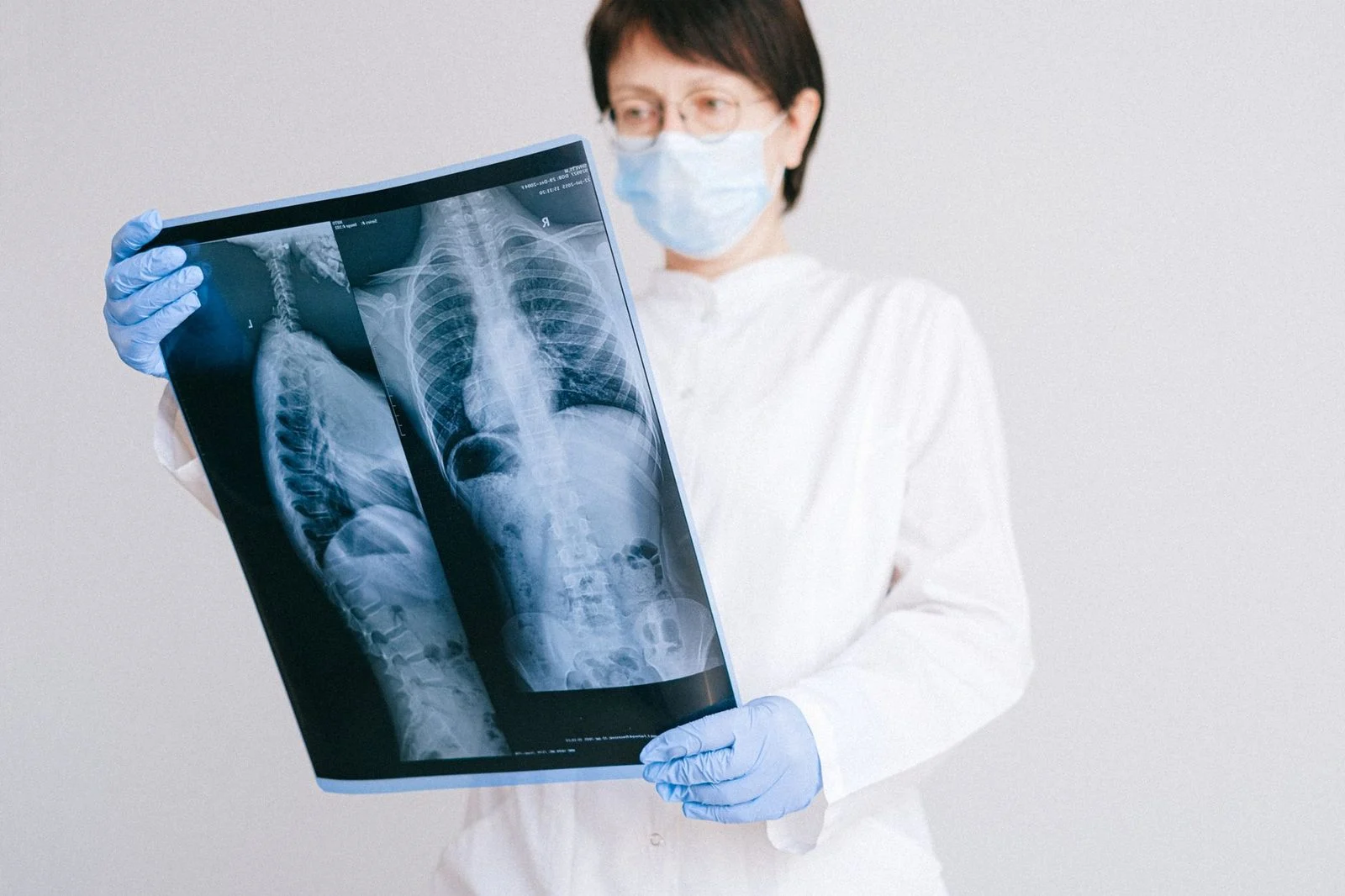
Next, request the complete medical file from the hospice, hospital, and oncology providers. Oncology providers are the cancer doctors and their teams. Ask for the pathology reports that confirm the mesothelioma diagnosis. Those reports anchor the rest of the file.
Keep a simple log starting with your first phone call. Write down who you contacted, when, and what was said. A log saves time later when someone asks what was already sent.
Gather your loved one’s employment history, military service records, and any union or benefit paperwork. These documents often show where asbestos exposure happened. This is true even when no one in the family remembers the details.
Store the originals in one folder. Scan everything so nothing gets lost.
Weeks Two and Three: How Do You Build an Asbestos Exposure History?
An exposure history is a written record of where, when, and how your loved one came into contact with asbestos. It is the core of a mesothelioma claim. The claim turns on where and how the exposure happened.
Families often recall common job sites first. Shipyards, construction sites, insulation work, auto brake repair, boiler rooms, and military assignments appear often in these histories.
OSHA states that occupational asbestos exposure increases the risk of lung cancer and mesothelioma. OSHA also states that these diseases have a delayed onset, meaning they appear long after exposure.
Secondhand exposure matters too. Asbestos dust can travel home on work clothing and boots. A spouse or child who lived with a worker may have a history of their own to share.
Write down the names of employers, job sites, years worked, and coworkers as memories come back. Do not guess or fill gaps with assumptions. A short, accurate note is worth more than a long, uncertain one.
Who Can Bring a Wrongful Death Claim Under Florida Law?
In Florida, a wrongful death claim is brought by the decedent’s personal representative. That is the person who acts for the person who died. The claim is brought for the survivors and the estate.
The rules sit in the Florida Wrongful Death Act. It covers Sections 768.16 through 768.26 of the Florida Statutes.
Under § 768.20, that person files the action. The personal representative also recovers for the survivors and the estate. Family members do not each file separate claims in that role.
Under § 768.18, “survivors” means the spouse, children, and parents, and, when partly or wholly dependent on the decedent for support or services, any blood relatives and adoptive brothers and sisters. A child born out of wedlock of the father is not a survivor unless the father has recognized a responsibility for the child’s support. Blood relatives can also qualify. They qualify when they depended on the loved one for support or services. “Minor children” means children under 25.
If your loved one had a personal injury case pending when they died, Florida’s statute says that case does not continue on its own. The wrongful death claim is a different action.
Start a list of everyone who may benefit. Florida law requires that all potential beneficiaries be named in the complaint. An early list saves time.
How Do Asbestos Trust Claims Differ From a Lawsuit?
An asbestos bankruptcy trust is a fund set up to pay asbestos injury claims. A trust claim is separate from a lawsuit.
Many companies whose products or sites caused asbestos exposure have gone through bankruptcy. Some set up trusts to pay claims.
Trust claims use their own forms, documentation, and rules. They also follow their own timelines. Read any trust paperwork closely. Do not assume it works like a lawsuit. Trust rules can differ from one trust to another.
The same exposure history often supports both a trust claim and a lawsuit. One does not automatically close off the other. That is why the exposure history matters for both paths.
Bring any trust letters or claim notices you have received to your first conversation with our team. The details can be reviewed together, in one place.
What Are the Deadlines, and Why Does Timing Matter?
Florida sets filing deadlines by statute. A statute is a law passed by the legislature. Waiting can make evidence harder to find. Deadlines apply to these claims, so timing matters from the start.
Under § 95.11(5)(a), an action based on negligence must be brought within two years. This is Florida’s general rule for negligence actions.
For some asbestos claims, the clock may start later. Under § 774.206(1), for any asbestos or silica claim not barred as of the effective date of this act, the limitations period does not begin until the exposed person discovers, or through the exercise of reasonable diligence should have discovered, that he or she is physically impaired by an asbestos-related or silica-related condition. The limitations period is the time limit for filing. So the start date is not always the date of death or the date of exposure.
Still, do not wait to find out. Memories fade, job sites close, and witnesses move away. Contact our team promptly. Do not wait until the first 30 days have passed.
When a deadline starts depends on the facts of each case. The safest step is an early review.
Not sure what your next step is?
Talk it through with our team — the first consultation is free, confidential, and carries no obligation.
Can a Family Recover Compensation After a Mesothelioma Death?
A family may be able to recover certain losses under Florida’s wrongful death law. No one can promise an amount. Each survivor’s recovery depends on their relationship to the loved one and on their losses.
Under § 768.21, the law allows these recoveries, among others, including each survivor’s recovery of the value of lost support and services:
- A surviving spouse may recover for loss of companionship and protection.
- A spouse may also recover for mental pain and suffering.
- Minor children may recover for lost parental companionship, instruction, and guidance.
- A parent of a deceased minor child may recover for mental pain and suffering.
- A survivor who paid medical or funeral bills may recover those costs.
- The estate, through the decedent’s personal representative, may recover the decedent’s lost earnings from the date of injury to the date of death, less lost support of survivors excluding contributions in kind.
While a wrongful death action is pending, if a survivor objects to a settlement as to amount or apportionment among the beneficiaries, or if such a settlement affects a minor or an incompetent survivor, § 768.25 says the court must approve it before it takes effect. Fla. Stat. § 768.25 reads: “While an action under this act is pending, no settlement as to amount or apportionment among the beneficiaries which is objected to by any survivor or which affects a survivor who is a minor or an incompetent shall be effective unless approved by the court.”
If your loved one had Medicare, CMS states that a claim against a liable party must be reported to Medicare.
Medicare may also have made conditional payments. These are payments Medicare made first, before a settlement. CMS explains that these payments must be repaid when a settlement or judgment is paid.
Can anyone promise a settlement amount?
No one can promise an amount. Figures found online are not predictions for any family.
Does a surviving spouse still have a claim if the marriage came after the injury?
In Ripple v. CBS Corp., decided May 9, 2024, the Florida Supreme Court held that the “marriage before injury” rule does not bar a surviving spouse’s damages under § 768.21(2).
What About Questions on Life Expectancy and Pain?
Your loved one’s doctors and care team are the right people to answer questions about the illness. They can also explain how it progressed. Ask them directly, and follow the care plan they set out.
Oncology teams, hospice staff, and palliative care providers can explain what the final months involved. Hospice and palliative teams focus on comfort and symptom control. They can also tell you what support is available to family members, including bereavement support.
The legal claim does not depend on how the illness felt at the end. Families do not need to answer medical questions before they begin gathering records. Those two paths can run side by side.

How Can Our Team Help With Your Loved One’s Exposure History?
CHG Personal Injury Lawyers is a Florida-based personal injury firm. We represent clients throughout Florida.
Igor Hernandez is the responsible lawyer for this page. Our lawyers and team can review the records and exposure history your family has already gathered.
Some mesothelioma matters may be referred to, or handled together with, another law firm. We will explain that at the outset if it applies.
CHG charges no attorney’s fees and no case costs unless there is a recovery.
If your family has your loved one’s work history, the names of old job sites, or trust letters, bring them to a free, confidential first consultation. The initial consultation carries no obligation to continue.
Practical steps for the first 30 days
Gather the paperwork
Keep the death certificate, hospital and medical records, and letters from the treating doctors together. Store originals safely and make copies for your lawyers.
Write down work and home history
Jobs, trades, military service, and buildings or products where your loved one worked or lived can matter a great deal in a mesothelioma claim. Write down what you remember, even if it seems small.
Build a simple timeline
Note when symptoms began, when the diagnosis was made, and which doctors were involved. A clear timeline helps your family and your lawyers review the facts.
Ask about bankruptcy trusts
Some companies that made asbestos products set up bankruptcy trusts that may pay claims separately from a lawsuit. Ask your lawyers whether any trust may apply to your family's situation.
How our Florida firm can help your family
Support during a difficult time
We focus on helping families understand their options so they can make decisions with clear information, at their own pace.
Free, confidential first consultation
Our first consultation is free, confidential, and carries no obligation to continue.
No fees unless there is a recovery
CHG charges no attorney's fees and no case costs unless there is a recovery.
Coordinated with other firms when needed
Mass-tort claims may be referred to, or handled together with, another law firm. We will explain how any matter would be handled before you decide.
Do not wait to ask for help
Deadlines apply to asbestos-related claims, and the first weeks are often when important records are gathered. Contact our team promptly so your family understands its options. Continue to follow your doctors' guidance on care.