
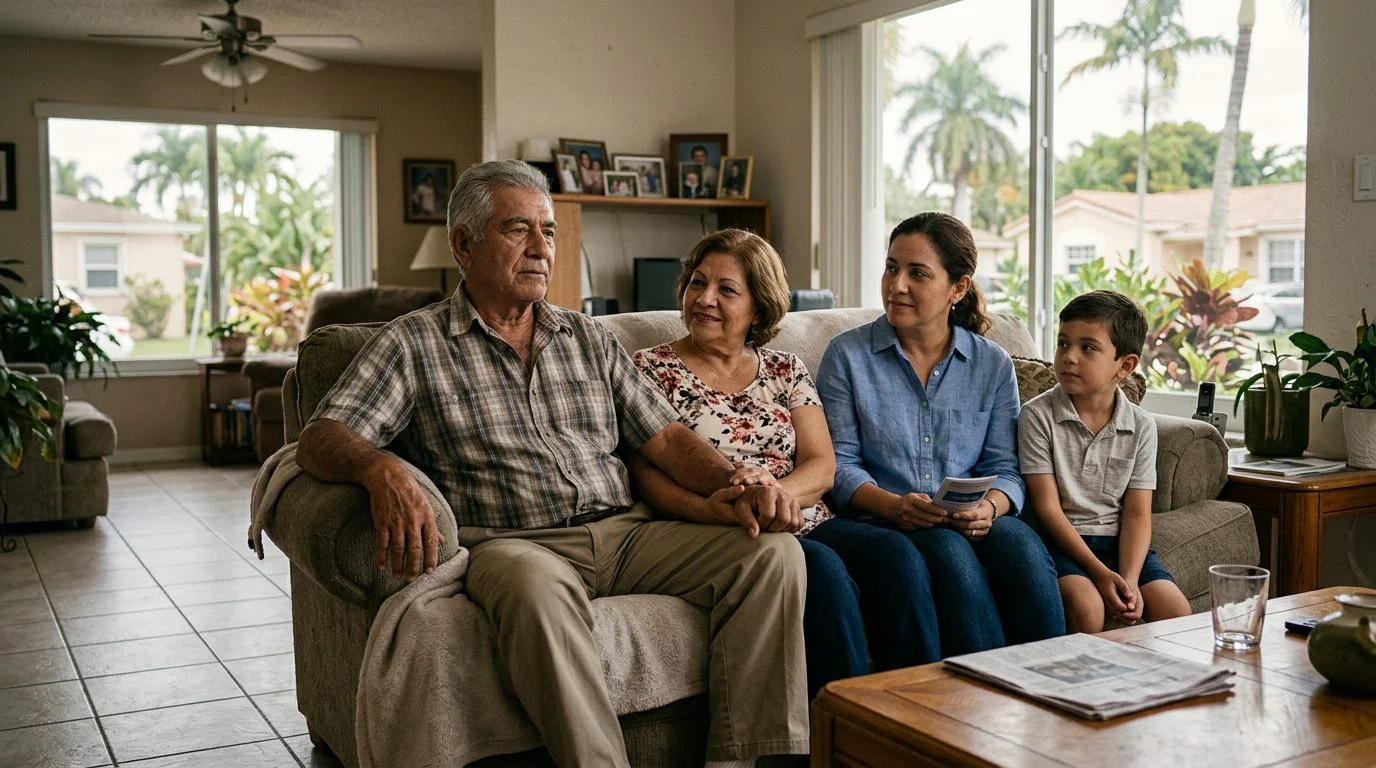
Mesothelioma Support for Florida Families
Caring for a Family Member With Mesothelioma: You Don't Have to Face the Questions Alone
A diagnosis changes daily life for the whole family. Here is a calm, plain-language guide to the medical, practical, and legal questions that often come next.
By CHG Lawyers · Published November 23, 2026
When a parent, spouse, or sibling is diagnosed with mesothelioma, the whole family can feel pulled in many directions at once. You may be asking what to do first. You may also be wondering what the coming months will look like.
The most useful first steps are simple. Learn how the illness works. Build a written care plan with the medical team. Sort bills and records early.
This guide covers those steps in plain language. It also explains how past asbestos exposure can matter for legal options in Florida. This page is general information, not medical advice. Follow your doctors’ care.
What Mesothelioma Is and Why It Often Appears Decades Later
Mesothelioma is a rare cancer. It starts in the thin lining around the lungs, chest, or abdomen. It is most often linked to asbestos.
Asbestos is a mineral fiber. People breathed it in or swallowed it earlier in life. The Agency for Toxic Substances and Disease Registry describes the disease as one that affects the membranes around these body areas.
The illness usually shows up long after the exposure. The same agency notes that signs of asbestos-related disease may have a latency period of 30 to 40 years. A latency period is the time between exposure and the first signs of illness.
That long delay is why a diagnosis can feel sudden. It can happen even when the exposure was decades ago. Some cases appear sooner. The medical literature recognizes shorter-latency cases too, as a review of short-latency mesothelioma cases explains.
If your family is wondering whether past asbestos exposure could open a legal or trust-claim option, our team is glad to talk it through with you, so you don't have to face it alone. Talk it through with our team — the first consultation is free, confidential, and carries no obligation.
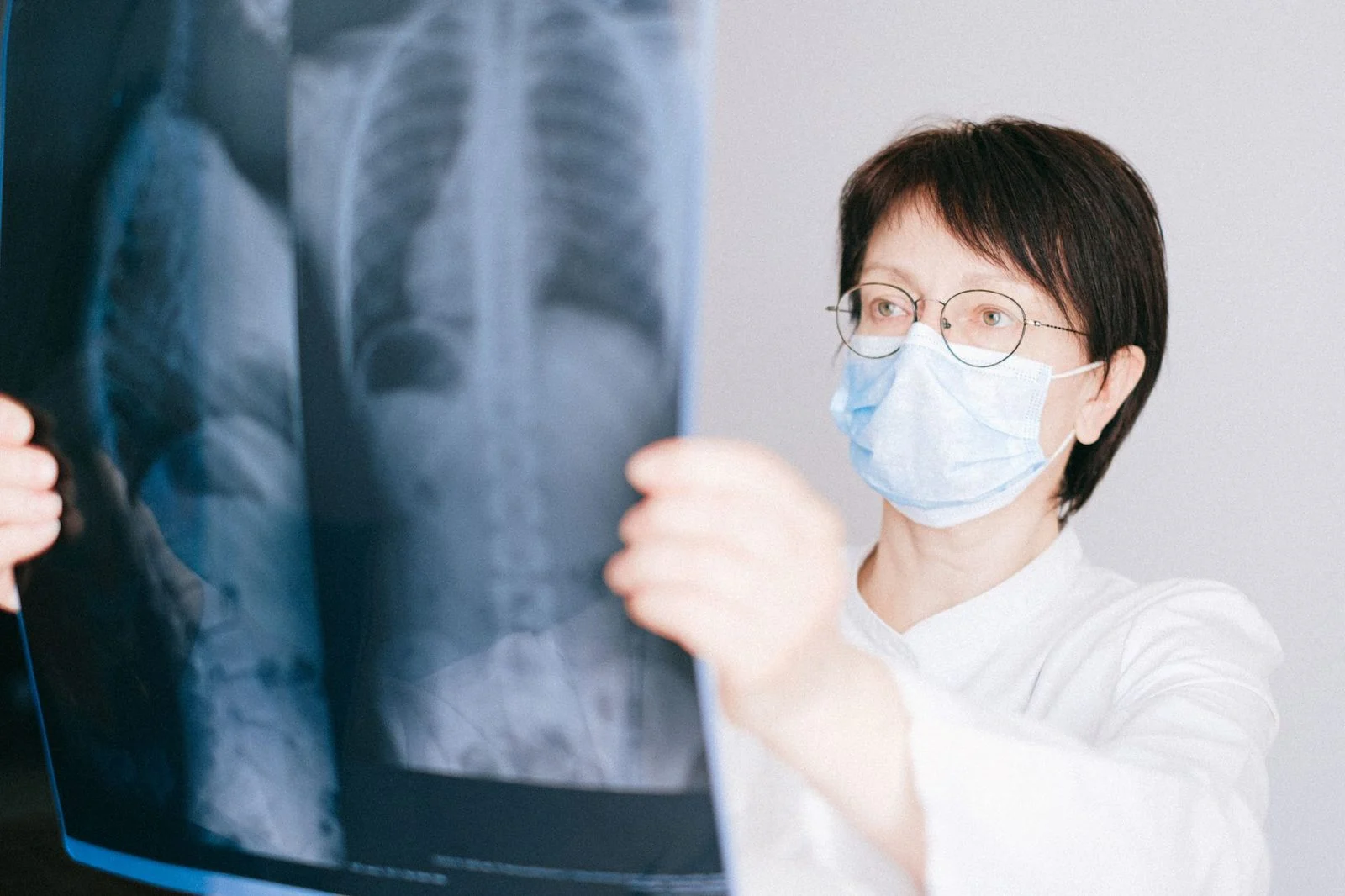
Researching Mesothelioma: How to Read the Diagnosis and Trust Your Sources
Many families feel better once the diagnosis has a name they can follow. Start with the words your loved one’s team already uses.
Ask where the cancer began. For example, did it start in the chest lining or the abdominal lining? Then ask what the team means by the type and stage. These two answers guide almost every treatment conversation that follows.
Ask for a copy of the pathology report and the imaging reports. The pathology report is the lab’s written description of the tissue sample. Ask the oncologist to walk through it line by line. Write down any term you do not understand.
A nurse navigator can often translate these reports into plain English. Ask whether the cancer center has one.
Be careful with what you read online. Medical articles and patient materials differ in age and quality. They also describe different patients. When you find a claim you are unsure about, bring it to the oncology team. Do not act on it alone.
The sources cited on this page are a good starting point. The treating team is the right place to ask how any of them applies to your loved one.
Keep a short list called “what we know” and “what we are still waiting to learn.” Update it after each appointment. This keeps the family aligned. It also makes it easier to tell the team what has changed.
Common Symptoms and When to Call the Care Team
Commonly reported symptoms include:
- A cough that does not go away
- Shortness of breath
- Chest or belly pain
- Swelling or fluid buildup
- Fatigue
- Unexplained weight loss
Many other conditions cause similar signs. Only the patient’s doctors can say what a symptom means.
Call the doctor promptly about any new or worsening symptom. Do not wait for the next scheduled visit.
For severe trouble breathing or sudden chest pain, seek emergency care right away.
Keep a simple symptom log. Write down the date, the time, what the patient felt, and what helped or did not help. Bring the log to every appointment. Small details often help the team spot patterns that are hard to remember later.
Is Mesothelioma Terminal? Talking About Prognosis With the Care Team
Mesothelioma is a serious cancer. Many people with it face a life-limiting illness. Outcomes vary from patient to patient.
Families often ask this question first. It deserves a clear, honest answer from the right people.
A prognosis is the doctor’s estimate of how an illness may go. Doctors base it on one patient’s medical picture. It is not a fixed timeline. It can change as treatment goes on. The team may update it as new results come in.
Families often bring the same questions to the oncologist:
- What are the goals of treatment?
- What should we expect in the coming weeks?
- What comfort-focused options exist?
Write these questions down before each visit. Decide together who will receive and share medical updates.
A family meeting with the care team can help when the news is hard to take in. For any question about prognosis, rely on the treating team. Follow your doctors’ care.
Peritoneal Mesothelioma: What Families Should Know
Peritoneal mesothelioma starts in the peritoneum. The peritoneum is the lining of the abdomen. Families often ask about this form first.
Researchers think asbestos fibers can travel and lodge in the abdominal lining. This can happen after the fibers are swallowed or breathed in. Over many years, they may lead to cancer.
The ATSDR also notes that amphibole asbestos is linked to an increased risk of mesothelioma. Families who learn this often want to know the exposure history.
Abdominal swelling, pressure, or pain are commonly discussed with this form. The medical team will decide the diagnosis.
Prognosis and treatment depend on the individual case. The oncology team is the right place for those answers. Ask the team which treatment centers they work with. Ask how to reach their mesothelioma team.
Building a Care Plan With the Medical Team
A written care plan tells everyone who does what. The oncologist, nurses, and social workers usually help build it with the patient and family.
Start a care binder or shared folder. Include:
- The diagnosis summary
- The medication list, with doses and times
- Appointment dates
- Imaging and lab results
- Copies of insurance cards
Keep everything in one place. Anyone should be able to find it fast.
Name one family point person to speak with the care team. Others can help with tasks, rides, meals, and paperwork. One clear voice keeps messages consistent and prevents mix-ups.
Ask the team about home health services, palliative care (care that eases symptoms and supports comfort), and hospice. Ask how each one differs in goals and coverage.
Bring your questions, a notepad, and a support person to appointments. Ask for written instructions after each visit.
Not sure what your next step is?
Talk it through with our team — the first consultation is free, confidential, and carries no obligation.
Nutrition, Hydration, and Comfort at Home
Appetite and digestion often change during illness and treatment. Small, frequent meals are often easier than three large ones. Let the patient choose foods they can tolerate. Stay within the plan the team approves.
Ask the care team for a referral to a registered dietitian. Ask for one when weight loss or eating problems appear. A dietitian can suggest ways to add calories and protein that fit the patient’s needs.
Encourage regular sips of fluids through the day. Tell the care team about:
- Vomiting
- Dizziness
- Very little urine
These signs need a medical review.
Simple comfort steps can make a real difference. Set up a comfortable bed. Plan pain management with the doctor. Create a quiet space for rest.
Clear any diet, supplement, or medication change with the patient’s doctors first.
Help With Daily Tasks, Transportation, and Home Life
Caregiving works best when tasks are written down and shared. Common tasks include:
- Driving to appointments
- Filling prescriptions
- Tracking medication times
- Preparing meals
- Housekeeping
- Handling paperwork
Build a shared calendar. Include appointments, medication times, rides, and visiting helpers. Anyone on the team can check it and add to it.
Many families use a rotating schedule. Relatives, friends, or paid home help can take turns. This keeps one person from carrying every task alone.
Be specific when you ask for help. A named task, such as a Tuesday ride, is easier for others to accept.
Make the home safer. Clear walking paths. Add grab bars. Use night lights. Keep a phone within reach.
Ask the care team about respite care. Respite care gives the main caregiver planned breaks.
Bills, Insurance, and Paperwork Families Should Organize
Cancer care often creates many separate bills. These can include hospital, imaging, lab, pharmacy, and home care charges. Keep every bill and explanation of benefits in one place. Start on the first appointment.
For every insurance or billing call, write down three things: who you spoke with, the date, and what was said. This simple log can settle questions later.
Review the patient’s health insurance. Check Medicare or Medicaid status if it applies. Also check any employer disability or life insurance policies. The billing office or a benefits counselor can help you read them.
Medicare has its own rules. The Medicare.gov coordination guide explains the following. If an insurance company does not pay a claim promptly, usually within 120 days, a provider may bill Medicare. Medicare may then make a conditional payment. A conditional payment is a payment Medicare makes now that may have to be repaid later.
Ask the social worker about financial assistance programs for medicine and treatment. Keep the patient’s work, military, and home history records. These records can matter later for asbestos-related claims.
Asbestos Exposure History and Options That May Apply
A mesothelioma claim turns on where and how the person was exposed to asbestos. Common examples include:
- A job site
- Military service
- A household member’s work clothes that carried fibers home
Florida law sets a clock for asbestos claims. Under Fla. Stat. § 774.206, for asbestos or silica claims not barred as of the act’s effective date, the limitations period does not begin to run until the exposed person discovers that he or she is physically impaired by an asbestos-related or silica-related condition. The person must discover, or should have discovered with reasonable diligence, that he or she is physically impaired by an asbestos-related condition.
Florida deadlines still apply. They can be shorter than families expect. Contact a lawyer promptly. Do not wait.
Many companies that used asbestos set up asbestos bankruptcy trusts. These trusts may pay claims separately from a lawsuit. Each trust claim has its own paperwork and requirements. Some claims also involve more than one company over the course of a case.
Medicare follows its own policy on these cases. CMS does not pursue a liability-insurance recovery for incidents before December 5, 1980. For continued exposure, it looks at the date of last exposure.
Depending on the facts, a mesothelioma claim may be handled together with another law firm. It may also be referred to another firm. We explain this at the start of a consultation.
Emotional Support for the Patient and the Family
Many families grieve while their loved one is still alive. This is called anticipatory grief. It is a common and understandable response to a serious illness.
Open conversations can help. Ask the patient what matters most to them. Talk about family memories, values, and wishes for care. Some families write these down so they can be honored later.
Counselors, social workers, chaplains, and support groups are often available through the care team. They can help both the patient and the caregiver. Asking for them is a reasonable step. It is not a sign of weakness.
Anger, guilt, and exhaustion are common among caregivers. Talking about these feelings with someone outside the home can help.
If the patient or any family member talks about self-harm or suicide, call or text the 988 Suicide & Crisis Lifeline (988) right away. In an emergency, call 911.
If your family is wondering whether past asbestos exposure could open a legal or trust-claim option, our team is glad to talk it through with you, so you don't have to face it alone. Talk it through with our team — the first consultation is free, confidential, and carries no obligation.
Taking Care of Yourself as the Caregiver
Caregiver burnout is common. Sleep loss, skipped meals, and isolation can affect your health. Your health matters too.
Keep up with your own doctor visits, medications, and screenings. Tell your doctor about your caregiving load. This helps them understand what you are carrying.
Set small, realistic goals for each day. Accept specific help from friends or relatives. Examples include a meal drop-off or an afternoon of errands. Specific requests are easier for people to say yes to.
Protect a few minutes each day for rest, prayer, exercise, or a hobby. Ask for respite care when you need a break. Asking for help is part of good caregiving.
Talk With Our Team About Your Family’s Situation
Is your family wondering whether past asbestos exposure could open a legal or trust-claim option? The next step is a conversation.
Start by gathering the patient’s work, military, and home exposure history. Also collect medical records and old employment papers.
Contact CHG Personal Injury Lawyers to talk about that history. You can also learn what paperwork to gather first.
The initial consultation is free, confidential, and carries no obligation to continue. CHG charges no attorney’s fees and no case costs unless there is a recovery.
Spanish-speaking families can request the consultation in Spanish. The Spanish version of this guide carries the same required statements as this English page.
CHG Personal Injury Lawyers is a Florida-based firm. It focuses on personal injury cases, including mesothelioma and other asbestos-related claims. Igor Hernandez is the responsible lawyer for this page. CHG also publishes educational content in English and Spanish.
This page is for information only. It is not medical advice.

Summing Up
Caring for a family member with mesothelioma is a long road. You do not have to plan all of it at once.
Take it one step at a time:
- Learn about the illness.
- Keep a care plan and binder.
- Protect nutrition and comfort.
- Share daily tasks.
- Organize bills.
- Record the exposure history.
- Care for your own health too.
Medical decisions belong to the patient’s doctors. Florida deadlines apply to legal claims, so act early. Taking one step at a time is a real and meaningful form of courage.
How long after asbestos exposure does mesothelioma appear?
Signs of asbestos-related disease may have a latency period of 30 to 40 years, according to the Agency for Toxic Substances and Disease Registry. Some cases appear sooner.
Is mesothelioma terminal?
Mesothelioma is a serious cancer, and outcomes vary. Ask the oncology team what a prognosis means for your loved one’s own case.
Can a family file a claim after a loved one has mesothelioma?
A claim depends on the facts, including where and how the person was exposed. Florida deadlines apply, so talk with a lawyer promptly.
Does Medicare have to be repaid from a settlement?
A Medicare conditional payment must be repaid when a settlement, judgment, award, or other payment is made, according to CMS.
How CHG Personal Injury Lawyers Can Help Your Family
A Clear Conversation
We listen first, then explain your family's options in plain language, without legal jargon.
Looking Into the Exposure
Our team reviews where and how your loved one may have been exposed to asbestos, whether at work, through military service, or at home.
Protecting Your Rights
We handle the claim paperwork and communication with companies and insurers, so your family can focus on care and time together.
Compassion Throughout
We treat every family with dignity and respect, from the first call through each step that follows.
Act Promptly
Legal deadlines apply to asbestos-related claims, and records and witnesses can be hard to find years after exposure. If your family is weighing a claim, contact a lawyer early rather than waiting.
Questions Families Often Ask
Where Was the Exposure?
Asbestos claims often turn on the workplace, job site, military base, or home where exposure happened. Gathering work histories and old records can help tell that story.
Are There Other Ways to Seek Compensation?
Some asbestos bankruptcy trusts pay claims separately from a lawsuit. Your lawyer can review whether trust claims, lawsuits, or both may apply to your family's situation.
Who Handles the Lawsuit?
Some mesothelioma cases are referred to, or handled together with, another law firm. We will tell you clearly how your case would be managed before you decide.
What Does It Cost?
CHG Personal Injury Lawyers charges no attorney's fees and no case costs unless there is a recovery. The first consultation is free, confidential, and carries no obligation to continue.